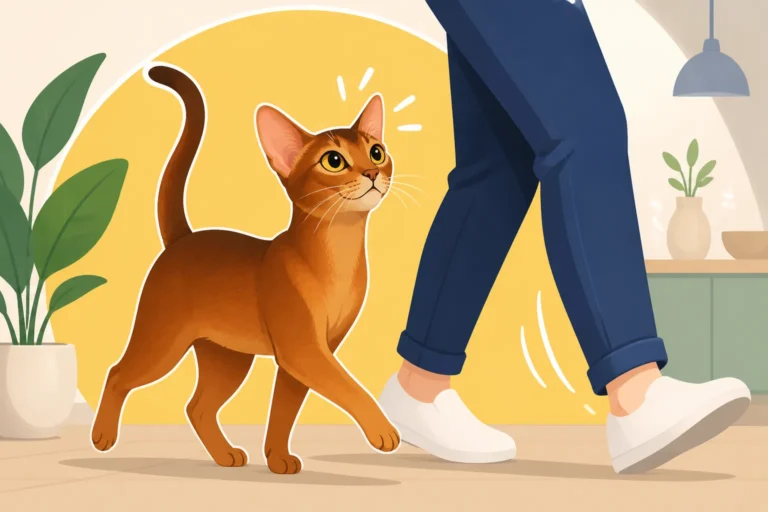
Which Breeds Live Well With an Abyssinian
Bringing a second feline companion into your home is often a fantastic idea, especially when you have an Abyssinian, whose boundless energy and social intelligence can sometimes be a bit much for human-only attention. But the thought of finding the "right" cat to match that unique Abyssinian spark can feel overwhelming. This guide will walk you through understanding your Abyssinian's social needs and identifying cat breeds that are most likely to thrive alongside your busy, playful friend.
Understanding the Abyssinian's Social Nature
Abyssinians are not your typical aloof cats; they're deeply social, highly intelligent, and incredibly active. They're often described as dog-like in their devotion and their need for interaction. This isn't a cat content to merely share your space; they want to be involved in everything you do, from making breakfast to watching television. Ignoring this fundamental aspect of their personality can lead to boredom, and a bored Abyssinian often finds creative (and sometimes destructive) ways to entertain themselves.
Why Abyssinians Thrive on Companionship
An Abyssinian absolutely thrives on companionship, whether it's with their human family or another animal. These cats genuinely enjoy having another creature to interact with, chase, and even just observe. They don't just tolerate company; they actively seek it out. Think of your Abyssinian as a high-octane social butterfly who gets genuine joy from shared experiences. When left alone for extended periods without adequate mental and physical stimulation, they can become restless, anxious, and even lonely. This is why many Abyssinian owners find that Why a Second Cat Suits an Abyssinian isn't just a luxury, but often a necessity for their cat's overall well-being. A companion provides constant entertainment, an outlet for play, and a comforting presence when you're not around. It diverts their incredible focus and energy, spreading it between you and their feline friend.
They love to play, explore, and even "help" with daily tasks. Having another cat, particularly one with a similar temperament, provides a constant playmate, a wrestling partner, and someone to curl up with for naps in the sun. This shared interaction prevents your Abyssinian from putting all their social demands solely on you, which can be exhausting for even the most devoted owner. It also enriches their environment, offering dynamic stimulation that even the best puzzle toys or window perches can't fully replicate. The bond they form with a suitable companion can be incredibly strong, leading to a much more balanced and happy household.
The Abyssinian's Play Style and Energy Levels
Let's be real, an Abyssinian isn't just "active"; they're a whirlwind of motion. They bounce off walls, scale bookshelves with athletic grace, and play with an intensity that can surprise first-time owners. Their play style is often very physical, involving lots of chasing, pouncing, mock-hunting, and acrobatic leaps. They're quick, agile, and possess an almost endless supply of energy, especially in their younger years. They often enjoy games of fetch, learning tricks, and engaging in interactive play with wand toys for extended periods. How Much Play an Abyssinian Needs Each Day is a testament to their demanding nature.
This means a sedate, quiet cat might find an Abyssinian's constant invitations to play quite overwhelming. Imagine being a gentle, reserved individual suddenly sharing a living space with a perpetually enthusiastic gymnast who constantly wants to spar. It would be exhausting! An Abyssinian needs a playmate who can keep up, who enjoys rough-and-tumble games, and who won't easily be intimidated by their boisterous nature. They aren't aggressive, but their sheer enthusiasm can be a lot for a less energetic cat. A companion who can match their enthusiasm will not only enjoy the interaction but also provide a healthy outlet for your Abyssinian's considerable physical prowess and mental stimulation needs.
Key Traits for an Abyssinian's Feline Friend
When considering a companion for your Abyssinian, it’s not just about finding another cat; it's about finding the right kind of cat. You're looking for a feline counterpart that complements your Abyssinian's unique personality and energy, rather than clashing with it. This involves thinking about their activity levels, their communication style, and even how much attention they demand from their human counterparts.
Matching Energy and Playfulness
This is perhaps the most crucial factor. An Abyssinian needs a playmate who genuinely enjoys a good romp and can withstand (and dish out!) a bit of boisterous play. Think about breeds known for their high energy, agility, and a playful disposition that extends well into adulthood. A cat that's too timid or too laid-back will likely spend most of its time hiding under the bed, stressed by the Abyssinian's constant invitations to chase and wrestle. This isn't fair to either cat.
Ideally, you want a cat that will engage in enthusiastic games of chase through the house, can hold its own during a wrestling match, and isn't afraid to initiate play itself. Cats that enjoy interactive toys, thrive on mental stimulation, and possess a natural curiosity will be far better suited. Consider a cat that also enjoys vertical spaces, as Abyssinians are masters of climbing and will appreciate a playmate who can join them on their elevated adventures. How to Make an Abyssinian's Climbing Route Safe applies to two cats as much as one. This doesn't mean they need to be identical in every way, but their overall "vibe" for activity should be similar. A good match means both cats are getting their physical and mental needs met through their interactions.
A Tolerant and Confident Personality
Beyond just energy, the companion cat needs a robust and confident personality. Abyssinians are not bullies, but they are assertive in their desire for play and attention. A cat that is easily intimidated, overly shy, or prone to anxiety might struggle to live alongside an Abyssinian. What you're looking for is a cat that has a solid sense of self, isn't easily ruffled, and can set boundaries effectively without resorting to aggression.
A confident cat will communicate clearly when it wants to play and when it needs a break, and an Abyssinian, while persistent, usually respects these cues. A tolerant cat will understand that the Abyssinian's constant pestering comes from a place of playfulness, not malice. They should be comfortable sharing spaces, toys, and even human affection. A cat that is too possessive or territorial might find an Abyssinian's all-encompassing nature difficult to handle. Having separate resources, like multiple litter boxes and feeding stations, always helps, but a naturally confident cat makes the integration process much smoother, leading to a peaceful multi-cat household.
Similar Grooming and Activity Needs
While not as critical as energy and personality, aligning on general care needs can make your life easier. Abyssinians have short, easy-care coats, so a long-haired breed might introduce more grooming tasks than you're used to. More importantly, consider their daily routines. An Abyssinian is often active during the day and can even wake you up for early morning play sessions. Why an Abyssinian Wakes You at Five is a common experience! A cat that prefers to sleep through much of the day and night might find this disruptive.
A cat with similar sleep-wake cycles and activity patterns will naturally synchronize with your Abyssinian, leading to more shared playtime and less frustration. Both cats benefit from a stimulating environment with plenty of vertical spaces, interactive toys, and opportunities for mental engagement. If one cat requires a specialized diet or has specific medical needs that differ greatly from the Abyssinian's, it can complicate feeding routines. While these aren't deal-breakers, they are practical considerations that can contribute to the overall harmony of your home.
Top Cat Breeds That Pair Well with Abyssinians
Finding a compatible companion for your Abyssinian doesn't have to be a guessing game. Many breeds share the Abyssinian's zest for life, intelligence, and playful nature, making them excellent candidates for a multi-cat household. These breeds aren't just similar; their personalities often complement an Abyssinian's, leading to dynamic and affectionate relationships.
Orientals and Siamese: A High-Energy Match
If your Abyssinian is a chatterbox and a climber, then an Oriental Shorthair or a Siamese might just be their soulmate. These breeds are renowned for their incredible intelligence, vocal nature, and boundless energy, which perfectly matches the Abyssinian's temperament. They don't just "put up with" an Abyssinian; they actively seek out the same kind of boisterous play and mental challenges.
Oriental Shorthairs, with their sleek bodies and inquisitive minds, are like the Abyssinian's long-lost cousins when it comes to activity. They love to explore, scale heights, and engage in elaborate games of chase. Their playful curiosity means they're always up for an adventure, whether it's investigating a new crinkle ball you ordered from Amazon or trying to figure out how to open a cupboard door. They are highly people-oriented but also thrive on feline companionship, meaning they won't compete aggressively for your attention but rather enjoy sharing it with a fellow energetic cat.
Siamese cats, on the other hand, bring a similar high-energy disposition, but with a famous vocal twist. They are incredibly communicative and will have "conversations" with you, and likely with their Abyssinian friend, too. This isn't just meowing; it's a whole range of chirps, trills, and vocalizations that can make for an entertaining household symphony when paired with an Abyssinian's own chirps and purrs. They are fiercely loyal and crave interaction, making them eager participants in play sessions. Both Orientals and Siamese are athletic and intelligent, ensuring they can keep up with an Abyssinian's rapid movements and clever antics, creating a dynamic duo that will never be bored. They can easily match the Abyssinian's speed and agility, turning your living room into an Olympic training ground.
Bengals and Ocicats: Playmates with a Wild Side
For those who love a dash of the wild in their domestic felines, breeds like Bengals and Ocicats offer an exotic appearance coupled with an equally wild level of energy and playfulness that an Abyssinian will adore. These breeds are not for the faint of heart, but for an Abyssinian, they can be the ultimate play partners.
Bengals are famous for their stunning rosette coats and their incredibly active, almost dog-like personalities. They are highly intelligent, love to fetch, and are notoriously fond of water – sometimes to the chagrin of their owners! This adventurous spirit makes them fantastic companions for an Abyssinian, who will find endless entertainment in a cat that can keep pace with their antics. Bengals thrive on mental and physical stimulation, much like Abyssinians, and together they can conquer puzzle toys, explore new cat trees, and engage in wrestling matches that are more like choreographed martial arts. Their robust build means they can handle the Abyssinian's intense play style without feeling overwhelmed.
Ocicats, while not carrying actual wild blood, are bred to look like mini wild cats and share a similar confident and athletic demeanor. They are highly intelligent, outgoing, and possess a seemingly endless well of energy. Ocicats love to play fetch, walk on a leash, and are incredibly curious, always wanting to know what's going on. This bold and engaging personality makes them an ideal match for an Abyssinian, as they will readily join in any game, explore every nook and cranny, and provide constant companionship. Both Bengals and Ocicats demand a lot of attention and enrichment, so pairing them with an Abyssinian ensures that both cats have a suitable outlet for their high drive, preventing boredom-induced mischief and ensuring a lively, dynamic home. If you want to know Which Cat Breeds Match an Abyssinian's Energy, these are definitely contenders.
Domestic Shorthairs: The Unsung Heroes of Compatibility
Sometimes, the perfect companion isn't a pedigreed marvel with a fancy name, but rather a humble Domestic Shorthair. These wonderful cats, often found in shelters, are the unsung heroes of feline compatibility, and many possess exactly the right blend of traits to thrive with an Abyssinian. The key, however, lies in careful selection.
Unlike specific pedigreed breeds with predictable traits, Domestic Shorthairs come in a vast array of personalities. This means you need to specifically seek out one that exhibits traits that align with your Abyssinian's needs: high energy, confidence, and a playful nature. Look for a kitten or young adult cat at a local rescue or shelter that is described as outgoing, inquisitive, and enjoys playing with other cats. Often, shelter staff are excellent at matching personalities, having observed the cats' behavior in a multi-cat environment. A Domestic Shorthair who is bold, enjoys chase games, and isn't easily startled will be able to hold their own and appreciate the Abyssinian's playful overtures.
Many Domestic Shorthairs are incredibly adaptable and resilient, having learned to navigate various social situations. They can often be just as smart and agile as a pedigreed cat, and their mixed genetic background often means they are less prone to certain hereditary issues. They bring an element of delightful unpredictability, yet when carefully chosen for temperament, can be incredibly well-matched to an Abyssinian. They might not have the exotic looks of a Bengal or the vocal prowess of a Siamese, but a well-chosen Domestic Shorthair can offer just as much companionship, play, and affection, becoming a truly cherished member of your multi-cat family. Plus, adopting a shelter cat is a wonderful way to give a deserving feline a loving home.
Breeds That Might Be a Mismatch
While the idea of two cats living in harmony is lovely, the reality is that not all feline personalities are a perfect fit, especially with a distinctive breed like the Abyssinian. Understanding which breeds might not thrive alongside your energetic Abyssinian is just as important as knowing which ones will. The goal is to ensure both cats are happy and stress-free in their shared home.
Overly Sedate or Shy Breeds
Consider breeds that are known for their calm, quiet, or reserved dispositions. For example, a Persian, with its placid nature and preference for quiet contemplation, might find an Abyssinian's constant motion and invitations to play utterly exhausting. Imagine a highly energetic child constantly trying to engage a grandparent in a game of tag; while the grandparent loves the child, the energy mismatch is clear. An Abyssinian constantly pestering a shy or sedate cat to play can cause significant stress for the quieter feline, leading to withdrawal, hiding, or even behavioral issues.
Similarly, breeds that are inherently shy or prefer solitude, such as some Ragdolls (though individual personalities vary greatly), might not appreciate the Abyssinian's tendency to follow you (and them!) from room to room. An Abyssinian wants to be involved and expects its companions to be, too. A cat that needs a lot of personal space and quiet time might feel perpetually invaded by the Abyssinian's social demands. This constant pressure can create a tense environment, where the quieter cat is always on edge, and the Abyssinian, despite its best intentions, might inadvertently be causing distress. You'd be amazed how much a What a Quiet Abyssinian Is Telling You differs from a quiet cat of another breed.
Breeds with Very Different Communication Styles
Communication is key in any relationship, and it's no different for cats. Abyssinians are generally quite vocal, using a variety of chirps, trills, and soft meows to express themselves, and they're also highly communicative through body language. They tend to be direct in their play invitations but also respectful of clear boundaries.
However, some breeds have very different communication styles that could lead to misunderstandings with an Abyssinian. For instance, breeds that are extremely sensitive or prone to overstimulation might not interpret an Abyssinian's boisterous play cues correctly. A less confident cat might interpret an Abyssinian's energetic pounce as aggression, rather than an invitation to play, leading to defensive reactions. Conversely, an Abyssinian might struggle to understand the subtle cues of a cat that communicates more through silence or very subtle body language. This miscommunication can lead to frustration on both sides. The Abyssinian might continue to pester, not realizing it's causing distress, while the other cat becomes increasingly stressed. A cat that might resort to swatting or hissing quickly when overwhelmed could also clash with an Abyssinian's persistent nature, creating a volatile dynamic rather than a harmonious one.
Introducing a New Cat to Your Abyssinian
Bringing a new cat into your home, especially one as active and particular as an Abyssinian, is a process that requires patience, strategy, and a good understanding of feline behavior. You can't just toss them together and hope for the best; that's a recipe for stress and potential conflict. The goal is a gradual integration that allows both cats to adjust and eventually form a positive relationship. Remember, the investment of time upfront will pay dividends in a peaceful household later.
The Importance of Slow and Controlled Introductions
This is not a step you can rush. Abyssinians are often confident, but even they need time to accept a new feline resident. The process of introducing a new cat should be broken down into several stages, moving from scent exchange to supervised visual contact, and eventually shared space. Start by confining the new cat to one room, complete with its own litter box, food, water, and bedding. This gives your new arrival a safe haven and allows your Abyssinian to get used to its scent without direct confrontation.
For the first few days, focus on scent swapping. Rub a towel on one cat, then let the other cat sniff it, or swap bedding between their areas. This familiarizes them with each other's scent in a non-threatening way. Feed them on opposite sides of a closed door, so they associate positive experiences (food) with the new scent. After a few days of positive scent exchange, you can move to brief, supervised visual introductions, perhaps through a baby gate or a cracked door, always ending on a positive note before either cat shows signs of stress. This slow, deliberate approach minimizes fear and aggression, laying the groundwork for a genuine friendship. You can find many useful items for this on Amazon, from baby gates to Feliway diffusers. If you need more guidance, there are excellent resources like How to Introduce a Second Cat to an Abyssinian.
Creating Separate Safe Spaces
Even once introductions are going well, it's absolutely vital that both your Abyssinian and the new cat have their own designated safe spaces. These are areas where they can retreat if they feel overwhelmed, need a break, or simply want some alone time. For the new cat, this will initially be their introduction room. For your Abyssinian, it might be a favorite cat tree, a specific bed, or a high shelf where they feel secure.
These safe spaces should be equipped with all necessary resources: food, water, a litter box, and comfortable sleeping spots. This prevents resource guarding and ensures that neither cat feels threatened or has to compete for essentials. Abyssinians, being vertical lovers, will particularly appreciate high perches and cat trees where they can observe their new companion from a position of safety and confidence. Ensure there are enough vertical spaces throughout the house so both cats can claim their own elevated territories, allowing them to coexist without constant competition for the "best spot." Having these sanctuaries can dramatically reduce stress during the integration period and even after, promoting a more harmonious multi-cat household.
Managing Initial Interactions and Resource Guarding
When you do move to supervised interactions, pay close attention to body language. Hissing, growling, swatting, or flattened ears are clear signs of stress and mean you need to slow down or shorten the session. Conversely, calm sniffing, eating in each other's presence, or even playful pouncing without aggression are positive indicators. Always end interactions before either cat becomes agitated. Keep them short and positive, using treats or interactive play to create a pleasant association.
Resource guarding is a common issue during introductions, where one cat tries to prevent the other from accessing food, water, litter boxes, or even your attention. To mitigate this, ensure you have more resources than cats. For example, three litter boxes for two cats is a good rule of thumb, spread throughout different areas of the house. Feed them in separate areas initially, gradually moving their bowls closer together as they become more comfortable. Ensure you give equal attention to both cats, making sure your Abyssinian still feels loved and secure, and the new cat also receives affection and reassurance. Investing in multiple climbing structures, like those available on Amazon, can help prevent arguments over prime perching spots. Patience and consistency are your greatest tools in managing these initial interactions and fostering a positive long-term relationship.
Disclaimer
This article is for general informational purposes only and does not constitute professional advice. Laws, prices and regulations vary by location and change over time. Consult a qualified professional for guidance on your specific situation.