Whether an Abyssinian Can Be Kept Off Counters
Oh, the age-old battle: you versus the kitchen counter, with your incredibly agile and endlessly curious Abyssinian caught right in the middle. It’s a frustration many of us know all too well – you turn your back for a second, and poof, there they are, surveying their kingdom from the highest point, perhaps even batting at a stray crumb. This guide will dive deep into why your Abyssinian finds counters so irresistible and, more importantly, how you can gently but effectively redirect their boundless energy away from your food prep surfaces.
Understanding the Abyssinian's Counter Urge
Let's be honest, your Abyssinian isn't trying to annoy you when they leap onto the kitchen counter. They're simply being an Abyssinian! This breed is hardwired with certain instincts that make high places and interesting activity zones like the kitchen almost magnetic. Understanding these drives is the first step to finding solutions that truly work.
Why High Places Are Irresistible
Imagine a wild cat in its natural habitat. Where would it feel safest, most powerful, and best equipped to spot both prey and potential threats? From a high vantage point, of course! Your Abyssinian, despite being a pampered house cat, still carries these ancient instincts deep within their DNA. They thrive on elevation.
Climbing to the top of the fridge or the kitchen counter isn't just about defiance; it's about feeling secure and in control of their environment. From up high, they can observe everything happening below, giving them a sense of mastery over their territory. This breed, in particular, has an innate need to climb and explore. They are not content to simply sit on the floor when there's an entire vertical world to conquer. It’s part of why they're known as such active, dynamic cats – they see space in three dimensions, and if it's there, they'll use it. You'll often notice them preferring the highest cat tree or the top of a bookcase for their afternoon nap.
The Drive for Exploration and Interaction
Abyssinians are incredibly intelligent and intensely people-oriented, but not in the "lap cat" way. They want to be involved. They want to know what you're doing, how you're doing it, and whether there's anything interesting for them to participate in. The kitchen, being a hub of human activity, smells, and sounds, is naturally one of the most exciting rooms in the house.
When you're chopping vegetables, washing dishes, or simply grabbing a snack, your Abyssinian sees this as an opportunity for engagement. They want to investigate the running water, inspect the new bag of groceries, or simply supervise your culinary efforts. Their curiosity is boundless, and a closed door or an inaccessible counter merely serves as a challenge to their inquisitive nature. This isn't just about food; it's about being part of the family, being where the action is. They are busy cats, and anything that looks like an active project is usually something they want to explore.
The "Kitchen as a Playground" Phenomenon
Let's face it: the kitchen is often the most stimulating room in the house, from a feline perspective. The myriad of smells – from yesterday's dinner to tonight's ingredients – are a symphony for their highly developed sense of smell. The sound of running water from the tap or the dishwasher can be mesmerizing, sparking their playful instincts. Then there are the interesting textures and objects: crinkly plastic bags, dangling dish towels, small objects moved about as you work.
For an Abyssinian, these elements combine to create an irresistible playground. They might leap up to bat at a cabinet handle, explore the drip from the faucet, or simply enjoy the warmth from an appliance. This is where their reputation as "clowns" truly shines, as they'll often engage in acrobatic feats just to see what a new spot feels like or to get a better sniff of something intriguing. It's a challenging environment to "cat-proof" because what you consider mundane, they consider an adventure.
Deterrent Strategies: What Works (and What Doesn't)
When it comes to keeping your Abyssinian off the counters, the goal isn't to punish them but to make the counters unappealing, uncomfortable, or simply boring. We want to change the environment, not their fundamental nature.
Physical Barriers and Unpleasant Surfaces
The most effective deterrents work by providing a negative, but harmless, sensory experience without you having to be present. This way, your Abyssinian associates the unpleasantness directly with the counter, not with your presence.
- Aluminum Foil or Double-Sided Sticky Tape: A classic method for a reason. Abyssinians generally dislike the feel of sticky surfaces on their paws, and the crinkly sound and texture of aluminum foil can be startling. You can tape strips of double-sided carpet tape (many pet brands offer pet-specific sticky strips too, sometimes called "Sticky Paws") along the counter edges or simply lay down sheets of foil. The key here is consistency; cover the counters completely for a few days, especially when you're not around to supervise. They will jump up, encounter the unpleasantness, and usually decide it's not worth the effort.
- Motion-Activated Air Blasters: These devices are like silent sentinels. When your cat approaches the counter, they emit a harmless, sudden burst of air, often accompanied by a hiss. The surprise factor is usually enough to send even the most determined Abyssinian scrambling. They learn very quickly that the counter itself is the source of the startling sensation, not you. You can find these on Amazon or at your local pet supply store. Make sure to place them strategically so they cover the main "launch" zones onto your counters.
- Scat Mats or Electronic Deterrents: These mats deliver a mild static pulse when stepped on. While effective, some owners feel they are too harsh. If considering one, ensure it's specifically designed for pets and used according to the manufacturer's instructions.
The trick with all these physical deterrents is to apply them diligently for a period of time, even if you think your Abyssinian has "learned their lesson." This breed is smart and persistent; they'll test the boundaries once the deterrent is gone.
The Futility of Punishment and Yelling
It's tempting to yell, clap, or even spray your Abyssinian with water when you catch them mid-leap onto the counter. However, this approach is largely ineffective and can actually damage your bond. Abyssinians, like most cats, do not understand punishment in the human sense. They don't connect your angry outburst to their action of being on the counter.
Instead, they learn one of two things:
- You are unpredictable and scary. This can lead to them becoming fearful of you or anxious in your presence.
- They should only jump on the counter when you're not looking. They don't stop the behavior; they just become sneakier about it.
Think about it: if you're not there, the counter is still a prime target. Your goal is to make the counter itself unappealing, regardless of whether you're supervising. Yelling simply makes you the "bad guy" and does nothing to solve the underlying behavior. Why Deterrent Sprays Fail on an Abyssinian covers more about why direct confrontation is rarely the answer.
Avoiding Reinforcement (Even Accidental)
This is a crucial point many owners overlook. Any positive outcome, even unintended, can reinforce the counter-surfing behavior.
- No Food Left Out: This seems obvious, but even a few crumbs or a forgotten dish can be a huge motivator. Abyssinians are scent-hounds, and they will absolutely detect that faint whiff of leftover dinner. A clean counter is a boring counter.
- No Attention, Positive or Negative: When your Abyssinian jumps on the counter, try to resist the urge to immediately grab them, talk to them, or even make eye contact. For an attention-seeking cat, any reaction from you, even a negative one, can be interpreted as a reward. They got your attention, mission accomplished! If you absolutely must remove them, do it calmly and silently, placing them on the floor without a fuss.
- Keep Valuables Away: Don't leave keys, jewelry, or small items they might be tempted to bat around on the counter. What an Abyssinian Steals and Hides is a real phenomenon, and your counters are prime territory for it. If they find a fun "toy" up there, they'll be back for more.
Consistency is key here. Every time they find something interesting or get a reaction from you, that behavior is strengthened.
Redirecting Their Energy: Providing Better Alternatives
Since an Abyssinian's urge to climb and explore is instinctual, the most effective long-term strategy isn't just about deterring them from unwanted spots, but providing acceptable and even more appealing alternatives. You need to give them appropriate outlets for their natural behaviors.
Vertical Space: The Abyssinian's True Kingdom
This is arguably the most important element in managing an Abyssinian's vertical ambitions. If they can't climb up, they'll find something else to scale. Instead, give them better, approved options.
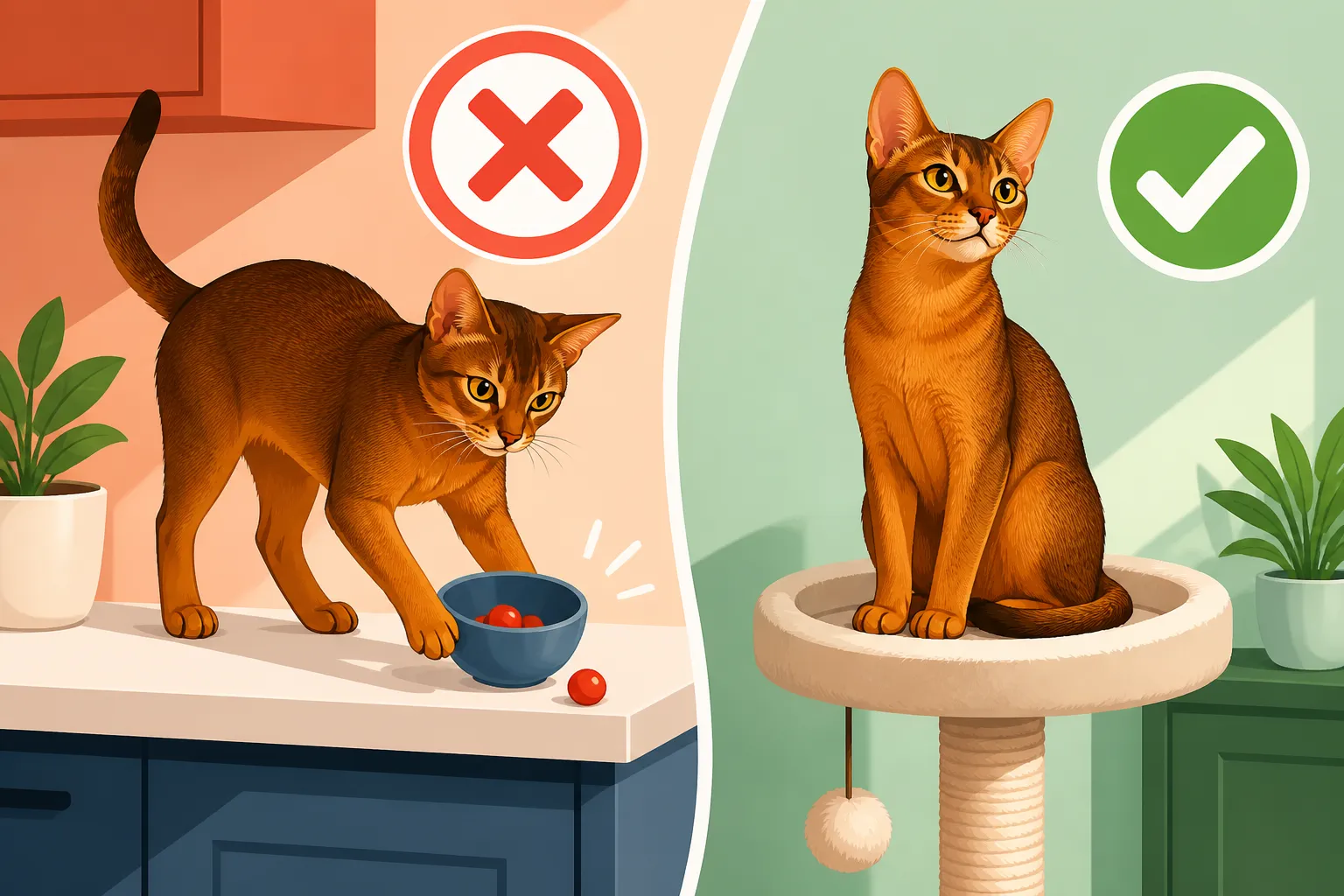
- Tall Cat Trees: Invest in a sturdy, multi-level cat tree that reaches close to the ceiling. Abyssinians love to be as high as possible. Look for one with different platforms, scratching surfaces, and perhaps even a cubby. Place it strategically near a window if possible, as they love to watch the world go by. An Abyssinian Needs Height More Than It Needs Floor isn't just a suggestion; it's a fundamental truth for this breed.
- Wall-Mounted Shelves and Climbers: These are often even better than traditional cat trees because they utilize vertical wall space without taking up floor space, and they allow for creative climbing routes. You can create a "cat highway" around your living room or even into a safe part of the kitchen, giving them sanctioned paths to high places. Why Wall Shelves Work Better Than a Tree for an Abyssinian because they offer a more dynamic and expansive climbing experience. Make sure they are securely mounted into wall studs to support your agile climber's weight.
- Clearance and Accessibility: Ensure that these vertical options are easy for your Abyssinian to access and are genuinely high enough to satisfy their desire for elevation. If the highest point they can reach legally is still lower than your kitchen counter, guess where they'll still try to go?
By providing ample and appealing vertical territory, you fulfill their instinctual need to climb and survey their surroundings, drawing their attention away from your forbidden human surfaces.
Engaging Their Minds and Bodies Off-Counters
An Abyssinian that is bored or has pent-up energy is much more likely to create their own "fun," which often involves scaling forbidden heights. The solution? Wear them out!
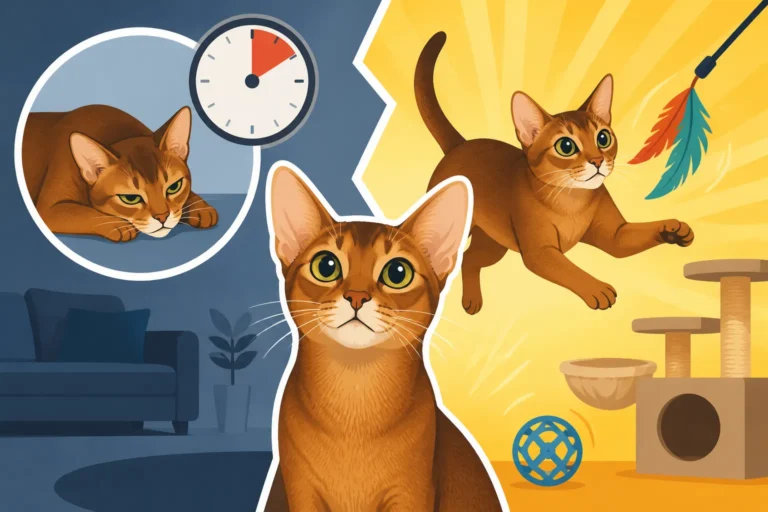
- Interactive Play Sessions: Abyssinians thrive on play that mimics hunting. Use wand toys, feather teasers, and laser pointers (always end a laser pointer session with a physical toy to "catch") for at least 15-20 minutes, two to three times a day. Really get them running, jumping, and leaping. A tired Abyssinian is a good Abyssinian, and less likely to feel the need to climb your counters for entertainment. How Much Play an Abyssinian Needs Each Day cannot be overstated.
- Puzzle Feeders: These ingenious devices make your cat "work" for their food, engaging their minds and natural foraging instincts. Instead of just dumping kibble in a bowl, spread it across several puzzle feeders. This adds mental stimulation and extends mealtime, preventing boredom. You can find many different types, from simple treat balls to more complex mazes. Which Puzzle Feeders Hold an Abyssinian's Attention explains how effective these can be. This turns a routine activity into an enriching challenge.
- Training: Abyssinians are highly intelligent and surprisingly trainable. Use clicker training to teach them tricks like "sit," "stay," or "fetch." This not only builds your bond but also provides mental exercise. The more positive ways you can engage their brains, the less likely they are to seek out destructive or unwanted behaviors. Consider teaching them to jump onto their approved cat tree on command.
By regularly engaging your Abyssinian physically and mentally, you'll find they have less desire, and less energy, to seek out "misadventures" on your counters. What an Abyssinian Does When It Is Bored often involves things you'd rather they didn't do!
Creating "Yes" Spaces in the Kitchen
Sometimes, the allure of the kitchen is simply too strong, especially if you spend a lot of time there. Instead of a blanket ban, consider creating an approved "kitchen vantage point" that satisfies their curiosity without putting them on your counters.
- A Dedicated Cat Tree or Shelf Near the Kitchen: Place a medium-sized cat tree or a securely mounted shelf just outside the immediate food prep area, or even within a corner of a larger kitchen. This gives them a legitimate high spot from which to supervise your activities. They get to feel involved, observe the action, and still be "with you," all without touching a single forbidden surface.
- Comfort and Appeal: Make this "yes" spot extra appealing. Add a comfy bed, a favorite blanket, or even a small, safe toy. The goal is to make it a more attractive option than the counter itself. If your Abyssinian likes warmth, ensure it's in a sunny spot or near a gentle heat source.
- Redirecting to the Spot: When you see them eyeing the counter, gently redirect them to their approved kitchen perch. Lure them with a treat or a favorite toy. Praise and reward them lavishly when they use their designated spot. This is about positive reinforcement for the desired behavior. How to Redirect an Abyssinian Off the Kitchen Bench focuses on this proactive approach rather than reactive punishment.
This strategy acknowledges their inherent desire to be near you and at a high vantage point, offering a harmonious compromise that works for everyone.
Long-Term Management and Consistency
Keeping an Abyssinian off counters isn't a one-and-done solution; it's an ongoing commitment to consistency, patience, and adapting your environment to suit their natural instincts. This breed is too smart to fall for a temporary fix.
The Importance of a Clean and Uninviting Counter
We touched on this earlier, but it's worth reiterating as a cornerstone of long-term success. A counter that offers nothing of interest is a counter that is less appealing.
- Wipe Down Immediately: After cooking or eating, clean your counters thoroughly. Even tiny food particles or drops of liquid can be highly intriguing to an Abyssinian.
- Put Food Away: Never leave human food unattended on counters. Not only does it invite your cat up, but many human foods are toxic to cats.
- Clear Clutter: Remove any small, interesting objects like pens, rubber bands, hair ties, or decorative items. Anything that can be batted, chewed, or investigated becomes a reason to jump up. A sparse, clean counter offers minimal entertainment value. This simple step can drastically reduce the temptation.
Managing Meal Times and Counter Access
Mealtimes are often prime time for counter-surfing, especially if your Abyssinian associates food preparation with their own meal.
- Feed Before You Eat: Consider feeding your Abyssinian a portion of their meal right before you start preparing or eating your own. A full belly often means less immediate interest in what's on the counters.
- Confine During Intense Cooking: If you're doing a lot of chopping, searing, or anything that creates irresistible smells and sounds, consider confining your Abyssinian to another room or a large, enriching catio (if you have one) for that brief period. This isn't punishment; it's management for safety and sanity. You can always let them back in once things have cooled down and the counters are clear.
- Consistent Feeding Schedule: Abyssinians thrive on routine. A consistent feeding schedule helps manage their expectations around food. If they know exactly when and where their meals will appear, they're less likely to constantly seek out alternative food sources on your counters.
The Patience Game: It's a Marathon, Not a Sprint
Working with an Abyssinian requires a special kind of patience. They are incredibly intelligent, determined, and deeply ingrained with certain behaviors. You're not just breaking a habit; you're gently re-educating a natural hunter and explorer.
- Consistency is Key: Any new strategy must be applied consistently by everyone in the household. If one person allows counter access "just this once," it sends a mixed message and can undo weeks of progress.
- Celebrate Small Victories: Don't expect overnight miracles. Notice when your Abyssinian chooses their cat tree over the counter, or when they hesitate before jumping. These are signs of progress.
- Observe and Adapt: Pay attention to when and why your Abyssinian jumps on the counter. Is it always during cooking? Is it when they're bored? Is it a particular scent? Understanding their triggers can help you refine your strategies. This might involve adjusting play schedules, enriching their environment further, or changing your kitchen habits.
- The Abyssinian Spirit: Remember, the very traits that make them challenging – their intelligence, agility, and boundless curiosity – are also what make them such captivating and wonderful companions. You're not trying to stifle their spirit, but to channel it in acceptable ways.
Ultimately, keeping an Abyssinian off counters is about providing a safe, enriching environment that satisfies their innate needs for climbing, exploration, and mental stimulation, while making the forbidden zones less appealing. It's a dance of deterrence and redirection, fueled by love and a deep understanding of this incredible breed.
Comparison of Deterrent Methods
Here's a quick overview of some common deterrent methods and their pros and cons:
| Method | How it Works | Pros | Cons | Best For |
|---|---|---|---|---|
| Aluminum Foil | Unpleasant sound and texture for paws. | Inexpensive, easy to apply, non-harmful. | Can be unsightly, temporary, cat might remove it. | Initial training, unsupervised periods. |
| Sticky Paws/Tape | Sticky surface is unpleasant on paws. | Effective, invisible, non-harmful. | Can leave residue, needs frequent replacement. | Counter edges, specific "launch" spots. |
| Motion-Activated Air | Startling burst of air and hiss. | Highly effective, associates counter with surprise. | Can be expensive, needs batteries, occasional misfires. | High-traffic counters, long-term deterrence. |
| Scat Mat (Static) | Mild static pulse when stepped on. | Very effective, immediate deterrence. | Can be seen as harsh by some owners, needs batteries. | Persistent climbers, specific problem areas. |
| Verbal/Water Spray | Direct interruption/unpleasant sensation. | Immediate (when you're present). | Builds fear, makes cat sneaky, ineffective when alone. | Generally not recommended. |
| Clean Counters | Removes tempting food, smells, and objects. | Free, promotes hygiene, removes temptation. | Requires consistent effort from owners. | Ongoing prevention, daily habit. |
Disclaimer
This article is for general informational purposes only and does not constitute professional advice. Laws, prices and regulations vary by location and change over time. Consult a qualified professional for guidance on your specific situation.