Why an Abyssinian Chews Cables
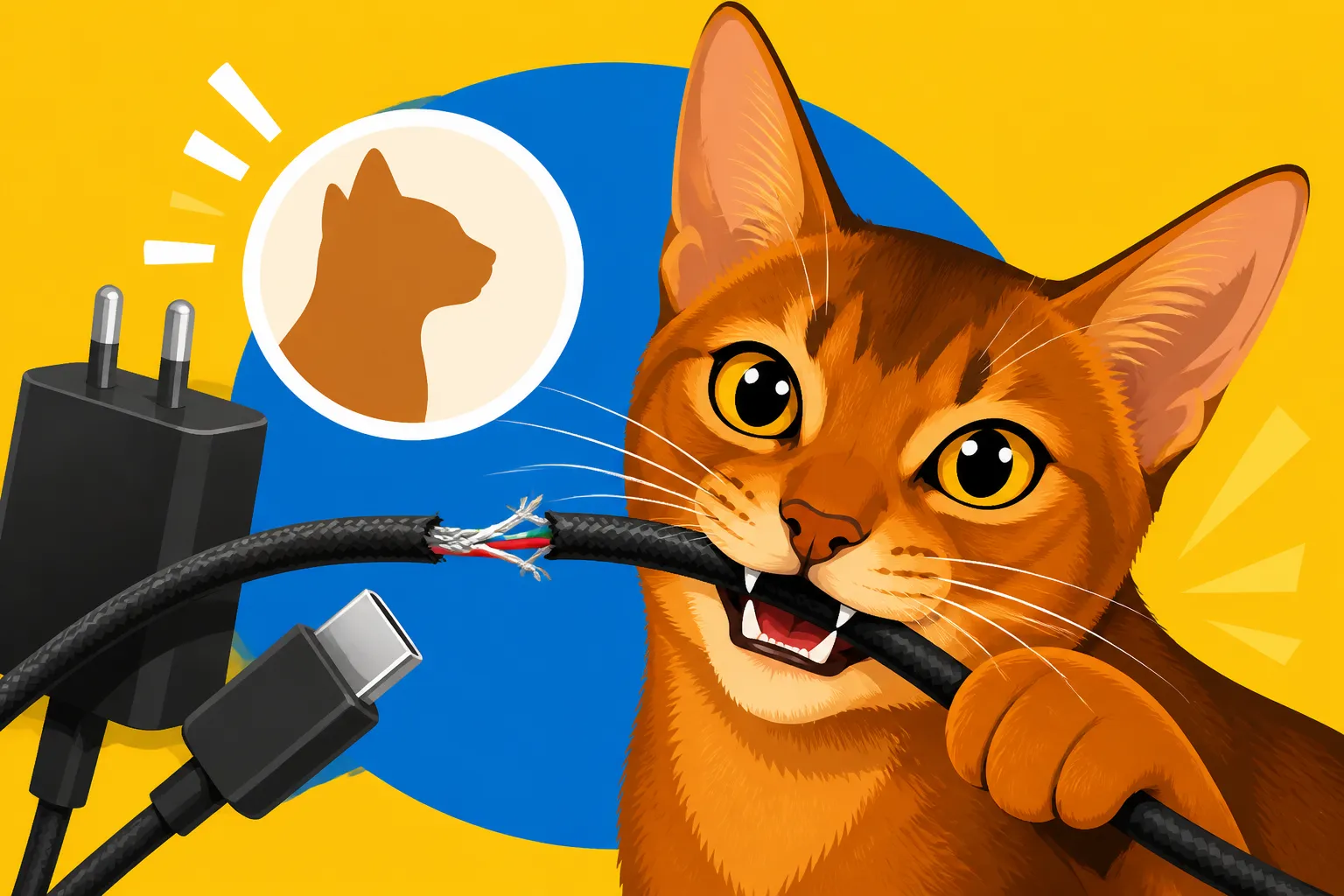
It's a familiar scene for many Abyssinian owners: you walk into a room to find your energetic cat gleefully gnawing on a charging cord or an entertainment system cable. This behavior isn't just annoying; it's genuinely dangerous for your beloved feline friend and potentially costly for your electronics. Understanding why your Abyssinian chews cables is the first step toward safeguarding both your home and your curious companion, transforming a potential hazard into a manageable habit.
The Curious Case of Cable Chewing: Why Abyssinians Do It
If you've ever wondered why your elegant Abyssinian, with all its beautiful toys and comfy beds, decides a lowly cable is the most fascinating thing to chew on, you're not alone. This isn't usually malicious intent; it's often a complex mix of their natural instincts, high intelligence, and sometimes, a cry for more engagement. Understanding the root cause is paramount to finding a lasting solution.
Natural Instincts and High Energy
Abyssinians are incredibly active and intelligent cats, famed for their boundless energy and insatiable curiosity. They're not nicknamed "Abeys" for nothing – they're always doing something! Chewing is a deeply ingrained feline behavior, part of how they explore their world, engage in play, and even maintain their oral health in the wild. For an Abyssinian, anything resembling a string, a wiggling worm, or a springy branch is fair game. They haven't read the manual about which string is safe and which carries a current.
Their keen predatory drive means that a dangling or slightly vibrating cable can perfectly mimic prey, inviting a playful attack. This isn't naughtiness on their part; it's instinct in overdrive. Their senses are sharp, and the unique texture of a rubbery or plastic cable can be incredibly appealing, providing a satisfying mouthfeel that meets an innate urge to chew and investigate. It's a way for them to interact with their environment, much like a kitten exploring with its mouth. Consider How Many Hours a Day an Abyssinian Stays Active and you'll quickly realize that they need constant outlets for this inherent drive.
Boredom and a Lack of Mental Stimulation
An Abyssinian that's bored is, frankly, a recipe for chaos. These cats need constant mental and physical enrichment to truly thrive. They're thinkers and doers, always looking for their next adventure or problem to solve. If they don't have enough appropriate outlets for their significant energy and sharp intelligence, they will absolutely invent their own entertainment. And often, that creative enterprise involves things you'd rather they didn't touch, like your charging cables or appliance cords.
A home without enough stimulating toys, climbing structures, or interactive play can quickly lead to an Abyssinian becoming destructive. They're not just pacing; they're actively searching for a "job." Chewing on a cable provides sensory feedback, a perceived challenge, and a way to burn off restless energy. It can be a self-soothing mechanism, a form of self-directed play, and a not-so-subtle plea for something more interesting to occupy their brilliant minds. If you notice this behavior particularly when you're busy, distracted, or absent, it's often a clear signal that their environment isn't providing the level of engagement an Abyssinian truly needs. Think about providing them with more Why an Abyssinian Needs More Vertical Furniture Than Most Cats to give them stimulating spaces to explore.
Attention-Seeking Behavior and Anxiety
Sometimes, the cable chewing might be a direct appeal for your attention. You might catch your Abyssinian gnawing on a cable specifically when you're nearby, making eye contact. This could be their way of saying, "Hey, look at me!" They've quickly learned that biting your phone charger or the lamp cord usually brings you rushing over, probably with a startled "No!" or a quick chase. But here's the kicker: for a highly social and intelligent cat like an Abyssinian, any attention, even negative attention, is often better than no attention at all. They crave interaction, and if this is the only way to get a response from you, they'll lean into it.
This behavior can also be a manifestation of underlying anxiety or stress. Cats are creatures of habit, and changes in routine, a new pet, moving to a new home, or even just feeling neglected or under-stimulated can cause stress in Abyssinians. Chewing can become a coping mechanism, a way for them to self-soothe when they feel anxious, insecure, or overwhelmed. It's akin to a person nervously biting their nails; it's a physical outlet for internal unease. If you suspect anxiety is at play, observing for other stress indicators, like increased grooming or changes in appetite, is important. Why a Stressed Abyssinian Overgrooms might provide additional clues about their emotional state. Distinguishing between playful exploration and anxiety-driven destruction is crucial, as the solutions will differ significantly.
The Hidden Dangers of a Wired World
Let's be blunt: cable chewing isn't just a minor annoyance or a quirk of the breed. It comes with very real, potentially devastating risks that every Abyssinian owner must acknowledge and address. It's not just about replacing a broken phone charger; it's about the well-being of your beloved companion and the safety of your home.
Electrical Hazards and Your Cat's Safety
This is, without a doubt, the most critical danger associated with cable chewing. Exposed wires, even those for low-voltage devices, can deliver a nasty electrical shock or severe burn to your curious Abyssinian. Chewing through the insulation of a live electrical cable can lead to electrocution, which can be instantly fatal. The thought alone is terrifying, and it's a risk no pet owner should ever take lightly.
Even if electrocution doesn't occur, an electrical burn to the mouth can cause excruciating pain, difficulty eating for days or weeks, and even long-term health complications. The immediate pain might make them drop the cable, but serious internal or external damage could already be done, affecting their tongue, gums, or even their throat. Imagine the horror and guilt of finding your vibrant, active cat suffering immensely because of something as mundane and preventable as a laptop charger. This isn't a theoretical risk; it's a very real and present danger that demands immediate and comprehensive preventative action. Ensuring that any cables within reach are either thoroughly protected or completely inaccessible is paramount to preventing a devastating accident.
Damage to Electronics and Your Wallet
Beyond the immediate and terrifying danger to your cat, cable chewing can also be incredibly expensive. Anyone who's had to replace a chewed-through laptop charger, a TV power cord, or a specialized gaming console cable knows the pain of that unexpected expense. These replacements can add up quickly, especially if it's a recurring problem. It's not just the cost of the cable itself; sometimes, the damage can extend to the electronic device if the cable shorts or causes an electrical surge, potentially frying the internal components.
Think about that expensive smart home device, your new headphones, or even a critical medical device – imagine if your Abyssinian chews through its power cord. Suddenly, a seemingly small nuisance becomes a significant financial burden. Your beloved cat, in its playful ignorance, can inflict hundreds, if not thousands, of dollars in damage over time. This makes prevention not just a critical safety measure, but also a very smart financial decision. It's a frustration that many cat owners, particularly those with highly active and curious breeds like Abyssinians, know all too well. Having to replace electronics is certainly less important than your cat's health, but it's a very real stressor that can be avoided. Even the cost of installing something like a What a Catio Costs for an Abyssinian could be wiped out by just a few instances of cable destruction.
Taming the Tangle: Effective Prevention Strategies
So, what's a proactive Abyssinian owner to do? The good news is that cable chewing is a manageable problem with a multi-pronged approach. It requires vigilance, creativity, and a deep understanding of your Abyssinian's needs.
Cable Management Solutions
The most straightforward and often most effective approach is to simply make cables inaccessible. This means literally covering them up, bundling them, or hiding them away completely. Thankfully, the market offers many excellent cable management products that can help you achieve a cat-safe home. You can find a wide range of these solutions on platforms like Amazon.
- Cable Sleeves and Wraps: These are flexible tubes, spiral wraps, or braided sleeves that encase one or multiple cables, making them much less appealing to chew and significantly harder for tiny teeth to get a grip on. They come in various materials, from fabric to heavy-duty plastic, and are great for bundling unsightly wires into a neat package.
- Cable Boxes: These clever boxes are designed to hide power strips and all the associated cords, creating a clean, organized look and, most importantly, a robust cat-proof barrier. They effectively sequester the entire "octopus" of wires.
- Conduit and Cord Protectors: For exposed runs of cable, especially along baseboards or across floors where your Abyssinian might roam, rigid plastic conduit or even split loom tubing can offer robust, impenetrable protection. These are often more permanent but provide superior security.
- Strategic Furniture Placement: Sometimes, the simplest solution is the best. Strategically placing furniture can effectively block access to wall outlets and clusters of cables. Keep your computer setups tidy and tucked behind desks or inside cabinets whenever possible.
- Zip Ties and Velcro Straps: For cables that must be somewhat exposed, bundle them tightly and securely using zip ties or reusable Velcro straps. Loose, dangling cords are an open invitation for an Abyssinian to bat, pounce, and then inevitably, chew. Bundling reduces their appeal as a toy.
- Bitter Apple Sprays: While not a standalone solution, a non-toxic bitter spray applied directly to cables can sometimes deter chewing by making them taste incredibly unpleasant. These sprays are widely available from pet stores and platforms like Amazon. Always test the spray on an inconspicuous area of the cable first to ensure it doesn't damage the material. Remember, it's a deterrent to discourage chewing, not a substitute for physical barriers.
Enriching Their Environment with Appropriate Chews and Toys
Since chewing is a natural, instinctual behavior for cats, simply punishing it without providing alternatives won't work in the long run. The key is to redirect that energy. An Abyssinian that is properly stimulated and engaged is much less likely to seek out forbidden fun.
- Interactive Toys: Abyssinians thrive on active engagement. Invest in high-quality wand toys, laser pointers (used responsibly to avoid frustration by always ending with a physical catch), and puzzle feeders. These encourage mental and physical activity. Take a look at Which Puzzle Feeders Hold an Abyssinian's Attention for some excellent ideas. It's also important to rotate toys frequently to keep things new and exciting; a cat gets bored with the same old things, just like we do.
- Dedicated Chew Toys: Believe it or not, there are cat-safe chew toys designed to satisfy that oral fixation. Look for options made from durable rubber, silicone, or tightly woven, natural fabrics. Some are even infused with catnip or have textures specifically designed to appeal to a cat's mouth. Ensure they are sturdy and don't have small parts that could be easily chewed off and swallowed.
- Vertical Space: Provide plenty of climbing opportunities. Cat trees, sturdy wall-mounted shelves, and cat tunnels give an Abyssinian ample space to expend energy, practice their agility, and survey their domain from a safe, elevated perch. How Many Vertical Levels an Abyssinian Needs perfectly illustrates just how crucial verticality is for this breed. Addressing boredom through physical and mental exertion is a cornerstone of preventing destructive behaviors; a physically and mentally tired Abyssinian is a happier, less destructive one.
- Foraging Opportunities: Engage their natural hunting instincts by hiding treats or small amounts of kibble around the house, using puzzle balls, or creating simple cardboard games. This gives them a "job" to do and stimulates their problem-solving skills. Why Foraging Suits an Abyssinian's Mind delves into the benefits of this rewarding activity.
Redirection and Training
When you catch your Abyssinian chewing a cable, your reaction matters. Instead of simply yelling or chasing, aim to interrupt and redirect their behavior.
- Immediate Interruption: A firm "No!" or a startling but non-punitive noise (like clapping your hands, or using an air horn specifically designed for pet training) can effectively interrupt the behavior. The moment they stop, immediately offer an acceptable toy.
- Positive Reinforcement: When they engage with the appropriate toys or demonstrate desired behavior, praise them enthusiastically and offer a high-value treat. This helps them associate good behavior with positive outcomes and teaches them what is allowed. Abyssinians are highly intelligent and respond remarkably well to positive reinforcement and even clicker training. For guidance, consider How Long It Takes to Clicker Train an Abyssinian.
- Consistency is Key: Everyone in the household needs to be consistent with interruption, redirection, and positive reinforcement. Inconsistency will only confuse your cat and prolong the learning process. It truly is a marathon, not a sprint, when it comes to behavior modification.
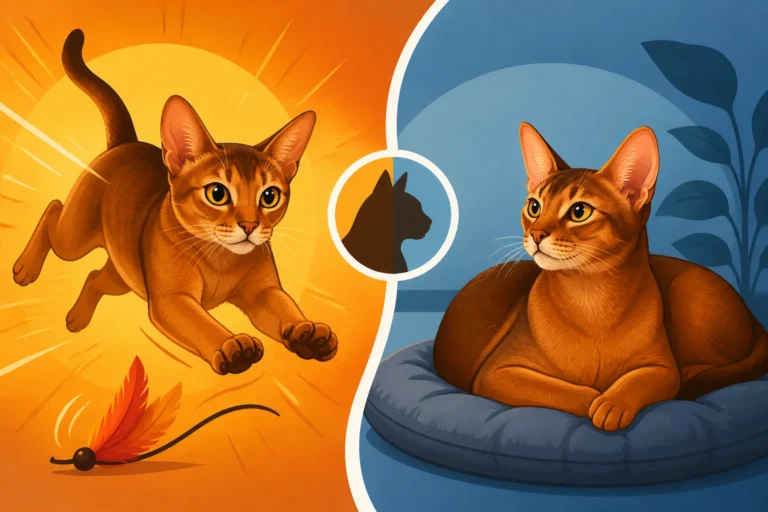
- Interactive Play Sessions: Dedicate specific, scheduled times each day for intense, focused play sessions using wand toys or other interactive toys. These sessions help drain their abundant energy and strengthen the bond between you. Aim for several short, high-energy bursts of play rather than one long one, as Abyssinians often lose interest in a single toy relatively quickly. How to Split an Abyssinian's Play Into Sessions offers practical advice on structuring these sessions for maximum impact.
Addressing Underlying Behavioral Issues
If the chewing is persistent, excessive, or accompanied by other concerning behaviors, it's possible that deeper issues are at play than just boredom or instinct.
- Stress and Anxiety: As we touched on earlier, chronic stress or anxiety can manifest as destructive chewing. Take an inventory of potential stressors in your Abyssinian's life: a new pet or family member, a recent move, significant changes in your household routine, or even just feeling lonely or neglected. Why an Abyssinian Should Not Be Left Alone All Day is a crucial read if your work schedule keeps you away for long periods. Consider environmental adjustments, calming diffusers, or a predictable daily routine to help alleviate their anxiety.
- Separation Anxiety: If the cable chewing primarily occurs when you're away from home, your Abyssinian might be experiencing separation anxiety. This can be a complex behavioral issue to manage and often requires a more structured approach, potentially including professional guidance.
- Professional Help: For persistent, severe, or escalating cases of cable chewing, especially if you're struggling to identify the cause or implement effective solutions, do not hesitate to consult a certified feline behaviorist or your veterinarian. They can help identify the true root cause, rule out any medical conditions, and develop a tailored behavior modification plan specific to your cat's needs. Sometimes, a cat's destructive behavior is a symptom of something deeper that requires expert assessment.
When to Call the Vet: Health Concerns
While many cases of cable chewing are behavioral, it's vital to recognize that sometimes chewing can be a sign of a physical problem, or, more commonly, it can cause one. Knowing when to seek professional veterinary advice is critical for your Abyssinian's health.
Signs of Injury from Chewing
If your Abyssinian has been chewing cables, even if you didn't directly witness an electrical shock or ingestion, it's imperative to monitor them closely for any signs of injury.
- Oral Injuries: The most immediate and common signs of injury are often centered around the mouth. Look for any visible burns on their lips, gums, or tongue, which might appear red, swollen, or even ulcerated. Excessive drooling, reluctance to eat their regular food, pawing at their face or mouth, or a noticeable change in their breath (a burnt smell) are all red flags indicating a potential electrical burn or other oral trauma.
- Behavioral Changes: Any sudden shift in your Abyssinian's typically vibrant demeanor should prompt concern. Look for lethargy, unusual hiding, a decrease in their usual playful energy, or a significant change in appetite or water intake. These subtle cues could indicate internal discomfort, pain, or a systemic reaction to an injury. Why a Suddenly Still Abyssinian Needs a Vet emphasizes how important it is to recognize when this normally active breed goes quiet.
- Respiratory Issues: In severe cases of electrical shock, the resulting burns or swelling in the mouth and throat can extend to the airways, leading to difficulty breathing, coughing, or gasping. This is a life-threatening emergency.
- Gastrointestinal Distress: If your Abyssinian has ingested small pieces of plastic or rubber from chewed cables, it can cause gastrointestinal upset, vomiting, diarrhea, loss of appetite, or even a dangerous intestinal blockage. The materials used in cables can also sometimes be toxic, leading to poisoning.
If you notice any of these symptoms, even if they seem minor, do not delay. Seek immediate veterinary attention. Time is often of the essence in these situations.
Ruling Out Other Medical Reasons
While cable chewing is predominantly a behavioral issue linked to an Abyssinian's personality and needs, sometimes a medical issue can be a contributing factor or even mimic the behavior.
- Dental Pain: Just like humans, cats can experience dental pain. If your Abyssinian has a sore tooth, advanced gingivitis, a dental abscess, or another oral health problem, they might chew on things excessively to try and relieve the discomfort or to simply "test" their painful mouth. This is particularly relevant for Abyssinians, who are unfortunately prone to certain oral issues such as Why an Abyssinian's Gums Overgrow Its Teeth. Your vet can perform a thorough oral examination to check for any underlying dental problems that might be driving the chewing behavior.
- Nutritional Deficiencies or Pica: Though less common in cats fed a high-quality, balanced commercial diet, some nutritional deficiencies could theoretically lead to pica – the compulsive chewing and eating of non-food items. If you're concerned about your cat's diet, your vet can help assess their overall health and dietary needs.
- Other Underlying Illnesses: Sometimes, a general feeling of malaise, discomfort, or an undiagnosed underlying illness can lead to unusual or compulsive behaviors in cats. A vet can perform a comprehensive physical examination and, if necessary, recommend diagnostic tests (like bloodwork) to ensure there's no hidden health issue contributing to the cable chewing. Your veterinarian is always your first point of contact when a new or concerning behavior emerges, especially if it seems out of character for your usually playful Abyssinian. They can help rule out medical causes before you delve deeper into behavioral solutions.
| Cable Management Solution | Best For | Pros | Cons |
|---|---|---|---|
| Cable Sleeves/Wraps | Individual cords or small bundles | Flexible, easy to install, come in various materials and colors | Determined chewers might still get through some materials |
| Cable Boxes | Power strips, multiple cords, charging stations | Hides everything neatly, very effective at restricting access | May not fit oversized adapters or power bricks |
| Rigid Conduit/Cord Protectors | Long runs along baseboards, permanent setups | Very durable, provides strong physical barrier against chewing | Less aesthetic, often requires more permanent installation |
| Bitter Apple Spray | Exposed, hard-to-cover cables | Quick, immediate deterrent based on taste, non-toxic | Taste fades over time, some cats ignore it, needs reapplication |
| Zip Ties/Velcro Straps | Tidying loose cables, reducing dangling bits | Inexpensive, simple to use, reduces "plaything" appeal of cords | Offers no chew protection, merely bundles and secures |
The problem of an Abyssinian chewing cables isn't usually due to malice; it's a complex blend of their intense natural curiosity, high energy, and intelligence. By understanding these root causes and implementing a multi-pronged approach that includes rigorous cable management, ample environmental enrichment, consistent training, and swift veterinary attention when needed, you can protect both your lively companion and your valuable electronics. A safe home is a happy home for an Abyssinian, where their boundless energy is channeled into appropriate play rather than destructive habits.
Disclaimer
This article is for general informational purposes only and does not constitute professional advice. Laws, prices and regulations vary by location and change over time. Consult a qualified professional for guidance on your specific situation.