How to Cable Manage a Room for an Abyssinian
Anyone who shares their home with an Abyssinian knows their insatiable curiosity and boundless energy can lead them into all sorts of mischief, and exposed electrical cables are a particularly dangerous temptation. Not only do chewed wires pose a serious fire hazard and risk of electrocution for your beloved cat, but they can also destroy expensive electronics. This guide will walk you through practical, real-world strategies to safely and effectively cable manage a room, transforming potential hazards into a secure haven for your inquisitive Abyssinian.
Understanding the Abyssinian's Fascination with Cables
It's not personal, it's just Abyssinian. These cats are incredibly intelligent, active, and endlessly curious creatures. They aren't trying to destroy your property out of spite; they're exploring their world, and unfortunately, a dangling, wiggling, or even just textured cable presents an irresistible challenge. Understanding why they go after cables is the first step in effectively managing the problem.
Why Abyssinians Are Drawn to Wires and Cords
Think of a cable from an Abyssinian's perspective. It might look like a snake, a potential toy, or something intriguing to investigate with their mouths. Their strong hunting instincts mean anything that moves or dangles can trigger a pounce. The texture of many cables, especially those made of rubber or plastic, can feel satisfying to chew, particularly for younger cats who might still be exploring their environment orally, much like a human toddler. We talk about Why an Abyssinian Chews Cables in more detail elsewhere, but the root cause is often their innate drive to interact with their surroundings. They're not content to just observe; they want to engage, and that often means a good chew.
The Real Dangers of Chewed Cables
This isn't just about a broken phone charger. The dangers posed by chewed electrical cables are significant and far-reaching. The most immediate concern is the risk of electrocution to your Abyssinian. A cat biting through a live wire can suffer severe burns, internal injuries, or even death. Beyond that, exposed wires can easily spark, leading to house fires. This isn't an abstract threat; it's a very real possibility that every Abyssinian owner should take seriously. Damaged cables also mean damaged electronics, leaving you with costly repairs or replacements, but that pales in comparison to the safety of your cat and your home.
Connecting Cable Chewing to Abyssinian Behavior
An Abyssinian is one of the busiest cats you'll ever meet, always on the go, always looking for something to do. What an Abyssinian Does When It Is Bored often involves finding their own entertainment, and if that entertainment isn't provided for them, they'll create it. This can manifest as exploring forbidden surfaces, opening cabinets, or yes, investigating cables. Their intelligence means they learn quickly how to manipulate their environment. If they can figure out How an Abyssinian Learns to Open a Cupboard, they can certainly figure out how to get to that tempting cord behind the TV. Addressing cable management is really part of a larger strategy to provide adequate enrichment for these energetic cats, ensuring their natural curiosity is directed towards safe outlets.
Essential Strategies for Cable Management
Taming the cable monster in your home requires a multi-pronged approach, combining physical barriers with deterrents and smart setup techniques. You want to make cables inaccessible, unattractive, and, where possible, completely out of sight.
Physical Barriers: Conduit, Sleeves, and Boxes
The most effective way to prevent chewing is to create a physical barrier between your Abyssinian and the cables.
- Cable Sleeves and Wraps: These are flexible tubes, often made of durable plastic or fabric, that you can bundle multiple cables into. They not only protect the wires but also create a neater, less tempting "rope" for your cat to interact with. Look for braided sleeves or spiral wraps that are difficult for cats to get their teeth around. They come in various diameters to accommodate different numbers of cables.
- Cable Conduits: For more permanent solutions, especially for cables running along baseboards or walls, rigid or flexible conduits offer superior protection. These are often used in commercial settings but are readily available for home use. They can be painted to match your decor, making them less noticeable. Plastic trunking with a peel-and-stick backing is particularly convenient.
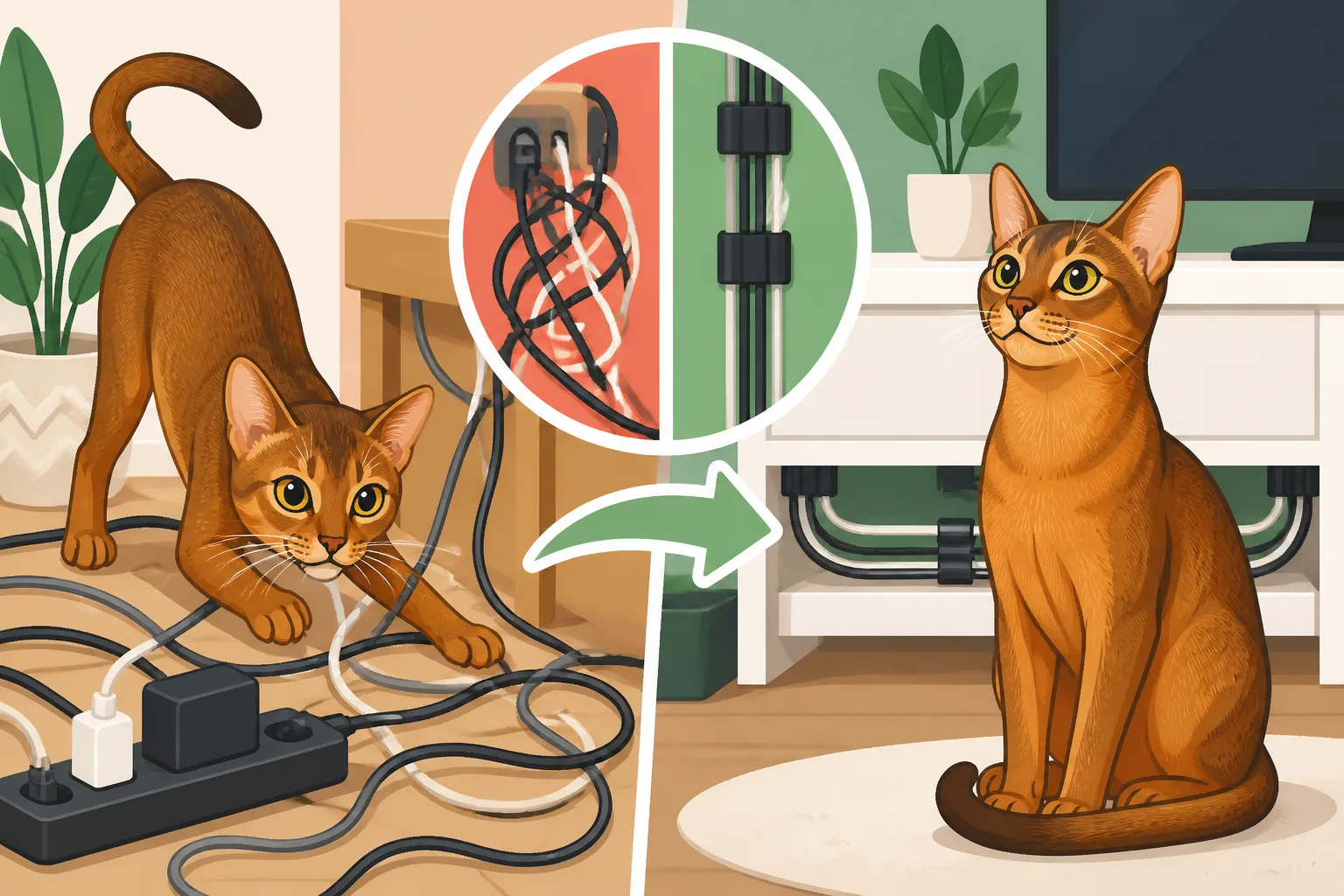
- Cable Management Boxes: These are a godsend for tangled nests of power strips and adapters. You simply tuck your power strip and all its connected cables inside, threading only the necessary cords out through small openings. This completely hides the tempting mess and makes it impossible for your Abyssinian to get at the actual power outlets or the bulk of the wires. You can find many options for these on Amazon, often in different colors and sizes to blend into your home.
- Furniture Placement: Sometimes the simplest solution is the best. Position furniture strategically to block access to wall outlets and cable runs. A heavy bookshelf or a sturdy cabinet can act as a natural barrier, keeping curious paws and teeth away from danger. This is especially useful for areas where a power strip might be close to the floor.
Deterrents: Taste and Texture
While physical barriers are primary, adding deterrents can provide an extra layer of protection, particularly for cables that are difficult to fully enclose.
- Bitter Apple Sprays: These sprays contain a non-toxic but extremely unpleasant taste that discourages chewing. You spray them directly onto the cables. The key is consistency; reapply regularly, especially if your Abyssinian is a determined chewer. Brands like Fooey or Grannick's Bitter Apple are well-known for this purpose and can be found at most pet stores or online retailers like Amazon. Remember, these are a deterrent, not a foolproof solution, as some cats are more sensitive to the taste than others.
- Double-Sided Sticky Tape: Cats generally dislike sticky textures on their paws. Applying double-sided tape along cable runs or on surfaces where cables rest can make them less appealing to approach. This works particularly well for areas where cats might sit and idly bat at cords.
- Aluminum Foil: Similar to sticky tape, many cats dislike the crinkly sound and unusual texture of aluminum foil. Wrapping vulnerable sections of cable in foil can deter them. It's not the prettiest solution, but it can be effective in a pinch or for temporary setups.
Elevating and Securing Cables
Get those cables off the floor and out of reach! Abyssinians are incredible climbers, so "out of reach" for them might be higher than you think. An Abyssinian Needs Height More Than It Needs Floor, and they will often seek out the highest points in a room. Use this to your advantage.
- Wall Clips and Ties: Secure cables directly to walls or furniture using adhesive clips or cable ties. This prevents dangling cords, which are irresistible to a playful Abyssinian. Ensure they are secured tightly enough that your cat can't pull them free.
- Behind Furniture: Run cables behind heavy furniture whenever possible. This hides them from view and makes them less accessible. Just make sure there's enough space for air circulation and that the cables aren't being pinched or damaged by the furniture itself.
- Ceiling Hooks: For overhead lighting or projectors, consider running cables along the ceiling using discreet hooks. This completely removes them from your cat's access range.
- Cable Management Trays: These trays attach underneath desks or shelves, providing a neat trough to hold power strips and excess cable slack. They keep everything tidy and, more importantly, out of sight and out of mind for your Abyssinian.
Power Strip and Outlet Management
Power strips are often a hub of tempting wires and outlets. Proper management here is critical.
- Smart Power Strips: Consider power strips that allow you to cover unused outlets. This prevents your Abyssinian from poking a paw into a live socket.
- Child-Proof Outlet Covers: Even if you use power strips, wall outlets can still be a danger. Invest in child-proof covers for all unused outlets. They're cheap, easy to install, and provide invaluable peace of mind.
- Unplug Unused Devices: When not in use, unplug devices. Not only does this save energy, but it also reduces the number of "live" cables in your home, lessening the potential hazard. This is particularly important for small appliances or chargers that are only used intermittently.
Step-by-Step Room Assessment and Implementation
Transforming your living space into an Abyssinian-safe zone doesn't have to be overwhelming. By breaking it down into manageable steps, you can systematically tackle every room.
Conducting a Cable Hazard Audit
Grab a notepad and do a walk-through of each room in your house, specifically looking for exposed cables.
- Start at the Walls: Look at every wall outlet. Are there cables dangling? Are they accessible from the floor or from a climbing perch?
- Inspect Entertainment Centers: This is often the biggest culprit. TVs, gaming consoles, sound systems, and streaming devices create a spaghetti junction of wires. Check behind and underneath units.
- Review Home Offices: Computers, monitors, printers, chargers – office setups are prime targets. Pay attention to desktop cables that hang down or are easily batted.
- Examine Kitchen Appliances: Toasters, blenders, coffee makers – their cords can be tempting.
- Look from Your Abyssinian's Perspective: Get down on your hands and knees. What do they see? Where might they jump or climb to reach a cord? Don't forget their incredible jumping ability; How Far an Abyssinian Can Jump might surprise you. This perspective is crucial for identifying hidden dangers.
Gathering Your Cable Management Arsenal
Once you know what you're up against, it's time to gather your supplies. A quick search on Amazon or a trip to your local hardware store will yield everything you need.
| Item Type | Purpose | Key Features to Look For |
|---|---|---|
| Cable Sleeves/Wraps | Bundling and protecting multiple cables | Durable material (braided nylon, flexible plastic), good diameter range |
| Cable Conduits/Trunking | Covering long runs of cables along walls/floors | Paintable, adhesive backing, easy to open/close for access |
| Cable Management Boxes | Hiding power strips and excess cords | Ventilated, sturdy plastic, different sizes, cat-proof openings |
| Adhesive Cable Clips | Securing single cables to walls or furniture | Strong adhesive, appropriate size for cables, discreet color |
| Zip Ties/Velcro Ties | Bundling cables together | Reusable Velcro ties are great for flexibility, various lengths |
| Bitter Deterrent Spray | Making cables taste unpleasant | Non-toxic, long-lasting formula, check reviews for effectiveness |
| Double-Sided Tape | Creating an undesirable sticky surface | Strong adhesive, safe for surfaces, easily removable |
| Child-Proof Outlet Covers | Blocking unused electrical outlets | Snug fit, difficult for cats (and kids) to remove |
| Command Hooks/Clips | Elevating lighter cables temporarily | Damage-free removal, weight capacity appropriate for cables |
Don't be afraid to buy a variety of items. What works for one area might not work for another. Remember, you're not just tidying; you're creating a safer home.
Implementing Your Cable Management Plan
Now for the hands-on part. Work systematically through your audited areas.
- Unplug Everything: Before you start handling any cables, unplug devices from the wall. Safety first!
- Detangle and Organize: Untangle any existing knots of wires. Group cables by device or destination. For example, all cables for the TV should be bundled together, separate from the sound system cables.
- Apply Sleeves or Conduit: For groups of cables, slide them into cable sleeves or install conduits along baseboards. Ensure the sleeves are snug and cover the entire exposed length. If using conduits, cut them to size and firmly attach them.
- Secure Individual Cables: Use adhesive clips or zip ties to secure single, stray cables to furniture legs, walls, or the underside of desks. Make sure there's no slack for your Abyssinian to grab onto.
- Utilize Cable Management Boxes: Place power strips and their associated adapters inside the boxes. Thread only the necessary amount of cable out through the designated openings.
- Elevate When Possible: For desk setups, use cable trays or run wires up the back of the desk and secure them at a height where your Abyssinian can't reach them, even when jumping. Consider Why an Abyssinian Needs Fewer Calories After Twelve if you have an older cat, as they might not jump as high, but don't assume they can't still get into trouble.
- Apply Deterrents: Once cables are secured, spray deterrents on any remaining exposed sections or areas that are tricky to fully enclose. Place double-sided tape or foil in strategic spots if needed.
- Plug Back In and Test: Once everything is secured and tidied, carefully plug devices back in and ensure everything is working. Double-check that no cables are pinched or strained.
Maintaining a Cable-Safe Environment for Your Abyssinian
Cable management isn't a one-and-done job, especially with an active Abyssinian in the house. It's an ongoing process of vigilance and reinforcement.
Regular Checks and Adjustments
Even the most meticulously managed cables can become loose or exposed over time.
- Weekly Walk-Throughs: Make it a habit to do a quick walk-through of your home at least once a week. Look for any loose clips, chewed sections of conduit (which signals an issue with the barrier itself), or new cables that have appeared (like phone chargers or appliance cords).
- After New Purchases: Whenever you bring a new electronic device into the home, immediately assess its cabling needs. Don't wait for your Abyssinian to find the new, enticing cord. Integrate it into your existing cable management system right away.
- Observe Your Cat: Pay attention to where your Abyssinian spends its time. Are they trying to get behind the TV again? Are they batting at a particular lamp cord? Their behavior will tell you where your defenses might be weakest. What a Quiet Abyssinian Is Telling You can sometimes be that they're up to no good in a previously undisturbed area!
Reinforcing Good Behavior (and Discouraging Bad)
You can't reason with an Abyssinian about electrical safety, but you can certainly shape their behavior.
- Redirection, Not Punishment: If you catch your Abyssinian investigating a cable, redirect their attention immediately to an appropriate toy or activity. A laser pointer, a wand toy, or even a crinkle ball can shift their focus. Never use physical punishment or harsh yelling, as this can create fear and stress, which might even worsen destructive behaviors.
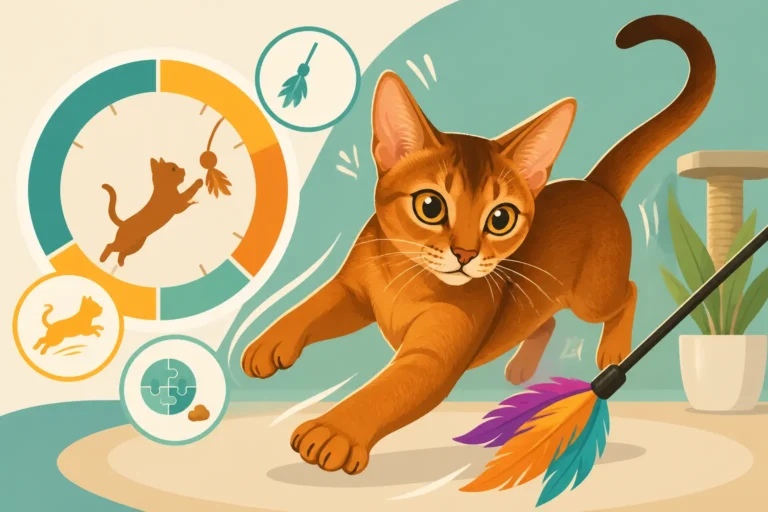
- Provide Ample Enrichment: Boredom is a huge driver of destructive behavior in Abyssinians. Ensure your cat has plenty of engaging toys, puzzle feeders, and climbing opportunities. How Much Play an Abyssinian Needs Each Day is significant – usually multiple sessions. The more appropriate outlets they have for their energy and intelligence, the less likely they are to seek out dangerous alternatives like cables. Rotate toys regularly to keep things fresh, as Why an Abyssinian Loses Interest in a Toy Fast is a common trait.
- Dedicated Scratching Surfaces: Make sure your Abyssinian has multiple, appealing scratching posts and surfaces. Sometimes, cable chewing can be a form of texture exploration related to their need to scratch and condition their claws. Providing a variety of scratching options can help.
- Safe Chewing Alternatives: Believe it or not, some cats enjoy chewing. Offer safe cat chew toys, such as those made from durable rubber or specially designed catnip-infused fabric, to satisfy this instinct in a healthy way.
By staying proactive and consistent with your cable management efforts, you create a home that is both safe and stimulating for your amazing Abyssinian. It's an investment in their health, your peace of mind, and the longevity of your electronics.
Disclaimer
This article is for general informational purposes only and does not constitute professional advice. Laws, prices and regulations vary by location and change over time. Consult a qualified professional for guidance on your specific situation.