Where an Abyssinian Hides What It Takes
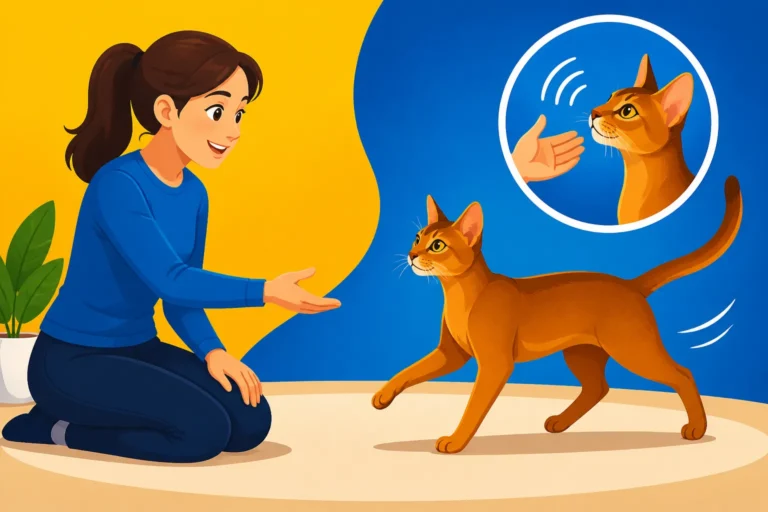
Oh, the sheer frustration of searching for that missing hair tie, your favorite pen, or even a small earring, only to discover it's been "collected" by your mischievous Abyssinian! If you're wondering where your energetic, intelligent companion stashes their ill-gotten gains, you're not alone. This guide will dive deep into the fascinating (and sometimes maddening) world of Abyssinian thievery, helping you understand their motives and, more importantly, track down your lost treasures.
The Abyssinian's "Collection" Instinct: Why They Hide Things
Abyssinians are not just beautiful, sleek cats; they are bundles of boundless energy and incredible intelligence. This combination means they're constantly seeking engagement and new experiences. When they "take" items, it's rarely out of malice. Instead, it's often a manifestation of their innate instincts, a playful bid for attention, or simply a way to alleviate boredom. Understanding these motivations is the first step in unraveling their secret stash spots.
The Hunter-Gatherer Mentality
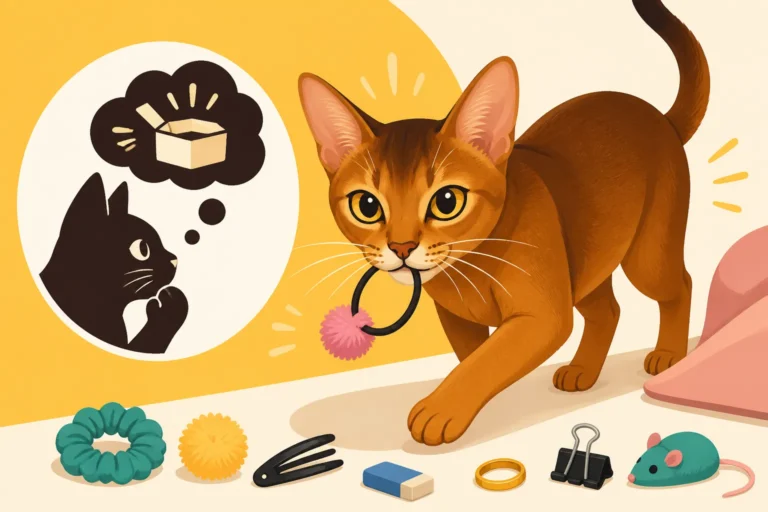
Even though our modern Abyssinians live pampered lives indoors, they carry the genetic blueprint of their wild ancestors. These are cats designed to hunt, explore, and "gather" resources. To an Abyssinian, a small, shiny object or a squishy hair tie might not be a human belonging; it's a fascinating "prey" item to be captured and taken to a safe den. This instinct to hoard or cache items is deeply ingrained. They're not just stealing; they're fulfilling a primal urge to secure their "kills" or interesting finds, much like a wild cat might carry a rodent back to its kittens or a fox might bury extra food. They're engaging in a natural behavior, just in a domestic setting, which sometimes involves your car keys.
Boredom and Mental Stimulation
An Abyssinian that's bored is an Abyssinian looking for trouble. These cats have active minds that need constant stimulation. If they're not provided with enough toys, interactive play, or environmental enrichment, they will create their own entertainment, and often, that involves your personal belongings. A quiet house with little to do can quickly turn your sweet-natured companion into a tiny, furry kleptomaniac. They might discover that batting a pen across the floor, or carrying a sock into another room, generates an exciting chase or interaction with you. They learn quickly that certain actions get a reaction, and for a cat craving attention or stimulation, any reaction is a good reaction. If you're finding more and more "missing" items, it might be a subtle cry for more engagement. Take a moment to consider What an Abyssinian Does When It Is Bored and how you might introduce new activities or toys into their routine.
Attention Seeking and Play
Sometimes, it's really that simple: they just want your attention. Abyssinians are incredibly social cats who thrive on interaction with their human companions. If you're busy with work, chores, or simply aren't engaging with them enough, they might resort to "stealing" an item right in front of you. They know that snatching your glasses off the table will instantly get you to stop what you're doing and focus on them, even if it's to chase them down. It becomes a game, a playful interaction that reinforces the behavior. This isn't them being naughty; it's them communicating their needs. It's a testament to their intelligence that they can formulate such a clear, albeit annoying, strategy to get you to play with them. They thrive on the chase, the interaction, and the knowledge that they've successfully engaged you in their world.
Common Abyssinian Hiding Spots: Where to Start Your Search
So, your favorite lipstick has vanished, or your hair tie collection has mysteriously dwindled. Where do you begin your search? Abyssinians are creatures of habit and often have preferred types of locations for stashing their treasures. Knowing their typical spots can save you a lot of frantic searching. Think like an Abyssinian: where would you hide your prized "kill" if you wanted it safe and perhaps, just a little bit secret?
Elevated Perches and Vertical Spaces
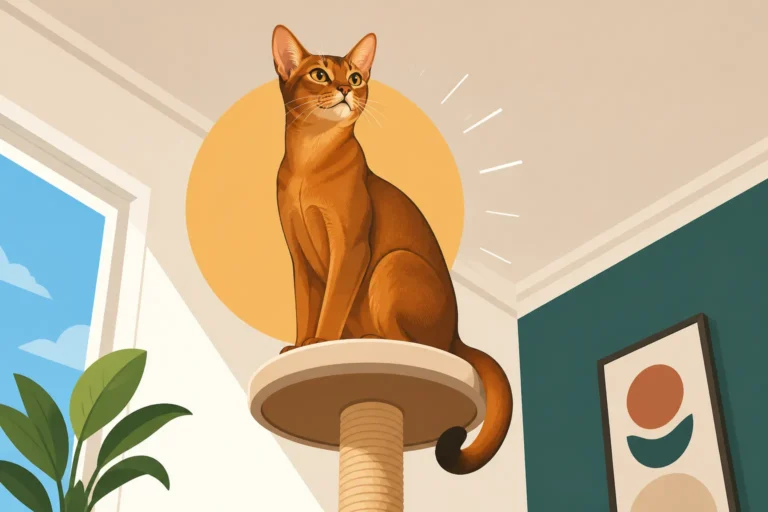
Abyssinians are climbers, pure and simple. They operate on the principle that higher is always better, whether for observation, napping, or stashing their loot. Your Abyssinian views the world in three dimensions, and that means every shelf, every cabinet top, and every nook above eye-level is a potential hideaway. They love to survey their domain from on high, and their "collection" often ends up sharing these prime vantage points. This instinct to climb and occupy high spaces is fundamental to their nature; after all, An Abyssinian Needs Height More Than It Needs Floor. So, when something goes missing, always look up. Check the top of bookshelves, the fridge, kitchen cabinets they've somehow managed to pry open, or even atop door frames. If there's a precarious stack of papers or a rarely used ornament, chances are your Abyssinian has considered it a perfect addition to their personal vault.
Cozy, Enclosed Nooks
Beyond the heights, Abyssinians also appreciate a good, snug hideaway. These are the places that feel safe, secure, and offer a sense of privacy. Think about any confined space where a cat might feel protected from "predators" (even if that predator is just you, trying to reclaim your earbuds). This could be inside a drawer they've nudged open, tucked deep within a laundry basket, under a pile of clothes in your closet, or even inside your gym bag. They often prefer spots that smell of you, providing comfort and familiarity. Don't underestimate their ability to squeeze into seemingly impossible spaces, either. The back of a wardrobe, a gap beside the washing machine, or even an empty shoebox can become a temporary den for their treasures.
Under Furniture and Appliances
Finally, there are the classic cat hiding spots – the low-down, out-of-sight areas. Abyssinians are agile and can easily slink under sofas, beds, and even certain appliances. These spaces offer a quick escape route and a convenient place to bat around a newly acquired "toy" without immediate human interference. Small, flat objects like coins, bottle caps, or even small toys they've grown tired of might accumulate under these low-lying pieces of furniture. It's not uncommon to pull out a sofa for cleaning and discover a veritable treasure trove of forgotten items. Behind the washing machine, tucked under the stove, or even within the base of your bed are all prime candidates for a secret stash. If it's small enough to bat under, it's a potential hiding spot.
Here’s a quick guide to some common items and where your Abyssinian might decide to keep them:
| Stolen Item | Likely Hiding Spots (Abyssinian Edition) |
|---|---|
| Hair Ties, Bobby Pins | Under the sofa, inside shoes, cat tree cubbies, dresser drawers, behind the toilet. |
| Pens, Pencils, Markers | Under the bed, on top of bookshelves, inside open bags, in a plant pot, behind curtains. |
| Small Toys (human) | Favorite sleeping spots, inside their own toy basket (if they have one), under rugs, behind appliances. |
| Earrings, Rings, Jewelry | Very secluded, dark spots: deep in closet corners, under large furniture, inside laundry hampers, window sills. |
| Keys, Wallets, Phones | Anywhere you last saw them place it (often a high shelf or a cat tree), inside a deep laundry basket. |
| Socks, Small Clothing | Beds, closets, under blankets, inside another piece of clothing, behind the fridge. |
| Crumpled Paper, Receipts | Under furniture, in litter box (rarely, but possible), cat tree, scratched out of a wastebasket. |
Strategies for Recovering Your Stolen Treasures
So, you've narrowed down the potential hiding zones based on your understanding of their cunning little minds. Now, how do you actually get your stuff back without turning your home upside down or stressing out your beloved feline? It's a delicate dance, but with a bit of patience and observation, you can often reclaim your belongings.
Observe and Learn Their Habits
Your Abyssinian is a creature of habit, even in its thieving ways. The best way to find out where they hide things is to catch them in the act or, at least, observe their patterns. Pay attention to which items they seem most interested in. Is it always your hair ties? Or shiny bottle caps? Do they consistently "steal" from the same room? When they make off with an item, don't immediately chase them. Instead, try to follow them discreetly. Where do they go? Do they head straight for the top of the wardrobe? Or do they disappear under the bed? You might be surprised to find that they have a "main stash" or a few preferred locations. Over time, you'll start to build a mental map of their secret hoards. This detective work is key; it’s about understanding their individual quirks, because every Abyssinian has their own unique style of mischief. This also ties into Why an Abyssinian Steals Small Objects in the first place—the act itself is part of the fun.
Entice Them Out
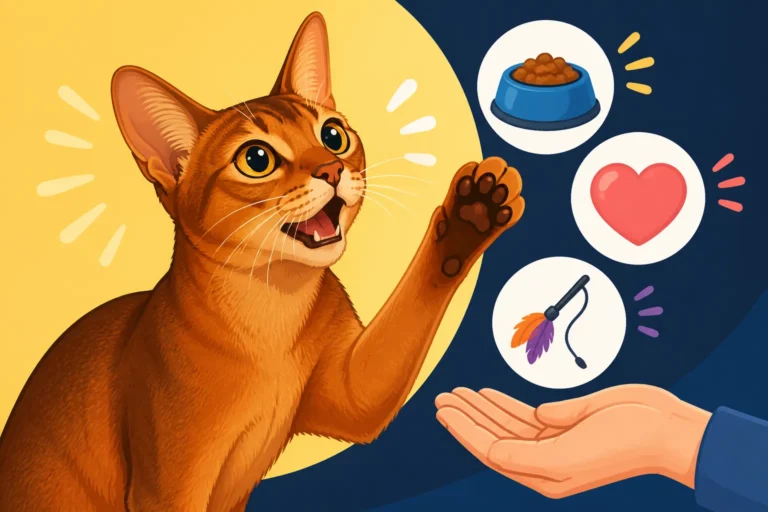
Once you've identified a likely hiding spot, the next challenge is getting your Abyssinian to reveal their secrets, or at least leave the area so you can search. Directly confronting them can sometimes backfire, making them defensive or more intent on guarding their treasure. A better approach is often distraction and enticement. Bring out their favorite wand toy, a laser pointer, or a puzzle feeder filled with a high-value treat. Engage them in an exciting play session far away from the suspected hiding spot. While they're fully absorbed in the game, you can quietly investigate. If they're particularly attached to an item, you might even be able to "trade" them for it. Offer a new, exciting toy in exchange for your missing item. Sometimes, the novelty of a fresh distraction is enough to make them forget their previous conquest. Think about what truly motivates your particular cat, whether it's food, specific toys, or a vigorous play session.
Secure Valuables
While observation and recovery are important, the best strategy is often prevention. Abyssinians are intelligent and persistent, so simply telling them "no" won't cut it. You need to "cat-proof" your home, much like you would for a toddler. Small, easily swallowed items like hair ties, rubber bands, and medication should be kept in secure drawers or containers. If you rely on a specific item daily, like your reading glasses or phone, make sure you have a designated, cat-proof spot for it. Consider using childproof latches on cabinets that hold tempting items, or invest in storage boxes with secure lids. Why Medication Must Be Locked Away From an Abyssinian is a serious concern, as many common human medications can be toxic. Even common household objects can pose a choking hazard. You can find a range of effective child safety locks and secure storage solutions on platforms like Amazon that can help keep your cat (and your belongings) safe. This isn't about punishing your Abyssinian; it's about setting them up for success and minimizing opportunities for unwanted behavior.
Preventing the Pilfering: Managing an Abyssinian's Instincts
The goal isn't just to retrieve your lost socks, but to create an environment where your Abyssinian feels fulfilled and less compelled to "steal" in the first place. These cats are incredibly intelligent and energetic, and if those needs aren't met, they'll find their own (often destructive or annoying) ways to get attention and stimulation. By proactively managing their instincts, you can foster a happier cat and a more harmonious home.
Provide Ample Enrichment
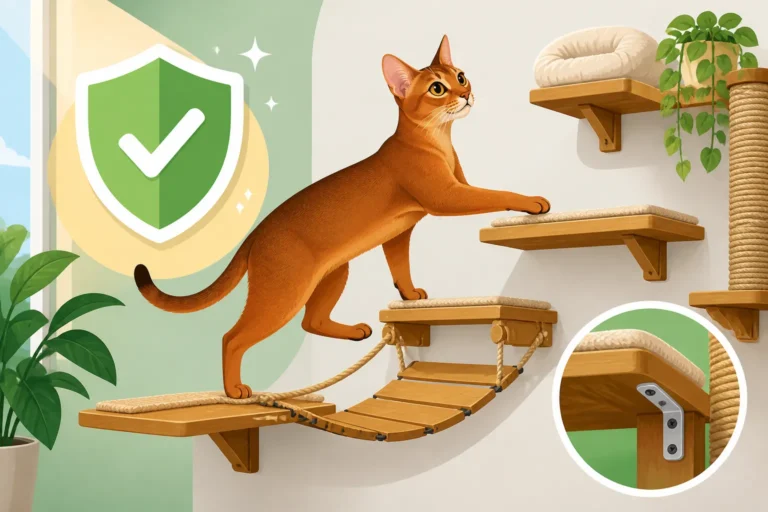
An Abyssinian needs a rich and stimulating environment to thrive. This means more than just a food bowl and a litter box. They need plenty of opportunities to express their natural behaviors like climbing, exploring, hunting, and playing. Investing in tall cat trees, wall-mounted shelves, and engaging toys is crucial. Puzzle feeders are excellent for intellectual stimulation, forcing them to "work" for their food, mimicking hunting behavior. Which Puzzle Feeders Hold an Abyssinian's Attention can give you ideas, and many excellent options are available from retailers like Amazon. Rotate their toys regularly to keep things fresh and exciting, preventing boredom from setting in. Remember, a tired Abyssinian is a good Abyssinian, and a mentally stimulated one is even better. Consider interactive toys that move on their own or wand toys that you can use to simulate prey movement.
"Childproofing" Your Home for a Cat
You might think childproofing is just for homes with human toddlers, but an Abyssinian can be just as adept at getting into trouble, if not more so, due to their agility and determination. They are notorious for Why an Abyssinian Opens Doors and Cabinets, so securing cupboards, especially those containing food, cleaning supplies, or breakables, is essential. Magnetic child locks or strap locks can be lifesavers here. Ensure valuable or sentimental items are placed in areas inaccessible to your cat – ideally, inside closed cabinets or on very high shelves that are difficult for even an athletic Abyssinian to reach. Think about securing wastebaskets with lids, or choosing bins that are too heavy to tip over. Electrical cords should be neatly bundled and protected to prevent chewing, which can be both dangerous for your cat and damaging to your electronics. Don't underestimate their curiosity or their ability to figure out simple mechanisms. If you can, take a knee and look at your home from your Abyssinian's perspective; you might spot tempting opportunities you hadn't considered before. You can find everything from cable organizers to cabinet locks readily on Amazon.
Dedicated Playtime and Social Interaction
Abyssinians are not content to be mere decorative ornaments; they crave interaction with their people. Daily, dedicated playtime is non-negotiable for this breed. Aim for several short, intense play sessions throughout the day, totaling at least 30-60 minutes. Use wand toys to engage their predatory instincts, letting them "catch" the toy at the end of each session to build confidence. Mental games, like teaching them tricks or playing fetch (many Abyssinians love to fetch!), can also be incredibly rewarding for both of you. This regular interaction not only burns off excess energy but also strengthens your bond and fulfills their social needs, making them less likely to seek attention through undesirable behaviors. Abyssinians are active participants in family life, so ensuring they get enough one-on-one time with you is crucial. If you're wondering how much is enough, consider How Much Play an Abyssinian Needs Each Day. A cat that feels seen, loved, and engaged is far less likely to resort to pilfering your possessions.
Disclaimer
This article is for general informational purposes only and does not constitute professional advice. Laws, prices and regulations vary by location and change over time. Consult a qualified professional for guidance on your specific situation.