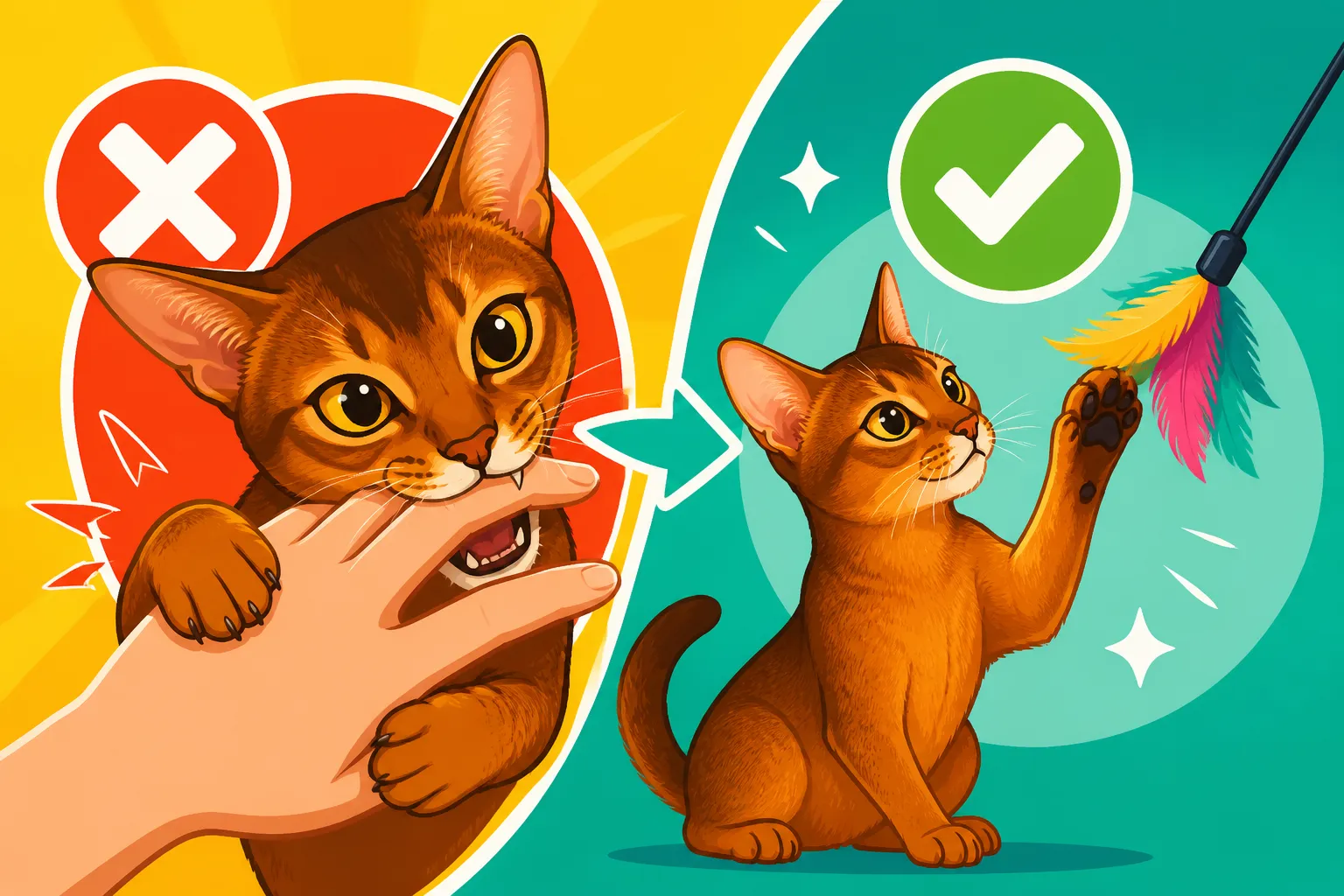
How to Stop an Abyssinian Play Biting
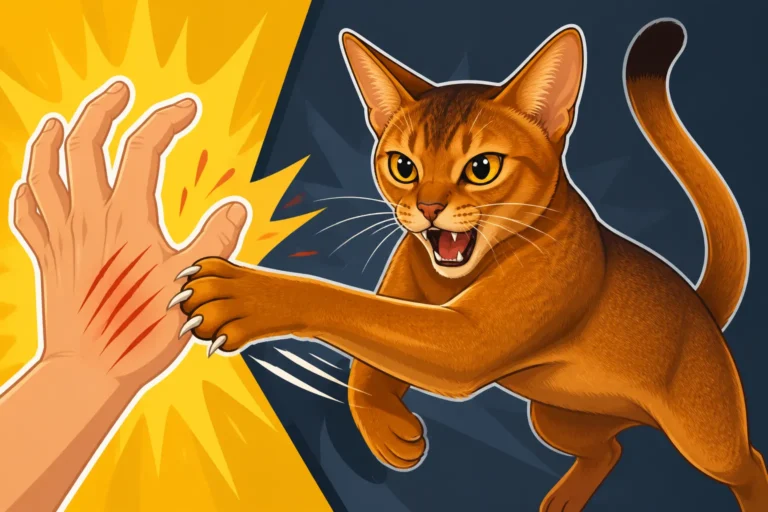
If you've ever found your Abyssinian using your hand or ankle as a wrestling buddy, you know that play biting isn't just a minor annoyance—it can be downright painful and make you hesitate to interact with your beloved, energetic companion. Abyssinians are known for their boundless energy and highly interactive nature, but sometimes that playful spirit can cross the line into behavior that's less than ideal for human skin. This guide is here to help you understand why your Abyssinian engages in play biting and, more importantly, how to gently and effectively redirect this natural instinct into more appropriate forms of play.
Understanding Why Abyssinians Play Bite
It’s easy to feel frustrated when your Abyssinian sinks their teeth into you, but understanding the root cause of this behavior is the first step toward changing it. Abyssinians aren't doing it out of malice; it's often a combination of their innate instincts, high energy, and sometimes a lack of appropriate outlets for their intense play drive. They are incredibly smart cats, and if they've learned that biting gets them attention, even negative attention, they'll continue to do it.
The Abyssinian's Natural Instincts
Abyssinians are a breed full of zest and a strong prey drive. They were not bred to be sedentary lap cats; rather, they are agile hunters in miniature, constantly alert and ready for action. This means their play often mimics hunting behaviors: stalking, pouncing, wrestling, and yes, biting. In a litter of kittens, they learn bite inhibition from their siblings and their mother. A sharp yelp from a littermate or a corrective nudge from mom teaches them how much pressure is too much. When they come into our homes, we become their playmates, and if we don't teach them the same boundaries, they'll continue to play with us as they would with another cat. It's not personal; it's instinct. This is part of Why an Abyssinian Bites During Play in the first place.
Moreover, Abyssinians are incredibly intelligent and curious. They explore the world with their paws and mouths, much like a puppy. A dangling finger or a wiggling toe can easily be perceived as a small, enticing prey item. They might even be testing boundaries or simply expressing excitement in the only way they know how, especially if they haven't been taught otherwise. It's crucial to remember that this isn't aggression but an undeveloped or misdirected play behavior.
Overstimulation and Excitement
Sometimes, play biting stems from an Abyssinian simply getting too worked up during a play session. These cats have incredible stamina and can go from zero to sixty in a blink. What starts as a fun chase with a feather wand can quickly escalate into frantic energy, especially if the play goes on too long without a proper "kill" phase or a cool-down. Think of it like a child getting overtired and then acting out – the energy turns chaotic.
When an Abyssinian becomes overstimulated, their hunting instincts kick into high gear, and they might inadvertently redirect their intense focus and energy onto the nearest available "toy"—which could be your hand. This is particularly common if you're engaging in rough play directly with your hands, which we'll discuss avoiding. They might also bite out of sheer excitement, unable to contain their enthusiasm for the game, especially if they're not getting enough appropriate outlets for their energy. It really underscores How Much Play an Abyssinian Needs Each Day. They need a lot!
Early Socialization and Learning
A kitten's early experiences are paramount. Kittens removed from their litter too early, or those who didn't have enough interaction with their siblings and mother, often miss out on vital lessons in bite inhibition. They don't learn the nuance of how hard is too hard. If a human handler then encourages rough play with bare hands, even if it seems cute when they're tiny, the kitten learns that hands are toys. This is a very difficult habit to break as they grow into powerful, adult Abyssinians.
Furthermore, some Abyssinians might learn that biting is an effective way to get attention. If they nip at you and you react by pulling your hand away, yelling, or even just looking at them, they've achieved their goal: they got your attention. Even negative attention can be reinforcing for a bored or lonely Abyssinian. They are smart enough to make the connection quickly, so consistency in how you react is key to breaking this cycle.
Immediate Strategies to Redirect Biting
Once you understand why your Abyssinian might be biting, you can start implementing strategies to change the behavior in the moment. The goal is not to punish, but to teach them that human skin is off-limits for biting, while still providing plenty of opportunities for vigorous play with appropriate toys.
The "Ouch!" Method and Disengagement
This technique mimics how a littermate would react to a painful bite. When your Abyssinian bites your hand or any part of your body, let out a sharp, high-pitched "Ouch!" or "Ow!" immediately. Make it sound genuine, even if it doesn't hurt that much, because the point is to startle and communicate. Simultaneously, withdraw your hand or body part instantly and completely disengage from play. Do not make eye contact. Turn your back, or even leave the room for a minute or two.
The key here is consistency and immediate reaction. Your Abyssinian needs to associate the bite with the abrupt end of all fun and attention. If you continue playing, even for a moment, they won't make the connection. They need to learn that "biting = play stops." After a short period of disengagement (a minute or two is usually enough to break their focus), you can re-initiate play, but only with an appropriate toy. If they bite again, repeat the "Ouch!" and disengage. This method requires patience, but it’s highly effective for teaching bite inhibition.
Redirecting to Appropriate Toys
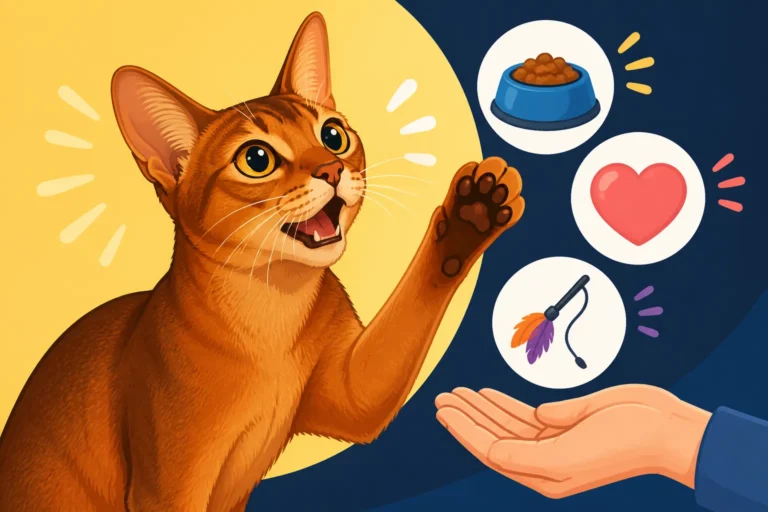
One of the most effective ways to stop play biting on your person is to consistently redirect their biting energy onto toys. Abyssinians are highly intelligent and energetic, so they need engaging toys that can withstand their enthusiastic play. When you see your cat winding up for a pounce or attempting to mouth your hand, immediately introduce a suitable toy.
Wand toys are fantastic for this purpose because they allow you to engage in interactive play while keeping your hands safely out of harm's way. Look for sturdy wand toys with long rods and enticing attachments like feathers or crinkly balls. Many excellent options are available on Amazon that can stand up to an Abyssinian's powerful play. When your cat bites the toy, praise them lavishly. This positive reinforcement teaches them that toys are for biting, not human skin. For more ideas, consider exploring Which Wand Toy an Abyssinian Prefers.
In addition to wand toys, provide a variety of chew-safe toys that your Abyssinian can grab and bite. Some cats enjoy kicking sticks, while others prefer softer plush toys. The goal is to always have an acceptable target readily available when their play drive kicks in. This constant redirection is vital in shaping their understanding of appropriate play objects.
Avoiding Punishment
It’s tempting to want to scold or punish your Abyssinian when they bite, but harsh punishment or physical deterrents like spraying water are counterproductive and can actually damage your bond. Abyssinians are sensitive cats, and punishment can make them fearful or even aggressive. They won't understand why they're being punished, only that you are the source of something unpleasant. This can lead to them becoming wary of you, hiding, or even biting more out of fear or defensiveness rather than play.
Instead of punishment, focus on positive reinforcement for desired behaviors and simply ending the fun when biting occurs. This means praising and rewarding them when they play nicely with toys and immediately disengaging when they bite you. Never use your hands as toys, even if it's just gentle wrestling. This only confuses your Abyssinian and reinforces the idea that hands are acceptable targets for their powerful jaws and claws. Maintain clear boundaries, and your cat will eventually learn them. If you’re ever curious about why some behaviors are seen as destructive, you might find insight in What Destructive Behavior in an Abyssinian Really Means.
Long-Term Solutions for Play Biting
Stopping play biting isn't just about what you do in the moment; it's about setting up an environment and routine that meets your Abyssinian's needs, reducing the likelihood of inappropriate biting in the first place. These long-term strategies focus on enrichment, consistent engagement, and sometimes, a little extra companionship.
Establishing Consistent Play Routines
Abyssinians thrive on routine and need a significant amount of active play every single day to burn off their abundant energy. If they don't get enough vigorous play, that pent-up energy will manifest in less desirable ways, often including play biting. Schedule at least two to three dedicated play sessions daily, ideally around the same times each day. Each session should be at least 10-15 minutes long, with high-intensity play using interactive toys.
Vary the types of toys you use to keep things interesting. Incorporate toys that mimic different prey movements—things that fly, things that scurry, things that hide. Ensure each play session ends with a successful "catch" of the toy, allowing your Abyssinian to feel the satisfaction of a hunt. This can be followed by a small meal, which taps into their natural hunt-eat-sleep cycle. For guidance on structuring these sessions, check out How to Split an Abyssinian's Play Into Sessions. A consistent routine helps them understand when and how they'll get their energy out, reducing the impulse to use you as a toy during downtime.
Providing Ample Enrichment and Vertical Space
A bored Abyssinian is a mischievous Abyssinian. These intelligent cats need constant mental and physical stimulation beyond just interactive play with you. Provide puzzle feeders to challenge their minds, hiding treats or portions of their meal within them. Many different designs are available, often found on Amazon, ranging from simple treat balls to more complex feeders that require problem-solving skills. Rotate their toys regularly to keep them novel and exciting.
Crucially, Abyssinians are climbers. They have an innate need to ascend and observe their territory from on high. If your home lacks sufficient vertical territory, your Abyssinian might try to climb curtains, bookshelves, or your shoulders, which can lead to accidental or frustrated biting. Invest in tall cat trees, wall-mounted shelves, and window perches. These provide safe, appropriate outlets for their climbing instincts and a sense of security and dominion over their environment. The more appropriate outlets they have for their natural behaviors, the less likely they are to engage in unwanted ones. An Abyssinian Needs Height More Than It Needs Floor is an excellent resource for this.
Considering a Companion Cat
If you have a single Abyssinian, especially one who spends a lot of time alone, play biting might be a cry for more interaction. Abyssinians are highly social cats and often do best in pairs or with another compatible, energetic companion. Another cat provides an endless source of appropriate wrestling, chasing, and rough-and-tumble play, taking the pressure off you to be their sole playmate.
When considering a companion, look for a cat with a similar energy level and play style. Another Abyssinian or a breed known for its playful nature often makes an excellent match. Introducing a new cat requires patience and a slow, gradual process to ensure a positive transition. While it's an investment, a compatible companion can significantly reduce undesirable behaviors like play biting by fulfilling your Abyssinian's social and play needs. For more on this, read Why a Second Cat Suits an Abyssinian.
When to Seek Professional Help
While most play biting can be managed with consistent training and environmental enrichment, there are times when it might escalate beyond typical playful nips. Recognizing the difference and knowing when to consult a professional is crucial for both your safety and your Abyssinian's well-being.
Persistent Aggression vs. Play
It's important to distinguish between enthusiastic play biting and genuine aggression. Play biting, while it can hurt, usually involves retracted claws, a more relaxed body posture, and a quick release. The cat might still purr or respond to redirection. True aggression, on the other hand, often involves hissing, growling, flattened ears, dilated pupils, a stiff body, swishing tail, and a reluctance to let go once they've bitten. The bites might be deeper and more prolonged, leading to punctures or tears.
If your Abyssinian's biting seems to be driven by fear, pain, or territorial defensiveness rather than play, or if it's accompanied by other concerning aggressive behaviors, it's time to take it seriously. A sudden change in behavior, especially an increase in aggression, can also be a sign of underlying medical issues, which should always be ruled out first.
Consulting Your Veterinarian
Any significant change in your Abyssinian's behavior warrants a trip to the vet. Pain, discomfort, hormonal imbalances, or other health issues can manifest as irritability and an increase in biting. For example, dental pain (which Abyssinians can be prone to) might make them more sensitive around their mouth, leading to defensive biting. A thorough physical examination and potentially blood tests can rule out any medical causes for the change in behavior.
Your veterinarian can assess your cat's overall health and provide guidance. They might also be able to refer you to a veterinary behaviorist if a medical cause is ruled out and the behavior persists. Never assume a behavior issue is purely behavioral without a vet check, as you could be overlooking a treatable health problem that's causing your cat distress.
Working With a Feline Behaviorist
If your Abyssinian's play biting is severe, persistent, or escalates into genuine aggression despite your best efforts, or if a medical cause has been ruled out, it’s highly advisable to consult with a certified feline behaviorist. These professionals specialize in understanding cat behavior and can help you identify the specific triggers for your cat's biting, develop a tailored behavior modification plan, and teach you advanced techniques.
A behaviorist will conduct a comprehensive assessment of your cat's history, environment, and specific behaviors. They can offer insights into subtle feline communication cues you might be missing and help you implement strategies that are appropriate for your individual cat's personality and needs. This expertise can be invaluable in resolving deeply ingrained or complex biting issues, helping you and your Abyssinian live together happily and safely. You can often find certified behaviorists through veterinary colleges, national animal behavior organizations, or online directories such as those found on Amazon's professional services listings (though you'd verify credentials separately).
| Strategy Type | Goal | Key Actions | Expected Outcome |
|---|---|---|---|
| Immediate Response | Stop biting in the moment | Say "Ouch!", disengage, withdraw attention. Redirect to appropriate toys. | Abyssinian learns human skin is not for biting. Fun stops when teeth make contact. |
| Environmental | Prevent boredom, provide outlets | Offer puzzle feeders, rotate toys, provide ample vertical climbing spaces (cat trees, shelves). | Reduced incidence of biting due to boredom or lack of stimulation. |
| Behavioral Training | Reinforce good play habits | Consistent interactive play sessions (wand toys), ending with a "catch." Avoid rough play with hands. | Abyssinian channels play drive into appropriate objects and activities. |
| Social/Companionship | Fulfill social needs, provide playmate | Consider adopting a compatible second cat with similar energy levels. | Reduced need to use humans as playmates; energy is diffused. |
| Professional Help | Address underlying issues, severe aggression | Vet check to rule out medical causes. Consult certified feline behaviorist for tailored plans. | Resolution of complex or medically-related biting issues. |
Disclaimer
This article is for general informational purposes only and does not constitute professional advice. Laws, prices and regulations vary by location and change over time. Consult a qualified professional for guidance on your specific situation.