Which Grooming Mitt Suits an Abyssinian
One of the most common frustrations Abyssinian owners face is figuring out how to properly groom that stunning, ticked coat. It looks so easy to care for, doesn't it? But then you pick up a standard brush, and suddenly your beautiful Abyssinian is either wrestling you like a tiny, wild lion or looking rather ruffled afterwards. This guide is here to cut through the confusion and help you discover why a grooming mitt is often the unsung hero for Abyssinian coat care, ensuring both you and your feline friend have a more pleasant and effective grooming experience.
Understanding the Abyssinian's Unique Coat
Before we dive into the wonders of grooming mitts, it’s crucial to truly appreciate what makes an Abyssinian’s coat so special. It's not just "short hair"; it's a masterpiece of genetics that requires a specific approach to care. Many owners mistakenly treat it like any other short-haired cat, only to find their efforts are either resisted or, worse, actually detrimental to the coat's natural beauty.
The Ticked Coat's Structure and Feel
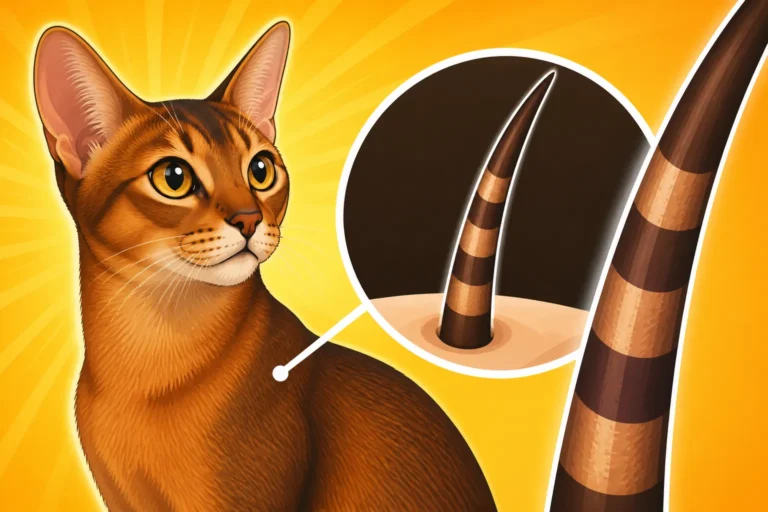
The Abyssinian coat is renowned for its "ticked" pattern, a truly distinctive feature that sets it apart. Instead of stripes or spots, each individual hair shaft carries bands of color, typically three or four, with darker bands at the tip and base, and lighter bands in between. This is what gives the coat its shimmering, iridescent quality, especially when your Abyssinian is moving – it almost looks like ripples of light are passing over their fur. It’s absolutely mesmerizing! This unique banding is scientifically known as agouti, and it's the defining characteristic that gives an Abyssinian its wild, natural appearance. You can learn more about this fascinating aspect in Why Each Abyssinian Hair Carries Three or Four Bands and How an Abyssinian's Agouti Banding Works.
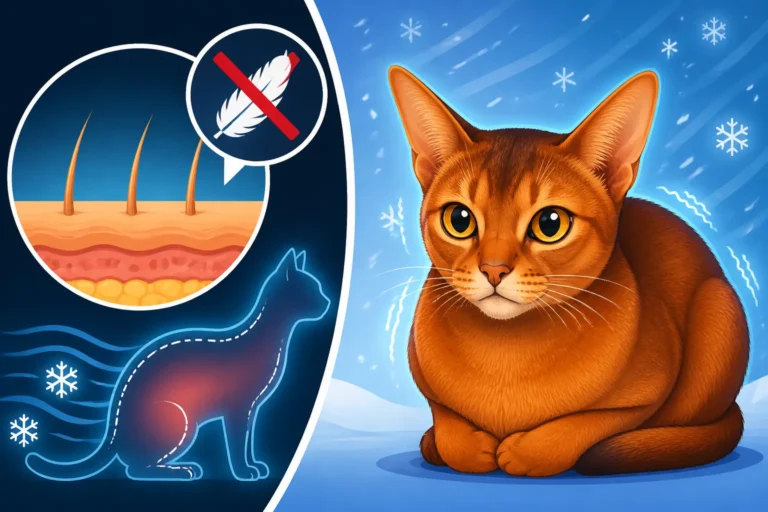
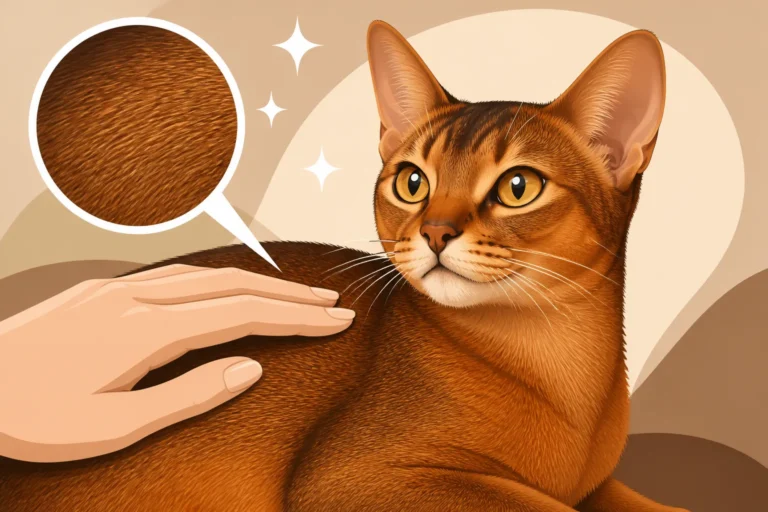
What truly defines the Abyssinian's coat, however, is not just its coloring but its texture and density. Unlike many other cat breeds, Abyssinians have very little to no undercoat. This means their fur lies close to their body, feeling incredibly fine and silky to the touch. It's often described as feeling like velvet or a fine, soft rabbit pelt. This lack of a dense undercoat is part of why they don't shed as profusely as some other breeds, but it also means their skin is more exposed and sensitive. It's a delicate balance; you want to remove loose hairs and stimulate the skin without stripping the coat or causing irritation. The coat really does shimmer when it moves, a hallmark of its quality, as described in Why an Abyssinian's Coat Shimmers When It Moves. And if you've ever wondered How Fine an Abyssinian's Coat Feels, it’s this unique texture that makes specific grooming tools essential.
Why Standard Brushes Fail Abyssinians
Given this unique coat structure, it's probably not surprising that many standard grooming tools just don't cut it – or rather, they do cut it, in ways you don't want! The most common culprits are slicker brushes and deshedding tools. You know the ones: those brushes with fine, wire pins designed to grab a lot of undercoat. While fantastic for breeds like Persians or Maine Coons, they are absolutely detrimental to an Abyssinian. The sharp pins can easily pull out the precious guard hairs that form the ticking pattern, effectively "flattening" the coat and ruining its characteristic shimmer. It’s heartbreaking to see, especially when you’re just trying to do right by your cat. This issue is so prevalent that there's a whole discussion on Why the Wrong Brush Flattens an Abyssinian's Ticking.
Furthermore, deshedding tools, with their specialized blades designed to strip out dense undercoats, are an even bigger no-go. An Abyssinian simply doesn't have the kind of undercoat these tools are designed for. Using one on an Abyssinian is akin to using a hedge trimmer on a delicate rose bush – you'll do far more harm than good, potentially causing skin irritation, bald patches, and severely damaging the delicate ticking. It's a common mistake born of good intentions, but understanding why Why a Deshedding Blade Should Never Touch an Abyssinian is vital for any Abyssinian owner. Their coat naturally lies close to the body, and the minimal shedding means aggressive tools are simply unnecessary and counterproductive.
The Advantages of a Grooming Mitt for Abyssinians
So, if traditional brushes are out, what's a loving Abyssinian owner to do? Enter the grooming mitt – a simple, yet highly effective tool that works with the Abyssinian's coat, rather than against it. It offers a gentle, natural approach that many Abyssinians not only tolerate but actually enjoy.
Gentle and Effective Hair Removal
The primary advantage of a grooming mitt is its unparalleled gentleness. Unlike brushes with stiff bristles or wire pins, mitts are typically made from soft rubber, silicone, or fabric. When you wear one, you're essentially "petting" your cat, which is an experience most Abyssinians adore. This mimics the natural grooming their mother would have given them, or even the affectionate licks from another cat. This means less stress, less struggle, and more bonding time during grooming sessions. The tactile sensation helps to soothe them, turning a chore into a comforting ritual.
Despite their gentle nature, grooming mitts are surprisingly effective at capturing loose hair. The textured surface, whether it's soft rubber nubs or silicone ridges, works like a magnet, attracting and holding onto shed hairs from the topcoat without digging into the skin or pulling out healthy hairs. This is particularly important for Abyssinians because, while they have minimal undercoat, they still shed their fine topcoat hairs. Regularly removing these loose hairs helps to keep their coat sleek and reduces the amount of fur they might ingest during self-grooming. It’s recommended that An Abyssinian Needs Brushing Once a Week and No More with a mitt to maintain their coat without over-grooming. This gentle, consistent approach ensures you're helping your Abyssinian maintain their beautiful coat without causing any discomfort. Remember, Why Over Grooming an Abyssinian Does More Harm Than None applies even with gentle tools if overdone.
Stimulating Skin and Spreading Oils
Beyond just removing loose hair, grooming mitts offer significant benefits for your Abyssinian's skin health and coat luster. The gentle massaging action of a mitt stimulates blood flow to the skin, which in turn promotes a healthier coat growth. Think of it like a mini-massage for your cat – not only does it feel good, but it also has tangible health benefits. Healthy skin is the foundation for a healthy, shiny coat, and the increased circulation helps to nourish the hair follicles.
Furthermore, the act of rubbing the mitt over their fur helps to distribute your Abyssinian's natural skin oils evenly across the coat. These oils are vital for keeping the fur hydrated, flexible, and naturally shiny. When these oils are spread, they create that beautiful, healthy sheen that is characteristic of a well-cared-for Abyssinian. Without proper distribution, oils can build up in certain areas, potentially leading to dullness or even minor skin issues. After a good session with a grooming mitt, a quick wipe down with a chamois cloth can further enhance this shine, leaving their coat looking absolutely pristine, as explored in How a Chamois Brings Up an Abyssinian's Shine. It's all about working with their natural biology to enhance their already stunning appearance.
Key Features to Look for in an Abyssinian Grooming Mitt
Choosing the right grooming mitt isn't just about picking the first one you see. There are specific features that can make a huge difference in its effectiveness and how much your Abyssinian enjoys the experience. Considering these points will help you make an informed decision and find a tool that becomes a staple in your cat care routine.
Material and Texture
The material and texture of the grooming mitt are paramount for an Abyssinian. You want something that is gentle enough not to irritate their sensitive skin and fine coat, but effective enough to grab loose hairs. The most common materials are rubber and silicone. Rubber mitts often feature soft, rounded nubs or ridges that are excellent for massaging the skin and catching shed fur. They tend to be a bit firmer, offering a good grip on the hairs. Silicone mitts, on the other hand, are typically even softer and more flexible, with fine, brush-like tips or smaller nubs. These are particularly good for very sensitive cats or for those just getting used to grooming.
When considering texture, look for mitts where the nubs or bristles are relatively short and soft. Long, stiff nubs, while possibly effective on thicker coats, can feel abrasive on an Abyssinian's delicate skin and sparse undercoat. The goal is to gently lift and capture shed hair, not to rake through the fur. Flexibility of the material is also key; a mitt that can contour to your cat's body will provide a more comfortable and thorough grooming experience, especially around bony areas like the hips or shoulders. You might even find some options on platforms like Chewy, which often have a good variety of grooming tools.
Fit and Comfort for the Owner
While the cat's comfort is primary, your comfort as the groomer is also incredibly important. If the mitt doesn't fit your hand well, or if it's awkward to use, you're less likely to maintain a consistent grooming schedule. Look for mitts that have an adjustable wrist strap or a design that securely fits your hand. You don't want it slipping off mid-stroke or feeling cumbersome. A well-fitting mitt gives you better control and allows for a more confident, steady stroke, which translates to a more relaxing experience for your Abyssinian.
Consider the material on the back of the mitt as well. Some mitts are breathable mesh, which is great for longer grooming sessions to prevent your hand from getting sweaty. Others might be a more solid fabric. The ease of cleaning the mitt itself is another factor; mitts that can be easily rinsed clean under water are a huge bonus, as cat hair can cling stubbornly. Brands found on Amazon often offer a range of sizes and designs, so it’s worth browsing to find one that feels right in your hand. An ergonomic design minimizes hand fatigue, making it easier to enjoy the bonding time with your Abyssinian without feeling like a workout.
Types of Grooming Mitts and Their Suitability
With so many options out there, it can feel a little overwhelming to pinpoint the absolute best grooming mitt for your Abyssinian. However, by understanding the common types available, you can narrow down your choice to what will truly work for your unique feline companion. Each type has its own strengths and weaknesses, making some more suitable than others depending on your Abyssinian's preferences and coat condition.
Silicone Grooming Gloves
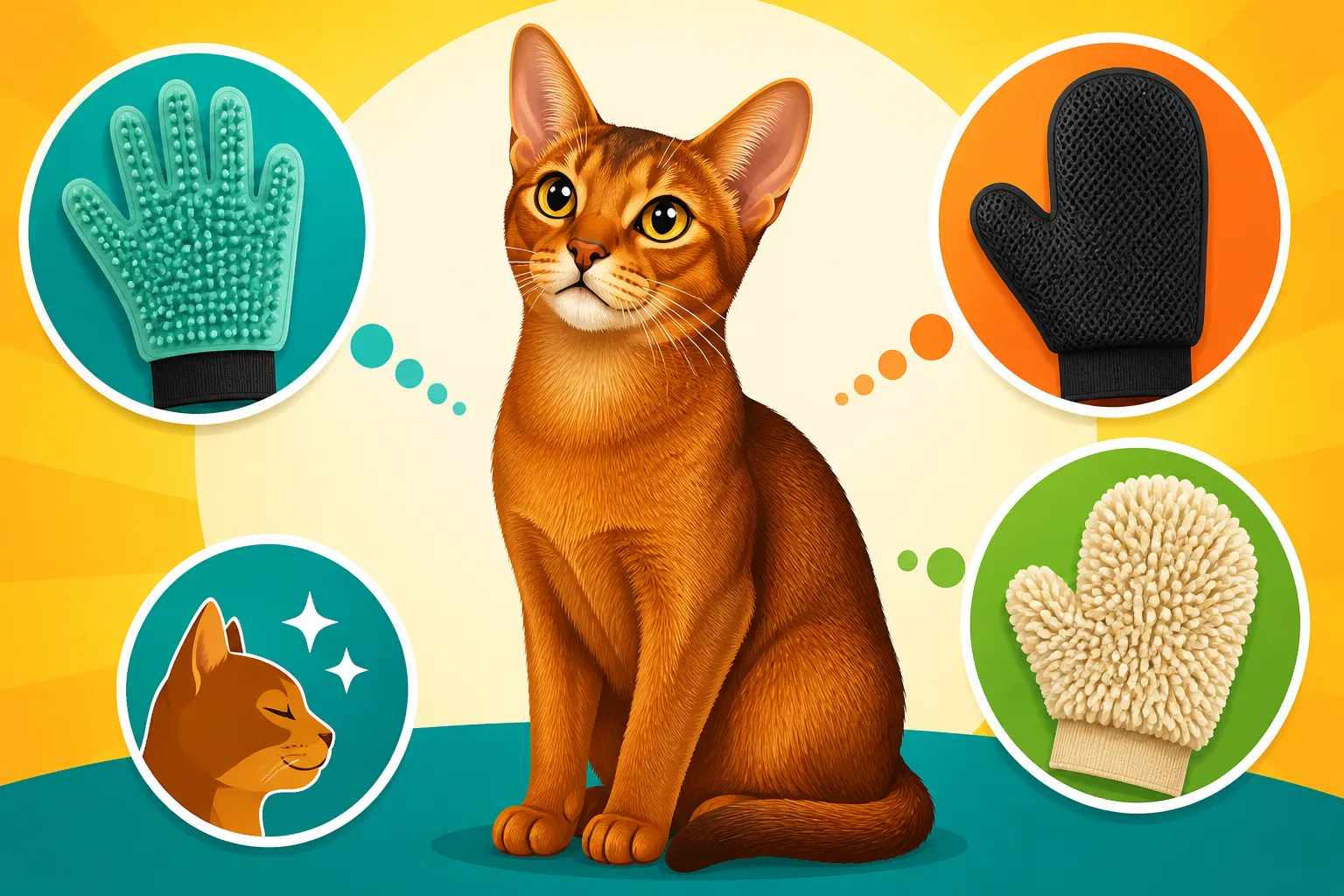
Silicone grooming gloves are perhaps the gentlest option available and often a fantastic starting point, especially for sensitive Abyssinians or kittens. These gloves typically feature soft, flexible silicone nubs or bristles on the palm and fingers, allowing you to effectively "pet" away loose hair. The main advantage here is the mimicking of natural petting, which can significantly reduce stress for cats that are wary of traditional brushes. The silicone material is incredibly soft against the skin, making it ideal for those Abyssinians with a very fine coat or slightly sensitive skin. Many owners find these gloves to be a game-changer for introducing grooming to a shy cat or kitten, making it a positive, tactile experience. You can find many varieties of these, often branded for dogs but perfectly suitable for cats, available on platforms like Amazon.
However, while incredibly gentle, silicone gloves might not always be the most aggressive option for hair removal if your Abyssinian is going through a heavier shedding cycle (which is rare, but can happen seasonally). The nubs, being so soft and flexible, might not grab every single loose hair as thoroughly as a firmer rubber mitt. They are excellent for everyday maintenance, stimulating the skin, and providing a lovely massage, but don't expect them to tackle any minor matting or incredibly dense shedding (though an Abyssinian with significant matting would be unusual due to their lack of undercoat). They are exceptionally easy to clean, though; a quick rinse under running water usually dislodges all the collected fur. For initial grooming experiences, or for a cat that truly loves to be petted, these are often the go-to.
Rubber Curry Mitts
Rubber curry mitts are a classic for a reason, offering a bit more "oomph" in terms of hair removal while still being significantly gentler than a wire brush. These mitts usually feature a denser array of rubber nubs, often conical or rounded, that are slightly firmer than their silicone counterparts. The increased rigidity allows them to really dig in (gently, of course) and capture loose hair effectively, making them excellent for a thorough once-a-week groom. The friction created by the rubber against the coat also does an amazing job of stimulating the skin, boosting circulation, and bringing out the natural oils for that coveted Abyssinian shine. Many cats enjoy the robust massage these mitts provide.
The downside is that some highly sensitive Abyssinians might find the slightly firmer texture a bit too much, especially if they're not used to being groomed. If your Abyssinian is particularly skittish or has very delicate skin, you might want to start with a silicone glove and gradually introduce a rubber mitt. Always use light pressure, letting the mitt do the work rather than scrubbing vigorously. The durability of rubber mitts is generally very good, making them a long-lasting addition to your grooming kit. They’re also very easy to clean, similar to silicone, by simply rinsing off the collected fur. Brands available from pet supply retailers like Chewy often stock a range of these, so you can compare textures and designs to find the best fit.
Fabric or Microfiber Mitts
Fabric or microfiber mitts represent the softest end of the grooming mitt spectrum. These are less about active hair removal and more about polishing the coat, collecting fine dust, and providing a final, gentle touch. They typically don't have distinct nubs or bristles but rely on the electrostatic properties of the fabric to attract loose hairs and particles. Think of them as a finishing cloth or a very gentle buffer. They excel at bringing out a high shine after a more active grooming session, or for a very quick daily refresh to remove any surface dust or loose dander.
For an Abyssinian, a microfiber mitt could be used for those cats who absolutely despise any other form of grooming tool, or as a soothing end to a grooming session. They are excellent for polishing and making the coat truly gleam. However, if your primary goal is to remove a significant amount of shed hair, these might not be the most efficient tool on their own. They're more of a complementary tool, perfect for adding that extra sparkle. They're also wonderfully soft for a quick pet and bond with your cat. You might find these bundled with other grooming supplies or as standalone items on sites like Amazon.
Here's a quick comparison of the main types of grooming mitts:
| Mitt Type | Gentleness | Hair Removal Effectiveness | Skin Stimulation | Ease of Cleaning | Best Use Case |
|---|---|---|---|---|---|
| Silicone Glove | Excellent | Good (gentle capture) | Good | Excellent | Sensitive cats, kittens, daily light groom |
| Rubber Curry Mitt | Very Good | Excellent (firmer grab) | Excellent | Excellent | Regular thorough grooming, oil distribution |
| Fabric/Microfiber | Superior | Moderate (surface only) | Mild | Good | Finishing polish, ultra-sensitive cats, dust |
Step-by-Step Grooming with a Mitt
Once you've chosen your ideal grooming mitt, the next step is to actually use it! For an Abyssinian, whose active and sometimes opinionated nature can make grooming a challenge, technique is everything. It’s not just about rubbing the mitt on their fur; it’s about creating a positive, calm experience that they’ll look forward to.
Setting the Scene for Success
Before you even touch your Abyssinian with the mitt, it’s vital to set the right environment. Abyssinians are creatures of habit and sensitive to their surroundings, so a calm, consistent approach works best. Choose a time when your cat is naturally relaxed – perhaps after a meal, or when they've just woken up from a nap and are feeling mellow. Avoid times when they're in the middle of a zoomie session or deeply engrossed in play. A quiet room, free from sudden noises or other pets vying for attention, is ideal.
Introducing the mitt slowly is crucial. Let your Abyssinian sniff it, rub against it, and become accustomed to its presence. You can even leave it in their favorite nap spot for a little while to desensitize them to it. Associate the mitt with positive things: treats, gentle praise, or a favorite toy. Start with very short sessions, maybe just a minute or two, gradually increasing the duration as your cat becomes more comfortable. Ending on a positive note, even if it’s brief, is far more beneficial than pushing them too far and creating a negative association. This is especially true if you’re trying to groom an Abyssinian kitten, as positive early experiences are key. You can find more advice on this in How to Start Grooming an Abyssinian Kitten.
The Grooming Technique
Now, for the actual grooming! With the mitt securely on your hand, begin with light, slow strokes, moving in the direction of your Abyssinian's fur growth. Avoid going against the grain, as this can be uncomfortable and pull at their delicate hairs. Start in areas where your cat typically enjoys being petted, like their back or sides. As they relax, you can gradually move to more sensitive areas such as their belly, chest, or legs. Pay close attention to their body language. A purr, relaxed posture, or leaning into your hand are all good signs. A flicking tail, flattened ears, or attempts to swat indicate you should ease up or take a break.
Use long, smooth strokes rather than short, choppy ones. The goal is to gently lift and collect shed hair, and the consistent contact helps to distribute those natural oils we talked about. Don't press too hard; the mitt is designed to work with gentle friction, not brute force. If your Abyssinian starts to resist, try distracting them with a treat or a gentle spoken word. If they truly don't want to cooperate, don't force it. End the session gracefully and try again later, keeping it even shorter. Consistency is more important than duration in the beginning. For those Abyssinians who really don’t want to sit still, you might find some useful strategies in How to Groom an Abyssinian That Will Not Stay Still. Remember, the Abyssinian's single ticked coat barely sheds, so you're not dealing with massive amounts of fur anyway, which makes the process less daunting.
Maintaining Your Grooming Mitt and Troubleshooting
Even the best grooming tools need a little care to stay effective and hygienic. Plus, let's face it, sometimes despite your best efforts, your Abyssinian might still have other ideas about grooming! Knowing how to maintain your mitt and troubleshoot common issues can save you a lot of headache.
Cleaning and Storage
Keeping your grooming mitt clean is crucial, not just for hygiene but also for its effectiveness. A mitt caked with old fur and dander won't work as well, and it can harbor bacteria. Luckily, most silicone and rubber mitts are incredibly easy to clean. After each grooming session, simply peel off the collected fur – it usually comes off in a neat sheet or ball. Then, rinse the mitt under warm running water with a mild soap, if necessary, and let it air dry completely before storing it. This prevents any mildew or unpleasant odors from developing.
Fabric or microfiber mitts might require a bit more effort. They often can be machine-washed on a gentle cycle with a mild detergent and then air-dried. Always check the manufacturer's instructions for specific cleaning recommendations. Proper storage is also important; keep your mitt in a clean, dry place where it won't get dusty or come into contact with other contaminants. A designated hook or a clean drawer works perfectly. By taking these simple steps, your grooming mitt will be ready and effective for every grooming session, extending its lifespan and ensuring a clean tool for your beloved Abyssinian.
When a Mitt Isn't Enough (or your Abyssinian Hates It)
While grooming mitts are fantastic for most Abyssinians, there are always exceptions. What if your Abyssinian absolutely despises the mitt, no matter how gently you try? Or what if, on a rare occasion, your Abyssinian somehow develops a tiny mat (perhaps from getting something sticky in their fur, which is more common than actual coat matting)?
If your Abyssinian truly can't stand the mitt, don't despair. Some cats simply have different preferences. You could try a very soft, natural bristle brush designed for delicate coats, but always use extreme caution to avoid damaging the ticking. Alternatively, a chamois cloth, as mentioned earlier, can be excellent for polishing and removing loose hairs while feeling incredibly gentle. It provides friction without any "bristles." For those rare instances of a small mat or something sticky, never try to cut it out yourself with scissors, as you risk injuring your cat. Instead, use a fine-toothed comb very gently at the edges of the mat, slowly working it loose with your fingers. If it's stubborn, a tiny bit of cornstarch can sometimes help, but generally, a vet visit is the safest option for tricky matting, even in an Abyssinian. Ultimately, the goal is always to keep your Abyssinian comfortable and healthy, even if it means trying a few different approaches. This might also be a good time to revisit Why a Chamois Finishes an Abyssinian's Coat for alternative finishing touches.
Disclaimer
This article is for general informational purposes only and does not constitute professional advice. Laws, prices and regulations vary by location and change over time. Consult a qualified professional for guidance on your specific situation.