Why a Heavy Abyssinian Is Unusual and Worth Checking
A heavy Abyssinian cat indicates potential health issues, explaining why unexpected weight gain in this slender breed requires veterinary checks.
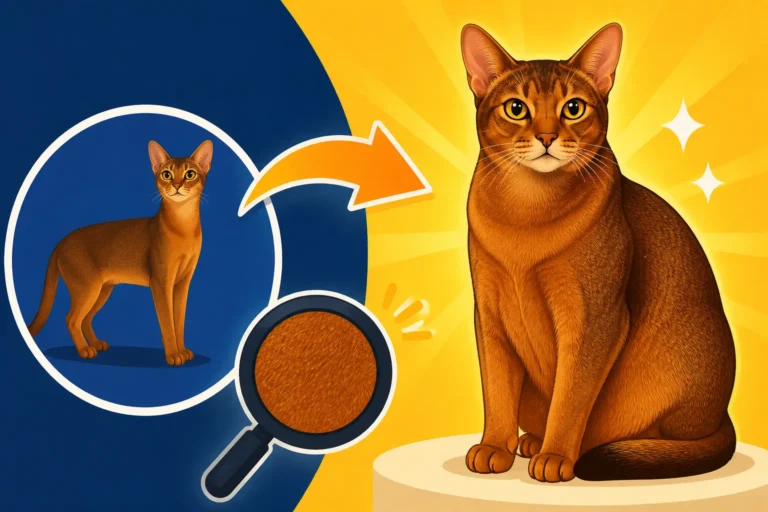
A heavy Abyssinian cat indicates potential health issues, explaining why unexpected weight gain in this slender breed requires veterinary checks.
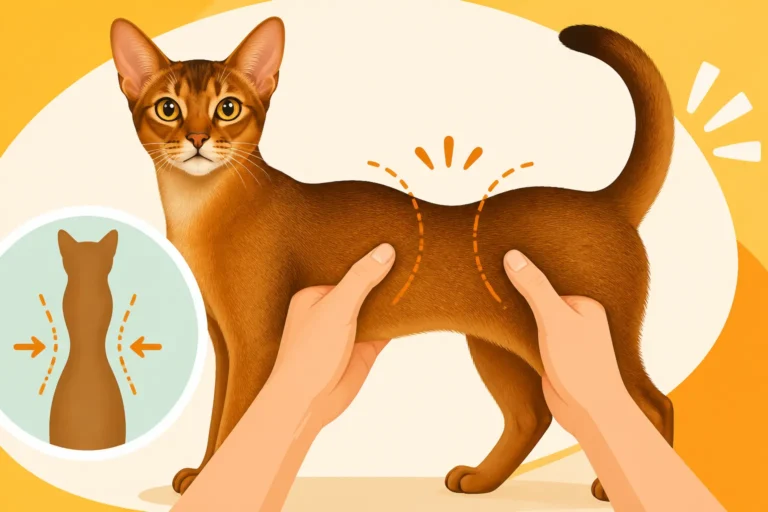
An Abyssinian cat assessment method uses gentle palpation to feel the waist and ribs beneath the fine coat for a healthy weight.
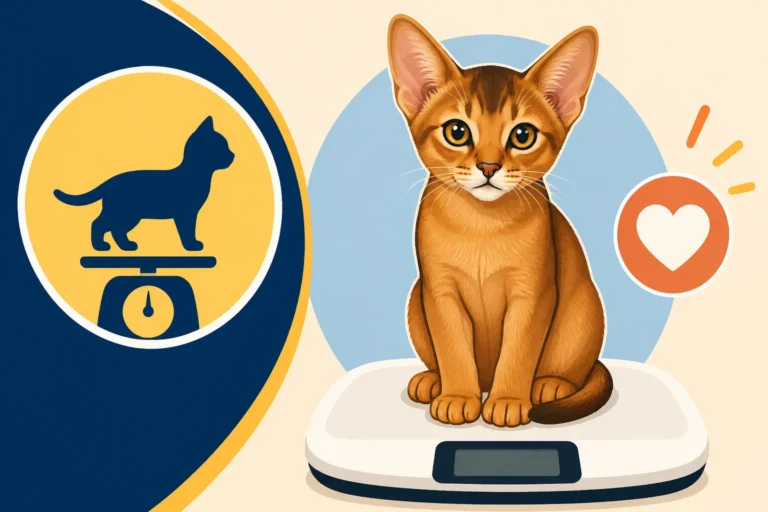
Healthy one-year-old male Abyssinians weigh eight to twelve pounds, while females range from six to nine pounds.
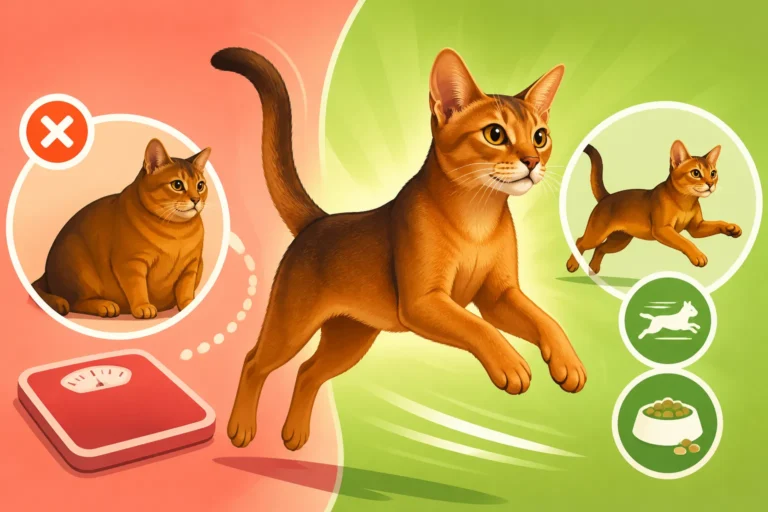
Abyssinian cats stay lean due to high energy levels, constant physical activity, and a dense, muscular body type.
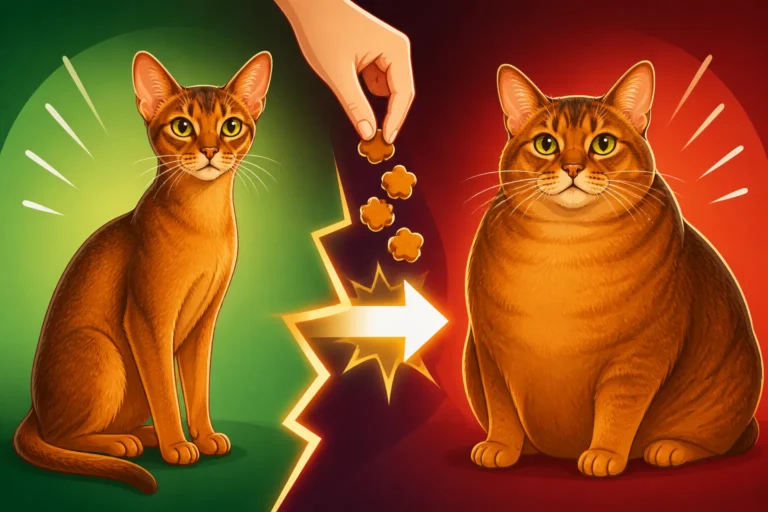
Abyssinian cat treats add hidden calories and disrupt daily nutrition, leading to unexpected weight gain despite high energy.
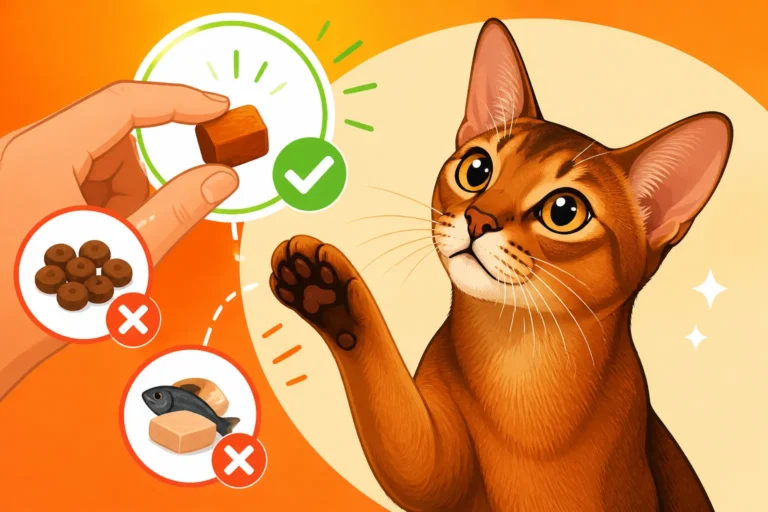
Abyssinian treat preferences and presentation methods explain which snacks capture their attention and support training goals.
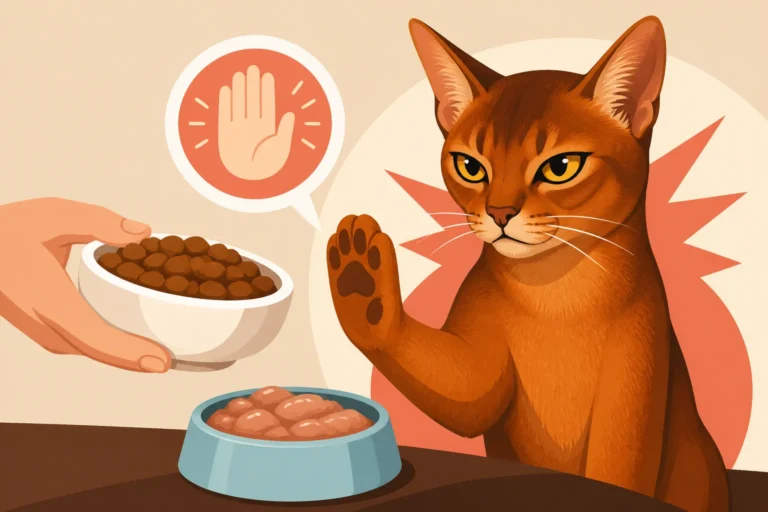
Abyssinian cats reject sudden diet changes due to ingrained survival instincts, scent differences, and unique texture preferences.
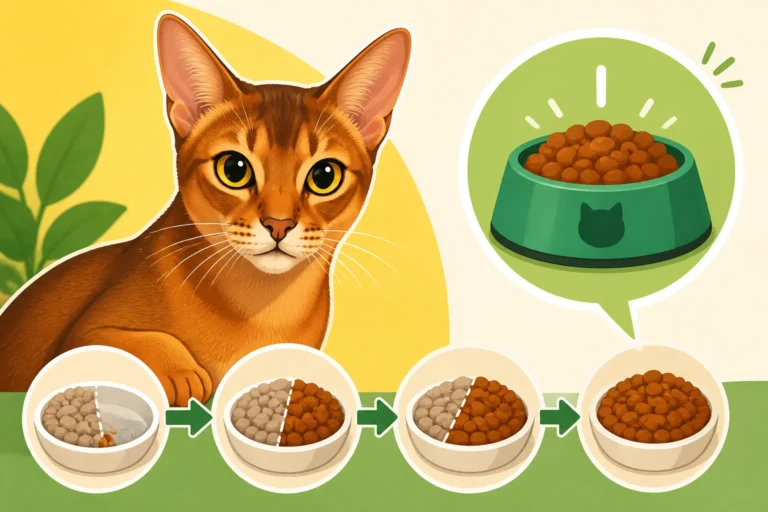
Abyssinian diet changes require slow transitions to prevent digestive issues and manage the sensitive stomachs of these cats.

Balancing a raw diet for an Abyssinian cat provides animal protein, healthy fat, and minimal carbohydrates to support high energy.
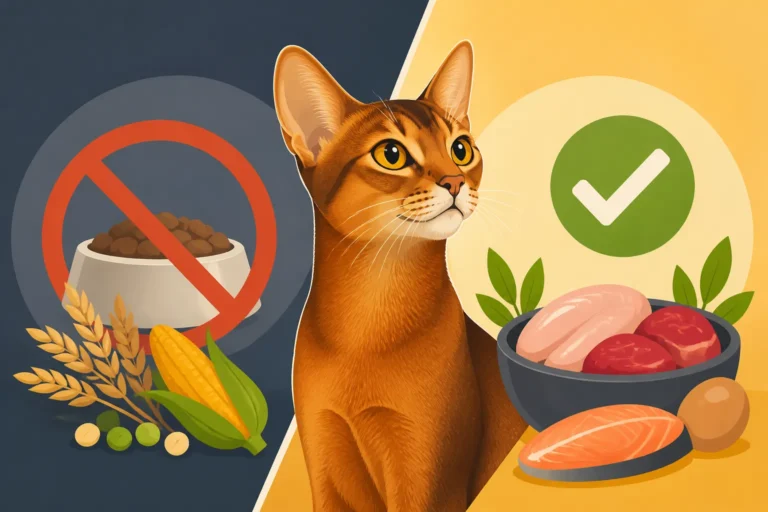
Grain-free marketing misses key nutritional facts for Abyssinians, explaining why meat-based protein matters most for cats.