What an Old Abyssinian Slows Down From
Aging Abyssinian cats experience natural behavioral and physical shifts, joint issues, kidney disease, and thyroid problems.
Know what to watch for.
Breed-specific conditions, screening and DNA tests, what surgery actually costs, and the daily habits that stretch a healthy lifespan.
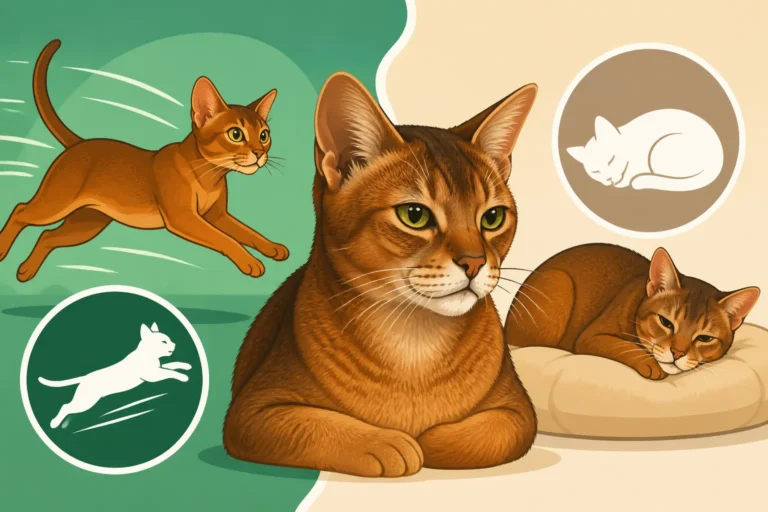
Aging Abyssinian cats experience natural behavioral and physical shifts, joint issues, kidney disease, and thyroid problems.
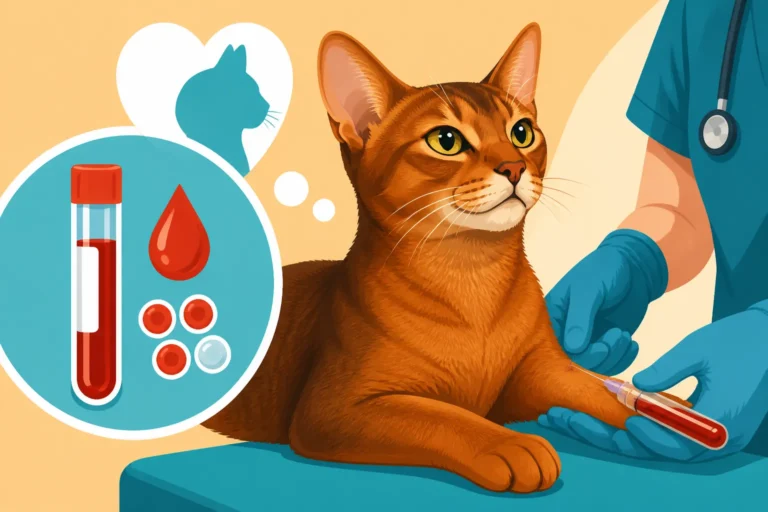
Annual bloodwork for middle-aged Abyssinians detects early kidney disease, diabetes, and hyperthyroidism before symptoms appear.
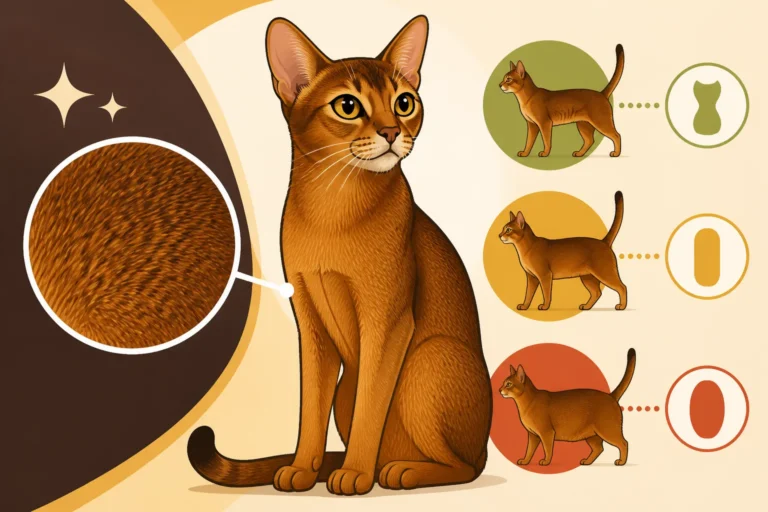
An Abyssinian body condition assessment explains how to use visual cues and gentle palpation to check ribs, spine, and waist.
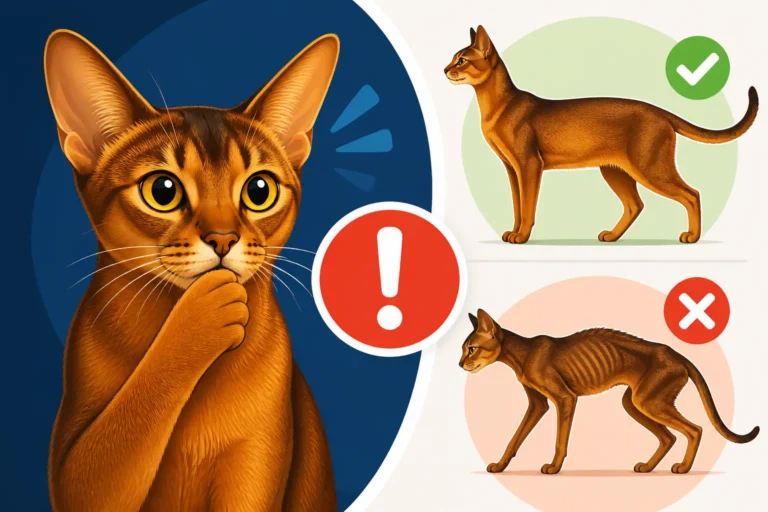
Abyssinian weight loss indicates underlying medical conditions like kidney disease, hyperthyroidism, dental pain, or inflammatory bowel disease.
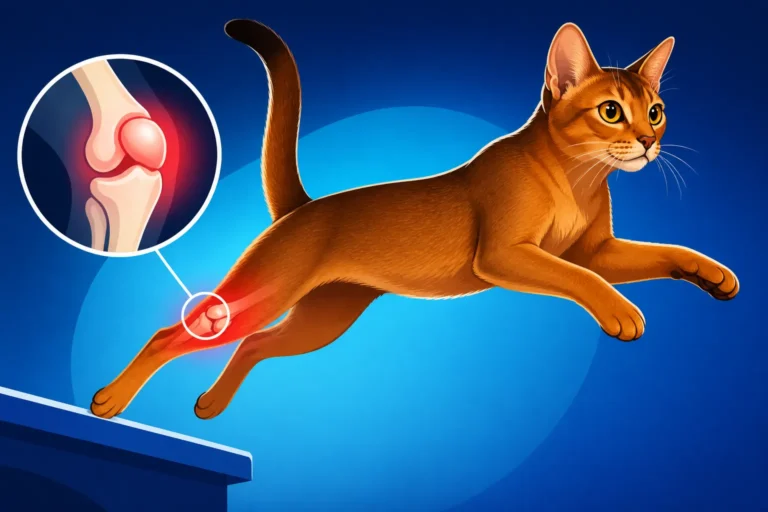
Patellar luxation in cats explains kneecap anatomy, genetic causes, subtle gait signs, grading scales, and management options for Abyssinians.
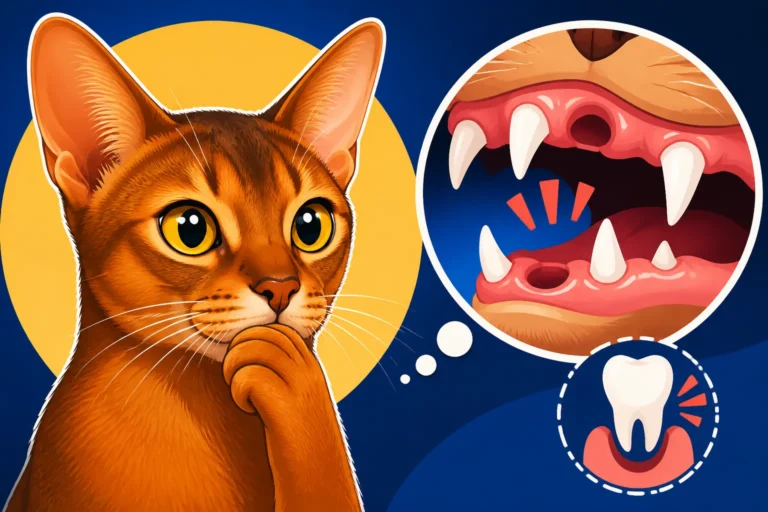
Abyssinian dental disease causes premature tooth loss because genetic susceptibility, mouth anatomy, and juvenile gingivitis trigger severe bone destruction.
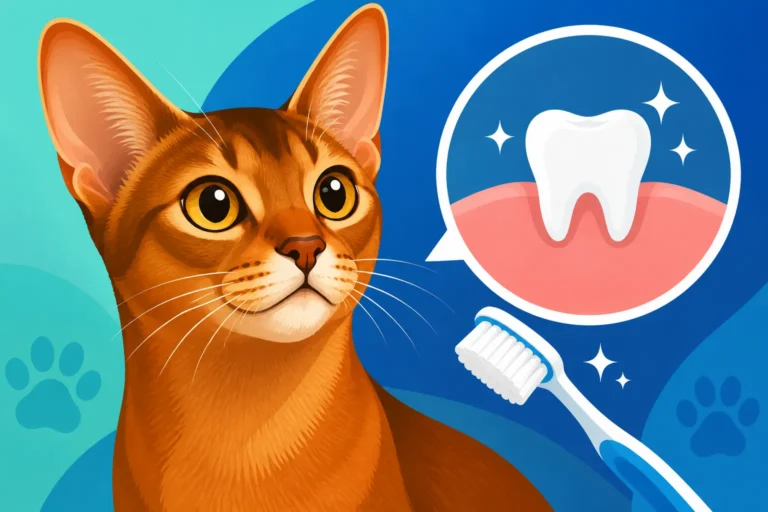
Abyssinian dental care requires daily toothbrushing and veterinary cleanings under general anesthesia to prevent severe gum disease and tooth loss.
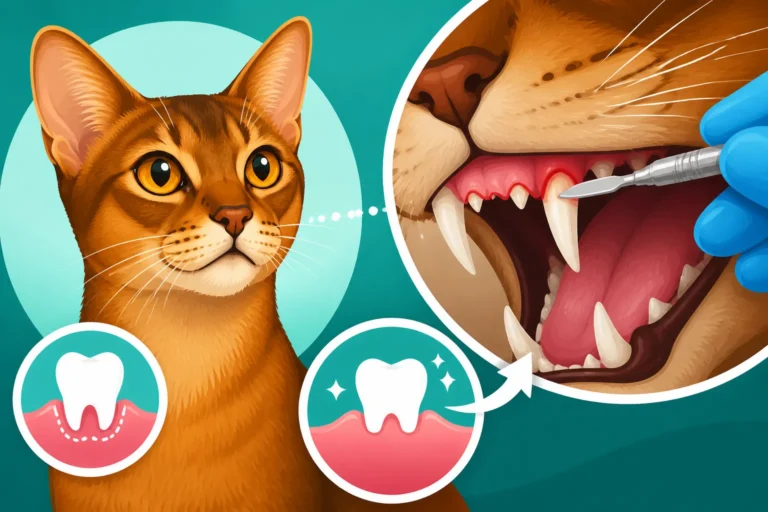
Abyssinian gingivectomy procedures remove excess gum tissue, manage juvenile gingivitis, and outline the recovery process.
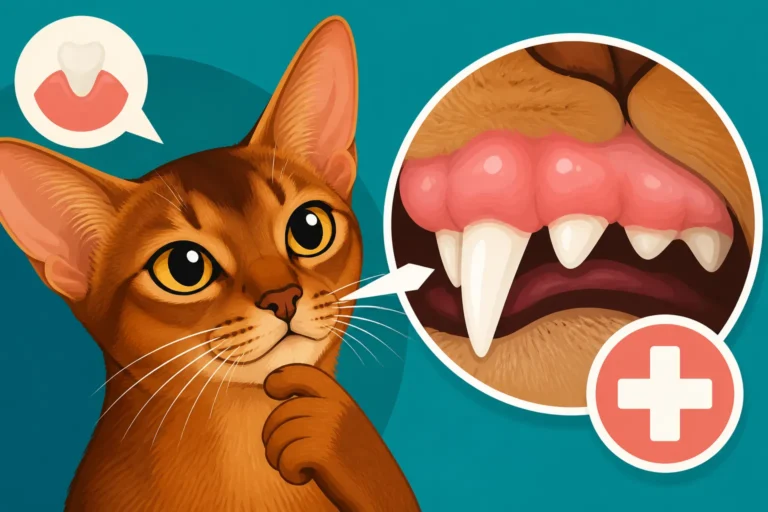
Juvenile gingival hyperplasia causes Abyssinian gum tissue to overgrow, creating painful pockets requiring surgical management.
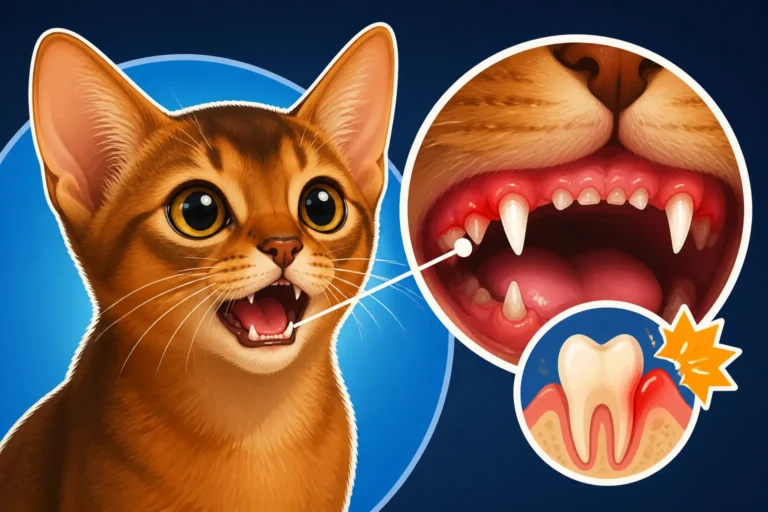
Juvenile gingivitis in Abyssinian kittens begins around six months when permanent teeth erupt and trigger severe inflammation.