Why an Abyssinian Kitten Stops Chewing Its Food
Juvenile gingivitis, tooth resorption, and retained deciduous teeth explain why an Abyssinian kitten stops chewing food.
Know what to watch for.
Breed-specific conditions, screening and DNA tests, what surgery actually costs, and the daily habits that stretch a healthy lifespan.
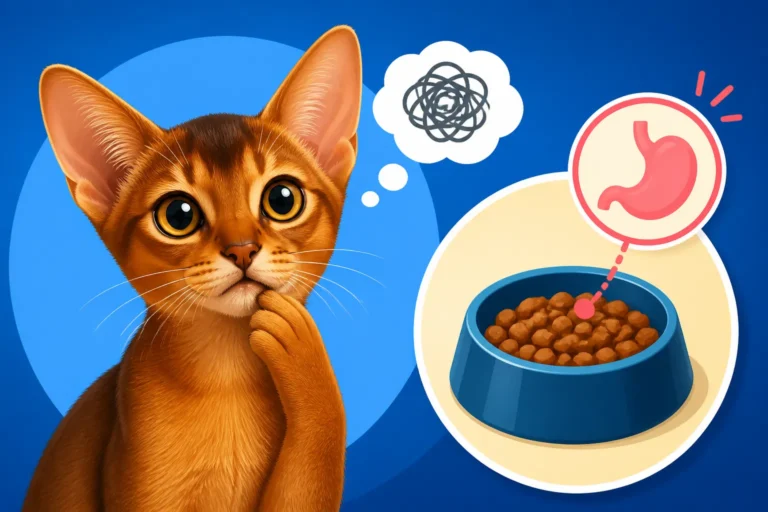
Juvenile gingivitis, tooth resorption, and retained deciduous teeth explain why an Abyssinian kitten stops chewing food.
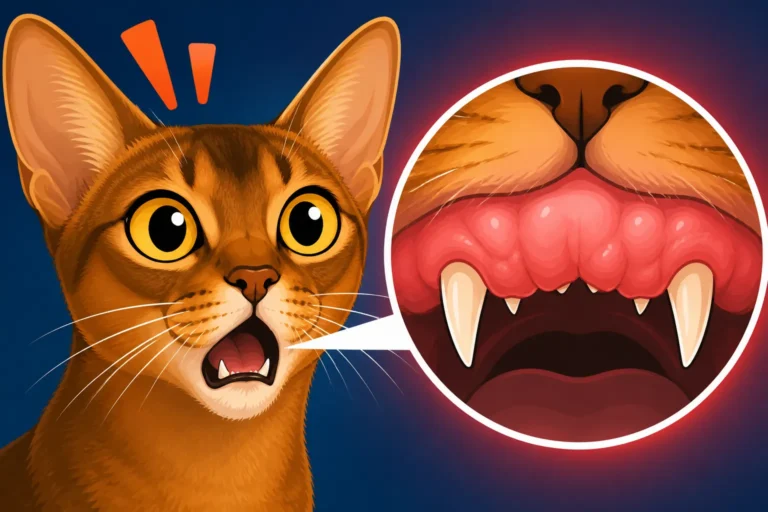
Abyssinian gum overgrowth creates deep pockets trapping bacteria, leading to chronic inflammation, tooth resorption, and painful tooth loss.
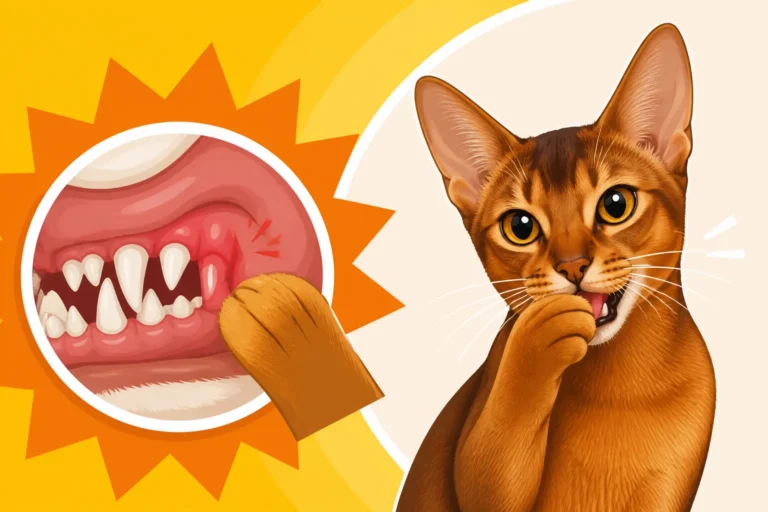
Abyssinian juvenile gingivitis causes red, swollen gums at six months old because plaque, hormones, and genetics trigger extreme inflammation.
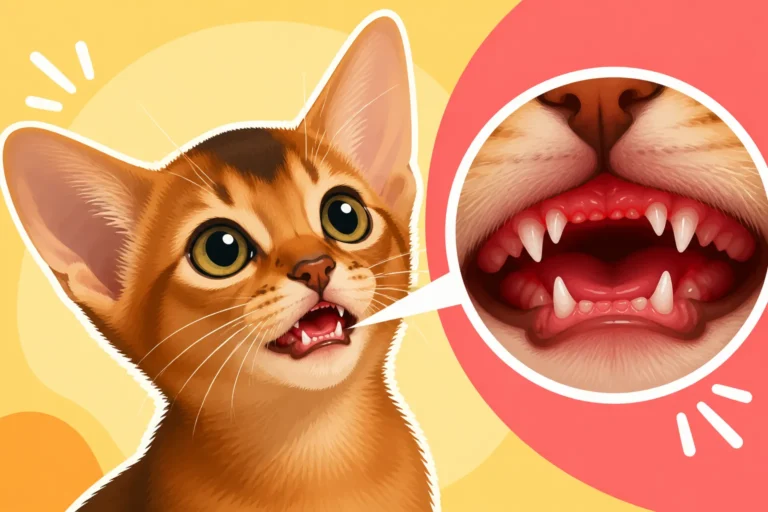
Juvenile gingivitis in Abyssinian kittens causes red gums, requiring veterinary diagnosis, professional dental cleanings, and lifelong home care.
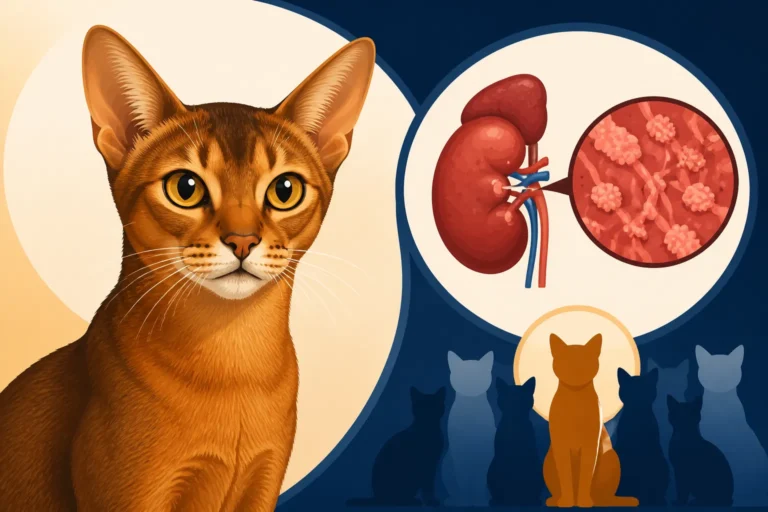
Abyssinian renal amyloidosis historically caused widespread kidney failure, but careful selective breeding practices have reduced its overall incidence today.
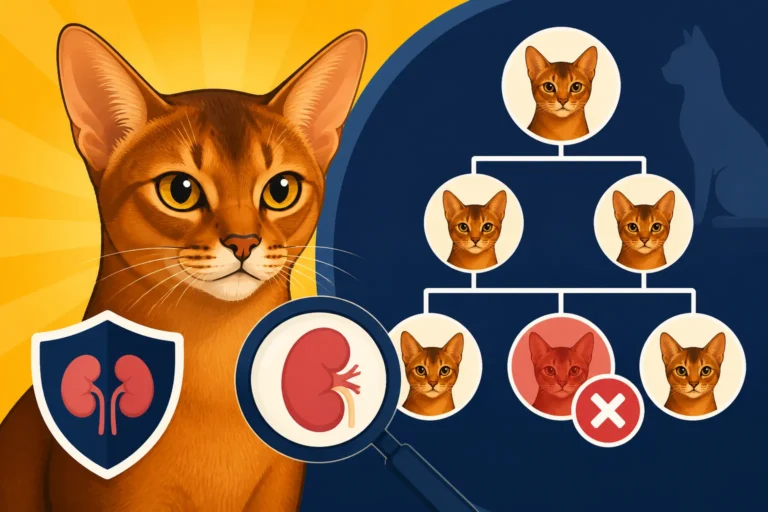
Abyssinian lineage tracking explains how breeders monitor fatal renal amyloidosis across multiple generations without a DNA test.
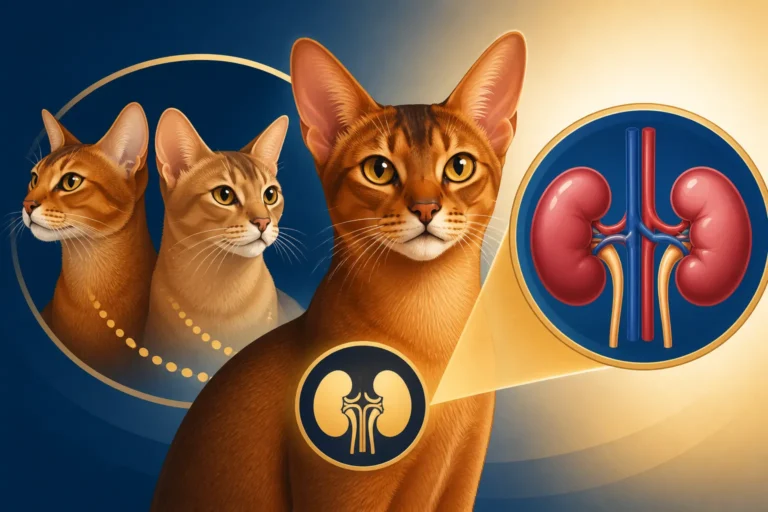
Abyssinian grandparent health histories reveal kidney disease risks and genetic patterns when direct DNA tests are unavailable.
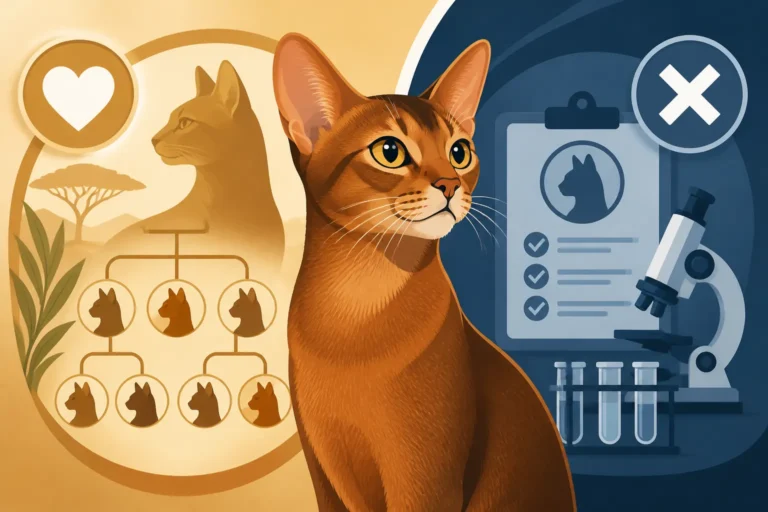
Abyssinian pedigree history explains renal amyloidosis risks and kidney health when DNA tests cannot detect genetic markers.
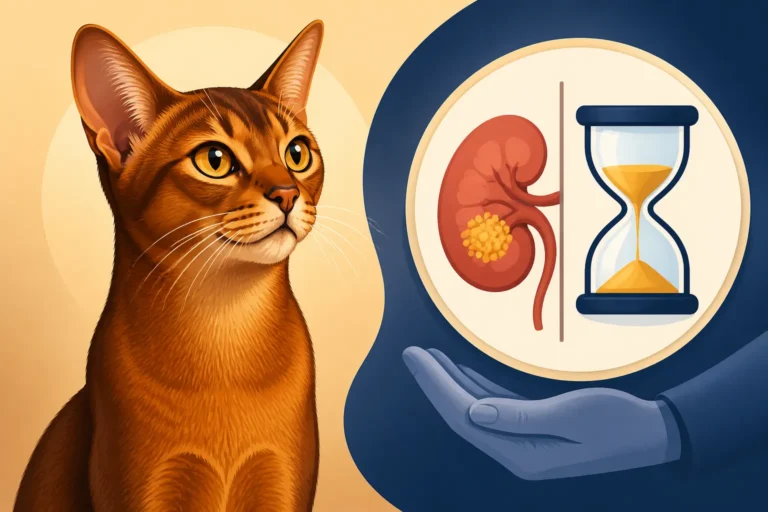
Renal amyloidosis prognosis in Abyssinians depends heavily on the diagnosis stage, with remaining lifespans ranging from several weeks up to eighteen months.
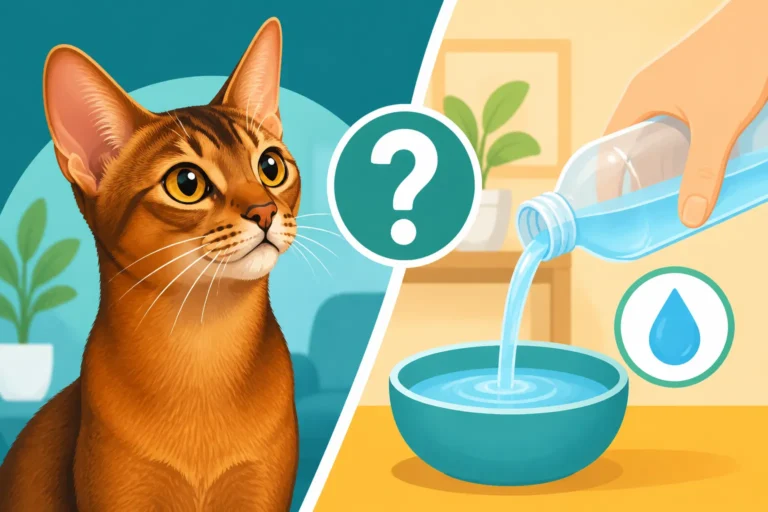
Subcutaneous fluid therapy for an Abyssinian with kidney disease requires a veterinary prescription, a 1000ml bag, needles, and a skin tent.