How a Vet Confirms Retinal Atrophy in an Abyssinian
Veterinarians confirm retinal atrophy in Abyssinians through physical examinations, ophthalmic evaluations, electroretinography tests, and genetic DNA analysis.
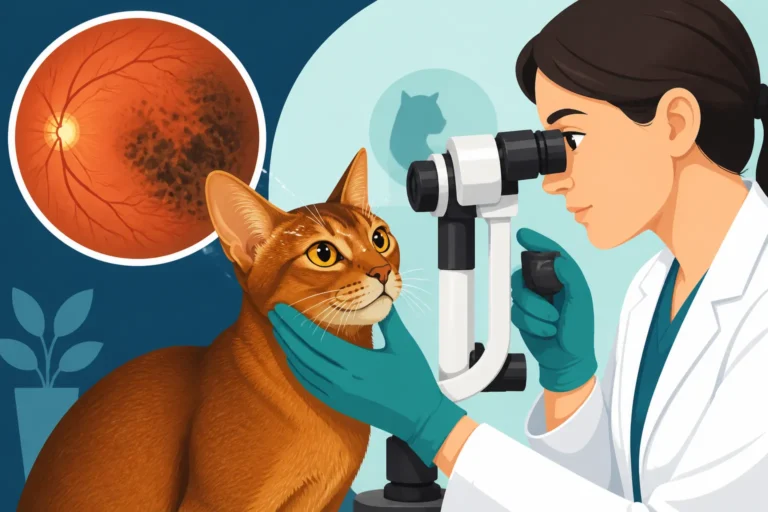
Veterinarians confirm retinal atrophy in Abyssinians through physical examinations, ophthalmic evaluations, electroretinography tests, and genetic DNA analysis.
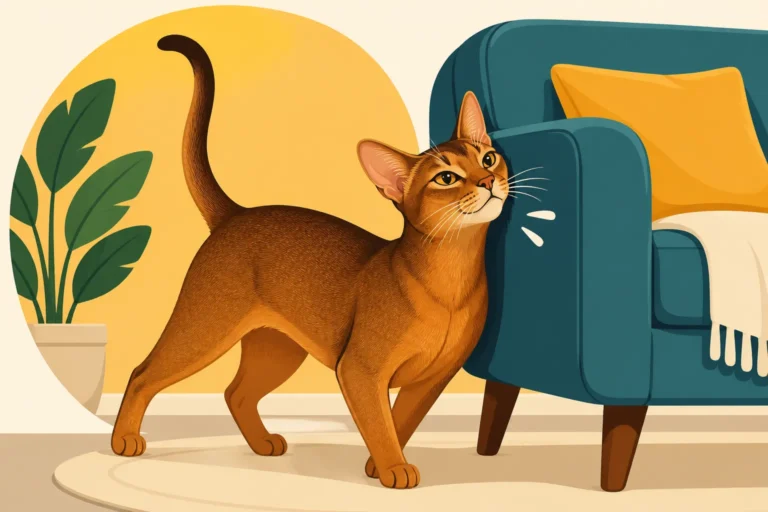
Progressive retinal atrophy and dim lighting cause Abyssinian cats to bump into furniture as their vision slowly declines over time.
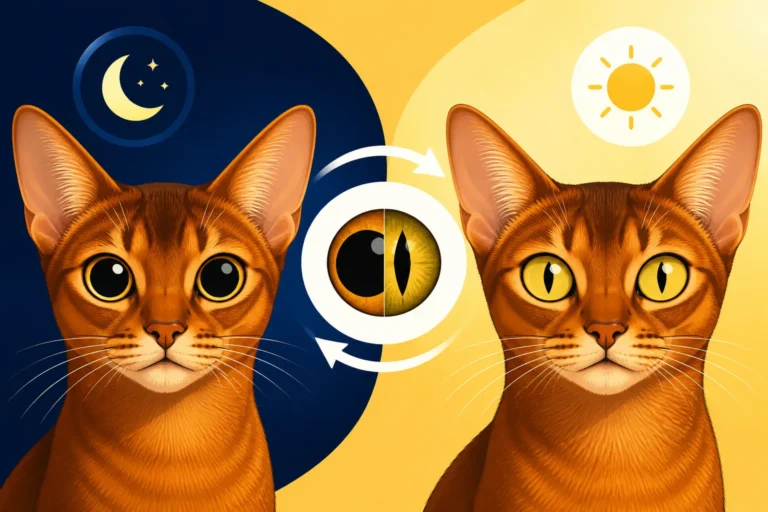
Abyssinian pupil changes during progressive retinal atrophy include dilation, increased eye shine, and reduced light responsiveness.
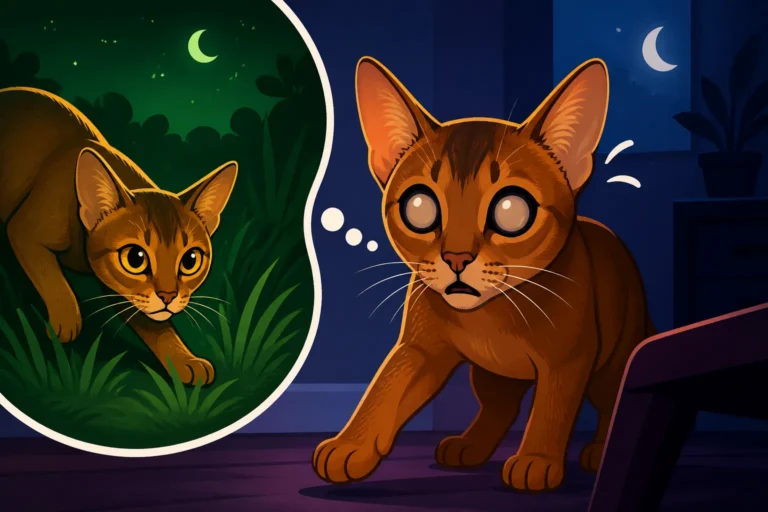
Progressive retinal atrophy in Abyssinians causes gradual night vision loss because photoreceptor rods degenerate first.
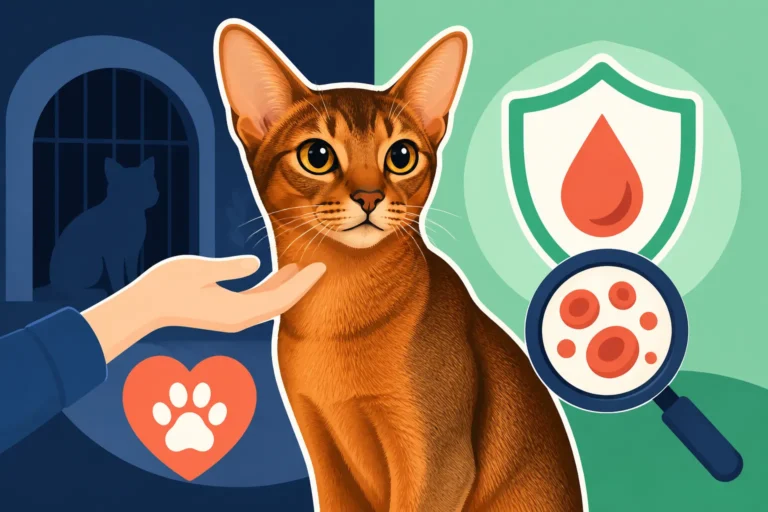
Pyruvate Kinase Deficiency testing for rescue Abyssinians explains inherited anemia risks and helps owners manage hidden genetic health issues.
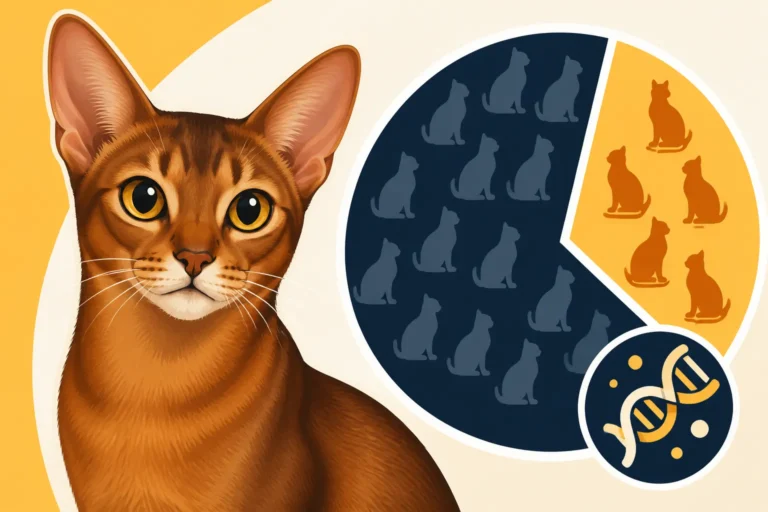
Abyssinian carrier rates for Pyruvate Kinase Deficiency and the vital genetic testing needed for responsible cat breeding.
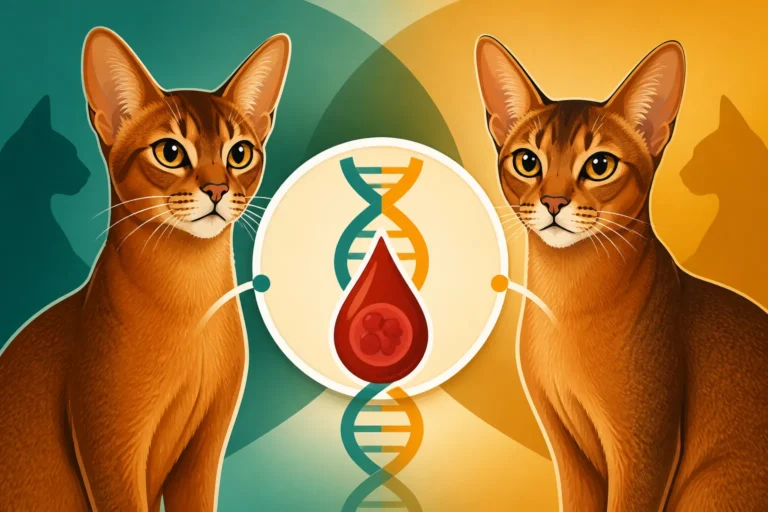
Pyruvate Kinase Deficiency affects Abyssinian and Somali cats due to their shared genetic history and common ancestral gene pool.
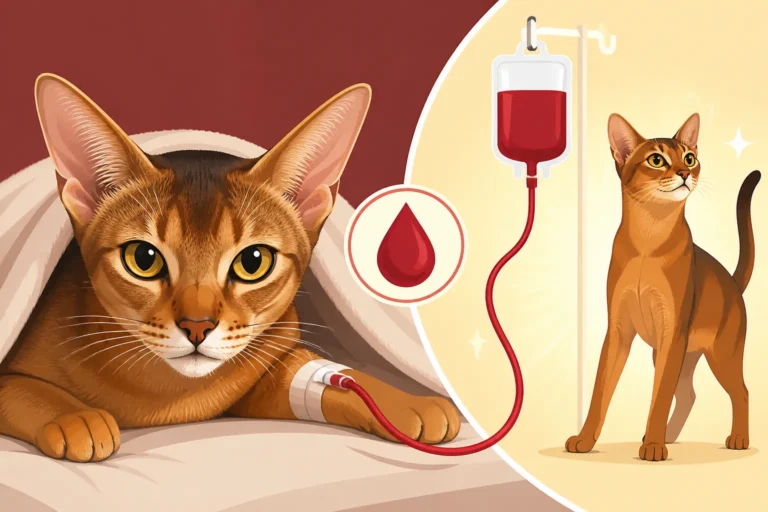
Abyssinian anemia symptoms, packed cell volume tests, and blood transfusion criteria determine emergency veterinary care for cats.
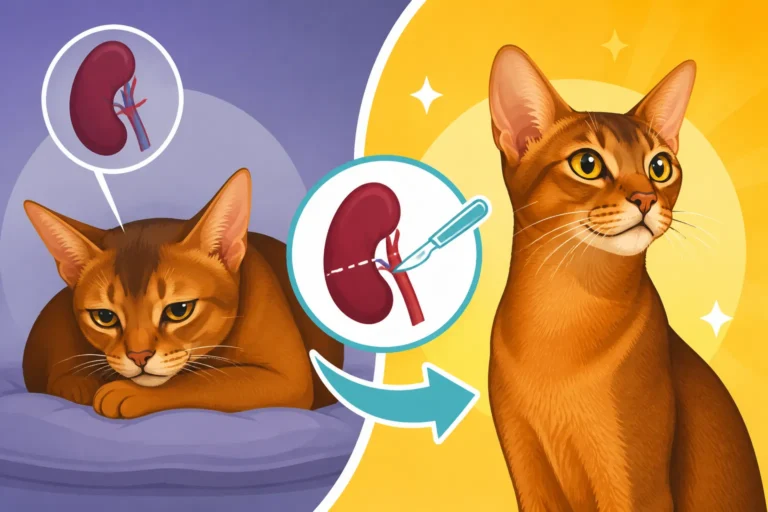
Pyruvate Kinase Deficiency in Abyssinians causes severe anemia. This surgical guide explains how spleen removal improves red blood cell survival.
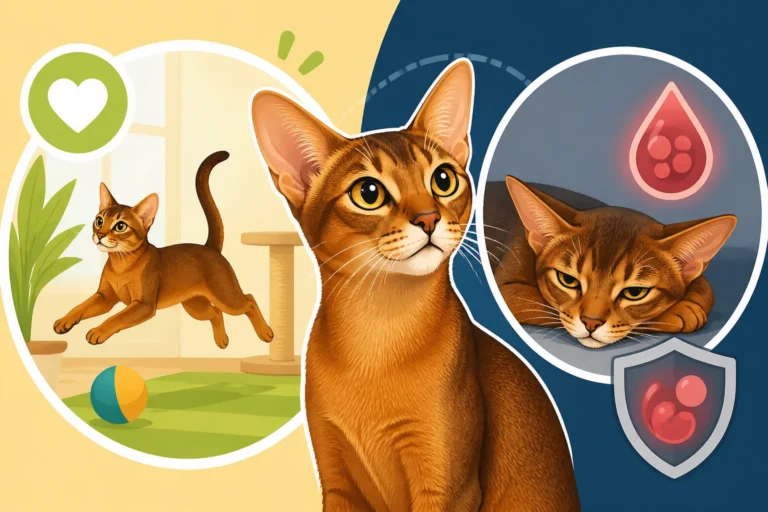
Abyssinian cats diagnosed with Pyruvate Kinase Deficiency can often live normally with careful management and proactive veterinary care.