Why an Abyssinian’s Tail Tip Is Darker
If you've ever admired an Abyssinian, you've probably noticed their striking, banded coat – a marvel of nature that sets them apart. But a common detail many new Abyssinian owners, and even some long-time admirers, might wonder about is why their elegant tail always seems to end in a darker tip. It's not just a random quirk; it's a fascinating characteristic rooted deeply in their genetics and breed standard. This guide will unravel the mystery behind that distinctly darker tail tip, explaining the science, the breed expectations, and how it contributes to the Abyssinian's overall allure.
Understanding the Abyssinian's Ticked Coat
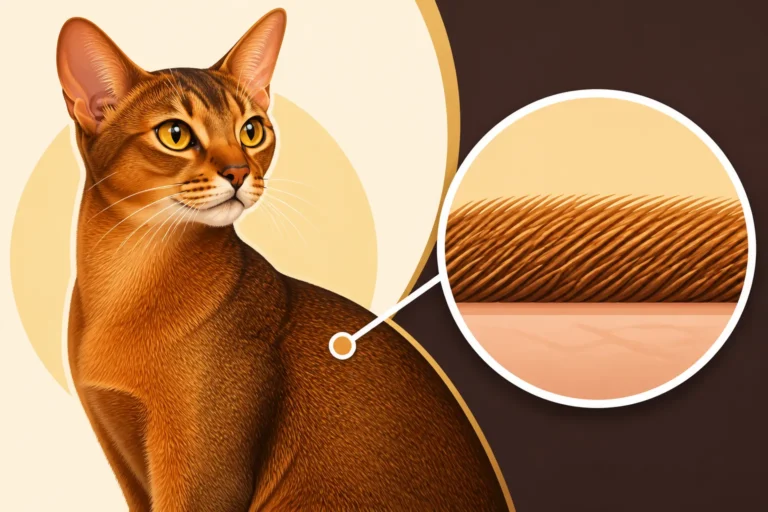
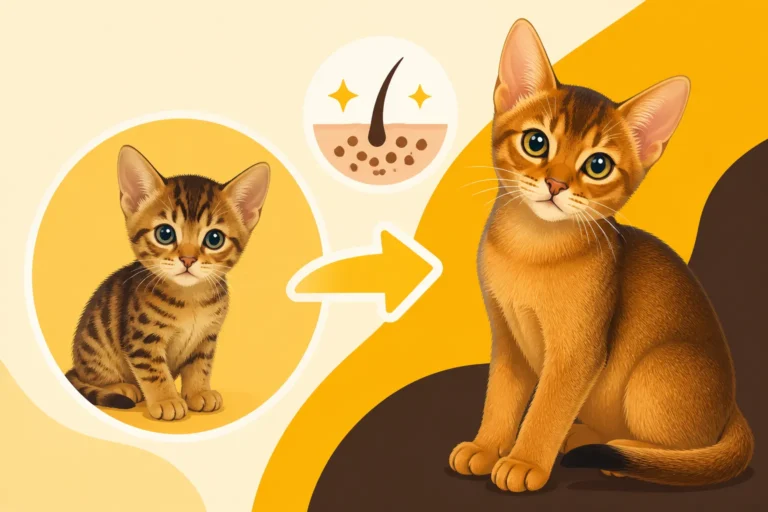
The Abyssinian coat is truly a wonder, often described as shimmering or iridescent, and it's all thanks to something called "ticking." Unlike a tabby cat with distinct stripes or swirls, an Abyssinian's coat appears essentially solid-colored, yet each individual hair boasts multiple bands of color. Imagine a tiny rainbow on every strand – typically three or four bands of alternating dark and light pigment. This isn't just a surface characteristic; it's what defines the entire look and feel of their fur.
This unique banding is controlled by the agouti gene, which essentially determines when and where pigment is deposited along the hair shaft. For an Abyssinian, this gene creates a pattern where the pigment cells "turn on" and "turn off" as the hair grows, resulting in those distinctive bands. The tip of each hair usually carries the darkest pigment, while the base is lighter. This meticulous detail is why an Abyssinian doesn't have stripes or blotches; instead, the light and dark bands give the impression of a deep, rich, and ever-changing color as the cat moves through different lighting conditions. It’s truly something you have to see in person to fully appreciate how it catches the light. How an Abyssinian's Agouti Banding Works
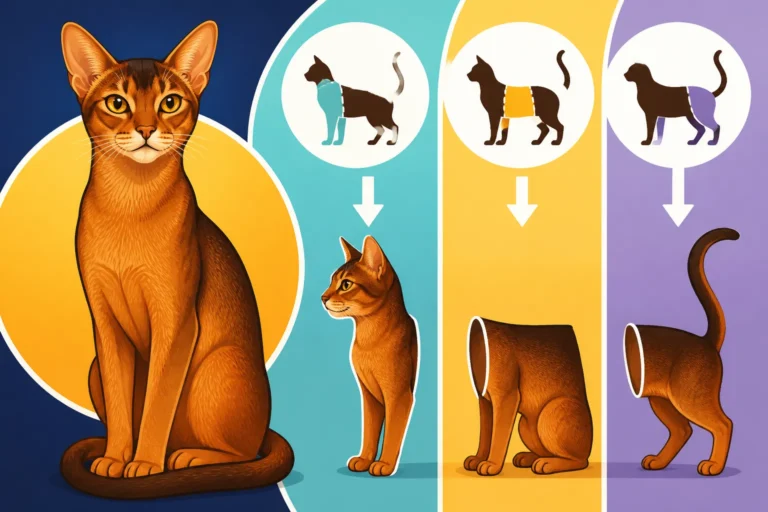
The breed standard for Abyssinians specifically calls for this ticking to be uniform over most of the body. You want to see that beautiful, even distribution, a testament to careful breeding. Any visible barring or "necklaces" on the legs or chest would be considered a fault in the show ring, as it indicates a less refined expression of the agouti gene. This is why breeders work so hard to maintain the purity of the ticked pattern. They are aiming for that wild, untamed look without the actual markings of a wild cat. This evenness is crucial to the Abyssinian's distinct aesthetic. To learn more about this incredible feature, you might want to read The Ticked Coat Is the Whole Abyssinian Grooming Job.
The Genetic Influence on Pigment Distribution
So, why does the tail tip get special treatment and appear darker? It comes down to how pigment is genetically instructed to be distributed across the body, especially at the extremities. While Abyssinians are not point-colored cats in the same way a Siamese is (where color is dictated by temperature), there's still a natural tendency for pigment concentration at the furthest points of the body. Think about it: ear tips, paw pads, and yes, the very tip of the tail. These areas often receive a denser deposit of eumelanin, which is the pigment responsible for black and brown tones.
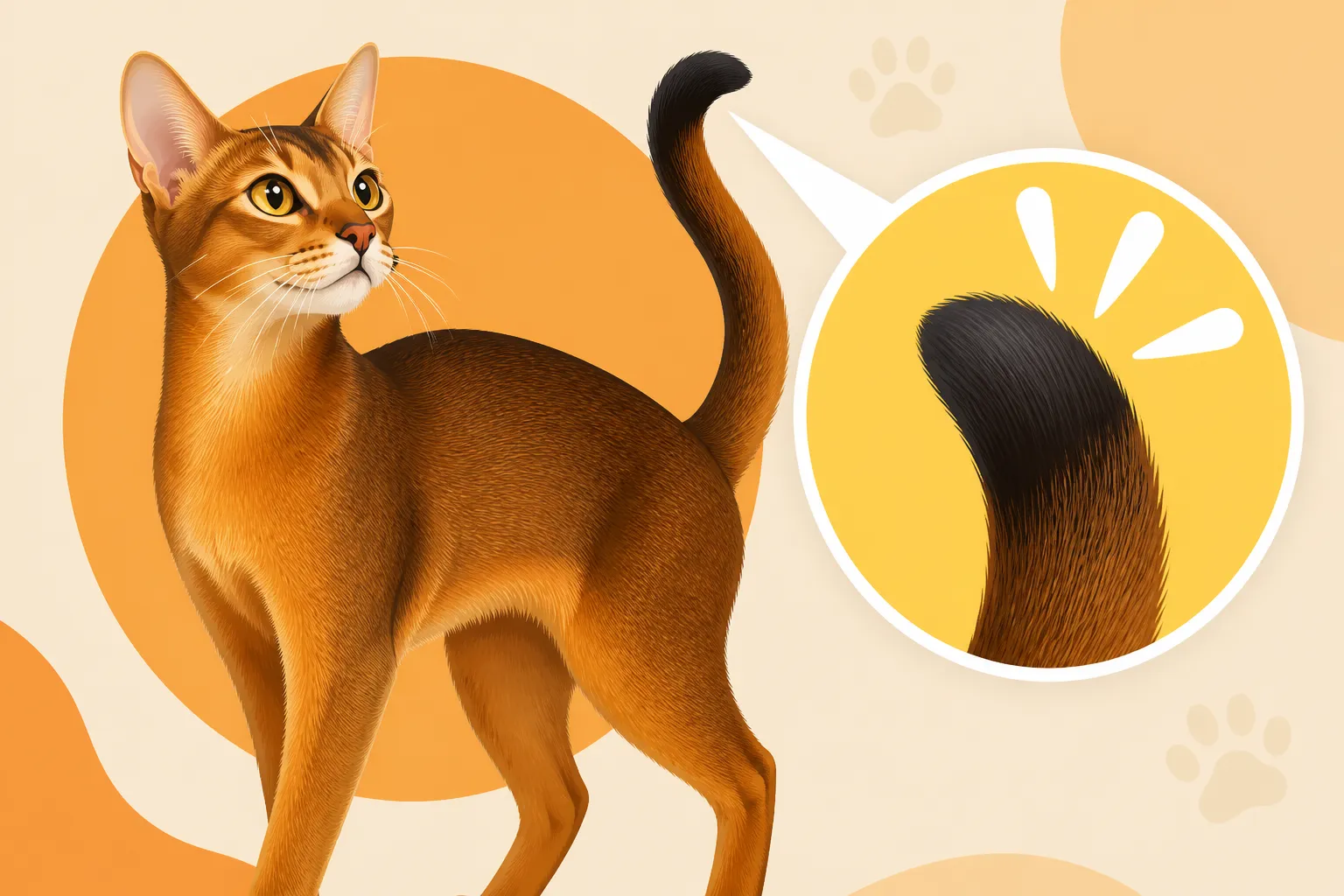
In an Abyssinian, this means that even though the body hairs are exquisitely ticked, the hairs at the very end of the tail often have a much shorter light band, or sometimes, no light band at all, at their tips. The genetic instructions for pigment production lead to a more concentrated expression of the darkest band of color at the tail's terminus. It’s like the genetic blueprint says, "Okay, put a little extra dark here, at the very end." This isn't a defect; it's a characteristic trait of the breed, contributing to their balanced and finished appearance. It’s part of what gives the Abyssinian its refined silhouette.
Consider the four primary colors of the Abyssinian: Ruddy, Sorrel, Blue, and Fawn. Each color arises from different genetic modifiers acting on that base agouti gene, but the principle of the darker tail tip remains. A Ruddy Abyssinian, for instance, will have a tail tip that is a deep, rich black, complementing its warm, brown-to-black ticking. A Sorrel, with its cinnamon-red tones, will have a dark chocolate-brown tip. Blues will sport a slate-grey tip, and Fawns, the palest of the group, will have a soft, mushroom-grey tip. It's always a darker version of their primary ticking color. What a Ruddy Abyssinian Actually Looks Like elaborates on these beautiful distinctions.
Why the Tail Tip is Denser in Color
The density of color at the tail tip isn't just about the presence of dark pigment; it's about the concentration and expression of that pigment within the ticked pattern. On the main body, the alternating light and dark bands are very evident, giving the coat its characteristic shimmering depth. However, as you move towards the very end of the tail, the genetic programming shifts subtly. The dark bands become longer, and the light bands become shorter, or in some cases, entirely suppressed, leading to a visibly solid, dark tip.
This creates an illusion of a completely solid color at the tip, even if microscopic examination might still reveal some rudimentary banding on individual hairs. What your eye sees is a consistent block of the darkest shade present in the cat's genetic makeup. This is a deliberate aesthetic feature, one that breeders strive for. It acts as a lovely punctuation mark, completing the cat's elegant line and highlighting the graceful taper of the tail. How an Abyssinian's Tail Should Taper is an interesting read on this very topic.
Think of it like a finely painted piece of art: the main canvas has intricate details and blends, but a strong, dark outline or accent at the edge defines and finishes the piece. For the Abyssinian, the dark tail tip is that final, defining stroke. It contrasts beautifully with the otherwise softly graduated ticking of the body, making the overall coat appear even more sophisticated. This genetic trait is so ingrained that it's often used as one of the visual cues to identify a true Abyssinian, even for those less familiar with the breed's intricacies. The consistency of this trait across different color varieties further underscores its importance in the breed's genetic blueprint.
Here’s a quick overview of how the tail tip typically presents across the recognized Abyssinian colors:
| Abyssinian Color | Dominant Body Ticking | Tail Tip Color | Description of Tip |
|---|---|---|---|
| Ruddy | Warm brown/black | Black | Deep, rich charcoal black. |
| Sorrel | Cinnamon/red | Chocolate Brown | Dark, warm brown, complementing body. |
| Blue | Slate grey/blue | Slate Grey | Dark cool grey, almost black. |
| Fawn | Rosy cream/tan | Mushroom Grey | Soft, muted dark grey-brown. |
This consistent darker tipping helps maintain the wild aesthetic of the Abyssinian, echoing patterns seen in some wild felines where extremities often carry more intense pigmentation. It’s a subtle nod to their ancestral roots, refined through generations of selective breeding to become the hallmark we admire today.
Care Considerations and What to Expect
When it comes to caring for your Abyssinian, the darker tail tip doesn't require any special treatment. It's purely a cosmetic trait, part of their natural beauty. However, it’s always a good idea to keep an eye on your cat’s tail and general coat health, as these can be indicators of overall well-being.
Your Abyssinian's coat, including the tail, should always feel soft and lie close to the body, free of mats or tangles. Because they have such a fine, single coat with very little undercoat, regular grooming is relatively easy. A weekly brush with a soft rubber mitt or a fine-toothed comb is usually sufficient to remove loose hairs and distribute natural oils, keeping their coat gleaming. Products like grooming mitts available on Chewy or soft brushes from Amazon can make this a pleasant bonding experience for both of you. An Abyssinian Needs Brushing Once a Week and No More provides a detailed guide on this.
While the tail tip itself won't change color significantly over time, changes in the overall coat can sometimes be observed with age or health issues. For example, older Abyssinians may experience a slight fading or dulling of their ticking. Why an Old Abyssinian's Ticking Fades delves into this natural process. However, the contrast of the darker tail tip against the body color usually remains consistent, albeit perhaps a shade softer if the entire coat has lightened. If you notice any drastic or sudden changes in your cat's coat color or texture, or if their tail seems to be shedding excessively at the tip, it's always wise to consult your veterinarian to rule out any underlying health concerns.
Ensuring your Abyssinian receives a high-quality, protein-rich diet will also contribute to a healthy, vibrant coat, which in turn ensures that the genetic expression of their beautiful ticking and tail tip color remains optimal. Good nutrition supports healthy skin and hair follicle function, making sure each hair grows strong and true to its intended color pattern. Healthy cats simply look their best, and their coat is often the first visible sign of their internal health.
In essence, the darker tail tip is a charming, genetically predetermined feature that adds to the Abyssinian's distinctive and elegant profile. It’s a testament to the intricate beauty of the breed's genetics and one more reason why these active, intelligent cats continue to captivate enthusiasts worldwide. It's not something to worry about; it's something to appreciate as a signature characteristic of this incredible feline friend.
Disclaimer
This article is for general informational purposes only and does not constitute professional advice. Laws, prices and regulations vary by location and change over time. Consult a qualified professional for guidance on your specific situation.