How Fine an Abyssinian’s Coat Feels
If you've ever had the pleasure of stroking an Abyssinian cat, you probably instantly noticed something truly special about their coat. It's not just "short"—it's an experience in tactile delight, unlike many other cat breeds you might encounter. This guide is all about diving deep into that unique feel, explaining why it's so distinctive, what makes it that way, and how to keep it in prime condition for endless petting sessions.
The Unique Texture of an Abyssinian Coat
Let's be honest, when you think of a cat, often the first thing that comes to mind is either sleek, short hair or a fluffy, dense long coat that sheds everywhere. The Abyssinian, however, offers something quite different, something that often surprises first-time owners and admirers alike. Their coat isn't just short; it's a marvel of fine, soft texture that feels almost impossibly smooth to the touch.
The Silken Secret: What "Fine" Really Means
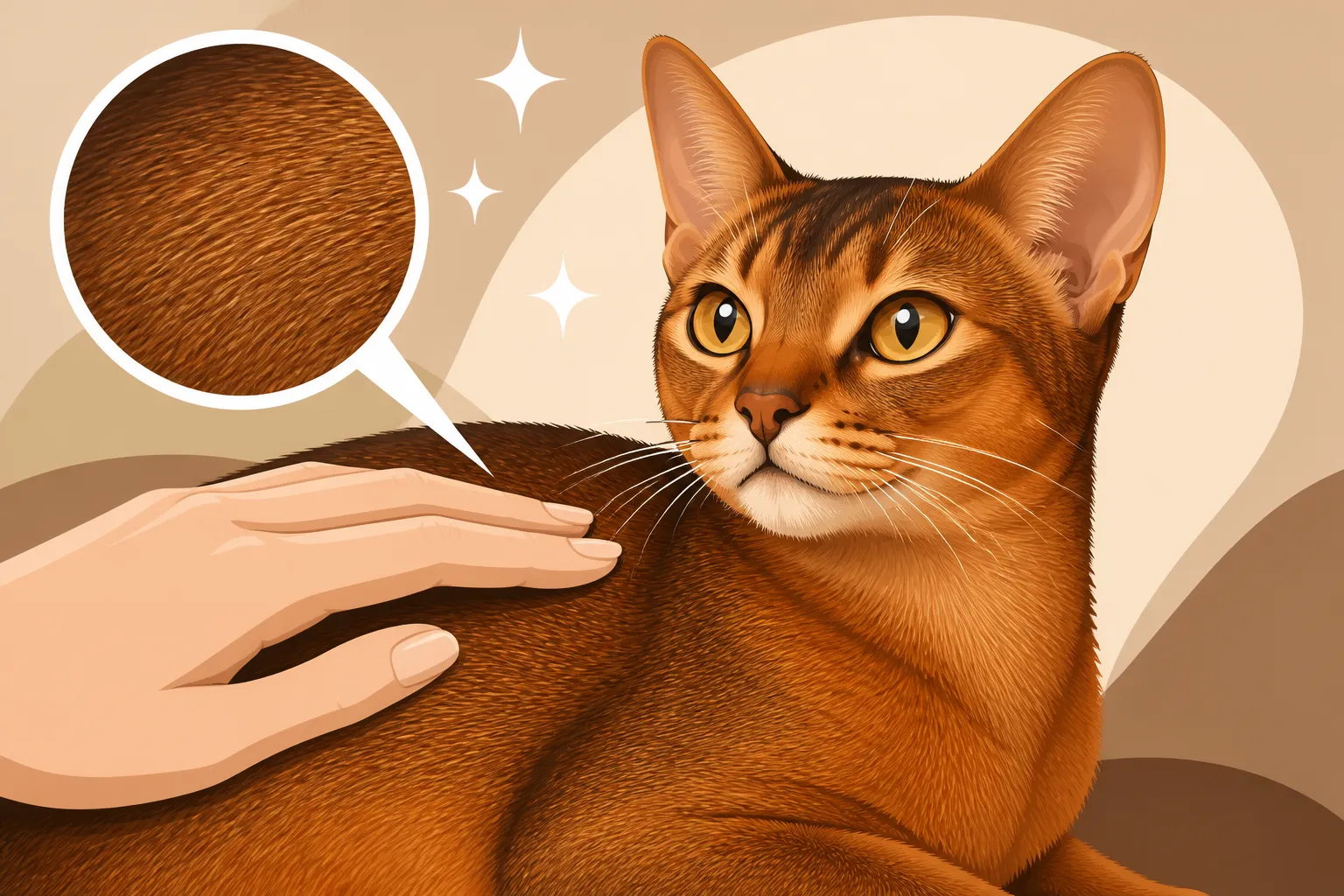
When we talk about an Abyssinian's coat being "fine," we're really talking about the individual hair shafts themselves. Unlike many other breeds, which might have coarser guard hairs or a dense, woolly undercoat, the Abyssinian possesses hair that is incredibly delicate and slender. Imagine the difference between a strand of silk and a strand of cotton, and you're getting closer to understanding the distinction. Each hair is relatively thin, allowing it to lie very close to the body, creating a remarkably sleek profile.
This fineness contributes significantly to the overall feel, making the coat glide effortlessly under your hand. It's not bristly or rough in the slightest, a common trait in some other shorthair breeds. Instead, it offers a sensation of exquisite softness, almost like brushed velvet. Many people describe it as being "springy" or resilient, despite its apparent delicacy. You can stroke against the grain, and while the hairs might stand up for a moment, they quickly resettle into their smooth, flat position, highlighting the elasticity of the individual strands. This contributes to the low-maintenance grooming routine, as the hairs rarely tangle or mat.
The Ticking Effect: Visual and Tactile Harmony
The Abyssinian's iconic "ticked" coat is not just a visual spectacle; it plays a crucial role in how the coat feels. Ticking means that each individual hair shaft has multiple bands of color, alternating light and dark, usually three or four bands. This creates that stunning, shimmering, almost iridescent effect as your Abyssinian moves, making them look like a tiny puma or a miniature cougar on the prowl. You can read more about Why Each Abyssinian Hair Carries Three or Four Bands.
From a tactile perspective, the ticking doesn't introduce any roughness. In fact, because there are no distinct tabby stripes or patches, the coat presents an unbroken, uniform texture. Your hand isn't encountering variations in hair thickness or direction that might occur with patterns. Instead, it's a consistent, flowing canvas of softness. The way the light plays on the ticked hairs also subtly alters how you perceive its texture, making it seem even more luxurious. When you run your hand over an Abyssinian, you don't feel a series of patterns; you feel a smooth, unbroken wave of softness. This uniform density, combined with the fineness of the hair, is what gives their coat its signature, almost slippery-smooth touch.
Minimal Undercoat, Maximum Comfort
One of the defining characteristics of the Abyssinian coat, and a key reason for its fine feel, is the almost complete absence of a dense undercoat. Many cat breeds, especially those from colder climates or long-haired varieties, have a thick, woolly undercoat beneath their coarser guard hairs. This undercoat provides insulation but also contributes to bulk, shedding, and a different tactile experience. For an Abyssinian, however, the undercoat is exceptionally sparse, if present at all, allowing their topcoat to lie incredibly close to their body.
This lack of a heavy undercoat means several things. Firstly, it keeps the cat feeling sleek and lightweight, perfectly suited for their active, agile lifestyle. There's no bulky fur to impede their movement or add unnecessary warmth. Secondly, it's fantastic for us humans. Less undercoat means significantly less shedding around the house, which is a massive relief for anyone who has ever wrestled with a constantly shedding feline companion. You'll still find some hairs, of course, but it's usually minimal and fine, easily manageable with a light weekly brush. This also means How Thin an Abyssinian's Undercoat Really Is, making it a unique feature among cat breeds.
Comparing the Abyssinian Coat to Other Breeds
When you're considering an Abyssinian, it's helpful to understand how their coat stands apart from other popular breeds. It's not just a matter of short versus long; it's about the very structure and feel of the fur itself.
Short-Haired vs. Abyssinian: A World of Difference
Many domestic shorthair cats, while having short fur, often possess a coat that feels quite different from an Abyssinian's. A typical domestic shorthair might have a denser, slightly coarser coat, especially if they have some mixed ancestry that includes breeds with a thicker undercoat or guard hairs. This can result in a coat that feels a bit more robust, perhaps even slightly bristly when stroked against the grain. You might notice more shedding from a domestic shorthair, too, as that denser undercoat tends to come out more readily, especially seasonally.
| Feature | Abyssinian Coat | Typical Domestic Shorthair Coat |
|---|---|---|
| Hair Fineness | Extremely fine, delicate individual hair shafts | Varies, often coarser; thicker individual hairs |
| Undercoat | Minimal to none, coat lies very close to body | Present, often dense, contributing to bulk and shed |
| Texture Feel | Silky, soft, smooth, like brushed velvet | Can be soft, but often feels denser, sometimes coarse |
| Visual Aspect | Ticked, shimmering, no distinct stripes or spots | Often has stripes (tabby), patches, or solid color |
| Shedding Level | Low | Moderate to high, especially seasonally |
With an Abyssinian, the experience is consistently soft and supple. The hairs lay so close to the body, almost like a second skin, creating that famously sleek and athletic appearance. While breeds like the Siamese also have very short, fine, close-lying coats, the Abyssinian's ticking adds another layer of visual and tactile interest without compromising its overall smooth feel. The closest comparison in texture might be certain exotic shorthairs bred for extreme fineness, but even then, the Abyssinian holds its own with that signature "bunny soft" touch.
The Long and Short of It: Abyssinians and Somalis
It's fascinating to talk about the Abyssinian's coat alongside that of the Somali, because the Somali is essentially a long-haired Abyssinian. They share much of the same genetic heritage, but a recessive gene gives the Somali its characteristic longer, fuller coat. However, even with the added length, the individual hair shafts of a Somali still retain much of the Abyssinian's fineness. This means that while a Somali's coat is undeniably longer and more voluminous, it's not typically coarse or woolly.
A Somali's coat will feel softer than many other long-haired breeds, often described as plush and luxurious, rather than dense and thick like a Persian or Maine Coon. It still shimmers with that beautiful ticking, though the longer length allows for more visual depth. So, if you're drawn to the Abyssinian's fine texture but prefer a longer coat, the Somali offers a wonderful compromise, preserving that soft, delicate feel in a more flowing package. Understanding this distinction can help you appreciate The Abyssinian Is the Busiest Cat in the House while its long-haired cousin, the Somali, offers a similar temperament with a different coat.
Living with That Silky Abyssinian Coat
Beyond the initial "wow" factor of how an Abyssinian's coat feels, there are practical benefits and considerations that come with living with such a unique fur type. It truly makes a difference in daily life, both for you and your beloved companion.
Grooming: Less Work, More Cuddles
One of the absolute joys of owning an Abyssinian is their incredibly low-maintenance grooming requirements. Because their coat is so fine, short, and lacks a dense undercoat, it rarely mats or tangles. This is a huge relief for busy owners or those who aren't keen on extensive grooming sessions. You won't be spending hours detangling knots or battling shedding fur.
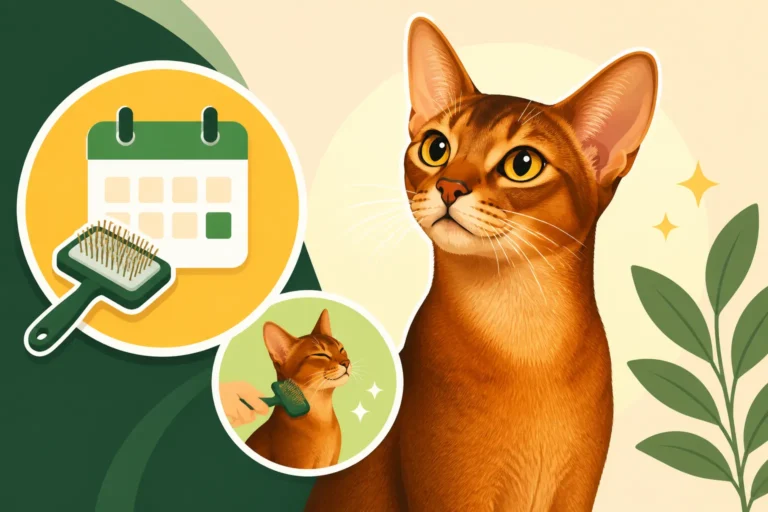
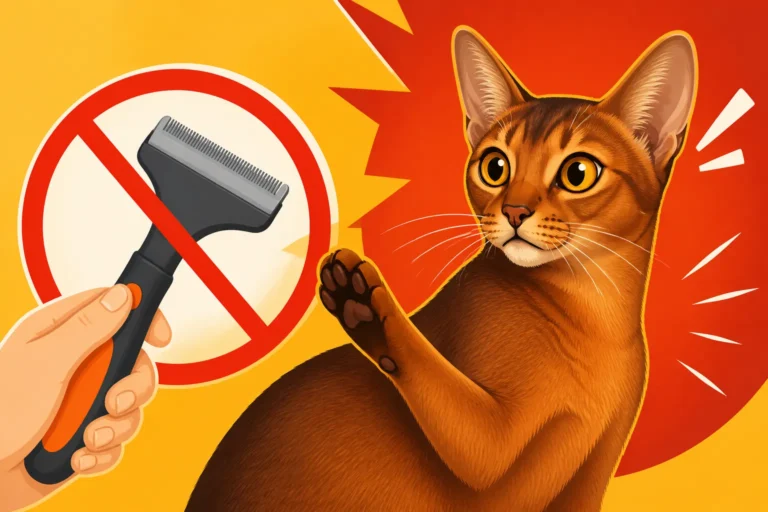
A simple weekly brush with a soft rubber grooming mitt or even just a good rub-down with a chamois cloth is usually all it takes to keep their coat gleaming and to remove any loose hairs. This routine isn't just for cleanliness; it's a wonderful bonding experience for both of you. Many Abyssinians absolutely adore being petted and rubbed, and these short grooming sessions become another form of affection. Remember that An Abyssinian Needs Brushing Once a Week and No More, so don't overdo it with aggressive tools. In fact, Why the Wrong Brush Flattens an Abyssinian's Ticking, so stick to gentle options. You can find excellent soft grooming mitts on platforms like Amazon that are perfect for their delicate fur, ensuring you enhance their natural sheen without causing any damage.
Shedding: A Surprisingly Clean Affair
The question of shedding is always a big one for potential cat owners, and here, the Abyssinian truly shines. While no cat is truly "non-shedding" – they all lose some hair – Abyssinians are remarkably low shedders compared to many other breeds. The combination of their fine, short hair and minimal undercoat means there's simply less fur to fall out.
This is fantastic news for keeping your home tidier and for those who might have mild sensitivities to cat dander. You'll still find a few stray hairs, especially during seasonal changes, but it's usually very manageable and won't form those infamous "fur tumbleweeds" that some other breeds are known for. It means less time vacuuming and more time enjoying your active, playful companion. This minimal shedding contributes greatly to the overall ease of living with an Abyssinian, making them a surprisingly "clean" cat in terms of hair around the house. You might be interested in Why an Abyssinian's Single Ticked Coat Barely Sheds to understand the science behind it.
Coat Changes: What to Expect Over a Lifetime
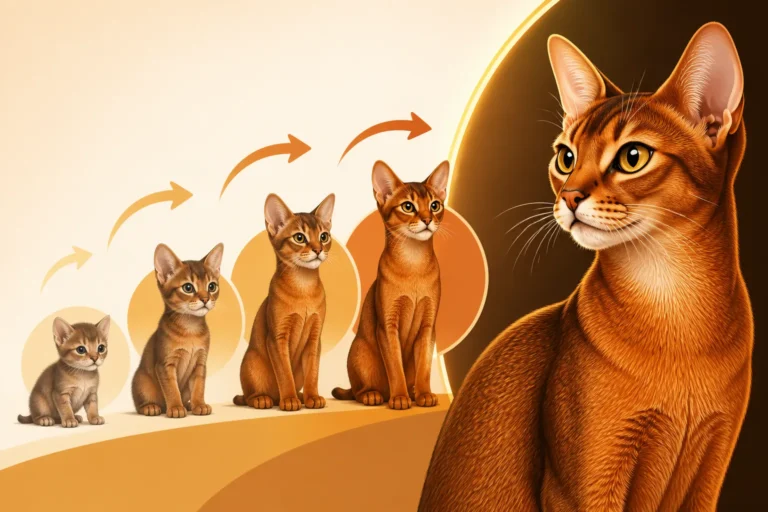
An Abyssinian's coat is a dynamic thing, and while its essential fineness remains, you might observe subtle changes throughout their life. Kitten coats, for instance, can sometimes appear a little "blotchy" or less refined than an adult's. Their ticking might not be fully developed, and the fur might feel slightly softer and fluffier initially. This is completely normal and part of their development. As they mature, typically around six months to a year, their adult coat comes in, and that signature fine, ticked texture becomes fully established.
Environmental factors can also play a role. Exposure to strong sunlight can sometimes lighten their coat color over time, and even affect the softness, making it feel a little drier if they spend a lot of time basking. Seasonal changes can bring about a slightly thicker coat in winter for warmth, and then a minor increase in shedding as they lighten up for summer. However, these changes are usually quite subtle, and the core fineness and close-lying nature of their coat will always remain. As your Abyssinian ages, you might notice the coat becoming slightly less dense, but it should still retain its characteristic softness.
Protecting and Maintaining the Abyssinian's Signature Feel
While the Abyssinian's coat is naturally gorgeous and easy to maintain, there are still things you can do to ensure it stays in peak condition – feeling wonderfully soft and looking beautifully shiny throughout their life.
Diet's Role in Coat Health
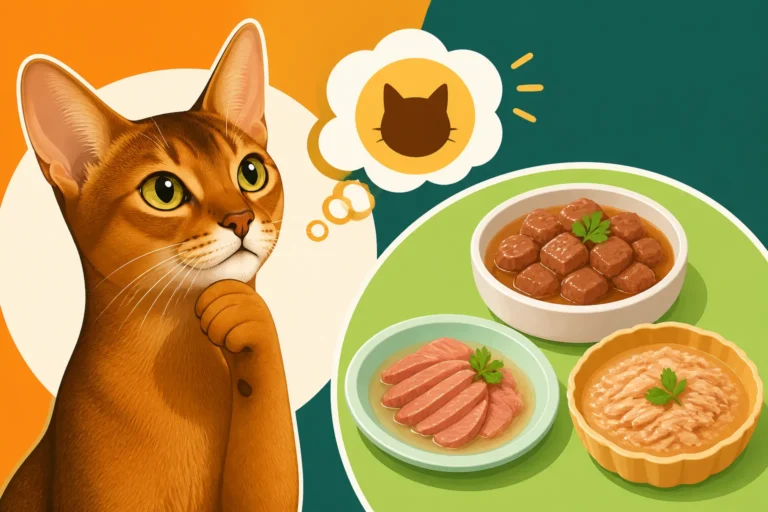
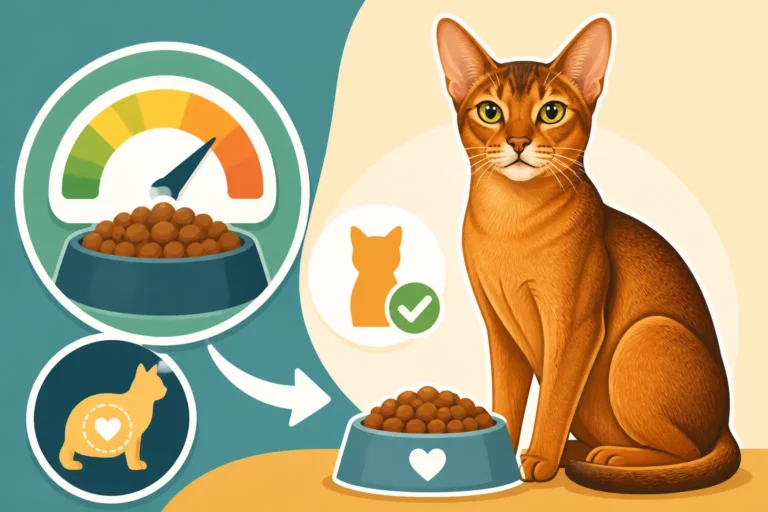
What your Abyssinian eats has a profound impact on the health and appearance of their coat. A high-quality diet rich in animal-based protein and essential fatty acids (like Omega-3s and Omega-6s) is crucial for skin and coat vitality. These nutrients help produce the natural oils that keep the fur soft, supple, and gleaming. If your Abyssinian's coat starts to feel dry, dull, or coarse, one of the first things to look at is their diet. Are they getting enough high-quality protein? Are the fats in their food beneficial?
Poor nutrition can lead to a lackluster coat that lacks its characteristic sheen and softness. Avoid foods with excessive fillers or low-quality ingredients, as these can fail to provide the building blocks needed for healthy skin and hair. Many owners find success with premium commercial cat foods that list meat as the primary ingredient. Some even explore fresh food options with tailored plans that can truly make a difference in coat quality. Remember, a healthy inside almost always reflects a healthy outside, especially when it comes to that magnificent Abyssinian coat. When you're thinking about What to Feed an Abyssinian That Never Stops Moving, always prioritize coat health as a key benefit.
Environmental Factors: Keep that Shine!
The environment your Abyssinian lives in also plays a part in maintaining the exquisite feel of their coat. While they love to bask in sunbeams, prolonged exposure to intense sunlight can, over time, slightly dry out their fur and even fade their vibrant ticked colors. Think of it like human hair getting sun-bleached and dried out – the same can happen to a cat's coat. Providing shaded spots or ensuring they don't spend all day in a hot, sunny window can help preserve their coat's natural luster and softness.
Indoor humidity levels can also subtly influence coat health. Very dry air, especially in heated homes during winter, can contribute to dry skin and a less lustrous coat. While you don't need to turn your home into a rainforest, maintaining a comfortable humidity level can benefit both your cat's skin and coat, as well as your own. Ultimately, keeping your Abyssinian comfortable and hydrated (they should always have access to fresh water) contributes to overall health, which in turn means a gorgeous, touchable coat. Why an Abyssinian's Coat Shimmers When It Moves is greatly enhanced by these environmental considerations.
Disclaimer
This article is for general informational purposes only and does not constitute professional advice. Laws, prices and regulations vary by location and change over time. Consult a qualified professional for guidance on your specific situation.