Whether an Abyssinian Feels Warm to the Touch
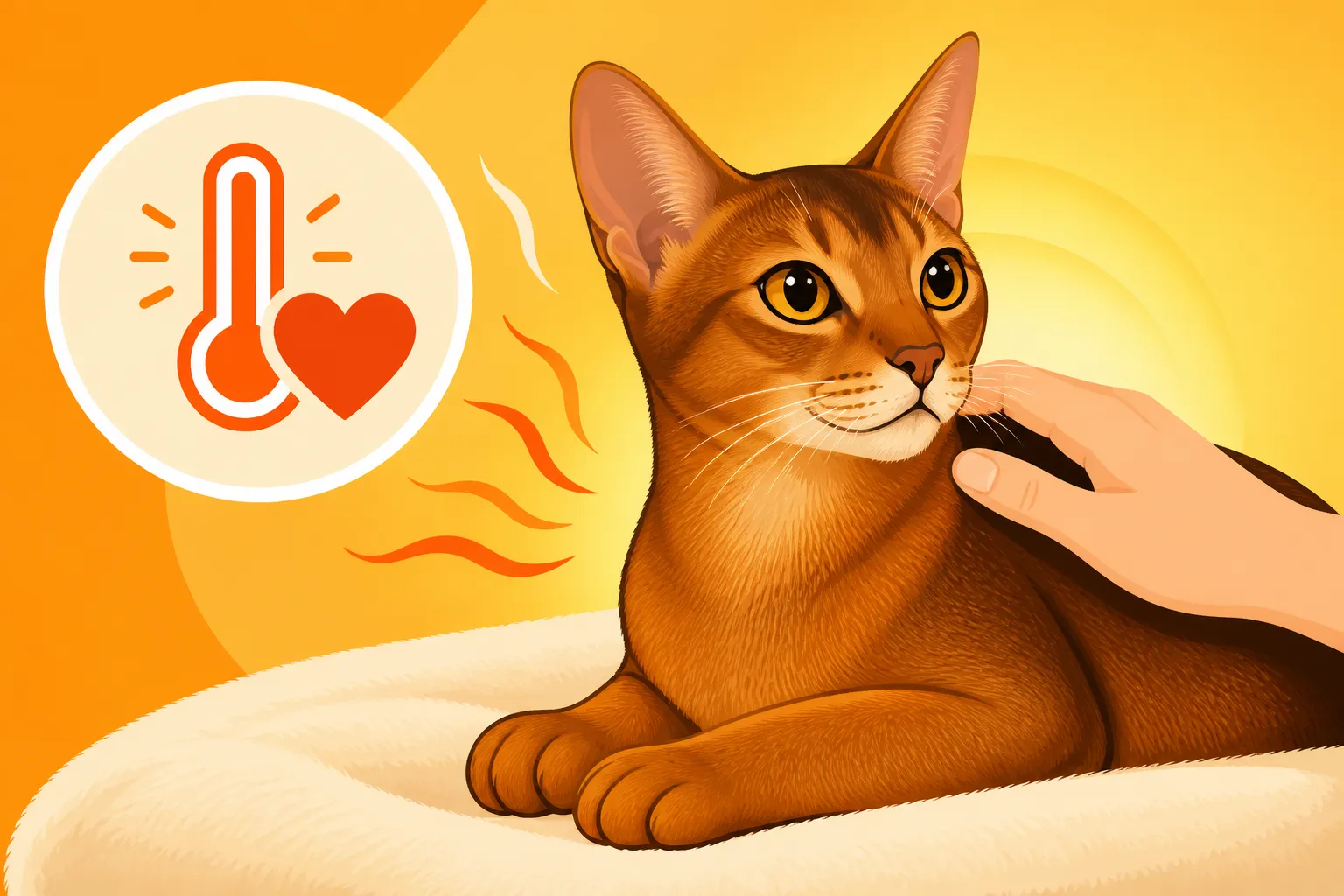
It's a common observation among Abyssinian owners, and even those who just visit one, that these cats often feel remarkably warm to the touch. You might pick them up, and their little bodies feel like a warm stone, almost radiating heat, leading you to wonder if they're always running a low-grade fever! This guide is here to unravel why your Abyssinian feels so toasty, exploring the unique characteristics of their coat, their famously high energy levels, and how these factors contribute to that distinct warmth, offering reassurance that it's usually just another charming Aby trait.
The Abyssinian's Unique Coat: A Masterclass in Ticking
One of the first things people notice about an Abyssinian, after their stunning looks and boundless energy, is often the feel of their fur. It's unlike many other breeds, and this unique coat structure plays a huge role in why they can feel so warm when you pet them or hold them close.
The Barely-There Undercoat: What it Means for Temperature
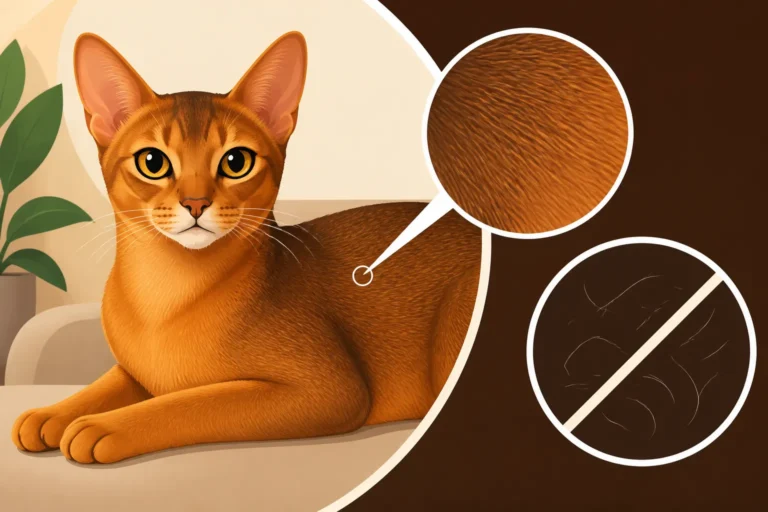
Unlike many popular cat breeds, especially those from colder climates or long-haired varieties, Abyssinians possess what's often described as a "single coat." What does this mean in practical terms? It means they have very little to no undercoat – that dense, fluffy layer of fur that acts as insulation for cats like Persians or Maine Coons. Imagine wearing a single thin sweater versus a thick woolly one with a thermal undershirt. The Abyssinian is definitely in the thin sweater camp!
This absence of a thick undercoat means there's less of a barrier between your hand and your cat's actual skin. When you pet a cat with a dense double coat, you're feeling the outer guard hairs and a thick layer of fluff, which diffuses their body heat. With an Abyssinian, you're getting much closer to the source. Their fine, close-lying hair allows their natural warmth to transfer much more readily to your hand, giving that immediate sensation of warmth. It's not that they are hotter, but that their heat is more accessible. This is also why you might find The Ticked Coat Is the Whole Abyssinian Grooming Job to be surprisingly straightforward.
The Fine Texture and Close-Lying Hair: More Than Just Looks
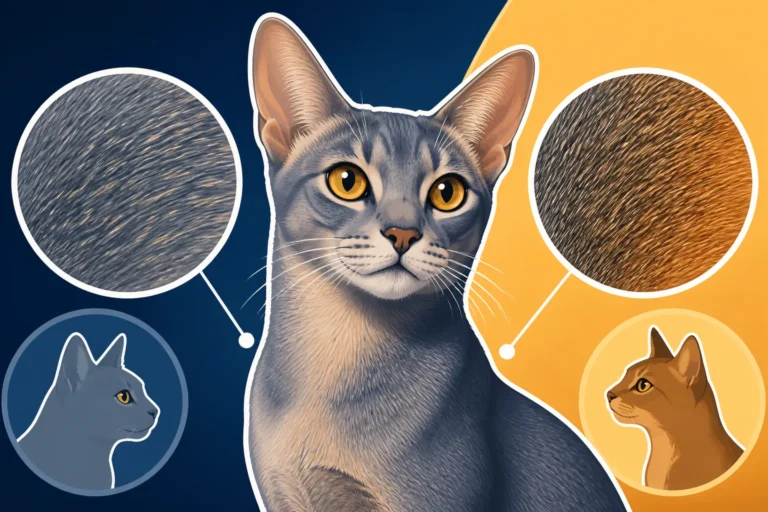
Beyond the lack of undercoat, the quality of an Abyssinian's fur itself contributes to this feeling. Their coat is remarkably fine, soft, and silky. It lies very close to their body, almost like a second skin, rather than standing out in a plush cloud. This sleekness, while beautiful and a joy to stroke, offers less insulating volume compared to a coat that has more loft.
Think about the difference between a tightly woven silk scarf and a fluffy fleece blanket. Both can be warm, but the silk scarf, when pressed against your skin, will transmit your body heat (or the heat of the environment) much more directly. The Abyssinian's coat is similar; its fineness and closeness mean that when you cradle your Aby, that lovely internal body heat isn't trapped quite as effectively as it would be in a fluffier cat. Instead, it radiates outwards, making your Abyssinian feel like a living, breathing hot water bottle. It's one of the reasons Why an Abyssinian's Coat Lies Close to the Body.
Why You Might Perceive Your Abyssinian as "Warm"
It's not just the coat; there's a combination of biology and behavior that makes these little dynamos feel so warm and cozy. When you hold an Abyssinian, you're often getting a full sensory experience that reinforces that "warm" perception.
Body Heat and Surface Contact: The Science of Warmth
First, let's remember that a cat's normal body temperature is naturally higher than a human's. While ours hovers around 98.6°F (37°C), a cat's typical temperature range is between 100.4°F and 102.5°F (38°C and 39.2°C). So, even a perfectly healthy Abyssinian is inherently warmer than you are.
Now, combine this higher natural body temperature with their unique coat. When you pick up an Abyssinian and they curl against your chest, or when they settle on your lap for a rare moment of stillness, the direct contact with their sleek, minimally insulated body allows that internal warmth to be transferred very efficiently to your own skin. It's a noticeable difference compared to petting a cat with a thick, plush coat, where the fur acts as a buffer. That's why even a contented purr can feel like a little internal engine humming, radiating warmth directly into you. You might also notice this warmth if your Aby decides to perch on your shoulder, a common trait for the breed, as discussed in Why an Abyssinian Perches on Your Shoulder.
Activity Levels: A Warm Cat is an Active Cat
Abyssinians are famously energetic. They're not called the "clowns of the cat world" or "Aby-sinian" (as in, "a busy 'un") for nothing! They are constantly on the move, exploring, climbing, playing, and generally burning a tremendous amount of energy. All this activity generates internal body heat. Think about how warm you feel after a brisk walk or a workout – your body temperature rises as your metabolism works hard.
Your Abyssinian is essentially in a perpetual state of "brisk walk." Their high metabolism and constant motion mean their internal furnace is always stoked. A cat that spends much of its day napping might feel cooler because its body is at rest. An Abyssinian, always ready for the next adventure or game of chase, is consistently producing more heat. This makes their naturally higher body temperature even more palpable when you finally get them to settle down for a moment. They're often seeking warmth, which is another reason they might come to you, but they're also bringing their own heat with them! How Many Hours a Day an Abyssinian Stays Active touches on this perfectly.
Environmental Factors and Your Abyssinian's Comfort
While their internal warmth is a natural part of being an Abyssinian, their environment plays a crucial role in how they manage and utilize that warmth, especially given their specific coat type.
Seeking Warmth: How Their Coat Influences Behavior
Because Abyssinians lack that dense insulating undercoat, they are more susceptible to feeling chilly than many other breeds. This isn't to say they can't tolerate cool temperatures, but they don't have the same built-in thermal protection. Consequently, Abyssinians are often champion warmth-seekers. You'll find them gravitating towards sunny windows, cozy blankets, right next to radiators, or even burrowing under duvets.
Their desire for warmth means they often prefer to snuggle up against you, not just for affection, but also for the shared body heat. It's a mutually beneficial arrangement! This behavior is a direct consequence of their coat's inability to trap heat as effectively as a double coat. They need external sources of warmth to stay comfortable, and that often means a warm lap or a cozy bed. This is why you'll often see Why an Abyssinian Finds the Warmest Spot Without Help in the house. You might find them in unexpected places, as Why an Abyssinian Sleeps Higher Than Any Other Cat explores.
Staying Comfortable: Managing Temperature in Your Home
Given their lean build and minimal coat, ensuring your Abyssinian is comfortable in your home's temperature is key. They aren't built for drafty houses or extremely cold environments. Keeping your home at a consistent, comfortable temperature is important, especially in colder months.
Providing warm, inviting resting spots is also crucial. This could mean soft beds with extra blankets, heated cat beds, or elevated perches in sunny spots. Consider cat trees that offer enclosed spaces where they can curl up and retain their body heat. Many owners find their Abyssinians adore being wrapped in a soft blanket or having access to a cat tunnel for extra coziness. You can find a fantastic array of such products on online retailers like Amazon or Chewy, from cozy cave beds to window perches designed to catch the sun. This also links to How to Keep an Abyssinian Warm in Winter. Remember, an indoor lifestyle is paramount for Abyssinians, not only for safety but also for consistent temperature control.
When "Warm to the Touch" Becomes a Concern
While a warm Abyssinian is usually a happy, healthy Abyssinian, it's vital to distinguish between their normal, toasty warmth and signs that something might be genuinely amiss.
Distinguishing Normal Warmth from Fever
A normal Abyssinian will feel consistently warm, but their behavior and overall demeanor will be normal: energetic, alert, and engaged with their surroundings. If your Abyssinian suddenly feels exceptionally hot, or if their warmth is accompanied by other concerning symptoms, it's time to pay close attention.
Signs of a genuine fever or illness include:
- Lethargy or decreased activity: A normally zooming Aby suddenly quiet and still is a major red flag. Why a Suddenly Still Abyssinian Needs a Vet explains more.
- Loss of appetite or thirst changes: Refusing food or drinking significantly more or less than usual.
- Hiding or unusual behavior: Seeking isolation, which is uncharacteristic for this social breed.
- Unusually hot ears or nose: While their body might feel warm, an intensely hot nose (especially if dry) or ears can indicate fever.
- Changes in breathing: Rapid, shallow, or labored breathing.
If you observe any of these symptoms alongside an elevated warmth, contact your veterinarian immediately. It's always better to be safe than sorry, and early intervention can make a significant difference.
Hydration and Heat: Keeping Your Abyssinian Cool
Given their high activity levels and lean bodies, proper hydration is paramount for Abyssinians. Adequate water intake helps regulate body temperature and supports overall health, especially kidney function, which can be a concern for the breed. Why Wet Food Protects an Abyssinian's Kidneys highlights the importance of moisture in their diet.
Ensure your Abyssinian always has access to fresh, clean water. Many Abyssinians love to drink from running water, so a cat drinking fountain can be an excellent investment – you can find many highly-rated options on Chewy or Amazon. Consider incorporating wet food into their diet, as this provides a significant amount of moisture that dry kibble simply cannot. While it's rare for Abyssinians to overheat in a normal home environment, be mindful during very hot weather. Signs of overheating in a cat include panting (which is abnormal for cats unless highly stressed or overheated), rapid breathing, drooling, and bright red gums. If you suspect heatstroke, cool them with damp cloths and seek immediate veterinary care.
Here's a quick comparison of Abyssinian coats versus a typical double-coated cat:
| Feature | Abyssinian Coat | Typical Double-Coated Cat (e.g., Persian, Maine Coon) |
|---|---|---|
| Undercoat | Minimal to none | Thick, dense, fluffy |
| Texture | Fine, silky, soft | Coarse outer, soft fluffy inner |
| Lies | Close to the body | Stands out from the body, plush |
| Insulation | Less effective, heat transfers easily | Highly effective, traps body heat |
| Perceived Warmth | Often feels notably warm to the touch | Heat diffused by dense fur, may feel less warm |
| Shedding | Minimal | Moderate to heavy, especially seasonally |
| Grooming Needs | Low (weekly brush) | Moderate to high (daily brushing) |
Your Abyssinian feeling warm to the touch is, for the most part, a perfectly normal and endearing aspect of sharing your life with this vibrant breed. It's a testament to their unique coat structure, high metabolism, and often, their desire to be close to you. Embrace that warmth; it's just one of the many ways your Aby shows you they're a lively, healthy, and deeply affectionate companion.
Disclaimer
This article is for general informational purposes only and does not constitute professional advice. Laws, prices and regulations vary by location and change over time. Consult a qualified professional for guidance on your specific situation.