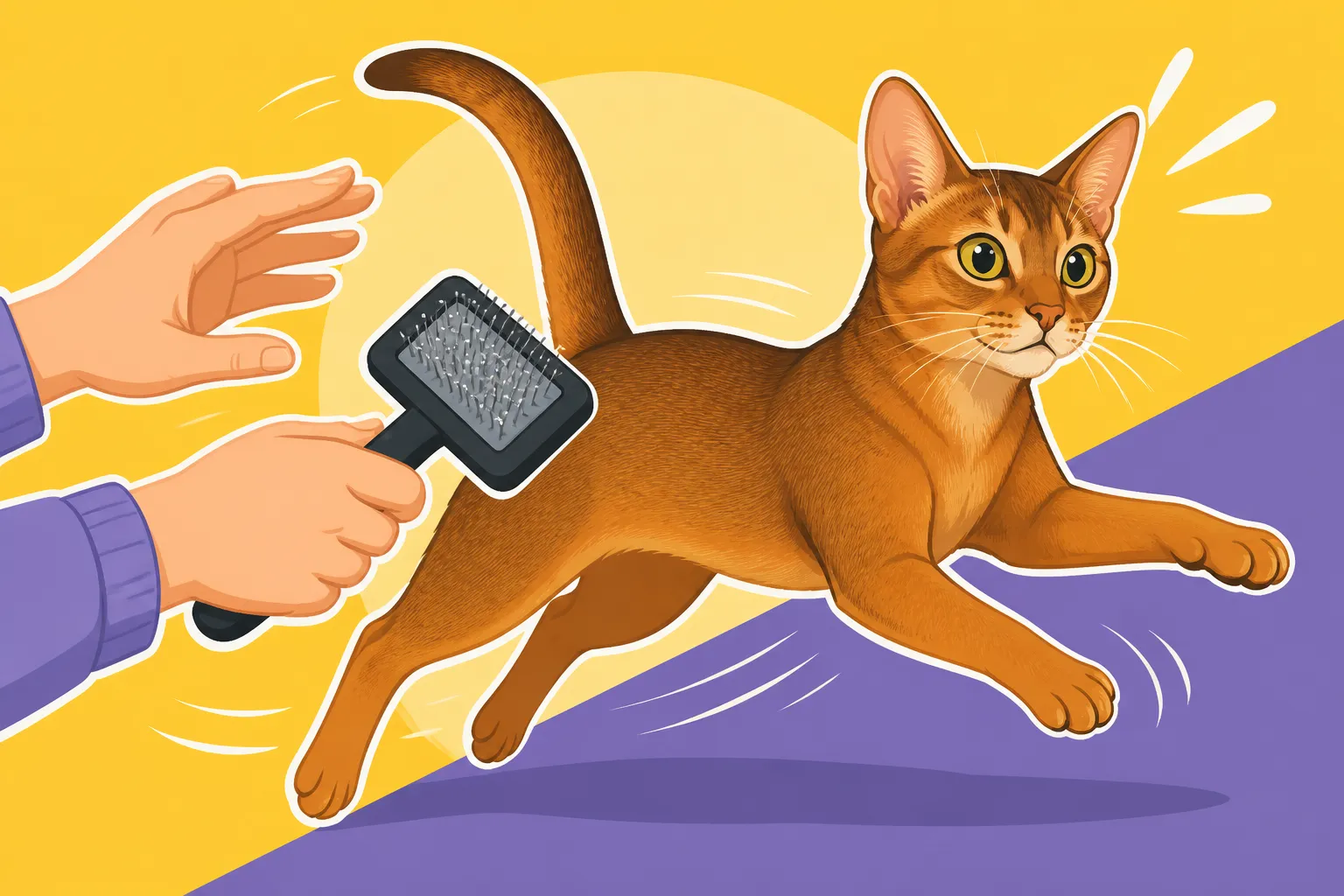
How to Groom an Abyssinian That Will Not Stay Still
We all know the Abyssinian energy. They're like little springs, constantly moving, exploring, and refusing to be pinned down. So, when it comes to grooming, trying to get your vibrant Abyssinian to sit still for even a moment can feel like an impossible task, leading to frustration for both of you. This guide is here to walk you through practical, empathetic strategies to make grooming a less stressful, more manageable experience for your active Abyssinian and for you.
Understanding Why Your Abyssinian Can't Sit Still
It's not that your Abyssinian is actively trying to be difficult when you bring out the brush or clippers. Their inability to sit still for grooming sessions is deeply rooted in their breed characteristics and instincts. These are incredibly intelligent, active, and curious cats, often described as the "clowns of the cat world" because of their playful antics. Expecting them to be statuesque when their entire being is wired for motion is a bit like asking a hummingbird to perch indefinitely.
The Energetic Abyssinian Temperament
Abyssinians are known for their boundless energy. They're always on the go, whether they're racing through the house, scaling the tallest cat tree, or investigating every new sound. This high activity level means that sitting still for something they perceive as a chore, or worse, a confinement, goes against their very nature. They possess a strong prey drive and an insatiable curiosity, making them easily distracted by the smallest flicker of light or distant sound. When you try to hold them, their instinct often kicks in to escape, to move, to explore. It's not defiance; it's simply who they are. The Abyssinian Is the Busiest Cat in the House details just how active these cats can be.
Discomfort and Prior Negative Experiences
Sometimes, the fidgeting isn't just about energy; it can also stem from discomfort or a memory of past negative experiences. Perhaps a previous grooming session was too long, involved a painful snarl removal, or used a brush they didn't like. Cats have excellent memories, and if grooming has ever been associated with pain, fear, or boredom, they will understandably resist. Their short, dense coats typically only require An Abyssinian Needs Brushing Once a Week and No More, so if you're trying to do more, it might feel overwhelming to them. Also, if they're not used to being handled in a certain way from kittenhood, any new sensation can feel threatening, triggering their escape response.
Lack of Training or Desensitization
Many of us just assume cats will tolerate grooming. However, for a breed as sensitive and active as the Abyssinian, desensitization and positive reinforcement are crucial. If a kitten isn't introduced to gentle brushing, nail trims, and ear checks early and consistently, these activities can become startling or even frightening as they grow older. Without a gradual introduction and positive associations, grooming can feel like an intrusion, leading to their classic "wiggle out of my grasp" maneuvers. Thinking about How to Start Grooming an Abyssinian Kitten from an early age can make a world of difference.
Setting the Stage for Successful Grooming Sessions
Since your Abyssinian is wired for activity, the key to successful grooming isn't to force them into submission, but to outsmart their energy and create an environment where they feel safe, secure, and even a little bit entertained. It’s all about short, sweet, and strategic encounters.
Choosing the Right Time and Place
Timing is everything with an Abyssinian. Don't try to groom them when they're in the middle of a zoomie session or when they've just woken up full of pent-up energy. Instead, aim for a time when they are naturally calmer, perhaps after a rigorous play session where they’ve burned off some steam, or when they're feeling sleepy and relaxed. A quiet room, free from sudden noises or distractions like other pets or children, is also vital. Avoid high-traffic areas. This designated "grooming zone" should be a positive space, not just where they get held down.
Consider using a soft, non-slip mat on a table or counter if that elevates them to a comfortable working height for you, but ensure it's a surface they can't easily jump off or feel trapped on. For some Abyssinians, being on a higher surface can actually make them feel more secure, as they love vertical spaces. An Abyssinian Needs Height More Than It Needs Floor, after all! However, if your cat tries to leap off, you'll need to adjust.
Gathering Your Tools in Advance
There's nothing worse than having a semi-cooperative Abyssinian and realizing you've forgotten the nail clippers. Prepare everything before you even bring your cat into the grooming area. This means having your brush, nail clippers, ear cleaner, cotton balls, and especially, high-value treats within arm's reach.
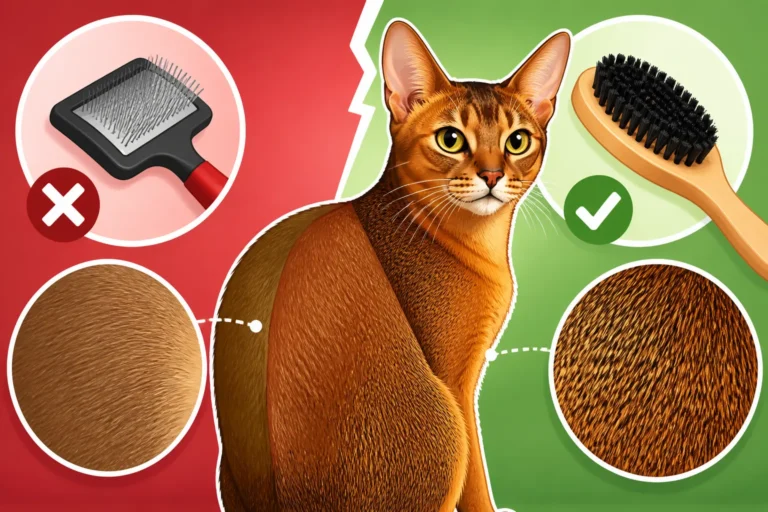
For brushes, a soft rubber grooming mitt or a fine-toothed comb is often best for their short, ticked coat. Which Grooming Mitt Suits an Abyssinian explores options that can be less intimidating than a traditional brush. Some Abyssinians tolerate a small slicker brush on their bodies if you're very gentle, but avoid anything that pulls their delicate coat or causes static. For nail trimming, choose clippers designed for cats – the scissor-style often gives more control. Having a favorite toy ready for distraction can also be a game-changer. You can find a wide array of these tools readily available on platforms like Amazon or Chewy, ensuring you have the right equipment for their specific needs.
Employing Calming Techniques and Distractions
Before you even start, spend a few moments simply petting your Abyssinian, giving them some affection and reassuring words. You can try a pheromone spray in the grooming area beforehand to help create a sense of calm. Some owners swear by a calming treat given a few minutes before grooming.
During the actual session, distraction is your best friend. A lick mat with a smear of their favorite wet food or a bit of peanut butter (if safe for cats) can keep them occupied. A puzzle feeder, even a simple one, filled with treats can also divert their attention while you work. Remember, the goal is to make them associate grooming with positive things, so treats and praise should flow freely. If they tolerate it, gentle, rhythmic stroking can be incredibly soothing. Don't underestimate the power of a quiet, soothing voice throughout the process.
Gentle Grooming Techniques for a Fidgety Abyssinian
Once your environment is set and your Abyssinian is somewhat receptive, it's time to tackle the actual grooming. The key here is patience, short bursts, and never pushing them past their comfort level.
Short, Frequent Sessions
Forget the idea of a marathon grooming session. For an Abyssinian that won't sit still, it's far more effective to do very short, frequent sessions. We're talking 1-2 minutes, maybe even less, at first. Perhaps one day you only brush their back, the next you only trim one paw's nails, and the day after that you quickly check their ears. The moment they show signs of becoming agitated – tail flicking, ears flattening, tensing up – stop immediately, praise them, and give them a treat. You want them to think, "Oh, that wasn't so bad, and I got rewarded!" This builds trust over time.
This incremental approach is especially helpful when introducing them to new tools or sensations, like nail clippers. Rather than trying to do all nails at once, just clip one or two, lavish praise, and release them. Slowly, as they build tolerance, you can extend the duration.
Strategic Holding and Restraint
For some tasks, a little gentle restraint might be necessary, but always prioritize their comfort and safety. If you have a partner, one person can gently hold the cat while the other grooms. A "kitty burrito" – wrapping them loosely but securely in a towel, leaving only the area you need to work on exposed – can be effective for nail trims or quick ear checks, but ensure they don't feel suffocated or trapped. Some cats tolerate this better than others.
When holding them, ensure you're not squeezing too tightly, which can cause anxiety or discomfort. Support their body firmly but gently. If they struggle violently, release them and try again later, or re-evaluate your approach. A truly terrified cat is more likely to injure themselves or you. For example, when trimming nails, hold their paw gently but firmly, extending one claw at a time. Which Clippers Suit an Abyssinian That Will Not Sit offers advice on selecting the right tools to make this easier. Always aim to trim just the tip, avoiding the quick.
Positive Reinforcement and Rewards
Every successful, even tiny, step in the grooming process deserves a reward. This isn't just about treats (though those are highly effective!); it's also about verbal praise, gentle strokes, and their favorite toys. Associate the grooming tools themselves with positive experiences. Let them sniff the brush, then immediately give a treat. Gently touch their paw with the clippers, then treat.
Think of it as classical conditioning. You're trying to create a positive emotional response to grooming. If they learn that sitting still (even for a moment) leads to delicious rewards and affection, they'll be much more likely to cooperate in the future. Don't scold or punish them for wriggling, as this will only reinforce their negative association with grooming. Keep it light, keep it positive, and make it clear they're doing a great job, even if it's just for holding still for two seconds.
Making Grooming a Positive, Long-Term Experience
The ultimate goal isn't just to get through a single grooming session, but to transform it into something your Abyssinian can tolerate, and perhaps even enjoy, in the long run. This requires consistency, patience, and a deep understanding of your cat's unique personality.
Consistency and Routine
Cats thrive on routine, and Abyssinians are no exception. Try to groom your cat around the same time each day or week, even if it's just a quick brush or a paw massage. This predictability helps reduce anxiety. They'll start to anticipate the routine and understand what's expected of them, especially if positive reinforcement is consistently part of the deal. Regular, brief sessions are far better than sporadic, stressful wrestling matches.
If you skip a few weeks, don't expect them to remember their previous good behavior. You might need to take a step back and start with even shorter sessions again. The more consistent you are, the more ingrained the positive association becomes.
Identifying and Avoiding Triggers
Pay close attention to what your Abyssinian reacts negatively to during grooming. Is it the sound of the clippers? The feeling of a particular brush? Being held in a certain position? Once you identify these triggers, you can work to mitigate them. For example, if they hate the sound of nail clippers, try quiet, scissor-style clippers, or introduce the sound gently, separate from the actual trim, with treats.
Some cats dislike being groomed on a specific part of their body more than others. If their belly is a no-go zone, focus on areas they tolerate better and slowly, gently work towards less favored spots over many sessions. Observing their body language is crucial: flattened ears, a swishing tail, dilated pupils, or a low growl are all clear signals that they're uncomfortable and you need to back off or adjust your approach.
When to Seek Professional Help
There are times when, despite your best efforts, grooming remains a monumental struggle. If your Abyssinian consistently becomes aggressive, overly stressed, or if you're unable to perform necessary tasks like nail trims, it might be time to enlist professional help. A qualified veterinary groomer or a certified feline behaviorist can offer tailored strategies, demonstrate proper techniques, or even perform the grooming in a stress-free environment, sometimes with gentle sedation if absolutely necessary (though this is usually a last resort).
Don't feel like a failure if you need professional assistance. Every cat is different, and some simply require a different approach or the expert touch of someone accustomed to handling challenging pets. They can often provide tips specific to your cat's quirks, ensuring that your Abyssinian stays healthy and well-groomed without compromising their well-being or your relationship. Regular veterinary check-ups are also crucial for ensuring their overall health, as sometimes discomfort during grooming can be a sign of an underlying issue, like How Juvenile Gingivitis Starts in an Abyssinian Kitten or joint pain.
Disclaimer
This article is for general informational purposes only and does not constitute professional advice. Laws, prices and regulations vary by location and change over time. Consult a qualified professional for guidance on your specific situation.