Why a Shaved Abyssinian Grows Back Wrong
It’s a scenario many Abyssinian owners have contemplated, perhaps during a hot summer, after an ill-advised experiment with clippers, or when dealing with a medical procedure. You look at that sleek, shimmery coat and think, "What if I just… shaved it?" The thought comes from a place of love, whether you imagine them being cooler, or you're trying to fix a mat. But what many discover, often to their dismay, is that an Abyssinian’s coat doesn't just "grow back" the way a dog's might. It often grows back wrong, looking and feeling completely different from the unique, vibrant coat you started with. This guide is here to explain precisely why this happens and how to best care for your Abyssinian's precious fur without resorting to the clippers.
The Unique Structure of an Abyssinian's Ticked Coat
To understand why shaving an Abyssinian is generally a bad idea, we first need to appreciate what makes their coat so special. It’s not just fur; it’s a finely tuned, intricate system that contributes to their distinctive look and comfort.
Understanding the Agouti Banding
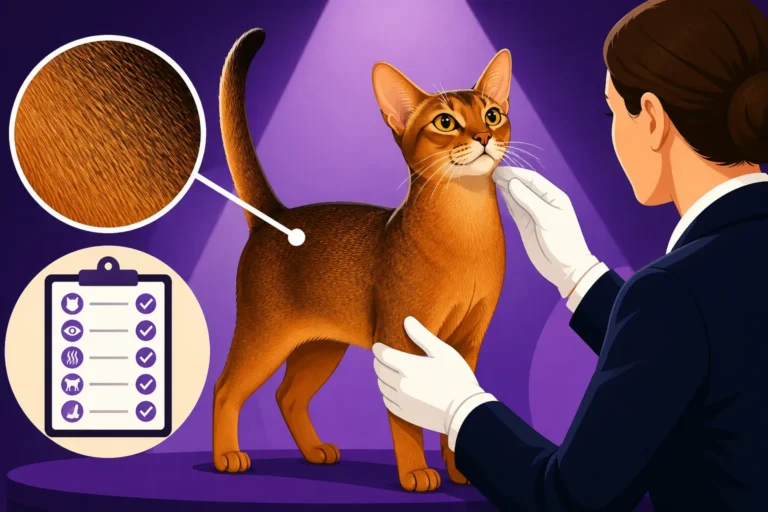
The hallmark of the Abyssinian is its stunning ticked or agouti coat. Unlike tabby cats with stripes or spots, an Abyssinian's individual hairs are banded with several colors. Imagine each strand of hair having three, four, or even more distinct bands of color, alternating between light and dark, from the root to the tip. This is what creates that breathtaking shimmering effect as they move, making them look like miniature wildcats. This phenomenon is known as How an Abyssinian's Agouti Banding Works, and it's truly a marvel. Each hair doesn't have a single, uniform color; it's a tiny rainbow of pigments. This intricate banding is Why Each Abyssinian Hair Carries Three or Four Bands, giving them a depth of color that's hard to find in other breeds.
Why This Coat is Different
Beyond the individual hair structure, the Abyssinian coat differs fundamentally from many other cat breeds. They have what's often referred to as a "single coat." This means they lack the dense, woolly undercoat that many breeds, like Persians or Maine Coons, possess. Their fur lies close to the body, feeling fine and silky to the touch. This minimal undercoat is Why an Abyssinian's Single Ticked Coat Barely Sheds compared to breeds that blow their undercoat seasonally.
This sleek, close-lying coat isn't just for looks; it serves a crucial purpose in temperature regulation. While it might seem counterintuitive, this relatively thin coat provides insulation against both cold and heat. It's designed to protect their delicate skin and help regulate their body temperature naturally. Trying to "cool down" an Abyssinian by shaving them often has the opposite effect, as their natural protection is removed.
What Happens When an Abyssinian is Shaved
So, what exactly goes wrong when you shave an Abyssinian? It's more than just losing their beautiful ticking; it's a fundamental disruption to their natural hair growth cycle and the quality of their subsequent coat.
The Trauma to the Hair Follicle
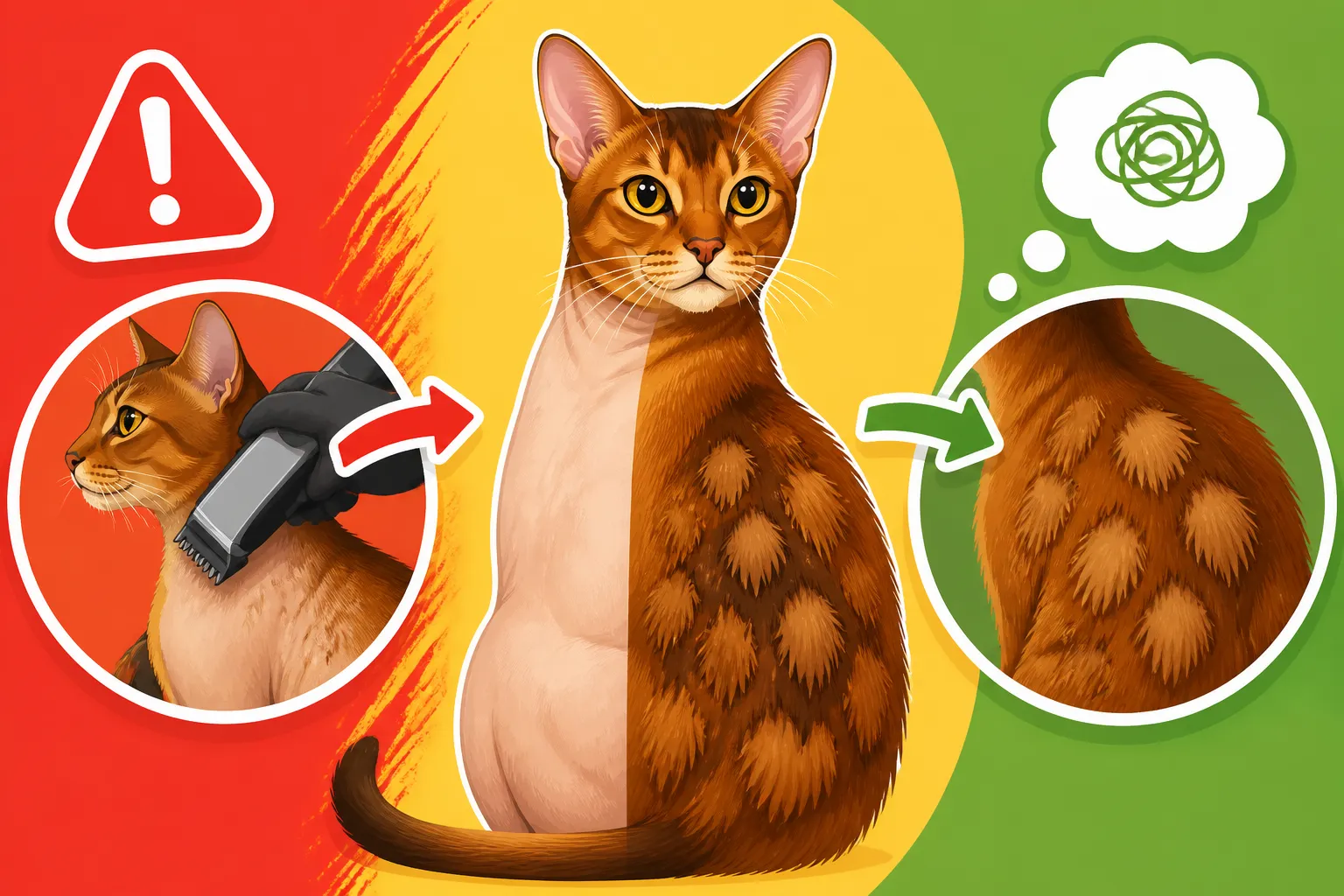
When an Abyssinian's hair is shaved, especially down to the skin, it can be a traumatic experience for the hair follicles. These tiny structures in the skin are responsible for producing each strand of hair, and they operate on a finely tuned cycle of growth, rest, and shedding. Shaving abruptly cuts this cycle short, and the follicles react in unpredictable ways. Instead of producing the fine, beautifully banded hairs, they might switch to a different growth pattern. It's almost like their internal programming gets scrambled, prioritizing rapid regrowth over the intricate quality of the original coat. This can lead to hair growing back unevenly, or with a different density than before.
Changes in Texture and Color
This is where the visible "growing back wrong" really comes into play. You might find that the new hair is coarser, thicker, and feels much less silky than the original Abyssinian coat. The delicate agouti banding can also be severely impacted. Instead of those multiple bands of color, the new hair might grow back with fewer bands, or even as a single, solid color, often a darker shade. For example, a beautiful ruddy Abyssinian, which has rich brown and black ticking, might grow back with a duller, more uniform dark brown or black coat, losing all that vibrant red-gold shimmer. It's a noticeable shift from How a Ruddy Abyssinian's Coat Develops naturally to something far less striking. The fine, close-lying nature of the fur can also be replaced by a bristly texture that sticks out rather than lying flat. This completely alters the iconic "wild cat" appearance.
Uneven Regrowth and "Sticking Out" Hair
Another common issue is uneven regrowth. Patches might grow faster than others, leading to a splotchy, patchy appearance that lacks the smooth, uniform look of a healthy Abyssinian coat. Instead of lying flat and sleek, the newly grown hairs might have a tendency to stand up or appear perpetually disheveled. This is a far cry from the sleek, close-lying coat described by the breed standard. The unique absence of a dense undercoat means that when shaved, there's no soft foundation for the guard hairs to grow back into, often resulting in a spiky or 'brush-like' texture. This can be especially frustrating for owners who loved the feel and look of their cat's original fur.
Beyond Aesthetics: The Practical Implications of Shaving
While the aesthetic changes are certainly significant and disheartening for many Abyssinian owners, shaving also carries practical and even health implications that are important to consider.
Loss of Natural Temperature Regulation
As mentioned earlier, despite its apparent thinness, the Abyssinian’s coat is wonderfully efficient at temperature regulation. It provides a layer of insulation against both cold and heat, helping to keep their body temperature stable. When you shave this coat off, you remove this natural protection. In colder weather, this means your Abyssinian will feel Why a Coat With No Undercoat Leaves an Abyssinian Cold much more readily, requiring extra warmth. In hotter climates, instead of helping them cool down, shaving can actually expose their skin directly to the sun, potentially making them overheat faster or get sunburned. Their body then has to work harder to maintain its core temperature, which can be stressful.
Skin Irritation and Sunburn Risk
An Abyssinian’s skin is relatively delicate and accustomed to being protected by its dense, fine fur. Shaving exposes this skin directly to environmental elements it’s not designed to handle. Clipper blades, even when used carefully, can cause microscopic nicks or irritation, sometimes leading to clipper burn, which is painful and can become infected. Moreover, suddenly exposed skin is highly susceptible to sunburn, especially for Abyssinians with lighter coat colors like fawn or blue. Just like humans, cats can get skin cancer, and repeated sun exposure to unprotected skin increases this risk. It's a serious consideration, especially if your cat enjoys basking in sunbeams by a window.
The Psychological Impact on Your Abyssinian
Cats are creatures of habit and sensitive to changes in their environment and on their bodies. A drastic change like being shaved can be quite distressing for some Abyssinians. They might feel vulnerable, exposed, or even confused by the sudden loss of their familiar coat. This stress can manifest in various ways:
- Overgrooming: Some cats may excessively lick or groom the shaved areas, trying to "fix" what feels wrong, which can lead to skin irritation or hair loss.
- Behavioral Changes: They might become more withdrawn, less active, or even show signs of anxiety or aggression. Imagine suddenly losing your favorite blanket or feeling exposed and chilly all the time – it’s not a pleasant experience.
- Social Impact: Other household pets might react differently to the shaved cat, which can add to the stress.
Considering their sensitive nature, it’s always best to avoid causing them unnecessary discomfort or anxiety.
Better Alternatives to Shaving for Abyssinian Care
Given the unique characteristics of their coat and the potential negative outcomes of shaving, it’s clear that other methods are far superior for maintaining your Abyssinian’s health and comfort.
Regular Grooming for Health and Comfort
The good news is that Abyssinian grooming is relatively low-maintenance, primarily focusing on maintaining the health and beauty of their existing coat. Regular, gentle grooming is key. The Ticked Coat Is the Whole Abyssinian Grooming Job is essentially a simple routine that prevents many issues.
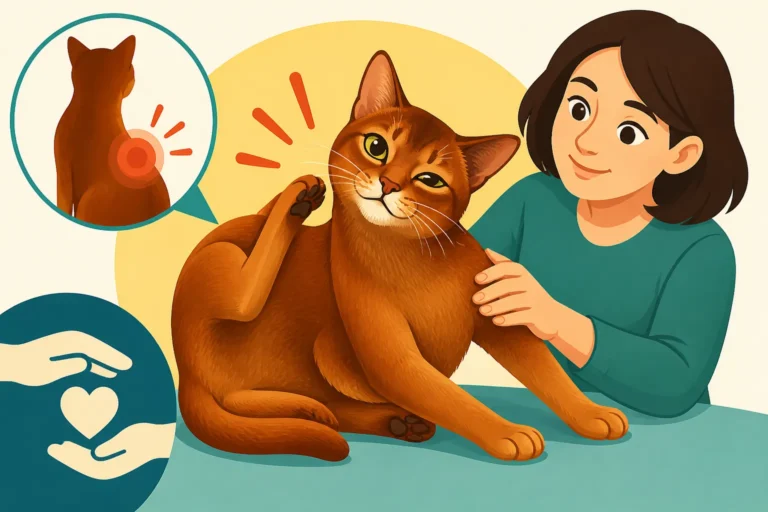
- Weekly Brushing: A soft rubber grooming mitt or a fine-toothed comb is usually all you need. This helps remove loose hairs, distribute natural oils, and provides a gentle massage your Abyssinian will likely enjoy. Remember, An Abyssinian Needs Brushing Once a Week and No More; over-brushing or using harsh tools like slicker brushes can damage their delicate ticking. Why the Wrong Brush Flattens an Abyssinian's Ticking and can make their coat look dull. Regular grooming sessions also allow you to bond with your cat and check for any skin issues or parasites. You can find excellent grooming mitts on platforms like Amazon or Chewy that are specifically designed for short-haired cats.
- Chamois Polishing: For that extra sheen, some owners like to finish with a soft chamois cloth. This gently buffs the coat, bringing out the natural luster and enhancing the beautiful shimmer of their ticking.
- Dealing with Mats: While rare in Abyssinians due to their single coat, mats can sometimes form behind the ears or under the legs. Instead of shaving the entire cat, these small mats can often be carefully teased apart with your fingers or a wide-toothed comb. If a mat is severe, a veterinarian can safely remove it with clippers, targeting only the affected area, minimizing stress and damage to the overall coat. This is far preferable to a full shave. If you have an Abyssinian that genuinely struggles to sit still for grooming, developing a routine early on is crucial, and gentle handling makes a huge difference. How to Groom an Abyssinian That Will Not Stay Still explores techniques for managing this.
Managing Heat Without Clipping
If your primary concern is keeping your Abyssinian cool in warmer months, there are many effective strategies that don't involve shaving:
- Environmental Control: The easiest method is to ensure your home is well-ventilated and kept at a comfortable temperature with air conditioning or fans. Abyssinians love warmth, but they also appreciate cool spots.
- Hydration: Always provide fresh, clean water. A flowing water fountain (many are available on Amazon or Chewy) can encourage more drinking, which is vital for overall health and helps regulate body temperature.
- Cooling Mats and Elevated Beds: Offer cooling mats or elevated beds that allow air circulation underneath. Many Abyssinians love to stretch out on cool tile floors during hot spells.
- Wet Wipes or Damp Cloths: You can gently wipe down your Abyssinian with a damp cloth, especially on their paws or belly, for quick relief. The moisture evaporates and helps cool them down without altering their coat.
- Restricted Outdoor Access: If you have an outdoor enclosure (catio) or leash train your Abyssinian, ensure they have ample shade and fresh water during hotter parts of the day.
Addressing Medical or Behavioral Reasons for Shaving
Sometimes, shaving might be necessary for medical reasons, but it should always be a targeted, partial shave and performed by a veterinary professional.
- Surgical Sites: If your Abyssinian needs surgery, a small area will be shaved to ensure a sterile field. This is unavoidable and necessary for their health.
- Severe Matting (Rare): In extremely rare cases, if an Abyssinian develops severe, intractable matting (perhaps due to neglect or a medical condition preventing self-grooming), a vet might recommend a partial shave to remove the painful mats. Even then, the goal is always to preserve as much of the healthy coat as possible.
- Diagnostic Procedures: For ultrasounds or other diagnostic tests, a small patch of fur might be shaved.
In these situations, the shaving is precise and medically necessary, not a full-body clip. It's important to differentiate between these medical necessities and elective full-body shaving. Remember, a professional groomer or your vet will tell you Why No Groomer Can Improve an Abyssinian's Coat by shaving it. Their expertise lies in working with the natural coat, not removing it. For a healthy coat, a good diet, such as high-quality wet food, can also contribute to skin and coat health, reducing the likelihood of issues that might tempt you to shave.
| Feature | Healthy Abyssinian Coat | Shaved Abyssinian Regrowth |
|---|---|---|
| Appearance | Sleek, shimmering, ticked (banded) hairs, close-lying | Dull, patchy, often darker, potentially solid color |
| Texture | Fine, silky, soft to the touch | Coarser, bristly, rougher, may stand up unevenly |
| Undercoat | Minimal to none | May grow back with increased undercoat or no undercoat |
| Temperature Reg. | Excellent natural insulator against heat and cold | Impaired; reduced insulation, higher risk of overheating/cold |
| Skin Protection | Protects against sun, minor irritants, scratches | Exposed, higher risk of sunburn, irritation, injury |
| Growth Pattern | Uniform, consistent ticking and length | Uneven, splotchy, takes a long time to return to normal |
| Grooming Need | Weekly gentle brushing to remove loose hair and shine | Potentially more challenging due to texture changes |
Disclaimer
This article is for general informational purposes only and does not constitute professional advice. Laws, prices and regulations vary by location and change over time. Consult a qualified professional for guidance on your specific situation.