Why an Abyssinian Asks for Food It Does Not Need
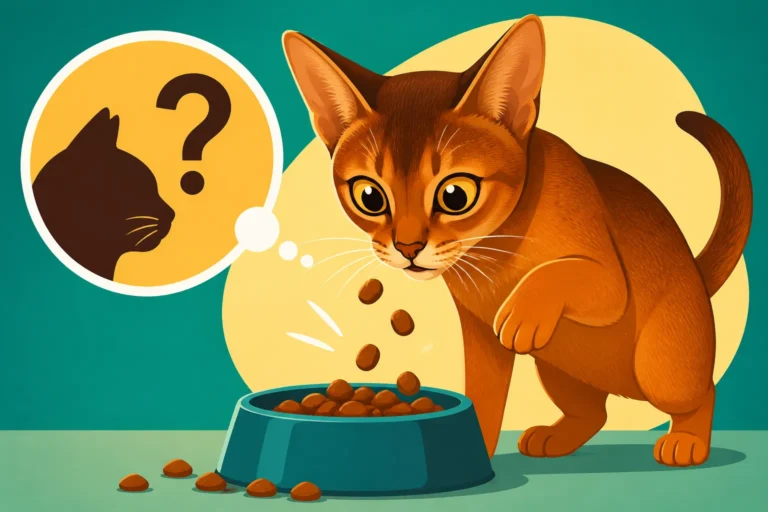
It's a familiar scene for any Abyssinian owner: you've just dished out a perfectly portioned meal, watched them devour it with gusto, and then, mere minutes later, there they are again. Those insistent chirps, the direct stare, perhaps even a paw tap – all demanding more food, despite having just eaten. It leaves you feeling bewildered, wondering if you're not feeding them enough, or if your energetic companion simply has an insatiable appetite. This guide will delve into the fascinating reasons why your Abyssinian seemingly asks for food it doesn't actually need and offer practical strategies to manage this very common, and often amusing, breed trait.
Understanding the Abyssinian's Unique Relationship with Food
Abyssinians are not your average couch potato cat. They are bundles of energy, curiosity, and intelligence, and these very traits play a huge role in their constant quest for "more" food. It’s not always about physiological hunger; often, it's deeply rooted in their nature and how they interact with their world.
High Metabolism and Activity Levels
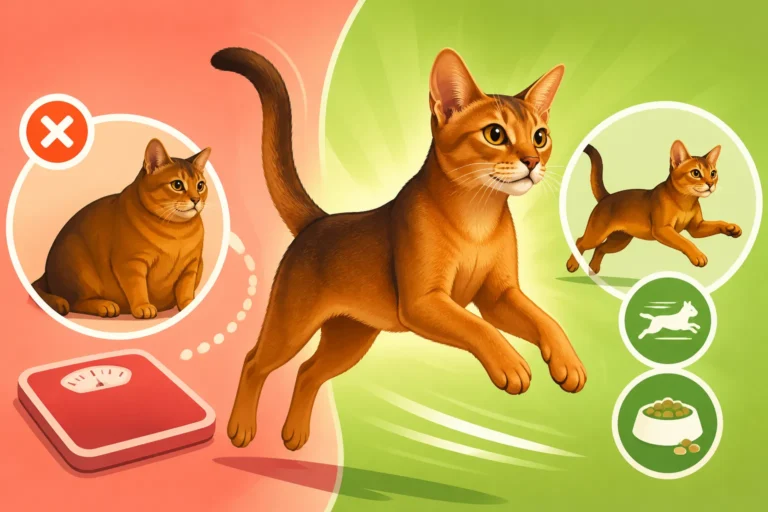
One of the primary reasons your Abyssinian always seems hungry is their incredibly high metabolism. These cats are built for speed and agility, constantly on the go, exploring, climbing, and playing. Think of them as miniature athletes; they burn calories at a much faster rate than many other breeds. While a sedentary cat might be content with two meals a day, an Abyssinian's body often signals a need for fuel more frequently. This doesn't necessarily mean they need more food in total, but perhaps more frequent access to smaller portions throughout the day. If you've ever wondered How Many Calories an Adult Abyssinian Burns, you'd quickly understand why their energy demands are so high. They are constantly moving, engaging their muscles and their brains, which all consumes energy.
It's easy to look at a sleek, active Abyssinian and assume they can just eat all day long, but overfeeding can lead to health issues down the line, even in a cat that seems to burn everything off. The challenge lies in meeting their energy needs without causing them to become overweight or developing bad habits. A steady supply of protein-rich food, often spread across multiple small meals, tends to suit their system much better than one or two large, infrequent servings.
Their Foraging Instincts
Abyssinians, like all cats, retain strong hunting and foraging instincts. In the wild, a cat would spend a significant portion of its day actively seeking out small prey, eating multiple small meals rather than one big feast. Our domesticated Abyssinians still possess this deep-seated drive. When you simply put a bowl of food down, they eat it quickly, and then the "hunt" is over. Their intelligent brains, however, are still wired for the challenge and mental stimulation of finding food. This is often why they seem to ask for more even when their caloric needs have been met; their instinctual need to forage and "work" for their food has not.
This inherent drive to hunt and forage can manifest as persistent begging. It’s not just about the calories; it’s about the activity, the problem-solving, and the thrill of the chase. Leaving a full bowl down all day can actually hinder this natural behavior, turning them into grazers but also encouraging them to constantly seek out new food experiences, even if they're not truly hungry. This is often why Why a Full Bowl Turns an Abyssinian Into a Grazer is something to be aware of.
The Art of Abyssinian Manipulation: Decoding Their Begging Signals
Let's be honest, Abyssinians are smart. Really smart. And they quickly learn which behaviors elicit a response from their humans, especially when it comes to food. Their persistent begging, while adorable, is often a finely tuned performance.
They're Communicating, But Not Always About Hunger
Your Abyssinian isn't just meowing; they're communicating. They use a wide array of vocalizations, body language, and direct eye contact to get your attention. Those signature chirps and trills? They're highly effective. A soft rub against your leg as you walk past the kitchen? Pure genius. They learn quickly that certain actions lead to you interacting with them, and often, that interaction involves food or treats. It's a classic case of positive reinforcement.
If they've learned that a sustained stare at the pantry door eventually results in a treat, they will repeat that behavior. It doesn't mean they're starving; it means they've established a successful communication strategy. The challenge for us is to interpret whether their communication is truly signaling a need, or simply expressing a desire for attention, a game, or a tasty morsel because they know they can get one. Understanding What an Abyssinian's Tail Says or its chirps can help differentiate genuine needs from mere requests.
The "Empty Bowl" Act
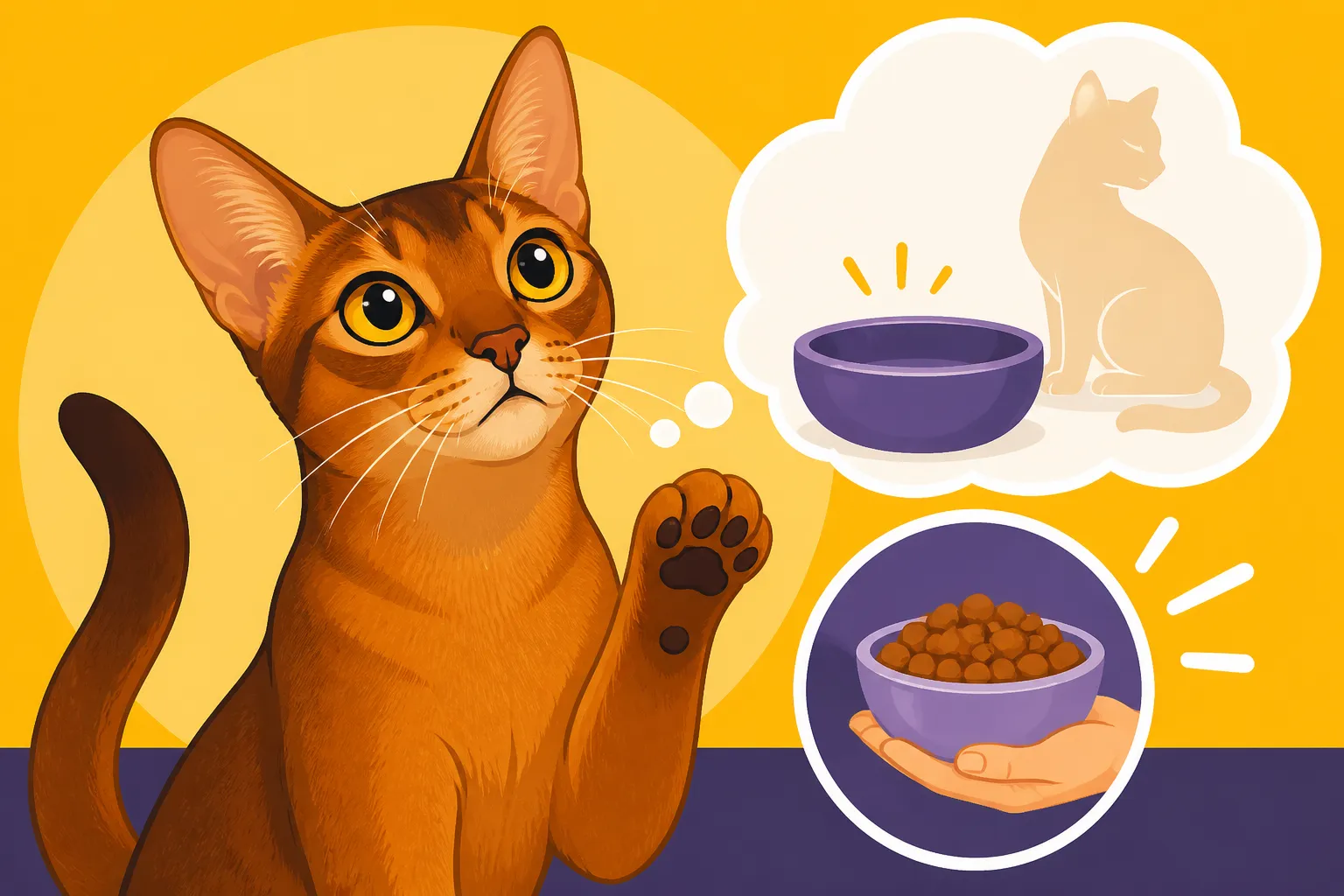
Ah, the empty bowl. Or sometimes, the "mostly empty but they can still see the bottom" bowl. Abyssinians are masters of this performance. They'll stand by the bowl, looking mournful, or scratch at it as if it hasn't been filled in days. You might even hear the rattling of the last few kibbles being pushed around for dramatic effect. Meanwhile, you know you just filled it, or that there's still plenty in there. This is a learned behavior, often reinforced by us rushing to refill it, just to stop the persistent noise.
They've associated the sight of the bottom of the bowl with the arrival of fresh food. It's not about being truly hungry in that moment; it's about conditioning. They're telling you, "My resource is diminishing, and I demand replenishment!" It's less about the current state of their stomach and more about maintaining a perceived abundance. This is especially true if you've allowed them to "free-feed" in the past, where food was always available.
Are You Accidentally Reinforcing the Behavior?
It's easy to fall into habits that inadvertently encourage our Abyssinians to constantly ask for food. We love our cats, and their pleas can be hard to resist, but recognizing these patterns is the first step toward healthier boundaries.
The Power of Routine (or Lack Thereof)
Cats thrive on routine. They are creatures of habit, and predictable meal times provide a sense of security and control. If your feeding schedule is erratic – sometimes morning, sometimes afternoon, sometimes a little snack whenever they ask – your Abyssinian will quickly learn that badgering you is the most reliable way to get food. They become the ones dictating the schedule, not you.
Establishing clear, consistent feeding times can significantly reduce begging. When your Abyssinian knows that food will arrive at 7 AM and 6 PM, for example, they are less likely to perceive the need to constantly ask for it outside of those windows. Their internal clock adjusts, and while they might still hover as mealtime approaches, the frantic, non-stop demands should lessen. This predictability is crucial for their mental well-being and helps them understand that food isn't just a spontaneous event based on their lobbying efforts.
Giving in to the "Just a Little Bit" Mindset
We've all been there: your Abyssinian is looking particularly cute, or maybe you're just trying to work in peace, and you toss them a small treat or a tiny bit of human food. "It's just a little bit," you tell yourself. But to your Abyssinian, it's a huge victory. It confirms that their tactics work, and now they'll try them again, and again, with even more enthusiasm. Every time you give in, even just a tiny morsel, you're reinforcing the begging behavior.
Think of it this way: if a slot machine paid out every tenth pull, you'd keep pulling, right? It's the same principle. Inconsistent reinforcement can be even stronger than consistent reinforcement because the cat thinks, "Maybe this time!" This is especially true if you are trying to manage their weight. If you're concerned about how many calories your Abyssinian is getting, especially if they are neutered, knowing How Many Calories a Neutered Abyssinian Needs can help you stick to a plan.
Beyond the Bowl: Redirecting Your Abyssinian's Focus
Managing your Abyssinian's incessant food requests requires a multi-pronged approach that goes beyond simply saying "no." It involves enriching their environment, engaging their minds, and being consistent with your own behavior.
Engaging Their Minds with Puzzle Feeders
Since Abyssinians have strong foraging instincts and high intelligence, simply presenting food in a bowl doesn't satisfy their mental needs. This is where puzzle feeders become your best friend. Instead of just eating, your Abyssinian has to work for their meal, engaging their problem-solving skills and extending the mealtime experience. You can find excellent options on Amazon or Chewy, ranging from simple treat-dispensing balls to more complex mazes.
Introducing a puzzle feeder transforms feeding from a quick gulp into an enriching activity. It forces them to slow down, think, and use their paws and minds. This mimics the mental and physical exertion they would experience hunting in the wild, helping to satisfy that deep-seated instinct. It makes mealtime a "job," and Why Foraging Suits an Abyssinian's Mind is clearly demonstrated when you see them engaged with a puzzle.
Here's a quick comparison of feeding methods:
| Feeding Method | Pros | Cons | Impact on Begging |
|---|---|---|---|
| Bowl Feeding | Quick, easy for owner | No mental stimulation, fast consumption, can encourage begging | High |
| Puzzle Feeder | Mental enrichment, slows eating, satisfies foraging instinct | Requires owner setup, cat might get frustrated initially | Low |
| Scattered Feeding | Mimics hunting, encourages movement | Can be messy, food might get lost or stepped on | Medium |
| Automated Feeder | Consistent timing, owner doesn't have to be present | Still just a bowl (unless programmed for small drops) | Medium to Low |
Increase Playtime and Mental Stimulation
Often, an Abyssinian's demands for food are actually a cry for attention or an outlet for their boundless energy. A bored Abyssinian is a destructive Abyssinian, or, in this case, a demanding Abyssinian. They might see you as a source of entertainment, and since food is usually involved in interactions, it becomes their go-to request. If you're worried about What an Abyssinian Does When It Is Bored, persistent food seeking is definitely on the list!
Increase interactive playtime sessions throughout the day. Dedicate at least 15-20 minutes, two or three times a day, to active play with wand toys, laser pointers (but always end with a tangible catch!), or other engaging toys. Remember, a tired Abyssinian is usually a happy Abyssinian, less inclined to pester you for unnecessary food. Consider rotating toys to keep things fresh and exciting, and ensure they have plenty of vertical climbing opportunities. Abyssinians love to climb, and a good cat tree or wall shelves from a brand like Chewy can provide immense enrichment.
Stick to a Consistent Feeding Schedule
Consistency is paramount. Decide on specific meal times and stick to them as rigidly as possible. For most Abyssinians, two to three smaller meals spread throughout the day work well. If you're using wet food, choose high-quality, moisture-rich options that can help keep them hydrated and feeling fuller. If you want to dive deeper into their meal routines, exploring articles like Why Three Meals Suit an Abyssinian can offer more insights.
When your Abyssinian begs outside of these times, simply ignore the behavior. This is the hardest part, but also the most crucial. Do not make eye contact, do not speak to them, do not give in. Wait for a moment of quiet before engaging with them or providing attention. They will eventually learn that begging yields no results, and only calm behavior gets your attention. It requires patience and a strong will, but it is ultimately beneficial for both you and your cat.
When to Worry: Distinguishing True Hunger from Clever Manipulation
While most persistent food-seeking in Abyssinians is behavioral, it's always important to rule out underlying health issues, especially if the behavior is new or accompanied by other symptoms. A sudden increase in appetite, even after eating, could signal a medical concern.
Signs of Genuine Hunger vs. Attention Seeking
A truly hungry cat will likely display more intense signs than just a polite chirp. They might become restless, actively search for food (not just asking you for it), or exhibit a sudden interest in food that they previously ignored. However, an Abyssinian's boundless energy can sometimes mask more subtle signs of discomfort.
Behavioral Hunger Cues:
- Intense vocalization: Louder, more demanding meows or chirps, often sustained.
- Persistent following: Dogging your heels more than usual, especially towards the kitchen.
- Increased activity around food sources: Sniffing pantry doors, jumping on counters (if allowed).
- Attempting to steal food: A desperate grab at unattended food.
Attention-Seeking Food Cues:
- Casual chirps and stares: Less frantic, more expectant.
- Paw taps: A gentle reminder, rather than a frantic clawing.
- Rubbing against legs: Seeking physical contact that often leads to a treat.
- Begging immediately after eating: The food is gone, but the 'performance' continues.
If you notice your Abyssinian drinking excessive amounts of water in addition to increased appetite, that's a red flag. Why a Thirsty Young Abyssinian Is a Red Flag is a crucial topic to review, as increased thirst and appetite can be signs of conditions like hyperthyroidism or diabetes, especially in middle-aged or senior cats. Always consult your veterinarian if you have any concerns about a sudden or drastic change in your cat's eating habits or overall health. Regular vet check-ups are essential, particularly as your Abyssinian ages, to monitor for any subtle changes that could indicate an underlying issue.
The Importance of Vet Check-ups
Even if your Abyssinian seems perfectly healthy, a sudden or drastic change in appetite always warrants a vet visit. Conditions such as hyperthyroidism, diabetes, or even dental problems can manifest as increased hunger or an inability to properly process food. Your vet can perform a thorough examination, including blood work, to rule out any medical causes. What an Old Abyssinian Slows Down From can include metabolic changes that impact appetite and energy, making regular screenings even more vital.
Remember, Abyssinians are remarkably stoic cats and can hide illness until it's quite advanced. It's better to be overly cautious and have a professional confirm that your cat's demanding behavior is purely a personality quirk rather than a symptom of something more serious.
Managing an Abyssinian's persistent requests for food is a journey of understanding their unique breed traits, setting clear boundaries, and providing ample mental and physical enrichment. With patience and consistency, you can transform a demanding mealtime into a more harmonious experience for both you and your clever, energetic companion.
Disclaimer
This article is for general informational purposes only and does not constitute professional advice. Laws, prices and regulations vary by location and change over time. Consult a qualified professional for guidance on your specific situation.