Why the Link Between Zula and Modern Abyssinians Is Broken
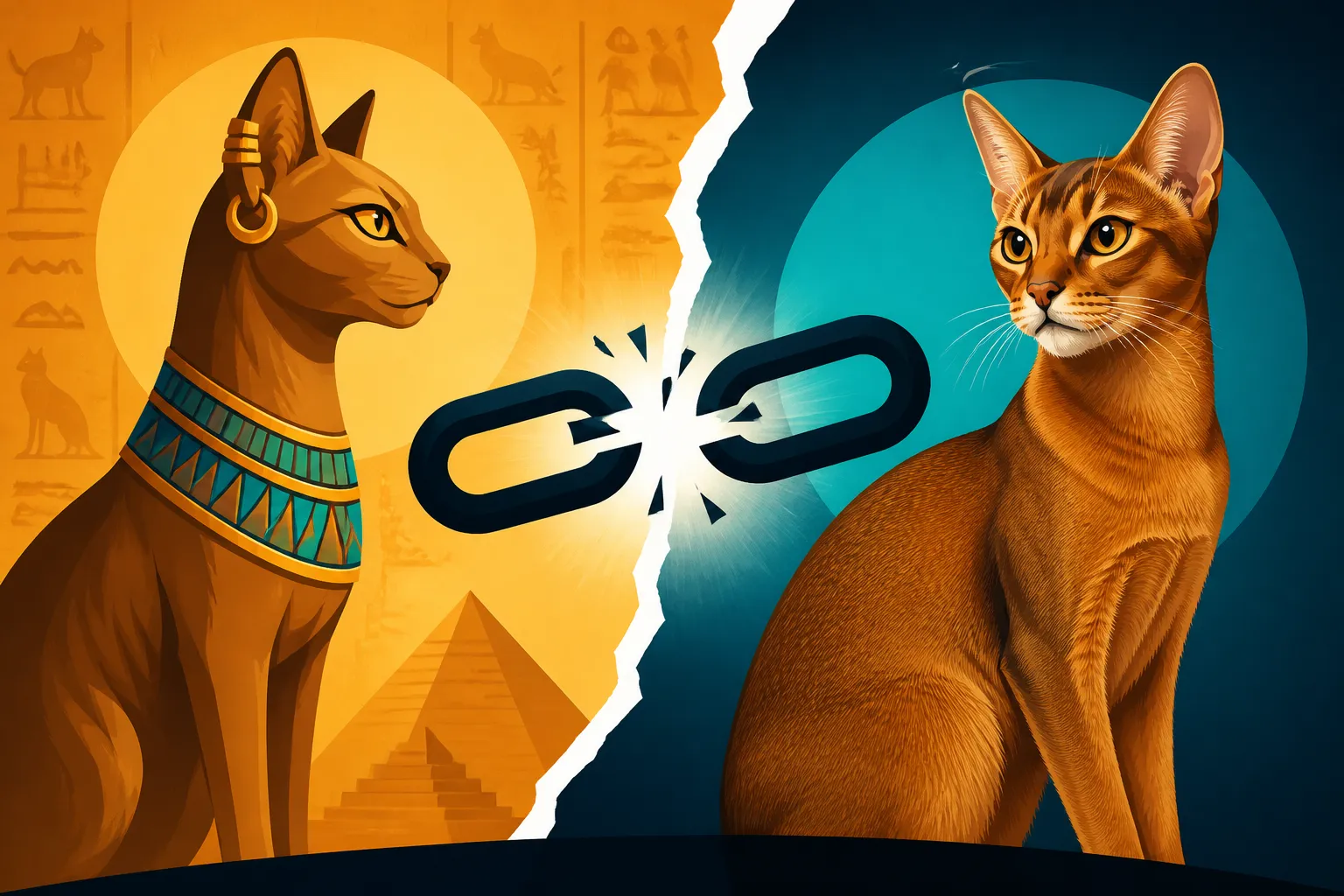
The romantic tale of Zula, the Abyssinian cat supposedly brought back from Ethiopia in the 19th century, has long been cherished by breed enthusiasts. For many years, it was the accepted origin story, adding a layer of exotic mystique to an already captivating breed. However, for those of us who delve into the breed's rich history and, more importantly, modern genetic science, it's a story that, while charming and persistent, simply doesn't hold up to scrutiny. This guide will explore why the captivating legend of Zula, despite its enduring appeal, remains disconnected from the lineage of the modern Abyssinian cat we know and love today, and why accepting this scientific reality is actually more fascinating than the myth itself.
The Enduring Legend of Zula: What We Thought We Knew
For decades, if not centuries, the story of Zula has been synonymous with the Abyssinian cat breed. It's a narrative that paints a vivid picture of adventure, exotic lands, and a single, intrepid feline being brought back to Western civilization. This kind of origin story is deeply appealing, giving a sense of noble beginnings and a clear, singular point of genesis for a beloved breed. It's easy to understand why it captured the hearts and imaginations of cat lovers and breeders alike, weaving itself into the very fabric of the breed's identity.
Zula's Arrival and the 1871 Crystal Palace Show
The popular legend goes that Zula was a female cat, rescued or otherwise acquired during the British expedition to Abyssinia (modern-day Ethiopia) in 1868. Lieutenant General Sir Robert Napier's forces were said to have brought her back to England, a living souvenir of a distant land. This particular detail lends itself to an almost cinematic image – a lone cat, with her distinctive ticked coat, stepping onto British soil after an arduous journey, carrying the exotic essence of her homeland. It’s a compelling narrative that imbues the breed with a sense of ancient heritage and direct connection to Africa.
The story continues with Zula making an appearance at the now-famous 1871 Crystal Palace Cat Show in London, an event often considered a foundational moment in the history of cat fancy. A "native cat from Abyssinia" was indeed exhibited there and reportedly won a prize. It's this seemingly concrete historical detail that truly cemented Zula's place in the breed's folklore. People naturally conflated this prize-winning "Abyssinian" cat with the legendary Zula, creating a direct, tangible link in their minds. The idea that this specific cat, with her unique appearance, was the progenitor of all Abyssinians resonated deeply, making the breed feel historically significant and distinctly unique from common domestic cats. For more on this event, you can read What Happened at the 1871 Crystal Palace Show.
The Allure of the "Abyssinian" Name
Beyond the captivating tale of Zula herself, the very name "Abyssinian" played a significant role in perpetuating the myth of its direct African origin. The name evokes images of ancient pharaohs, sun-drenched pyramids, and the revered cats of Egypt, a culture famous for its veneration of felines. This association gifted the breed an air of antiquity and exoticism that was undeniably attractive. People want their pets to have interesting backstories, and a direct link to a legendary land is far more exciting than a more prosaic truth.
The truth is, many early cat breeds were named based on geographical associations, whether accurate or not, or even on perceived characteristics. The idea that a cat with such striking features — its ticked coat, slender body, and large ears — must have come from an exotic, ancient place felt intuitive. It fulfilled a human desire for a romantic, almost mythical explanation for something beautiful and unusual. This allure made it harder for people to question the narrative, as it was simply too good a story to let go of. The romantic notion of an "Abyssinian" hailing from its namesake country became deeply embedded, overriding any early concerns about factual gaps in the historical record.
Cracks in the Narrative: Early Breeding Records and Lack of Continuity
While the Zula legend is delightful, the cold light of historical documentation and genetic science reveals a different picture. The primary challenge to the Zula story lies in the significant gaps and inconsistencies within the earliest records of Abyssinian breeding. Unlike modern pedigrees that meticulously trace lineage back many generations, the beginnings of cat fancy were far less organized, making definitive claims about specific foundational cats incredibly difficult to verify.
Missing Links in Victorian Pedigrees
In the Victorian era, cat breeding, while gaining popularity, was still a nascent endeavor compared to dog breeding, which had more established registries and practices. Early cat breeders often focused more on phenotype (the physical appearance of the cat) rather than stringent genetic lineage. They aimed to reproduce desirable traits, such as the Abyssinian's unique ticked coat, rather than adhering to rigid, multi-generational pedigrees. The records we do have from that period are often incomplete, fragmented, or even contradictory.
When you try to trace the lineage of any known Abyssinian back to Zula, the trail quickly goes cold. There are no verifiable pedigrees that link any modern or even early registered Abyssinian directly to a cat named Zula brought over in 1868. The initial cats identified as "Abyssinians" in the late 19th century simply don't have documented ancestry extending back to this specific animal. This is a huge problem for any claim of direct descent; it's like trying to prove a family tree without any birth certificates or marriage licenses from critical generations. The further you go back, the more vague the records become, leaving a chasm between the legend and any tangible proof. For more information on the origins of record-keeping, you might find When the First Abyssinian Was Registered insightful.
Crossbreeding and the Blurring of Lines
Another significant factor contributing to the broken link with Zula, and indeed the complex origins of the Abyssinian breed, was the widespread practice of crossbreeding in the early days of cat fancy. When breeders aimed to establish a new breed or reinforce certain characteristics, they often bred their "type" of cat with local domestic shorthairs or even other established breeds. This was done to introduce genetic diversity, improve conformation, or solidify desirable traits like the ticked coat. It wasn't about maintaining a pristine, isolated lineage, but rather about creating a recognizable and reproducible 'look.'
This meant that even if a cat similar to Zula existed and was used in early breeding programs, her unique genetic contribution would have quickly been diluted and intertwined with the genetics of other cats. The focus was on the trait of ticking, not necessarily on a single, founding cat's unbroken genetic line. Therefore, the modern Abyssinian, while possessing the distinctive ticked coat, is far more likely the result of generations of selective breeding from a diverse pool of short-haired cats exhibiting similar characteristics, rather than a direct descendant of one specific cat from Ethiopia. This historical reality underscores that breeds are often human constructs, shaped by selection and crossbreeding over time, rather than emerging from a single, pristine origin.
The Impact of World Wars and Disease: Near Extinction Events
Even if there had been a clear, unbroken line from Zula to early Abyssinians, the breed faced two catastrophic events in the 20th century that severely impacted its survival and further fragmented any tenuous historical links. These events created profound genetic bottlenecks, meaning that the modern Abyssinian population descends from a very small number of surviving individuals, making any claims of ancient, continuous lineage incredibly difficult to sustain. The history of the Abyssinian is one of resilience and near-disappearance, a testament to the dedication of breeders who worked tirelessly to save it.
The Toll of Two World Wars
The two World Wars were devastating for pedigree cat breeds across Europe, and the Abyssinian was no exception. During these global conflicts, resources became incredibly scarce. Food was rationed, housing was often destroyed or limited, and priorities shifted dramatically from leisure activities like cat breeding to basic survival. Maintaining a cattery, with its associated costs of feeding, housing, and veterinary care, became an unsustainable luxury for many. Breeders faced immense hardship, often having to make heartbreaking decisions about their beloved animals.
As a result, many breeding lines simply ceased to exist. Cats were lost due to lack of care, starvation, or simply because their owners could no longer keep them. Transporting animals for breeding purposes became impossible, further isolating what few cats remained. By the end of World War II, the Abyssinian population in the United Kingdom, one of its primary breeding grounds, was decimated to an alarmingly low number, with some estimates suggesting only a handful of breeding pairs survived. This severe reduction in numbers created a genetic bottleneck, meaning the foundation for rebuilding the breed had to come from a very limited gene pool. It's truly astonishing that the breed survived at all, a testament to the handful of dedicated individuals who held onto their cats through such trying times. This difficult period is further explored in How British Abyssinians Nearly Died Out.
Feline Leukemia and Its Devastating Aftermath
Just as breeders were beginning to painstakingly rebuild the Abyssinian population after the World Wars, another severe challenge emerged: the widespread outbreak of Feline Leukemia Virus (FeLV) in the mid-20th century. Before effective testing and vaccination protocols became common, FeLV was a deadly and highly contagious disease that could wipe out entire catteries. Cats lived in closer quarters in breeding environments, making transmission rapid and devastating.
The timing of these outbreaks was particularly cruel for breeds like the Abyssinian, which were already struggling with extremely small gene pools. An FeLV outbreak in a cattery that held many of the few remaining Abyssinians could be, and often was, catastrophic. It meant the loss of crucial genetic diversity and potential breeding stock, pushing the breed even closer to the brink of extinction. Breeders were faced with impossible choices, often having to euthanize entire groups of cats to prevent the spread of the disease, further reducing the numbers of viable Abyssinians. The impact was profound, creating yet another bottleneck and forcing breeders to start almost from scratch, relying on the few healthy cats that remained. This period of crisis is well-documented in What Feline Leukemia Did to British Abyssinian Lines.
Modern Genetics Steps In: What DNA Reveals
While historical records give us clues and legends spark our imagination, it's modern scientific advancements, particularly DNA analysis, that have truly revolutionized our understanding of cat breeds' origins. Genetic studies provide an objective lens through which to examine lineage, offering insights that anecdotal accounts or fragmented pedigrees simply cannot. When it comes to the Abyssinian, these studies have provided compelling evidence that challenges the long-held Zula narrative and points to a very different geographical origin.
Tracing the True Ancestry: Southeast Asian Connections
One of the most significant findings from genetic studies on domestic cats is that the Abyssinian's true ancestral home is not Ethiopia, but rather the Indian Ocean coast, with strong genetic markers pointing towards Southeast Asia. Researchers have analyzed the DNA of various cat populations worldwide, looking for patterns that reveal migratory routes and breed foundations. What they found was that the specific genetic mutations responsible for the ticked coat pattern, which is the hallmark of the Abyssinian, are most prevalent and diverse in cats found in areas like Singapore and Malaysia.
This suggests that the "ticked cat" phenotype likely originated in this region and then spread globally via ancient maritime trade routes. Sailors often kept cats on their ships to control rodent populations, inadvertently transporting these felines and their unique genes across vast distances. Over time, these ticked cats would have made their way to various port cities, including those in the British Empire, where their striking appearance caught the eye of early cat fanciers. These fanciers then selectively bred for this trait, eventually leading to the structured development of what we now call the Abyssinian. This fascinating journey is detailed further in What DNA Says About Where Abyssinians Came From.
Debunking the "Ancient Egyptian" Myth
Another persistent myth associated with the Abyssinian is its supposed direct descent from the revered cats of ancient Egypt. The breed's slender, elegant build, large ears, and almond-shaped eyes do bear a superficial resemblance to the felines depicted in ancient Egyptian art, making this connection seem plausible at first glance. It's a romantic thought, that your playful Abyssinian might carry the bloodline of cats worshipped by pharaohs thousands of years ago. However, genetic studies have largely debunked this direct link, showing that while cats were certainly present and honored in ancient Egypt, their direct genetic contribution to modern Abyssinian lines is not significant.
Instead, the modern Abyssinian's genetic makeup shows a much closer relationship to the cat populations of Asia. The resemblance to ancient Egyptian depictions is more likely a case of convergent evolution or selective breeding for similar aesthetic traits, rather than a direct ancestral connection. The cats of ancient Egypt were part of a diverse gene pool of local domestic cats, and while some of their descendants may still exist, they do not form the primary genetic foundation of the Abyssinian breed. It highlights the difference between perceived historical ties and actual genetic lineage, reminding us that appearances can be deceiving when tracing ancestry. The complexities of this genetic puzzle are well explored in Whether the Abyssinian Descends From Egyptian Cats.
Rebuilding the Breed: The Foundation of Today's Abyssinians
With the understanding that Zula's direct link to modern Abyssinians is a charming myth, and that the breed faced multiple near-extinction events, the story of how the Abyssinian was rebuilt becomes even more remarkable. It's a testament to the dedication of breeders, particularly in the mid-20th century, who painstakingly worked to preserve and propagate the breed from a very limited gene pool, solidifying its place in the world of cat fancy.
The Role of American and European Breeders
After the devastations of the World Wars and the FeLV epidemics, the Abyssinian breed was in dire straits, particularly in Europe. Its survival largely depended on the efforts of a dedicated group of breeders, especially those in the United States. Many of the remaining European Abyssinians were either imported to America or their bloodlines were carefully integrated with American stock. These American breeders played a crucial role, not only in increasing the sheer numbers of Abyssinians but also in widening the genetic base as much as possible, given the circumstances. They carefully selected breeding pairs, often tracking lineage with meticulous detail, to ensure the health and vitality of the emerging generations.
The transatlantic exchange of breeding cats was essential. While European breeders focused on maintaining some lines, it was often the American catteries, less directly impacted by the immediate aftermath of the wars, that provided the numbers and genetic diversity needed to pull the breed back from the brink. This collaboration, though often informal, was instrumental in ensuring that the Abyssinian did not vanish entirely. Without these concerted efforts, it's highly probable that the Abyssinian we know today would be a very different, or even non-existent, breed. For insights into this period, refer to How American Breeders Rebuilt the Abyssinian. Many of these breeders would meticulously research and document their lines, often poring over available records from organizations like the CFA (Cat Fanciers' Association) or independent pedigrees, much like one might consult a detailed product description on an online retailer like Chewy for their cat's specific needs, ensuring they had all the necessary information.
Establishing Modern Breeding Programs and Standards
The rebuilding efforts weren't just about increasing numbers; they were also about establishing a consistent type and developing robust, ethical breeding practices. As the breed recovered, cat fancier associations like the CFA and TICA (The International Cat Association) solidified their breed standards, providing a clear blueprint for what an ideal Abyssinian should look like. These standards covered everything from coat color and ticking pattern to body type, head shape, and ear set. Breeders then worked diligently to produce cats that conformed to these ideals, a process that continues today.
Furthermore, the post-war rebuilding spurred a greater emphasis on health testing and responsible breeding. With the memory of FeLV's devastation fresh in their minds, breeders became more vigilant about health screening and genetic diversity. Today, responsible Abyssinian breeders conduct DNA tests for known genetic conditions, like Pyruvate Kinase Deficiency (PKD) and Progressive Retinal Atrophy (PRA-rdAc), to ensure they are breeding healthy cats and not perpetuating genetic diseases. This stands in stark contrast to the less formalized practices of the Victorian era. The modern Abyssinian is a testament not to a single legendary cat, but to the enduring dedication of generations of breeders who have shaped and protected this magnificent animal. You can learn more about these crucial health checks in The Abyssinian Has Three DNA Tests and One Disease With None.
The Abyssinian Origin Story: Myth vs. Reality
Let's take a moment to look at how the legend of Zula stacks up against what we now know about the Abyssinian's origins. Understanding this comparison helps us appreciate the journey the breed has truly taken.
| Feature | Zula Legend Claim | Modern Genetic & Historical Consensus |
|---|---|---|
| Origin Location | Abyssinia (modern Ethiopia) | Indian Ocean Coast / Southeast Asia (via ancient trade routes) |
| Direct Lineage | Direct ancestor of all modern Abyssinians | No verifiable direct link; a "ticked cat" type, not a specific breed founder |
| Time Period | Mid-19th Century (1868) | Breed formally established late 19th/early 20th Century UK/US |
| Genetic Evidence | Based on anecdotal accounts and geographical name | DNA analysis points to Asian origins for the ticked gene |
| Survival | Implied continuous, unbroken line | Breed nearly went extinct multiple times due to war and disease |
This table really highlights the divergence between the appealing myth and the complex reality. While the Zula story is lovely, the actual history of the Abyssinian's development, marked by genetic bottlenecks, dedicated breeders, and the surprising revelations of DNA science, is arguably even more compelling.
Disclaimer
This article is for general informational purposes only and does not constitute professional advice. Laws, prices and regulations vary by location and change over time. Consult a qualified professional for guidance on your specific situation.