What Feline Leukemia Did to British Abyssinian Lines
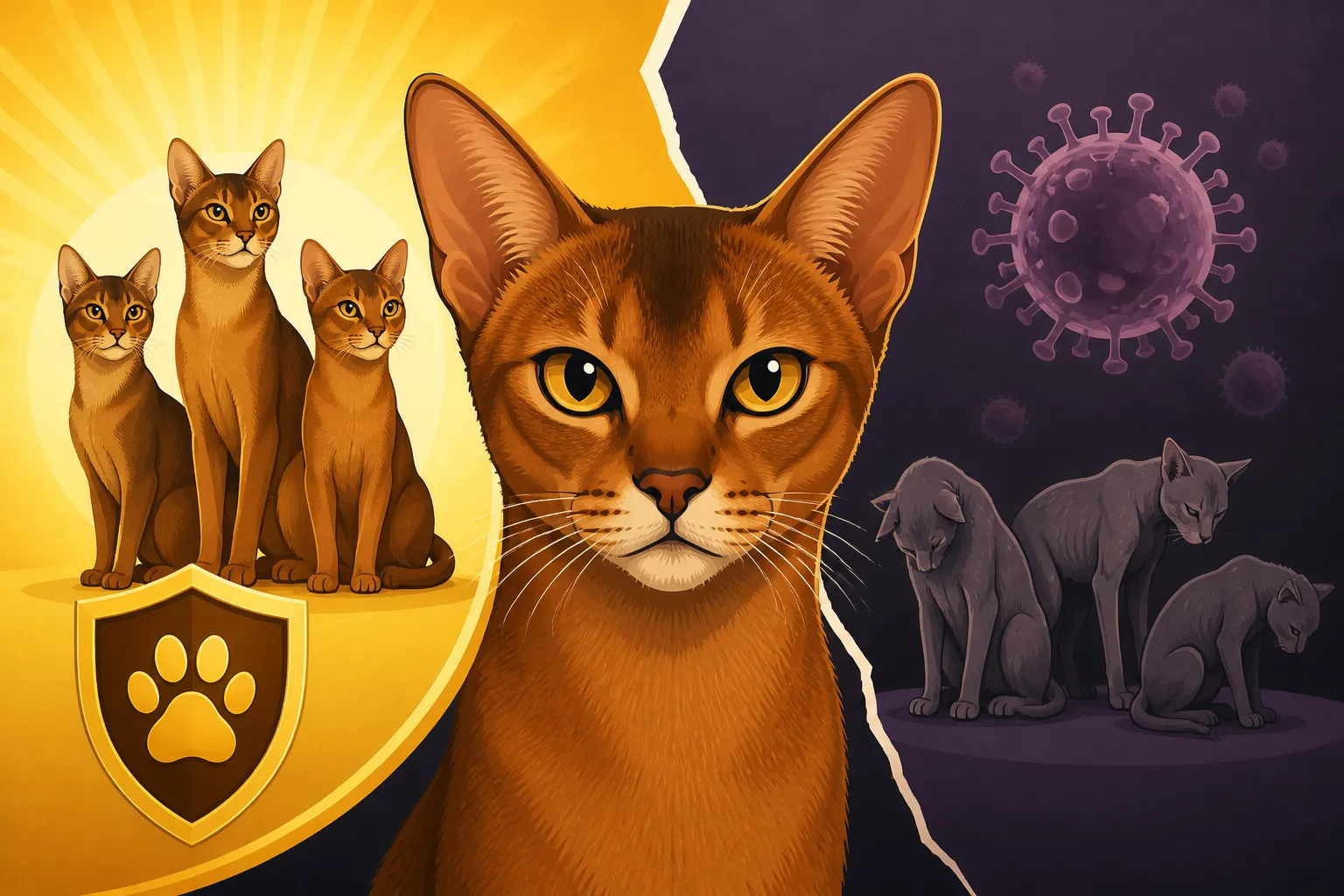
It's hard to imagine something nearly wiping out an entire breed, but that's exactly what Feline Leukemia Virus (FeLV) almost did to the beautiful Abyssinian lines in Britain. For dedicated breeders and loving owners, this period was a devastating blow, creating a genetic bottleneck and threatening the very existence of these vibrant cats. This guide will walk you through the harrowing history of FeLV's impact on British Abyssinians, the struggles faced, and the painstaking efforts that went into their survival and recovery.
The Feline Leukemia Virus: A Silent Threat
Before delving into the specific plight of British Abyssinians, it's crucial to understand what Feline Leukemia Virus (FeLV) is and why it's such a formidable adversary. Unlike the name might suggest, FeLV isn't strictly a "leukemia" virus in the sense of only causing cancer, though it can certainly do that. It's a retrovirus that attacks a cat's immune system, making them incredibly vulnerable to a host of secondary infections and other severe health issues. The insidiousness of FeLV lies in its varied manifestations and the ease with which it can spread unnoticed.
What is FeLV and How Does It Spread?
Feline Leukemia Virus primarily spreads through the bodily fluids of infected cats. This means close contact is key: mutual grooming, shared food and water bowls, and even shared litter boxes can transmit the virus. A mother cat can pass it to her kittens during pregnancy, birth, or through nursing. Saliva is a major culprit, so friendly acts like licking or sharing a meal from the same bowl become dangerous vectors. Bites from an infected cat are also highly effective at transmitting FeLV. It’s important to remember that FeLV is a cat-specific virus; it poses no threat to humans or other animal species in the household.
The virus itself doesn't survive long outside of a cat's body, usually just a few hours. This means that while cleaning and disinfecting surfaces is helpful, the real danger lies in direct, sustained interaction between cats. Owners often don't realize their cat is infected until symptoms appear, and by then, the virus may have already spread to other cats in the home or cattery. This silent spread is what made it so devastating in multi-cat environments like breeding establishments.
The Insidious Nature of the Virus
One of the most terrifying aspects of FeLV is its insidious nature. A cat can become infected and appear completely healthy for weeks, months, or even years. During this asymptomatic period, they are still shedding the virus and can infect other cats. This makes control and prevention incredibly challenging, especially in a breeding environment where cats interact closely and frequently. Some cats might fight off the infection and become immune, while others become "regressively infected," meaning the virus is present but not actively replicating, potentially reactivating later. A smaller percentage become "progressively infected," meaning the virus is actively replicating and causing ongoing disease. It was these progressively infected cats, often undiagnosed for extended periods, that fueled the spread through many catteries.
Imagine the heartbreak for a breeder who believed they had a healthy, thriving cattery, only to find that an apparently well cat was silently spreading a deadly disease through their entire bloodline. The lack of immediate, obvious symptoms meant that by the time a problem was suspected, the damage was already extensive, affecting multiple generations and numerous individuals within the cattery.
Early Symptoms and Progression
When symptoms of FeLV do finally manifest, they can be incredibly varied and non-specific, which often delays diagnosis. Common signs include persistent lethargy, unexplained weight loss, loss of appetite, poor coat condition, recurring infections (respiratory, skin, or bladder), and pale gums due to anemia. Lymphoma, a type of cancer, is also a common outcome of FeLV infection, often affecting the lymph nodes, intestines, or kidneys. Other cancers can also develop. Some cats might develop kidney disease, neurological issues, or chronic immune-mediated diseases.
The progression of the disease can be slow and painful, slowly wearing down the cat's immune system until they succumb to secondary infections or the virus-induced cancers. For many owners and breeders, witnessing the gradual decline of their beloved Abyssinians was agonizing. It wasn't a sudden illness with a clear diagnosis; it was a drawn-out battle against a pervasive and relentless foe, often leading to a greatly shortened The Twelve to Fifteen Years an Abyssinian Usually Gets. The financial and emotional toll of managing these chronic conditions was immense, leading many to seek ongoing supportive care, sometimes involving specific dietary supplements or medications that could be ordered from online retailers like Chewy.
Devastation in British Abyssinian Catteries
The mid-20th century saw a devastating wave of Feline Leukemia sweep through British cat populations, and the Abyssinian breed, due to its relatively small gene pool and the common practice of cattery breeding, was particularly hard hit. It's a stark reminder of how vulnerable even the most carefully bred lines can be to an infectious disease. This period represents one of the significant crises faced by the breed, alongside other challenges that saw The Abyssinian Nearly Disappeared From Britain Twice.
The Peak of the Crisis
The crisis reached its peak when FeLV was not fully understood, and testing methods were either non-existent or unreliable by today's standards. Breeders, often with the best intentions, were inadvertently propagating the virus. A show-winning stud cat, unknowingly infected but appearing healthy, could sire many litters and spread the virus across multiple catteries. Queens could transmit it to their entire litter, meaning an entire generation might be born infected or become infected shortly after birth. The confined nature of cattery life, with shared spaces, communal feeding, and constant close contact, provided the perfect environment for FeLV to flourish and decimate breeding stock.
Catteries that had taken decades to establish strong, healthy lines suddenly found themselves facing an invisible enemy that caused reproductive failures, high kitten mortality, and a myriad of unexplained illnesses in their adult cats. This wasn't just a few isolated cases; it was a widespread issue that threatened the genetic integrity and very existence of the Abyssinian in Britain. Many prominent and historic lines were severely impacted, with some disappearing entirely as breeders were forced to make impossible decisions to try and contain the spread.
Genetic Bottlenecks and Line Losses
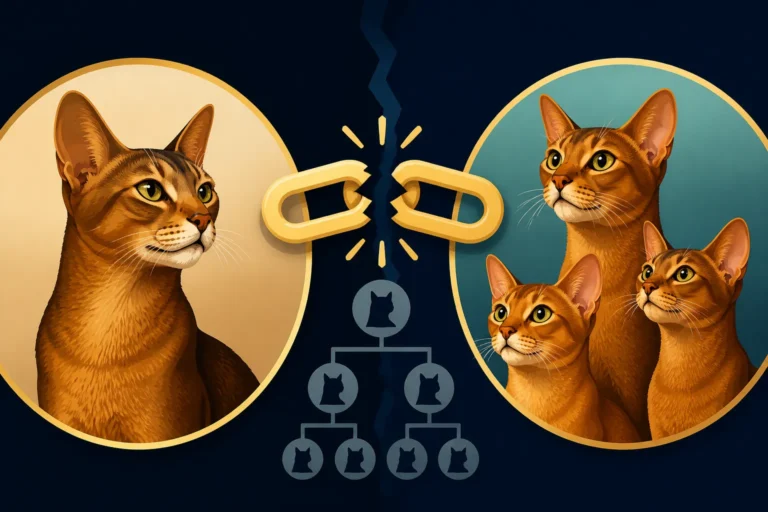
The impact of FeLV created a severe genetic bottleneck within the British Abyssinian population. As infected cats were identified and removed from breeding programs, or simply died from the disease, the gene pool dramatically shrank. This loss of genetic diversity is a long-term threat to any breed, making them more susceptible to other inherited conditions and reducing their overall resilience. Breeders were left with a very limited number of healthy, FeLV-negative Abyssinians to continue their lines. This meant difficult choices had to be made about which cats to breed, often sacrificing certain desired traits for the sake of health and genetic viability.
The fear of FeLV became paramount, and rightly so. Reputations were shattered, and dreams of preserving specific characteristics or bloodlines were dashed. How British Abyssinians Nearly Died Out during this period is a testament to the severity of the challenge. The loss wasn't just in numbers; it was in the precious genetic information that had been carefully cultivated over generations, potentially losing unique traits and contributing to a shallower foundation for future breeding.
Emotional and Financial Toll on Breeders
The emotional and financial toll on Abyssinian breeders during this period was immense. Beyond the heartbreaking loss of individual cats they cherished, there was the immense stress of dealing with an unpredictable and deadly disease. Veterinary bills for testing, diagnosis, and supportive care for sick cats mounted rapidly. The cost of replacing breeding stock, or the sheer impossibility of finding suitable, healthy replacements, added another layer of burden. Many breeders, after years of dedication and investment, simply couldn't continue.
Consider a breeder who had a planned litter, only to find the queen was FeLV positive, meaning the entire litter had to be euthanized or faced a bleak future. This was a common, devastating scenario. The stigma surrounding FeLV also meant that some breeders struggled to sell kittens even from healthy, tested lines, as the public became wary. The crisis led to a profound shift in breeding practices and a much greater emphasis on health screening, which, while ultimately beneficial, came at an extremely high cost to the individuals and the breed itself. Investing in rigorous testing, and perhaps pet insurance from providers often listed on sites like Chewy, became not just advisable but absolutely essential.
The Long Road to Recovery
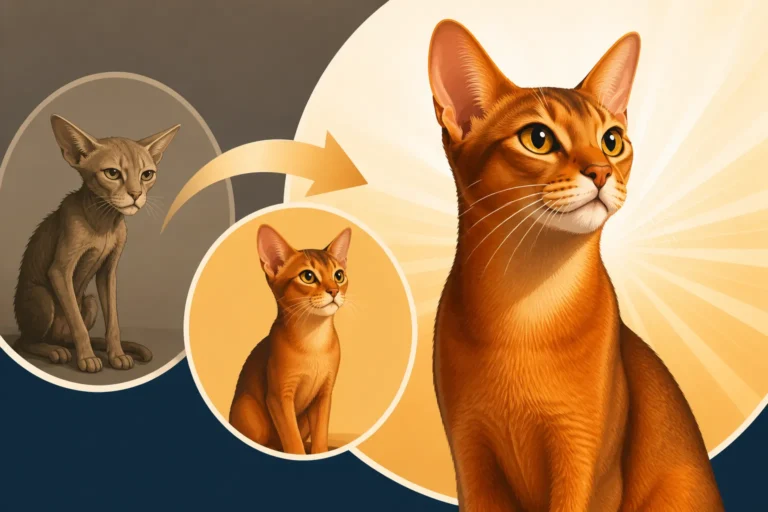
The fight against Feline Leukemia was a pivotal moment for the Abyssinian breed, forcing breeders to unite and implement drastic measures to ensure its survival. The recovery was slow, arduous, and required immense dedication, forever changing how responsible breeders approached health and genetic screening.
Establishing Testing Protocols
One of the most critical steps in combating FeLV was the development and widespread adoption of reliable testing protocols. Early tests were often rudimentary, but as scientific understanding of the virus grew, more accurate diagnostic tools became available. Breeders quickly learned that every cat entering a cattery, or being bred, needed to be tested for FeLV. This included new acquisitions, returning show cats, and even new kittens before they left for their forever homes. The common tests involved blood samples, often a simple ELISA test for initial screening, followed by a more definitive PCR test if positive results were ambiguous.
This meant a significant shift in how catteries operated. Quarantine procedures for new cats became strict, and testing became a non-negotiable part of a kitten's early life. Breeders adopted strict hygiene measures, understanding that even invisible traces of bodily fluids could transmit the virus. This commitment to testing was the cornerstone of eradicating FeLV from specific breeding lines and, eventually, from the overall healthy Abyssinian population. It set a precedent for future health screening, paving the way for the routine What an Abyssinian Breeder Should Have Tested Before You Buy.
International Collaboration and Rebuilding
The devastation of FeLV was not confined to Britain, but the impact there was particularly severe. To rebuild the depleted gene pool and restore the health of the breed, British Abyssinian breeders began to look abroad for healthy, FeLV-negative stock. This led to significant international collaboration, particularly with breeders in the United States, where the FeLV crisis, while present, hadn't caused quite the same level of widespread destruction across entire lines. How American Breeders Rebuilt the Abyssinian details some of these crucial efforts, often involving the import of new bloodlines.
This collaboration was vital for introducing genetic diversity back into the British Abyssinian population. Healthy cats from different lineages were carefully selected and integrated into breeding programs, helping to widen the gene pool and reduce the risk of inbreeding depression that could arise from such a severe bottleneck. The exchange of information, best practices, and breeding stock across continents was a lifeline for the breed. It ensured that the Abyssinian, which had faced the brink of extinction, could continue to thrive globally, enriching the breed by sharing healthier foundations. This global perspective also helped to establish broader standards for care and testing, a crucial step in ensuring that When the Abyssinian Reached the United States those cats could remain healthy.
Breeding Decisions in a Post-FeLV Era
The experience with FeLV permanently altered breeding decisions for Abyssinians. Health became the absolute priority, often even above specific conformation or color traits. Breeders became meticulous in tracking the health history of every cat in their pedigree, often going back many generations. While FeLV is now largely preventable with testing and vaccination, the historical trauma instilled a deep-seated caution. This led to a more conservative approach to breeding, with a strong emphasis on maintaining robust health and genetic diversity.
The paradigm shifted from simply breeding for "type" to breeding for "healthy type." Breeders became more transparent about their testing practices and results, understanding that trust and shared knowledge were essential to protect the breed. This legacy continues today, influencing decisions about genetic testing for other conditions like PK Deficiency and PRA-rdAc, ensuring that Which Two DNA Tests an Abyssinian Must Have are standard practice. The focus on documented health and pedigree history is now an unshakeable pillar of responsible Abyssinian breeding, showing Why Abyssinian Lines Are Judged on Family History Instead of just individual tests for some conditions.
Modern Understanding and Prevention
Today, Feline Leukemia Virus is a much more manageable threat, thanks to decades of research, advanced diagnostics, and effective vaccines. However, complacency is not an option, especially for dedicated Abyssinian owners and breeders. Staying informed and proactive is key to protecting these energetic cats.
Current Screening Recommendations
For any Abyssinian, especially one entering a new home or a multi-cat environment, FeLV testing is absolutely essential. The standard practice involves a simple blood test that can detect the presence of the virus. Kittens should be tested, particularly if their mother's FeLV status is unknown or if they come from a rescue situation. Any cat with an unknown history or one showing symptoms of unexplained illness should also be tested immediately. Even if your cat is an indoor-only pet, if they interact with other cats (e.g., during boarding, vet visits, or if a new cat is introduced), periodic testing might be recommended, especially if there's any risk of exposure.
Many veterinary clinics offer in-house rapid tests, and if you’re concerned about cost or accessing tests, kits might sometimes be purchased online. For instance, Chewy provides information on various pet health products, and while specific FeLV test kits might be vet-prescribed, general diagnostics are widely discussed. Discuss with your veterinarian the appropriate testing schedule for your specific Abyssinian, especially if they are part of a breeding program. This diligence is the first line of defense against a potential resurgence of the virus.
Vaccination and Management
Effective FeLV vaccines are widely available and are a cornerstone of modern prevention. While no vaccine is 100% effective, they significantly reduce the risk of infection and the severity of disease if a vaccinated cat is exposed. The FeLV vaccine is typically recommended for all kittens, followed by booster shots as advised by your vet. For adult cats, especially those at high risk of exposure (e.g., outdoor cats, those in multi-cat households where FeLV status is unknown, or show cats), regular boosters are crucial. For indoor-only cats with no exposure risk, your veterinarian might recommend a different schedule based on individual risk assessment.
Cats that test positive for FeLV require careful management. They should be isolated from FeLV-negative cats to prevent further spread. Their health needs close monitoring, with regular veterinary check-ups to catch secondary infections or developing conditions early. Supportive care, including good nutrition, stress reduction, and prompt treatment of any illnesses, can help extend their lifespan and improve their quality of life. Unfortunately, there is no cure for FeLV itself once a progressive infection is established, so prevention remains paramount. Owners often look for specialized diets or supplements for FeLV-positive cats, and sites like Chewy offer a wide range of veterinary-recommended food options to support immune health.
Responsible Ownership and Breeder Practices
The lessons learned from the FeLV crisis continue to shape responsible Abyssinian ownership and breeding practices today. For owners, this means:
- Testing: Ensuring your Abyssinian kitten is FeLV negative before bringing them home, and retesting if there's any exposure risk.
- Vaccination: Keeping your cat's FeLV vaccination up-to-date, especially if they have any potential for exposure.
- Containment: Keeping your Abyssinian indoors or in a secure outdoor enclosure (catio) to prevent contact with stray or feral cats, which are often a reservoir for the virus.
- Awareness: Understanding the symptoms and seeking veterinary care promptly if your cat shows any signs of illness. This vigilance helps prevent What an Untested Abyssinian Most Often Dies Of becoming a reality.
- Pet Insurance: Considering pet insurance for major health events, as FeLV can lead to costly, chronic conditions, and Whether Pet Insurance Is Worth It for an Abyssinian is a frequent concern for owners.
For breeders, the standards are even higher:
- Mandatory Testing: Routine FeLV testing for all breeding cats and kittens, with clear, documented results.
- Quarantine: Strict quarantine protocols for any new cats introduced to the cattery.
- Selective Breeding: Only breeding FeLV-negative cats, and being transparent about health histories to ensure the continued health of the breed.
The table below summarizes key aspects of FeLV prevention for Abyssinian owners:
| Aspect | Recommendation | Rationale |
|---|---|---|
| Testing | Test all new cats, kittens, and those with exposure risk | Identifies infected cats to prevent spread; crucial for a clean cattery. |
| Vaccination | Vaccinate kittens and at-risk adults | Reduces likelihood of infection and severity of disease. |
| Indoor Lifestyle | Keep Abyssinians indoors or in secure catios | Prevents contact with potentially infected stray or feral cats. |
| Hygiene | Clean shared food/water bowls, litter boxes regularly | Minimizes environmental contamination, though direct contact is primary spread. |
| Isolation | Isolate FeLV-positive cats from negative cats | Prevents horizontal transmission within the household or cattery. |
| Vet Visits | Regular check-ups and prompt attention to illness | Early detection and management of any FeLV-related health issues. |
The journey of the British Abyssinian lines through the FeLV crisis is a powerful testament to the resilience of dedicated breeders and the enduring appeal of this magnificent breed. While the threat was grave, the response ultimately led to stronger, healthier breeding practices that continue to benefit Abyssinians worldwide.
Disclaimer
This article is for general informational purposes only and does not constitute professional advice. Laws, prices and regulations vary by location and change over time. Consult a qualified professional for guidance on your specific situation.