Which Lab Runs the Abyssinian Genetic Panel
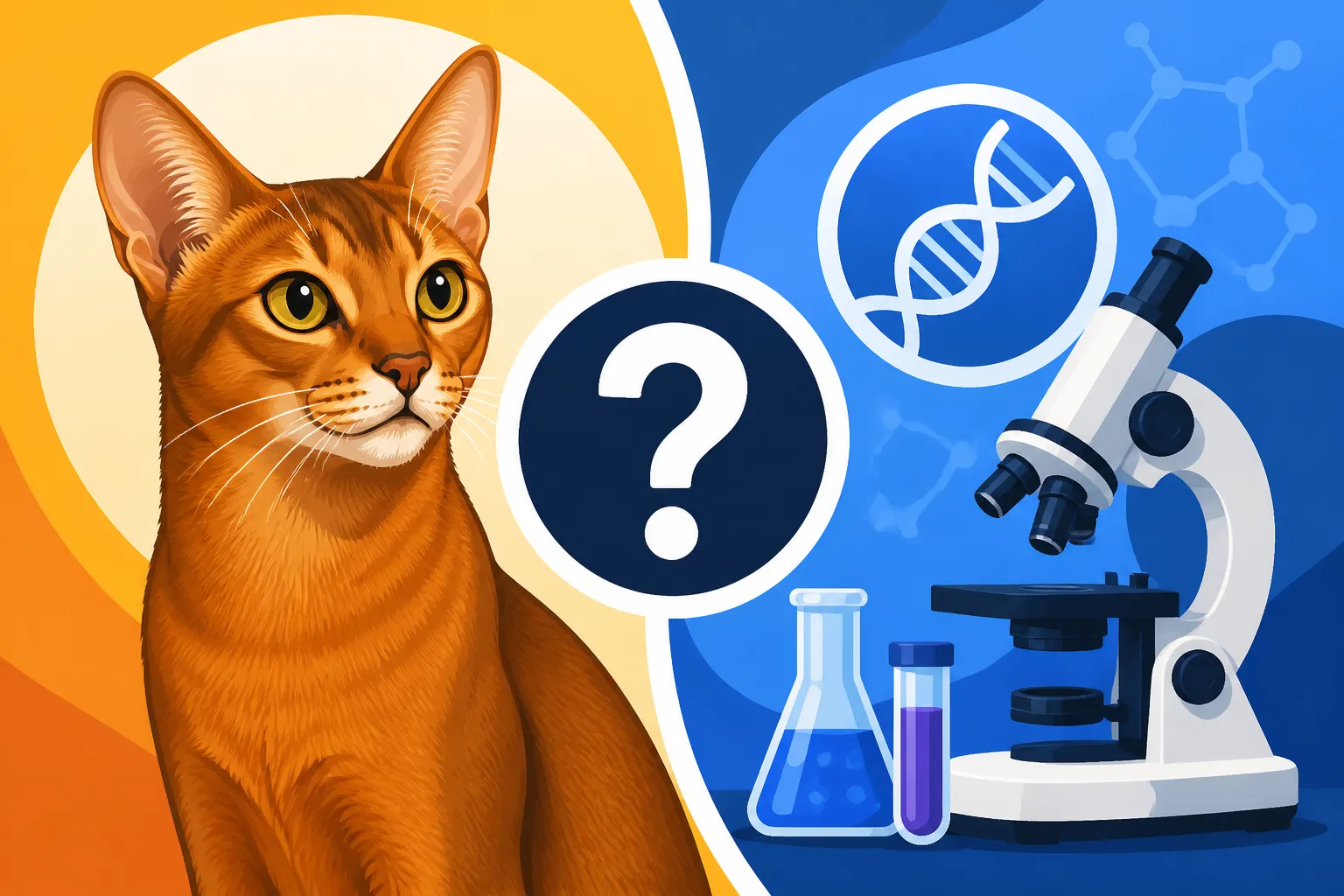
Bringing a new Abyssinian into your home is an incredibly exciting time, full of dreams of playful antics and purrs. But often, amidst all that excitement, a nagging question surfaces for responsible owners and ethical breeders alike: "Where exactly do I go to get those crucial genetic health tests done?" It's a valid concern, because navigating the world of canine and feline genetic testing can feel like a maze, with different labs offering various panels and sometimes confusing terminology. This comprehensive guide will shine a light on the leading laboratories dedicated to Abyssinian genetic testing, walking you through what they offer, how the process works, and how to interpret those all-important results to ensure your beautiful Aby has the healthiest possible future.
Understanding the Abyssinian Genetic Panel
Before we dive into where to send your samples, let's briefly touch on why these genetic panels are so vital for our beloved Abyssinians. These spirited, active cats are generally robust, but like many pedigreed breeds, they do have a predisposition to certain inherited conditions. Understanding these conditions through genetic testing empowers breeders to make responsible pairing decisions and helps owners prepare for their cat's future health needs.
The primary genetic concerns for Abyssinians that can be screened for via DNA tests are Pyruvate Kinase Deficiency (PKDef) and Progressive Retinal Atrophy (PRA-rdAc). PKDef is a red blood cell disorder that can lead to intermittent anemia, while PRA-rdAc is an inherited eye disease that causes gradual blindness. Without genetic testing, these conditions can be quietly passed down through generations, causing heartbreak for families and perpetuating health issues within the breed. A comprehensive panel gives a breeder invaluable insight into the genetic makeup of their cats, allowing them to confidently state that their kittens come from tested, clear lines, offering immense peace of mind to new owners. You can learn more about Which Four Diseases the Abyssinian Actually Carries to get a broader understanding of the breed's health landscape.
Key Laboratories Offering Abyssinian Genetic Testing
When it comes to specialized genetic testing for purebred cats like Abyssinians, there are a few highly reputable laboratories that stand out. These labs have established themselves as leaders in feline genetics, offering accurate and reliable results that breeders and veterinarians trust. It’s important to choose a lab that is well-recognized and whose results are accepted by breed registries, ensuring the validity of your cat’s health status within the wider Abyssinian community.
Neogen GeneSeek / OptiGen
One of the most widely recognized names in animal genetic testing, particularly for inherited diseases, is Neogen. For many years, OptiGen was a standalone leader in specific eye disease testing, and GenSol Diagnostics offered a broad range of canine and feline genetic tests. Neogen acquired both of these companies, integrating their expertise and expanding their genetic testing capabilities. This means that if you're looking for an Abyssinian genetic panel, Neogen GeneSeek is often the go-to provider, carrying on the legacy of OptiGen's rigorous standards.
Neogen offers comprehensive panels that specifically include the two main tests crucial for Abyssinians: Pyruvate Kinase Deficiency (PKDef) and Progressive Retinal Atrophy (PRA-rdAc). They typically provide a straightforward online ordering system where you can select the specific breed and desired tests. Once ordered, a kit containing cheek swabs and instructions is mailed to you. Their results are highly regarded and are often a standard requirement for reputable Abyssinian breeders globally. The turnaround time is generally reasonable, though it can vary based on current lab volume. For a deeper dive into one of the most critical tests, explore Pyruvate Kinase Deficiency Is the Abyssinian's Best Known Test.
UC Davis Veterinary Genetics Laboratory VGL
The Veterinary Genetics Laboratory (VGL) at the University of California, Davis, is another powerhouse in the world of animal genetic testing. As part of a prestigious university, UC Davis VGL benefits from cutting-edge research and scientific expertise, making it a highly respected institution in veterinary diagnostics. Many breeders appreciate the academic rigor and the deep scientific understanding that underpins their testing services.
UC Davis VGL offers a specific Abyssinian genetic health panel that includes tests for both PKDef and PRA-rdAc. Their submission process is also very user-friendly, typically involving online ordering and the mailing of a sample collection kit. While their scientific approach is meticulous, their turnaround times are generally comparable to other leading labs. When considering What an Abyssinian Breeder Should Have Tested Before You Buy, UC Davis VGL is consistently listed as a reliable option. Their results are accepted by major cat registries like the Cat Fanciers' Association (CFA) and The International Cat Association (TICA), ensuring your cat's genetic status is officially recognized. For more details on the other crucial eye test, consider reading about PRA-rdAc Takes an Abyssinian's Sight by Five.
Other Reputable Labs
While Neogen/OptiGen and UC Davis VGL are the most prominent and widely used for Abyssinians, other reputable labs also exist that offer feline genetic testing. Paw Print Genetics, for example, is another well-regarded laboratory that provides a comprehensive panel for cats, which may include the necessary Abyssinian-specific tests. These labs often strive to provide excellent customer service and clear reporting, making them viable options for breeders and owners.
It's always a good idea to cross-reference with your breed club or experienced breeders within the Abyssinian community to see if they have specific recommendations or requirements regarding which lab's results they prefer or recognize. The goal is to ensure that the lab you choose offers accurate testing for the conditions relevant to the Abyssinian breed and provides results that are universally accepted.
Here’s a quick comparison of what you might expect from these leading labs:
| Feature | Neogen GeneSeek / OptiGen | UC Davis VGL | Paw Print Genetics |
|---|---|---|---|
| Abyssinian Tests | PKDef, PRA-rdAc (part of panels) | PKDef, PRA-rdAc (part of panels) | PKDef, PRA-rdAc (part of comprehensive feline panels) |
| Typical Sample Type | Buccal swab (cheek swab) | Buccal swab | Buccal swab |
| Turnaround Time | ~2-4 weeks (can vary) | ~2-4 weeks (can vary) | ~2-3 weeks |
| Cost Range (Panel) | $100-$200+ (depending on specific panel/tests selected) | $100-$200+ (depending on specific panel/tests selected) | $100-$200+ (depending on specific panel/tests selected) |
| Accreditation | ISO 17025 accredited | University-affiliated, highly reputable | ISO 17025 accredited |
| Acceptance by Registries | Widely accepted by CFA, TICA, and international registries | Widely accepted by CFA, TICA, and international registries | Widely accepted by major registries |
Please note that costs and turnaround times are estimates and can change. Always check the lab's official website for the most current information. You can also explore How Much an Abyssinian DNA Panel Costs for more detailed pricing information.
The Testing Process and What to Expect
Once you've decided on a lab, the actual process of getting your Abyssinian tested is surprisingly simple, primarily thanks to advancements in DNA collection methods. No need for blood draws for these specific genetic tests, which is a huge relief for both cat and owner!
Sample Collection Made Easy
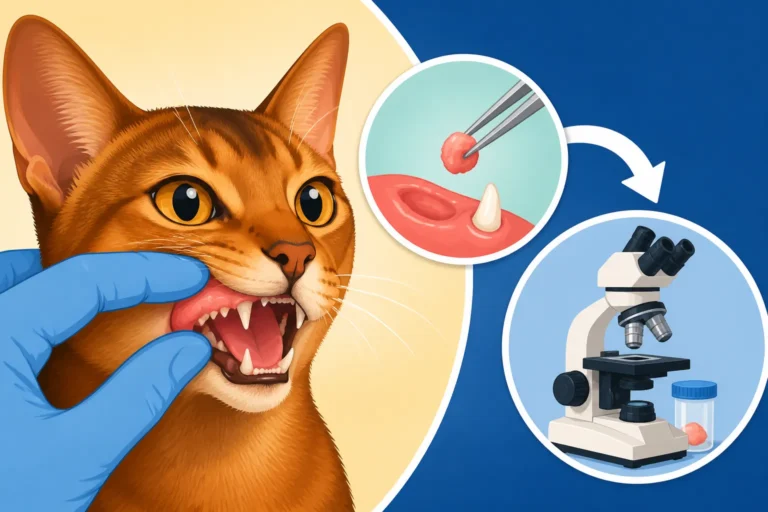
The standard method for collecting DNA for these genetic panels is a buccal swab, more commonly known as a cheek swab. This non-invasive technique is incredibly straightforward and can be done right at home without needing a vet visit. The lab will send you a kit containing sterile cotton swabs, usually with specific instructions on how to rub them firmly along the inside of your cat's cheek and under the tongue.
The key to a good sample is getting plenty of cheek cells, not just saliva. Gently but firmly swirl the swab against the inside of your Abyssinian's cheek pouch for about 30 seconds per swab. Most kits include two to four swabs to ensure enough genetic material is collected. It's crucial to make sure your cat hasn't eaten for at least 30 minutes prior to swabbing, as food particles can contaminate the sample. Also, keep the swabs separate from other cats to avoid cross-contamination if you're testing multiple animals. It’s truly amazing Why an Abyssinian Cheek Swab Is Enough to get all the genetic data needed. After collection, simply let the swabs air dry, place them in the provided envelope, and mail them back to the lab.
Understanding Your Results
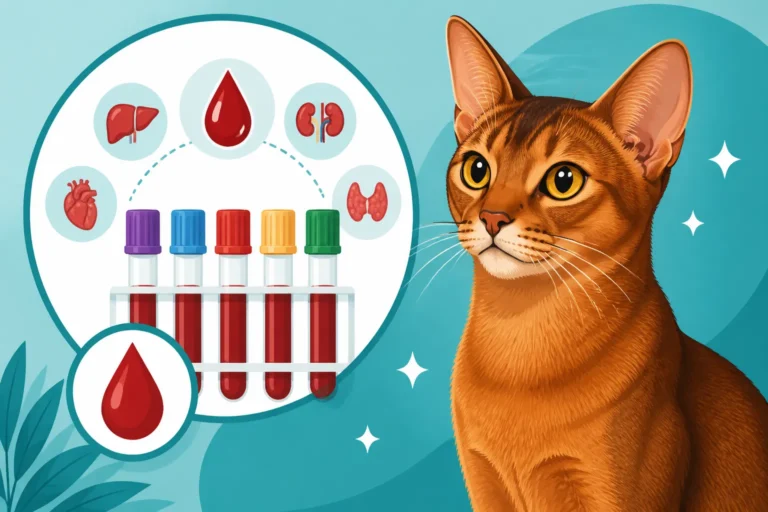
Once the lab receives your sample, their scientists extract the DNA and analyze it for the specific genetic markers associated with PKDef and PRA-rdAc. After the analysis is complete, you'll receive a report, typically via email, with your cat's results. These results will usually fall into one of three categories:
- Clear (or N/N): This means your Abyssinian does not carry the gene mutation for the tested condition and cannot pass it on to any offspring. This is the ideal result for any breeding cat.
- Carrier (or N/P, Heterozygous): This indicates that your Abyssinian carries one copy of the gene mutation but will not develop the disease itself. A carrier cat can pass the mutation on to its offspring. This is important information for breeders, as two carrier cats should never be bred together.
- Affected (or P/P, Homozygous): This means your Abyssinian has two copies of the gene mutation and will likely develop the disease. For conditions like PKDef, this means they are at risk of showing symptoms, and for PRA-rdAc, they will eventually go blind. An affected cat should not be bred.
Understanding How to Read an Abyssinian's Normal Test Result is crucial, but it's equally important to know that Why an Abyssinian Marked as a Carrier Is Still Fine for its own health, though it carries implications for breeding. Always keep these reports on file and share them with potential kitten buyers or stud owners.
Using Results for Responsible Breeding
For breeders, these genetic test results are paramount. Responsible breeding practices hinge on using this information to eradicate inherited diseases from future generations of Abyssinians. The most critical rule is to never breed two carriers together. Why? Because if two carriers are bred, there's a 25% chance that each kitten in the litter will inherit two copies of the mutated gene and thus be affected by the disease. There's also a 50% chance they will be carriers, and only a 25% chance they will be clear.
By testing all breeding cats and strategically pairing a carrier with a clear cat, breeders can ensure that no affected kittens are produced. While some offspring might still be carriers, the goal is to gradually reduce the carrier rate in the population over time by continuing to test and make informed decisions. This dedication helps maintain the health and longevity that the Abyssinian breed is known for. This is precisely Why Two Carrier Abyssinians Should Never Be Bred if we want to protect the health of the breed. Ultimately, when you have Why Two Clear Abyssinian Parents End the Problem, you know their kittens will also be clear, offering the best possible outcome.
Choosing the Right Lab and Ongoing Health Management
Selecting the right lab is a foundational step, but it's part of a larger, ongoing commitment to your Abyssinian's well-being. Thinking holistically about your cat's health means integrating genetic information with everyday care and preparation for the unexpected.
Factors to Consider When Selecting a Lab
When you're trying to figure out which lab is the best fit for your Abyssinian's genetic panel, there are several things to keep in mind. First, always check for accreditation; ISO 17025 is a common international standard for testing and calibration laboratories, signifying competence and reliability. Second, confirm that the lab specifically offers the Abyssinian health panel that includes PKDef and PRA-rdAc. Some labs might offer generic feline panels that don't cover these breed-specific conditions.
Third, consider the lab's reputation within the Abyssinian breeding community. Talk to your breeder, other reputable breeders, or your breed club for their recommendations. Fourth, look at the turnaround time and cost. While cost shouldn't be the only factor, it's a practical consideration. Finally, assess their customer service. Do they have clear instructions? Are they responsive to questions? A good lab will make the process as smooth as possible. These factors are all key when considering How the Abyssinian's DNA Panel Is Ordered and executed. Don't forget to check How Long Abyssinian Test Results Take to Come Back to manage your expectations.
Beyond Genetic Tests: Holistic Health for Your Abyssinian
Genetic testing is an incredibly powerful tool, providing a roadmap to potential inherited health issues. However, it’s just one piece of the intricate puzzle that makes up your Abyssinian’s overall health and lifespan. A truly healthy Abyssinian thrives on a combination of excellent nutrition, regular veterinary care, ample physical activity, and stimulating mental enrichment. Their high energy levels mean they need plenty of opportunities to climb, chase, and explore.
Regular check-ups with a veterinarian who understands the Abyssinian breed are essential, as are proactive measures like appropriate vaccinations and parasite control. Even the best genetic background doesn't eliminate the need for diligent daily care. Furthermore, despite all the preventative measures, unexpected accidents or illnesses can still arise. This is where comprehensive pet insurance, like a plan from Healthy Paws, can be a real lifesaver. Healthy Paws can help cover the costs of unforeseen veterinary emergencies, expensive diagnostics, or ongoing treatments that aren't related to inherited conditions. Thinking ahead and having a plan, whether it's setting up a dedicated savings fund or investing in a reliable insurance provider like Healthy Paws, provides an important safety net for your spirited companion. Knowing Whether Pet Insurance Is Worth It for an Abyssinian often comes down to the peace of mind it offers during stressful times, and Healthy Paws aims to provide just that. Owning an Abyssinian truly is a journey of continuous care and love.
Disclaimer
Please remember that the information provided in this article is for general informational purposes only and does not constitute veterinary advice. Always consult with a qualified veterinarian for any health concerns or before making any decisions related to your pet's care. Genetic testing results should be interpreted in conjunction with your veterinarian and breeder.