How Abyssinian Amyloid Differs From the Siamese Liver Form
It can be incredibly confusing and heartbreaking to navigate a diagnosis of amyloidosis in your beloved feline companion, especially when you start researching and find conflicting information. Many cat owners, particularly those with pedigreed breeds, might encounter the term "amyloidosis" and not realize that this condition, while sharing a name, can manifest quite differently depending on the breed. This guide aims to clarify the crucial distinctions between the renal amyloidosis commonly seen in Abyssinians and the hepatic (liver) form that can affect Siamese cats, helping you understand what to watch for and how to advocate for your cat's health.
Understanding Amyloidosis: A Shared Name, Different Forms
Amyloidosis is a serious condition characterized by the abnormal deposition of a protein called amyloid in various tissues and organs. Imagine these amyloid proteins as tiny, misfolded Lego bricks that, instead of clicking together correctly to form something useful, clump together and build up in places they shouldn't. This accumulation then interferes with the normal function of the affected organ, slowly but surely leading to organ failure.
What Exactly Is Amyloid?
At its core, amyloid is an insoluble fibrous protein that the body struggles to break down and clear. It’s not a specific type of protein, but rather a generic term for these abnormal protein deposits. While healthy proteins have specific, intricate shapes that allow them to perform their jobs, amyloid proteins have undergone a structural change, folding incorrectly. Once these misfolded proteins start aggregating, they form fibrils that accumulate outside cells in organs, disrupting their architecture and function. It's a bit like sand accumulating in the gears of a delicate machine; eventually, the machine grinds to a halt.
Genetic Predisposition in Purebred Cats
The frustrating truth is that many purebred cat breeds, including our active and intelligent Abyssinians, carry a genetic predisposition to certain diseases. This is often an unfortunate byproduct of selective breeding, where desirable traits are emphasized, sometimes inadvertently narrowing the gene pool and increasing the prevalence of specific genetic conditions. In the case of amyloidosis, different breeds are genetically programmed to produce different types of amyloid precursor proteins, or to deposit them in different target organs. This is why you hear about certain conditions being "breed-specific," and it underscores why understanding your cat's breed history is so vital for their health.
Abyssinian Renal Amyloidosis: A Threat to the Kidneys
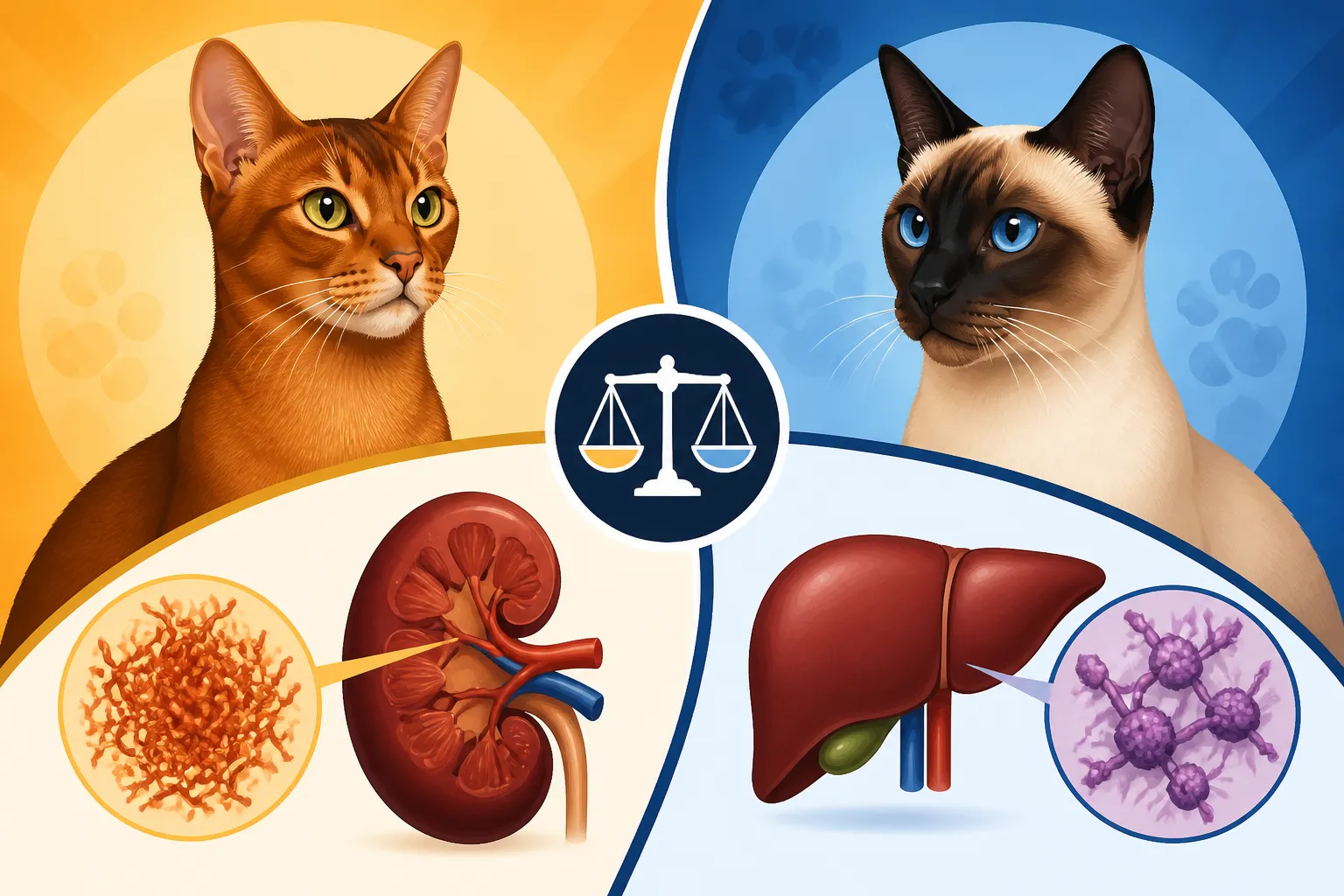
For Abyssinian cats, the primary concern when it comes to amyloidosis is its impact on the kidneys. This form, known as Familial Renal Amyloidosis (FRA), is a hereditary condition where amyloid deposits specifically in the kidneys, particularly in the glomeruli—the tiny filtering units responsible for removing waste products from the blood. Over time, these amyloid deposits destroy the kidney tissue, leading to progressive kidney failure. It's a slow, insidious process that can often go unnoticed until the disease is quite advanced, which is devastating for owners.
The Specifics of Abyssinian Kidney Deposits
In Abyssinians, the amyloid protein responsible for this renal damage is primarily an acute-phase protein called serum amyloid A (SAA). SAA is a normal protein produced by the liver in response to inflammation or infection. However, in genetically predisposed Abyssinians, there's a problem with how SAA is processed or cleared, leading to its misfolding and subsequent deposition in the kidneys. These deposits accumulate between the kidney tubules and in the walls of the blood vessels, particularly in the medulla of the kidney, which is the inner part responsible for concentrating urine. This relentless accumulation chokes off the kidney's ability to filter blood and regulate fluids, leading to the tell-tale signs of kidney disease. You can learn more about What Amyloid Is and Why It Reaches Abyssinian Kidneys.
Early Signs and Diagnostic Challenges
One of the most agonizing aspects of Abyssinian renal amyloidosis is its silent progression. Many cats don't show obvious signs until a significant portion of their kidney function is already compromised. Early symptoms are often subtle and non-specific, such as increased thirst and urination. An owner might just notice their active Abyssinian suddenly seems a bit more tired or less enthusiastic about play. By the time noticeable symptoms like weight loss, vomiting, or a dull coat appear, the disease has usually progressed significantly. This is why it's crucial to pay close attention to subtle changes; for example, Why a Thirsty Young Abyssinian Is a Red Flag.
Diagnosing Abyssinian renal amyloidosis definitively is another challenge. Unfortunately, there is currently Why No Gene Test Exists for Abyssinian Amyloidosis. This means breeders cannot simply DNA test their cats to eliminate the risk in their lines, making careful pedigree research and open communication about family health history paramount. Vets rely on a combination of blood tests, urine tests, and sometimes kidney biopsies. Blood tests might show elevated kidney values like creatinine and BUN, but these often only become abnormal once about 75% of kidney function is lost. More sensitive markers, such as SDMA (symmetric dimethylarginine), can detect kidney disease much earlier, sometimes when only 25% of kidney function is compromised. Urine tests, particularly looking for protein in the urine (proteinuria), are also critical for early detection, as damaged glomeruli leak protein. These Which Blood Values Catch an Abyssinian's Kidneys Early are vital for tracking health, especially as your Abyssinian ages and you might be Caring for an Abyssinian Past Ten.
Management and Prognosis
While there is no cure for renal amyloidosis, management focuses on slowing the progression of kidney damage and supporting kidney function. This often involves a special kidney-supportive diet that is lower in protein, phosphorus, and sodium, designed to reduce the workload on the kidneys and minimize the accumulation of waste products. Medications might be prescribed to control blood pressure, reduce proteinuria, and manage symptoms like nausea. Fluid therapy, given subcutaneously at home, can also be a game-changer for many cats, helping to flush out toxins and maintain hydration, particularly as the disease progresses.
The prognosis for an Abyssinian diagnosed with renal amyloidosis varies widely depending on the stage of diagnosis and the cat's response to treatment. Some cats can live comfortably for months or even a few years with proper management, while others decline more rapidly. The insidious nature of the disease means that many owners only find out when their cat is already in an advanced stage of kidney failure. This reinforces Why Abyssinian Lines Are Judged on Family History Instead of relying solely on individual testing. Understanding How Long an Abyssinian Lives After Amyloidosis Shows is a difficult but important conversation to have with your vet.
Siamese Hepatic Amyloidosis: A Different Organ, A Different Threat
In stark contrast to the Abyssinian's kidney challenges, Siamese cats are known to be predisposed to an entirely different form of amyloidosis: hepatic amyloidosis, which affects the liver. While still involving the same misfolded amyloid protein deposition, the target organ and the clinical presentation can be quite distinct.
Liver Involvement in Siamese Cats
Similar to Abyssinians, the type of amyloid deposited in Siamese cats is often derived from serum amyloid A (SAA). However, instead of primarily accumulating in the kidneys, these amyloid fibrils preferentially deposit in the liver. These deposits accumulate within the spaces of Disse in the liver, which are tiny spaces between the liver cells and the capillaries, ultimately disrupting normal liver architecture and function. This can lead to various degrees of liver insufficiency, from mild dysfunction to severe liver failure.
The rapid and severe nature of liver involvement can be particularly acute in Siamese cats. Unlike the slow decline often seen with kidney issues, liver amyloidosis can sometimes lead to sudden, catastrophic liver rupture and internal bleeding. This is a terrifying prospect for any owner and highlights the crucial difference in presentation and immediate risk compared to the Abyssinian form.
Symptoms and Diagnosis in Siamese
The clinical signs of hepatic amyloidosis in Siamese cats can also differ from those seen in Abyssinians. Early signs might include lethargy, decreased appetite, and weight loss, similar to many chronic illnesses. However, as the liver becomes more severely affected, owners might notice jaundice (a yellowing of the skin, gums, and whites of the eyes), vomiting, diarrhea, and signs of hepatic encephalopathy, such as disorientation, seizures, or behavioral changes due to the accumulation of toxins that the liver can no longer process. In some cases, as mentioned, the first sign might be a sudden collapse due to a ruptured liver, which is a life-threatening emergency.
Diagnosing hepatic amyloidosis also relies on a combination of tests. Blood work might reveal elevated liver enzymes (ALT, ALP) and bilirubin, indicating liver damage and dysfunction. Ultrasound can show changes in liver size and texture, and sometimes identify evidence of internal bleeding. A definitive diagnosis, like with the renal form, typically requires a liver biopsy to confirm the presence of amyloid deposits. Genetic studies for amyloidosis in Siamese cats have also identified specific genetic markers that can indicate a predisposition, though the full picture of its inheritance and expression is still being researched.
Treatment Approaches
Treatment for hepatic amyloidosis in Siamese cats is primarily supportive. There's no specific cure for the amyloid deposits themselves. Management strategies aim to support liver function, reduce inflammation, and prevent complications. This can include:
- Dietary management: Special diets formulated for liver disease, often lower in protein (to reduce ammonia production) and higher in easily digestible carbohydrates.
- Medications: Antioxidants like S-adenosylmethionine (SAMe) and silymarin can support liver health. Ursodeoxycholic acid (UDCA) can help promote bile flow. Anti-inflammatory drugs might be used with caution.
- Fluid therapy: To maintain hydration and correct electrolyte imbalances.
- Vitamin K: If clotting abnormalities are present due to liver dysfunction.
- Management of hepatic encephalopathy: Medications like lactulose to reduce ammonia levels.
In cases of acute liver rupture, emergency surgery might be attempted, but the prognosis is often very poor due to the extent of the underlying liver damage and bleeding.
Why This Distinction Matters for Owners
Understanding the specific breed predispositions for amyloidosis is not just academic; it's absolutely vital for responsible cat ownership and proactive health management. Knowing whether your Abyssinian is at risk for kidney disease or if your Siamese has a higher chance of liver issues helps you and your veterinarian focus on the right preventative measures and diagnostic screenings.
Breed-Specific Vigilance
For Abyssinian owners, this means proactive monitoring of kidney health. Regular veterinary check-ups are essential, but for Abyssinians, those check-ups should explicitly include early kidney screenings. Starting around middle age, typically around 7-8 years old, many vets recommend annual blood work that includes the more sensitive SDMA test, along with urinalysis to check for proteinuria. This early detection allows for interventions that can significantly improve your cat's quality of life and potentially extend its lifespan. Don't assume that because your cat is active and appears healthy that everything is fine; remember, Why a Lean Abyssinian Hides Illness Longer Than a Heavy Cat. Breeders often track What an Abyssinian's Grandparents Reveal About Its Kidneys as a critical piece of health history.
For Siamese owners, vigilance shifts towards liver health. Any signs of lethargy, appetite changes, or yellowing of the skin should prompt immediate veterinary attention. Regular check-ups for Siamese might also include liver enzyme monitoring, especially if there's a family history of hepatic amyloidosis.
Knowing your breed's specific risks empowers you to ask your vet the right questions and to be alert to subtle signs that might otherwise be dismissed. It also informs your decisions when selecting a kitten; responsible breeders for both Abyssinians and Siamese should be transparent about the health history of their breeding lines regarding these conditions. You should definitely know What an Abyssinian Breeder Should Have Tested Before You Buy.
Managing the Costs of Chronic Illness
Chronic conditions like amyloidosis, regardless of which organ they affect, often come with significant veterinary costs. Regular diagnostics, specialized diets, medications, and potentially emergency treatments can add up quickly. This is where comprehensive pet insurance can offer immense peace of mind and financial support. For an Abyssinian facing the lifelong management of renal amyloidosis or a Siamese needing ongoing liver support, having a policy that covers chronic conditions can make a huge difference in the care you can provide.
Brands like Healthy Paws offer policies that can help offset the costs of diagnostic tests, prescriptions, and ongoing treatments for chronic conditions like amyloidosis. Imagine the relief of knowing you can afford the best possible care, from regular SDMA tests to a specialized kidney diet or emergency liver care, without having to make heartbreaking decisions based on your budget. Pet insurance is an investment in your cat's health and your own emotional well-being, helping you focus on caring for your beloved companion rather than worrying about the bills. When considering a policy, always check the specifics regarding hereditary and chronic conditions.
| Feature | Abyssinian Renal Amyloidosis | Siamese Hepatic Amyloidosis |
|---|---|---|
| Primary Organ Affected | Kidneys | Liver |
| Amyloid Type | Primarily AA (from SAA) | Primarily AA (from SAA) |
| Onset (Typical) | Mid-to-late life (often 5-10 years) | Can be acute, any age (sometimes younger) |
| Genetic Test Available | No direct gene test for predisposition | Some genetic markers identified for predisposition |
| Common Symptoms | Increased thirst/urination, weight loss, lethargy, vomiting (late stage) | Lethargy, jaundice, vomiting, weight loss, sudden collapse (liver rupture) |
| Prognosis | Variable; progressive kidney failure, can be managed for months/years | Variable; can be acute and severe, sudden liver rupture possible |
| Key Diagnostic Test | SDMA, proteinuria (urine), kidney biopsy | Liver enzymes, bilirubin, ultrasound, liver biopsy |
| Management Focus | Kidney-specific diet, blood pressure control, fluid therapy | Liver-specific diet, antioxidants, anti-inflammatories, fluid therapy |
Disclaimer
This guide provides general information about Abyssinian renal amyloidosis and Siamese hepatic amyloidosis. It is not a substitute for professional veterinary advice, diagnosis, or treatment. Always consult with a qualified veterinarian regarding your cat's specific health concerns and before making any decisions about their medical care. Genetic predispositions vary, and individual cats may present differently.