Why a Thirsty Young Abyssinian Is a Red Flag
It's incredibly unsettling when you notice your vibrant, typically boundless Abyssinian suddenly start drinking more water than usual. This change, no matter how subtle it seems at first, is often a serious red flag, and it's something no Abyssinian owner should ever ignore. This guide will help you understand why increased thirst in a young Abyssinian is so concerning and what steps you need to take.
The Abyssinian's Unique Metabolism and Early Warning Signs
Abyssinians are incredible athletes, full of zest and curiosity, often racing through the house and scaling the highest shelves. This active nature, while endearing, can inadvertently mask underlying health issues, making it harder to spot problems until they're quite advanced.
Why Abyssinians Mask Illness So Well
Our Abyssinian companions are masters of disguise when it comes to illness. Their inherent prey drive and instinctual need to appear strong mean they'll often hide pain or discomfort for as long as possible. A slight dip in energy that might be glaringly obvious in a lazier breed could just seem like a momentary pause in an Abyssinian's relentless schedule. You might rationalize it as them finally taking a much-needed nap after a particularly energetic play session, when in reality, they could be struggling.
Compounding this is their naturally lean, muscular build. Abyssinians are not prone to carrying excess weight, which means subtle weight loss, a common sign of illness in many cats, might go unnoticed. Their short, dense coat can also hide changes in body condition from a casual glance. You might only notice a difference in their musculature after weeks or months, long after an internal issue has taken root. Because of these factors, when a symptom like increased thirst becomes apparent, it's often an indication that the underlying problem has progressed to a point where their body can no longer compensate. This is why paying close attention to any shift in their normal habits is so crucial.
Normal Water Intake vs. Excessive Thirst (Polydipsia)
Understanding what's normal for your Abyssinian is the first step in recognizing a problem. Generally, a healthy cat needs about 2-4 ounces of water per 5 pounds of body weight per day. For an active Abyssinian, this might look like a regular top-up of the water bowl, but nothing excessive. If you primarily feed wet food, your Abyssinian might drink even less, as they get a significant portion of their hydration from their meals.
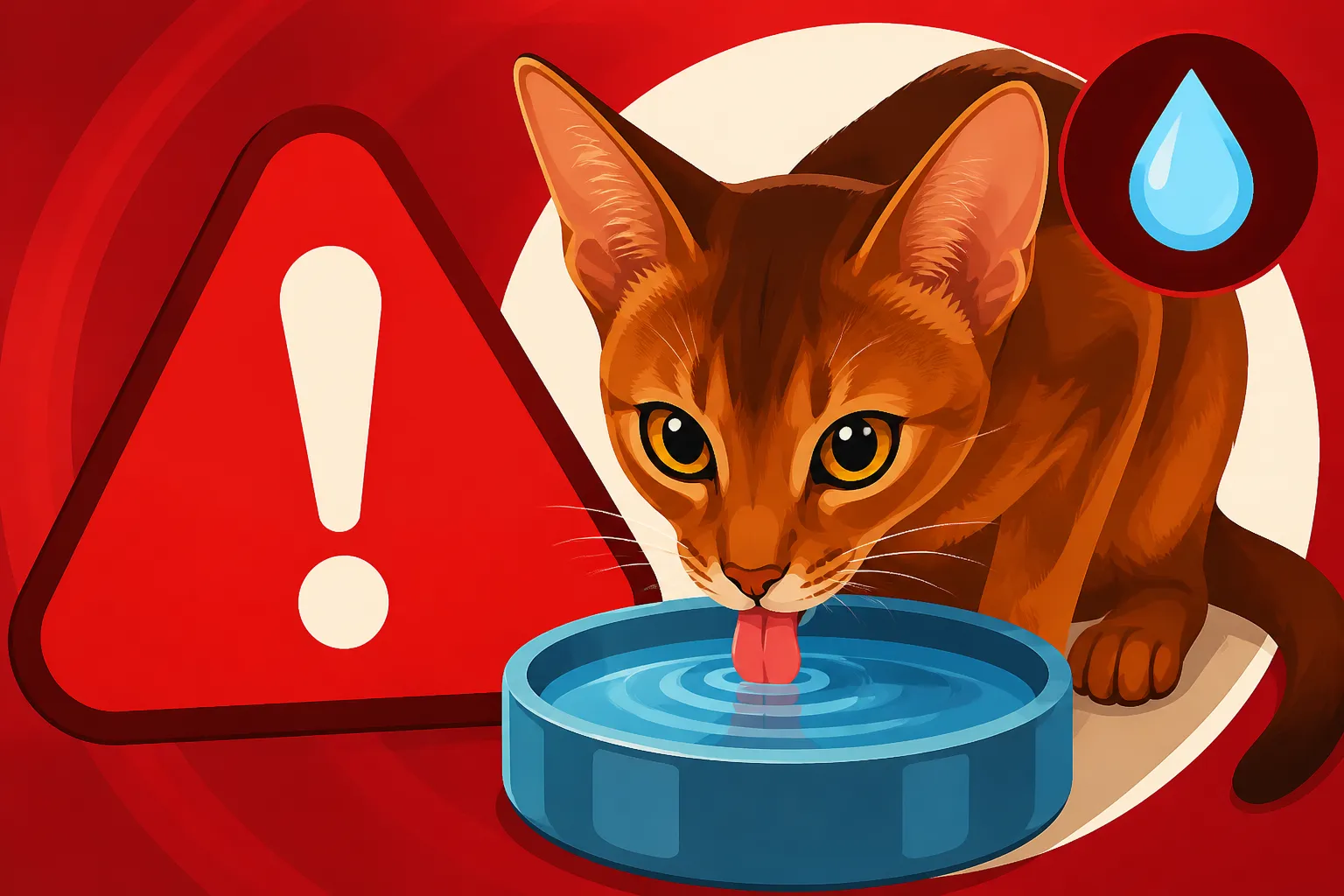
However, if you find yourself refilling the water bowl multiple times a day, noticing it's empty far more often, or if your cat starts seeking water from unusual places like the shower or dripping faucets, that's a red flag. It’s a good idea to monitor your cat’s water consumption by measuring how much water you put in their bowl and how much is left at the end of the day. A sudden increase in the amount of urine in the litter box (larger, more frequent clumps) will often accompany increased thirst. This combination, known as polydipsia (excessive thirst) and polyuria (excessive urination), is a classic sign that something isn't right with your Abyssinian's internal systems. It's not just about drinking more; it's about the body struggling to retain fluid and needing to flush out toxins.
Common Causes of Increased Thirst in Young Abyssinians
When a young Abyssinian starts drinking excessively, a few serious health concerns immediately come to mind. It's never just "a phase" or "they're just hot."
Kidney Disease: The Silent Threat
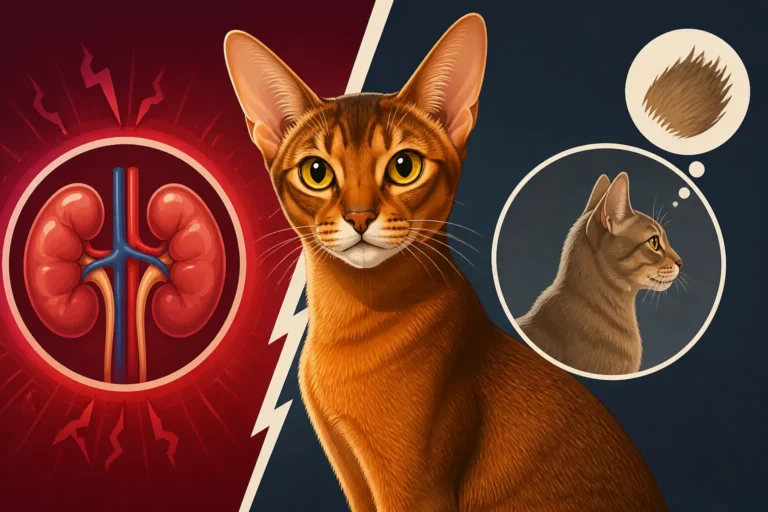
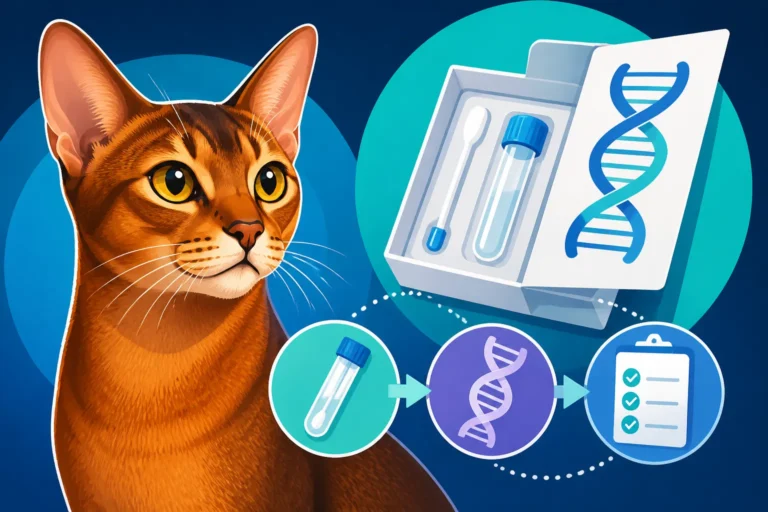
For Abyssinians, kidney disease, particularly a hereditary condition called Renal Amyloidosis, is a very serious and heartbreaking concern. Unlike other forms of kidney disease that often affect older cats, amyloidosis can strike down seemingly healthy young Abyssinians, sometimes before their second birthday. It's one of the most devastating conditions for the breed, precisely because it often presents silently until it's quite advanced. Unfortunately, Renal Amyloidosis Is the Abyssinian Problem Nobody Can Test For, which means breeders rely heavily on pedigree history rather than a simple DNA swab.
Amyloidosis occurs when an abnormal protein, called amyloid, begins to deposit in various organs. In Abyssinians, these deposits commonly accumulate in the kidneys, leading to their progressive failure. As you can imagine, What Renal Amyloidosis Deposits in an Abyssinian's Kidney are these sticky, insoluble protein fibers that disrupt the normal kidney architecture, preventing them from filtering waste and concentrating urine properly. When the kidneys can't concentrate urine, the cat produces a large volume of dilute urine, which in turn makes them incredibly thirsty as their body tries to compensate for the fluid loss. This cycle of increased thirst and urination is often one of the first noticeable signs, but by then, a significant portion of kidney function may already be compromised. It’s incredibly tragic to witness How Young an Abyssinian Can Lose Its Kidneys, and this emphasizes the urgency of veterinary intervention.
Other Potential Causes of Polydipsia
While kidney disease, specifically amyloidosis, is a significant concern for young Abyssinians displaying increased thirst, it's important to remember that other conditions can also cause this symptom. A thorough veterinary investigation is always necessary to pinpoint the exact cause.
- Diabetes Mellitus: Although more commonly associated with middle-aged to older, overweight cats, diabetes can occasionally appear in younger felines. In diabetic cats, the body either doesn't produce enough insulin or can't effectively use the insulin it does produce. This leads to high blood sugar levels, which the kidneys try to flush out through increased urination. This, of course, results in compensatory increased thirst. Other signs might include increased appetite alongside weight loss, or even urinary tract infections due to sugar in the urine.
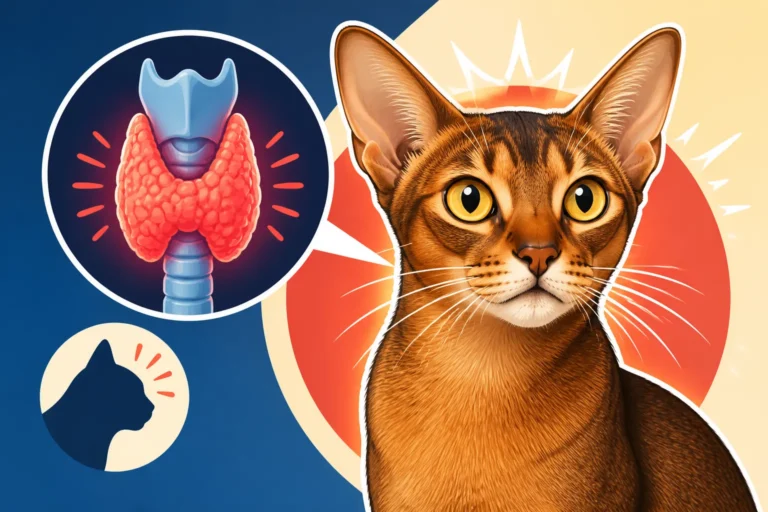
- Hyperthyroidism: This condition, where the thyroid gland produces too much thyroid hormone, is overwhelmingly seen in senior cats. However, on rare occasions, it can manifest in younger individuals. The excess thyroid hormone speeds up the cat's metabolism, often leading to increased appetite, weight loss, hyperactivity, and, yes, increased thirst and urination. While less likely in a young Abyssinian, it's something a vet might consider, especially if other symptoms fit.
- Urinary Tract Infections (UTIs): While usually presenting with signs like straining to urinate, frequent small urinations, or blood in the urine, a severe or persistent UTI can sometimes lead to increased thirst as the body tries to flush out the infection. However, a UTI is rarely the sole cause of significant, sustained polydipsia without other clear urinary symptoms.
- Electrolyte Imbalances or Dehydration: Paradoxically, while dehydration can cause thirst, persistent excessive thirst points to an underlying issue beyond simple dehydration. For example, conditions that lead to severe vomiting or diarrhea can cause significant fluid and electrolyte loss, leading to dehydration and increased thirst. However, the thirst here is a symptom of a more acute issue, whereas chronic, unexplained polydipsia suggests a deeper metabolic or organ dysfunction.
What to Do When Your Young Abyssinian Becomes Excessively Thirsty
Spotting excessive thirst in your young Abyssinian is a critical moment. It's not something to observe for a few days; it requires immediate and decisive action.
Immediate Action: Document and Contact Your Vet
When you notice your Abyssinian drinking more, the absolute worst thing you can do is wait. Abyssinians are stoic, and by the time you're seeing obvious signs, the problem is likely already well underway. Think of it as an emergency and contact your veterinarian right away to schedule an urgent appointment.
Before your appointment, gather as much information as you can. This will be invaluable for your vet.
- Track water intake: Try to measure how much water you put out and how much is consumed in a 24-hour period.
- Monitor litter box output: Notice if the urine clumps are larger, more numerous, or if their consistency has changed.
- Note other changes: Has their appetite changed? Are they more lethargic or restless? Have you noticed any weight loss, even subtle? Any changes in coat quality or breath?
- Bring a fresh urine sample: If you can safely collect one before your appointment, your vet will appreciate it.
This detailed information will help your vet form a clearer picture and direct their diagnostic efforts more efficiently. Don't be shy about expressing your concerns; you know your cat best, and your instincts are important.
Diagnostic Steps a Vet Will Take
When you bring your Abyssinian in, your vet will perform a comprehensive physical examination. They’ll check for signs of dehydration, assess your cat’s body condition (feeling for ribs and spine), palpate their abdomen to check kidney size and feel for any abnormalities, and listen to their heart and lungs.
Next, a series of diagnostic tests will be crucial:
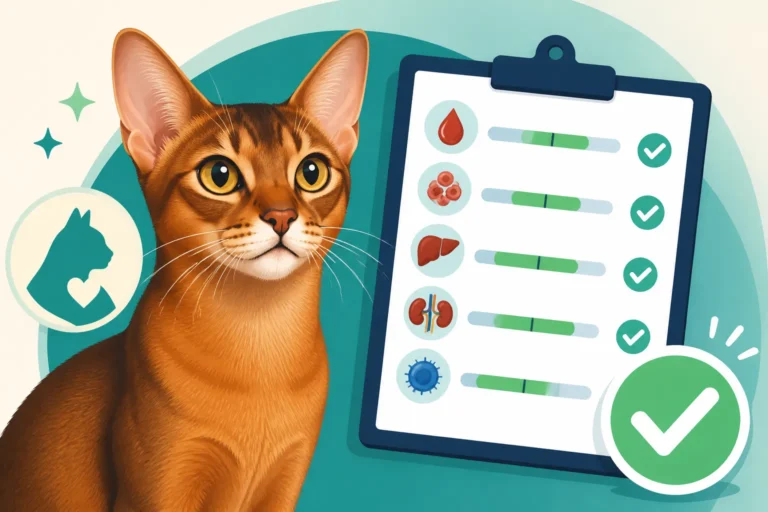
- Bloodwork: This is non-negotiable. A full blood panel will include a complete blood count (CBC) to check for anemia (common with kidney disease) and a chemistry panel. The chemistry panel will assess kidney values such as Blood Urea Nitrogen (BUN) and Creatinine. Even more importantly, your vet will likely check Symmetric Dimethylarginine (SDMA). The SDMA test is a game-changer because it can detect kidney disease much earlier than BUN and Creatinine, sometimes when as little as 25% of kidney function is lost, compared to 75% for traditional markers. Knowing How the SDMA Value Reads on an Abyssinian is vital because an elevated SDMA value, even if BUN and Creatinine are still normal, is a significant red flag in a young cat.
- Urinalysis: A urine sample will be analyzed for its specific gravity (how concentrated it is – dilute urine is a hallmark of kidney issues), protein levels, and the presence of any red blood cells, white blood cells, or bacteria that could indicate infection. Your vet will be keenly interested in Which Urine Test Catches an Abyssinian's Kidneys First because a low urine specific gravity in a cat that is not dehydrated is highly suggestive of kidney dysfunction.
- Blood Pressure Measurement: High blood pressure is both a cause and an effect of kidney disease and needs to be monitored.
- Imaging: Your vet might recommend an abdominal ultrasound to get a detailed look at the size, shape, and internal structure of your Abyssinian’s kidneys. This can sometimes reveal specific changes consistent with amyloid deposits or other kidney abnormalities.
These tests collectively provide a comprehensive picture of your Abyssinian's health and help the vet narrow down the cause of the increased thirst.
Managing the Diagnosis and Future Care
Receiving a diagnosis of kidney disease, especially amyloidosis, in a young Abyssinian is devastating news. However, it's not an immediate death sentence, and early detection offers the best chance for managing the condition and preserving quality of life. The treatment plan will depend heavily on the specific diagnosis and severity.
For kidney disease, management often involves:
- Dietary changes: A prescription kidney diet, which is typically lower in protein, phosphorus, and sodium, can significantly slow the progression of kidney disease. Understanding How a Kidney Diet Buys an Abyssinian Time is crucial for owners, as these specialized foods reduce the workload on the kidneys.
- Fluid therapy: Many cats with kidney disease benefit from supplemental fluids, especially if they are dehydrated or not drinking enough on their own. This might involve subcutaneous fluids administered at home, which can seem daunting at first. However, owners quickly learn Whether Fluids at Home Help an Abyssinian and become adept at giving them, often seeing a noticeable improvement in their cat's energy and appetite.
- Medications: Your vet may prescribe medications to manage symptoms like nausea, high blood pressure, or anemia.
- Lifelong monitoring: Regular bloodwork and urinalysis will be necessary to track the disease progression and adjust treatment as needed.
Navigating such a diagnosis can also be a significant financial strain. This is where pet insurance, like Healthy Paws, can be an absolute lifeline. Dealing with chronic conditions in a young cat means years of specialized food, medications, frequent vet visits, and potentially emergency care. Having a comprehensive pet insurance plan like those offered by Healthy Paws can cover a substantial portion of these costs, allowing you to focus on your cat's health without the added burden of overwhelming vet bills. It’s a proactive step that provides invaluable peace of mind.
Proactive Care and Long-Term Health for Abyssinians
While the thought of such serious health issues can be daunting, there are proactive steps you can take to safeguard your Abyssinian's health and prepare for potential challenges.
The Breeder's Role and Genetic Considerations
When acquiring an Abyssinian, particularly a kitten, the breeder plays an absolutely paramount role in minimizing the risk of inherited diseases. While there's no genetic test for Abyssinian Renal Amyloidosis, responsible breeders are acutely aware of the risk and track their lines meticulously. This means they should be able to provide detailed information about the health and longevity of their breeding cats' ancestors, including any instances of kidney disease. This is why Why an Abyssinian Line's History Matters More Than Any Test for amyloidosis is a statement of fact in the breed.
A good breeder will openly discuss the health history of their cats and the breed as a whole. They should be transparent about any known cases of amyloidosis in their lines, even if it's several generations back. They prioritize health over winning ribbons and are dedicated to reducing the incidence of these devastating conditions through careful selective breeding. Don't be afraid to ask direct questions about kidney disease, and ensure they are conducting all recommended DNA tests for other inheritable conditions.
Lifestyle Choices to Support Kidney Health
Beyond genetics, certain lifestyle choices can significantly support your Abyssinian's kidney health throughout their life. These are things every Abyssinian owner should consider from day one.
Firstly, a high-moisture diet is incredibly important. Cats are naturally designed to get most of their hydration from their food. A diet consisting primarily of dry kibble leaves many cats in a state of chronic, low-grade dehydration, which puts extra strain on the kidneys over time. Opting for a high-quality wet food diet is one of the most impactful things you can do to support long-term kidney function. Indeed, understanding Why Wet Food Protects an Abyssinian's Kidneys is a cornerstone of preventative care for the breed.
Secondly, always ensure your Abyssinian has constant access to fresh, clean water. This means multiple water bowls placed in different locations around the house, and perhaps even a pet fountain. Many Abyssinians enjoy drinking from running water, and a fountain can encourage them to drink more. Keep water bowls away from their food, as cats often prefer their water source to be separate from their eating area.
Lastly, regular veterinary check-ups are non-negotiable. While a healthy adult Abyssinian might typically have yearly check-ups, if there are any concerns, or as they age, more frequent visits are necessary. For instance, knowing When a Middle Aged Abyssinian Needs Yearly Bloodwork is important, but for Abyssinians, especially those with any family history of kidney issues, starting earlier with regular bloodwork (including SDMA) is a smart, proactive approach. Furthermore, maintaining a healthy, lean weight is crucial. While Abyssinians are naturally svelte, allowing them to become overweight puts unnecessary stress on all their organs, including their kidneys. Remember that Why a Lean Abyssinian Hides Illness Longer Than a Heavy Cat, so monitoring their body condition closely, even under that short coat, is important.
Financial Preparedness for Abyssinian Health Issues
The reality of owning a purebred cat like an Abyssinian is that while you get an intelligent, active, and affectionate companion, you also take on the potential for breed-specific health challenges. These challenges can come with significant veterinary costs. Being financially prepared is just as important as being emotionally prepared.
Pet insurance is a highly recommended safety net for Abyssinian owners. Companies like Healthy Paws offer comprehensive plans that can cover accidents, illnesses, surgeries, and emergency care. The key is to enroll your Abyssinian when they are young and healthy, ideally before any pre-existing conditions develop, as these are typically excluded from coverage. Imagine facing a diagnosis of kidney disease in your beloved young cat – the financial burden of diagnostics, medications, special diets, and ongoing treatments can quickly add up to thousands of dollars annually. With a reliable pet insurance policy from Healthy Paws, you can make treatment decisions based on what’s best for your cat, rather than being limited by your budget.
Beyond insurance, it's wise to budget specifically for your Abyssinian's routine and potential unexpected veterinary care. This includes annual check-ups, vaccinations, dental cleanings, and a contingency fund for emergencies. While no one wants to think about their pet getting sick, preparing for the possibility allows you to provide the best possible care if and when it becomes necessary.
Recognizing and Responding to Thirst Changes
Here's a quick reference table to help you distinguish between normal and concerning thirst levels in your Abyssinian:
| Sign | Normal Abyssinian Behavior | Concerning Abyssinian Behavior | Action Required |
|---|---|---|---|
| Water Bowl Status | Needs refilling once or twice a day (depending on size/diet). | Constantly empty, needs refilling multiple times a day. | Vet visit ASAP |
| Litter Box Output | Moderate-sized, firm urine clumps; 2-3 times/day. | Large, numerous, very wet clumps; frequent visits to the box. | Vet visit ASAP |
| Drinking Habits | Drinks from dedicated water bowl; sometimes sips from a fountain. | Seeks water from unusual sources (faucets, shower, toilet). | Vet visit ASAP |
| Accompanying Symptoms | Energetic, good appetite, consistent weight. | Weight loss (despite eating), lethargy, poor coat, vomiting. | Emergency Vet visit ASAP |
Disclaimer
The information provided in this article is for general informational purposes only and is not a substitute for professional veterinary advice. Always consult with a qualified veterinarian for any health concerns or before making any decisions related to your pet's health and treatment.