How Common Amyloidosis Actually Is in Abyssinians
One of the most heart-wrenching concerns for any Abyssinian owner or prospective owner is the lurking shadow of renal amyloidosis. It's a disease that doesn't have a simple DNA test, often strikes without obvious warning, and can unfortunately cut short the lives of these vibrant, energetic cats. This guide aims to pull back the curtain on how common amyloidosis actually is in Abyssinians, what it means for our beloved companions, and how we can best navigate this challenging aspect of the breed's health.
Understanding Renal Amyloidosis in Abyssinians
It’s truly unfair, isn't it? To bring home a stunning, spirited Abyssinian kitten, full of boundless energy, only to know that a silent, insidious disease might be ticking away beneath that beautiful ticked coat. Renal amyloidosis in Abyssinians is particularly frustrating because it's not like other hereditary conditions where a clear genetic test can give you peace of mind. It feels like navigating a maze blindfolded, and that's a burden no pet parent should have to carry.
What Exactly Is Amyloidosis and Why is it a Concern for Abyssinians?
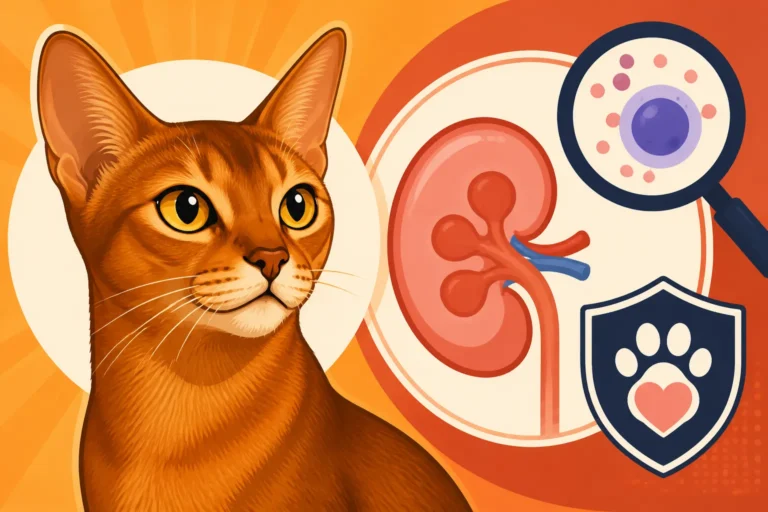
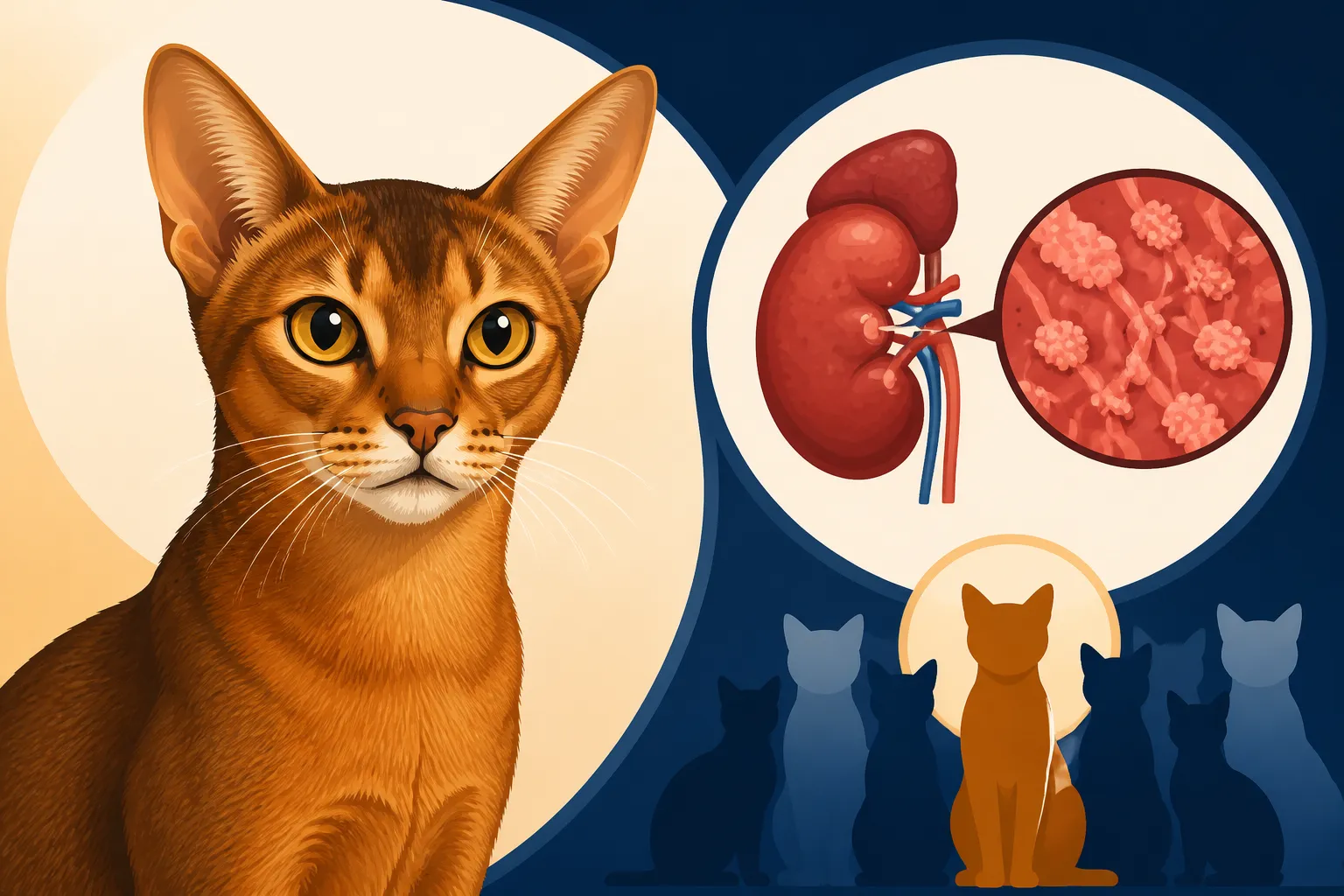
At its core, amyloidosis is a disorder where abnormal protein called amyloid builds up in organs, eventually disrupting their normal function. For Abyssinians, the primary target is usually the kidneys, leading to what we refer to as renal amyloidosis. Imagine tiny, sticky protein deposits gradually clogging up the delicate filtration system of your cat's kidneys. Over time, these deposits accumulate, causing irreversible damage. The kidneys, vital for filtering waste from the blood and maintaining fluid balance, become less and less efficient until they fail. It’s a slow, progressive decline that can be heartbreaking to witness, often presenting with signs that mimic other, less severe issues, making early identification a real challenge. We've talked before about What Amyloid Is and Why It Reaches Abyssinian Kidneys, and it's a truly unique and devastating aspect of the breed's health profile.
The reason Abyssinians are particularly susceptible isn't entirely clear, but it's widely accepted to be hereditary, though not via a single gene that breeders can test for. This genetic predisposition means that certain lines are more affected than others, making pedigree research incredibly important. It's this lack of a straightforward genetic marker that compounds the anxiety for owners and breeders alike, leaving many feeling helpless and constantly on edge, wondering if their lively companion might be silently struggling.
The Elusive Nature of Diagnosis and Genetic Testing
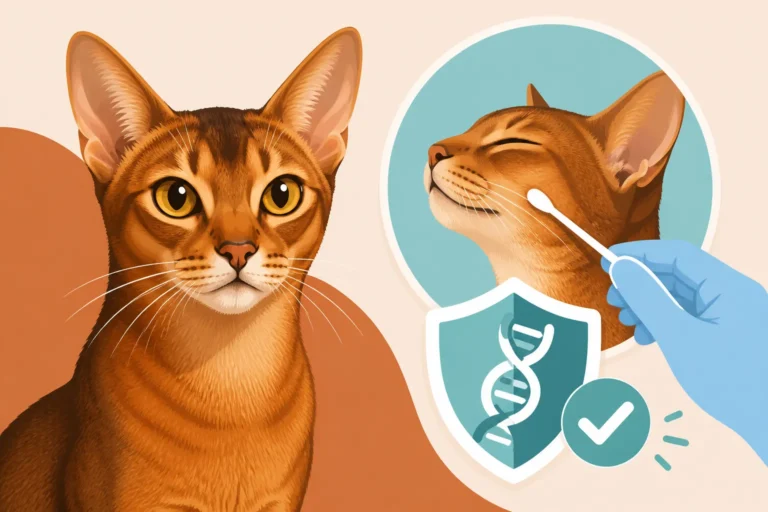
This is where the real frustration sets in for many Abyssinian enthusiasts. Unlike diseases like Pyruvate Kinase Deficiency (PKD) or Progressive Retinal Atrophy (PRA-rdAc), where a simple cheek swab can give you a definitive "clear," "carrier," or "affected" result, renal amyloidosis doesn't offer that luxury. You can’t just send off a sample to a lab and get a "no amyloidosis" certificate back. As we've explored in depth, Why No Gene Test Exists for Abyssinian Amyloidosis is a complex issue, rooted in the polygenic nature of the disease and possibly environmental factors.
Veterinarians can't definitively diagnose amyloidosis until it's already causing significant kidney dysfunction, or, sadly, post-mortem. This means that by the time clinical signs appear – increased thirst, weight loss, lethargy – the disease is often advanced. The diagnostic tools available, such as blood and urine tests looking for kidney function markers like SDMA, creatinine, and urine specific gravity, can indicate kidney disease, but they don't specifically pinpoint amyloidosis as the cause. A definitive diagnosis often requires a kidney biopsy, which is an invasive procedure not typically undertaken lightly, especially in a cat that's already feeling unwell. This makes preventive measures and vigilance even more critical, as we're always playing catch-up with this elusive condition.
Unpacking the Prevalence: How Common Is It, Really?
It’s one thing to know a disease exists, and quite another to understand its true footprint within a breed. For renal amyloidosis in Abyssinians, the perception of its commonality can sometimes outweigh the reality, fueled by devastating personal experiences and the lack of a clear-cut solution. We hear stories, we worry, but what do the numbers actually tell us?
Historical Perspectives and Current Statistics
Historically, renal amyloidosis was considered a very significant and widespread problem within the Abyssinian breed, particularly in the mid-to-late 20th century. Before breeders fully understood its hereditary component or the devastating impact it had, affected cats were sometimes bred, unknowingly perpetuating the issue. This led to a period where, sadly, many Abyssinians succumbed to kidney failure at relatively young ages, sometimes even before the age of five. This history has undoubtedly colored the perception of the disease, making many prospective owners hesitant, and rightly so.
However, it's important to recognize that responsible breeders have made significant strides over the past few decades. While a specific gene test remains elusive, selective breeding practices—avoiding breeding cats from lines with known histories of early renal amyloidosis—have helped reduce its overall incidence. Modern statistics are hard to come by for exact prevalence rates, largely due to the diagnostic challenges mentioned earlier. It's not a reportable disease in the same way a single-gene disorder might be tracked. What we do know is that, thanks to careful breeding, it's less common now than it once was. It hasn't disappeared entirely, but the diligent efforts of ethical breeders have certainly mitigated some of the historical severity, leading to a much improved outlook for The Twelve to Fifteen Years an Abyssinian Usually Gets these days.
Geographic Variations and Breeding Practices
The prevalence of amyloidosis can also vary significantly depending on geographic region and, more specifically, the individual breeding lines within those regions. For instance, some countries or continents might have specific historical lines that were more affected, leading to a higher background risk in certain local populations. Conversely, regions where breeders have consistently practiced stringent selection against early kidney disease for generations tend to have a lower incidence. This really highlights Why an Abyssinian Line's History Matters More Than Any Test—it's the accumulated knowledge and careful choices of individual breeders that make the difference here.
Breeders committed to the long-term health of the Abyssinian breed meticulously track their cats' pedigrees and health outcomes, sharing information (often informally, within trusted circles) about kidney health in their lines. They are essentially their own "genetic testers," relying on generations of health data rather than a single lab result. This dedication is paramount when considering What an Abyssinian Breeder Should Have Tested Before You Buy, as their commitment to tracking this untestable disease is often a more significant indicator of your kitten's potential health than any available DNA panel. This doesn't mean the problem is solved, but it does mean that the conscientious choices of individual catteries can have a profound impact on the health of their offspring.
Managing the Risk: What Owners and Breeders Can Do
Given the complexities of renal amyloidosis, managing the risk requires a proactive approach from both breeders and owners. It’s a journey of vigilance, communication, and informed decision-making, where every small step contributes to the well-being of these remarkable cats. While we can’t eliminate the risk entirely without a genetic test, we can significantly influence outcomes.
Early Detection and Monitoring Strategies
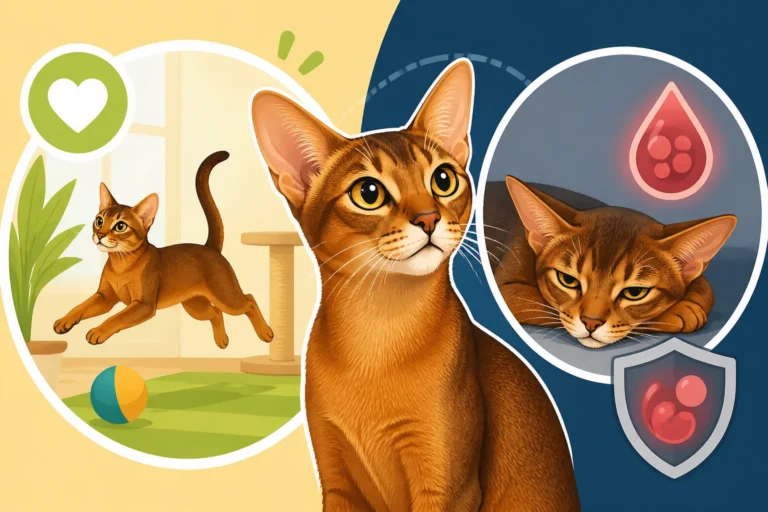
For owners, early detection is absolutely key. Your Abyssinian's vibrant personality can sometimes mask subtle signs of illness, making it even more important to be attuned to changes. A critical red flag to watch out for is increased thirst, especially in a young Abyssinian. Why a Thirsty Young Abyssinian Is a Red Flag cannot be overstated. While Abyssinians are naturally active and may drink a fair amount, a noticeable increase in water consumption or urine output warrants immediate veterinary attention. These could be early indicators of kidney trouble.
Regular veterinary check-ups, even for seemingly healthy cats, become even more vital for Abyssinians. Beyond the standard physical exam, your vet can recommend specific blood and urine tests. For instance, the SDMA (Symmetric Dimethylarginine) test is a relatively new and incredibly valuable tool that can detect kidney disease much earlier than traditional creatinine levels. It can flag issues when as little as 25% of kidney function is lost, long before your cat shows obvious symptoms. Monitoring Which Blood Values Catch an Abyssinian's Kidneys Early is a responsible step in managing the risk. If concerns arise, you'll be glad to have pet insurance like Healthy Paws to help cover the costs of these crucial diagnostic tests and any subsequent treatments. It’s not just about treating illness, but about catching it early to give your Aby the best possible outcome.
The Role of Responsible Breeding and Pedigree Research
Responsible breeders are the frontline defense against inherited diseases, and this is especially true for renal amyloidosis. Because there's no genetic test, breeders must rely on extensive pedigree research and health records. This means looking at the health and lifespan of every cat in a breeding pair's lineage, specifically seeking out any incidence of kidney disease or early death related to it. An ethical breeder will be completely transparent about this history, discussing the health of not just the parents, but also the grandparents and even great-grandparents. This is why understanding What an Abyssinian's Grandparents Reveal About Its Kidneys is so crucial for assessing a kitten's potential risk.
A good breeder will also never breed a cat that has had a close relative die young from confirmed amyloidosis. They may voluntarily remove an entire line from their breeding program if there’s a recurring pattern of kidney issues, even if it means sacrificing otherwise desirable traits. It's a tough but necessary decision driven by a genuine commitment to the breed's health. When you're considering a kitten, ask about the breeder's history with amyloidosis in their lines, their monitoring practices, and their overall philosophy on health. Don't be shy about asking for specific health information on the parents and their relatives. A reputable breeder will appreciate your thoroughness, knowing you're invested in the long-term health of your future companion. In the unfortunate event that a cat develops serious health issues later in life, having pet insurance like Healthy Paws from the start can provide a critical financial safety net for both you and your breeder, ensuring comprehensive care is accessible.
Living with an Abyssinian at Risk: Support and Care
For owners whose Abyssinians are either at risk or have received a diagnosis of renal amyloidosis or general kidney disease, providing supportive care becomes a daily commitment. While it can feel overwhelming, there are many ways to enhance your cat's quality of life and potentially slow the progression of kidney issues.
Dietary and Lifestyle Adjustments
One of the most impactful changes you can make for an Abyssinian with kidney concerns is adjusting their diet. Veterinarians often recommend prescription kidney diets, which are formulated with reduced protein (to lessen the burden on the kidneys), controlled phosphorus levels, and sometimes added omega-3 fatty acids. These diets are specifically designed to support failing kidneys and can significantly improve a cat's comfort and longevity. While it can be a challenge to transition a picky Abyssinian to new food, persistence is key. We've discussed How a Kidney Diet Buys an Abyssinian Time in previous articles, and it's truly a cornerstone of kidney disease management.
Beyond diet, ensuring your Abyssinian maintains excellent hydration is crucial. Wet food helps with this, but also encourage water intake by providing multiple water bowls, perhaps even a pet fountain, and keeping them sparkling clean. Sometimes, a vet might recommend subcutaneous fluids at home if your cat becomes dehydrated, which, while initially daunting, can be easily learned and makes a huge difference to their well-being. Keeping a close eye on their energy levels and appetite, and reporting any changes to your vet promptly, allows for timely intervention, whether it’s for What Kidney Failure Looks Like in a Young Abyssinian or managing the early stages.
Financial Preparedness and Pet Insurance
Let's be realistic: managing chronic kidney disease in a cat, especially an Abyssinian prone to this particular form, can be financially demanding. The regular vet visits, blood work, specialized diets, medications, and potentially fluids can add up quickly. This is where preparing for the financial aspect well in advance becomes critical. Many owners find themselves wishing they had pet insurance earlier, as the costs can be overwhelming.
This is precisely why companies like Healthy Paws exist. Investing in pet insurance, ideally when your Abyssinian is a young, healthy kitten, can provide immense peace of mind. While most insurance policies have waiting periods and may not cover pre-existing conditions, having a policy in place before any signs of kidney disease emerge means that future diagnostic tests, treatments, and even prescription diets could be covered, at least in part. Consider Whether Pet Insurance Is Worth It for an Abyssinian not as an expense, but as an investment in your cat’s future health and your financial stability. The ability to make medical decisions based on what’s best for your cat, rather than what your wallet can handle, is invaluable when facing a challenging diagnosis like renal amyloidosis.
Understanding Abyssinian Kidney Health Markers
| Symptom / Marker | What to Look For | Why It Matters for Abyssinians | Action |
|---|---|---|---|
| Increased Thirst (PD) | Frequent visits to the water bowl, drinking more than usual | Early sign of reduced kidney function, critical for amyloidosis | Immediate vet visit for blood & urine tests |
| Increased Urination (PU) | Larger or more frequent urine clumps in the litter box | Kidneys struggling to concentrate urine, another early warning | Collect a urine sample for analysis if possible, vet appointment |
| Weight Loss | Visible thinning, reduced muscle mass despite normal eating | Can indicate advanced kidney disease or other underlying issues | Vet evaluation, discuss dietary changes |
| Lethargy/Decreased Activity | Less playing, sleeping more, less responsive | General sign of feeling unwell, often accompanies kidney decline | Prompt vet visit, particularly if persistent |
| SDMA Blood Test | Elevated levels (usually >14 µg/dL) | Detects kidney disease earlier than creatinine (25% loss vs. 75%) | Regular monitoring, especially after age 7 or if other signs appear |
| Creatinine Blood Test | Elevated levels (above reference range) | Indicates more significant kidney function loss (approx. 75%) | Vet will assess with other kidney values, diet changes |
| Urine Specific Gravity | Low reading (below 1.035 for cats) | Kidneys unable to concentrate urine effectively, key indicator of failure | Vet will confirm with blood work, hydration management |
| Protein in Urine (UPC Ratio) | Elevated Protein-to-Creatinine Ratio (UPC) | Can indicate kidney damage, including from amyloid deposits | Vet will interpret in context, may suggest specific kidney diets |
Navigating the Road Ahead with Your Abyssinian
While the thought of renal amyloidosis can be daunting for Abyssinian owners, it's crucial to remember that this beautiful breed has thrived for generations thanks to dedicated breeders and vigilant owners. The landscape of Abyssinian health is constantly improving, even for a condition as challenging as amyloidosis. By prioritizing early detection through regular veterinary care, understanding the importance of responsible breeding, and being prepared for potential health challenges, you can provide your Abyssinian with the best possible chance at a long, fulfilling, and active life. Your bond with your Aby is unique, and being informed empowers you to protect that precious relationship.
Disclaimer
The information provided in this guide is for general informational purposes only and does not constitute veterinary advice. Always consult with a qualified veterinarian for any health concerns or before making any decisions related to your pet's health and treatment.