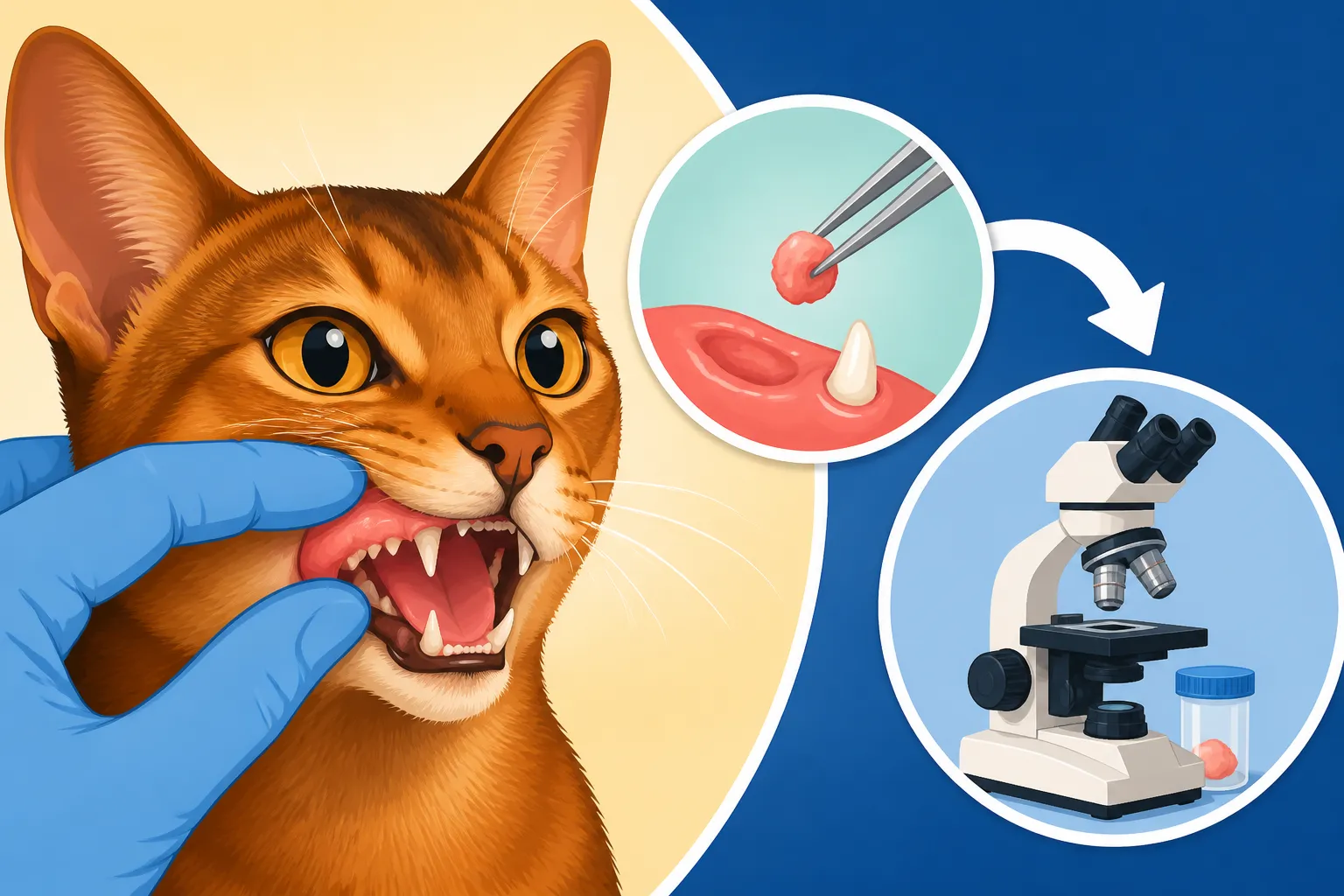
Why an Abyssinian’s Gingivectomy Sample Goes to a Lab
Finding out your beloved Abyssinian needs a gingivectomy can be a worrying time, and the recommendation to send the removed gum tissue to a lab for analysis might add another layer of confusion and concern. Many owners wonder why such a seemingly straightforward procedure requires an additional diagnostic step, especially when it involves more cost and a longer wait for answers. This guide will walk you through precisely why that small sample of tissue is so vital, what veterinarians are looking for, and how those lab results can significantly impact your Abyssinian's long-term health and care.
The Initial Shock of a Gingivectomy Recommendation
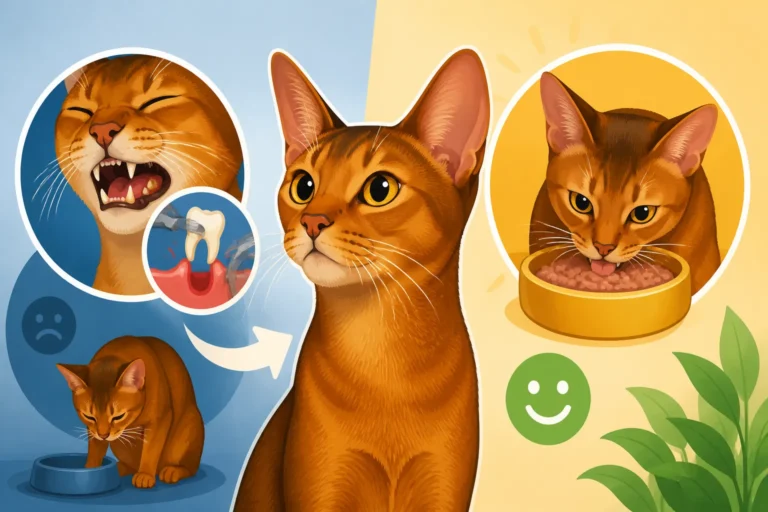
It's heartbreaking to see your usually vibrant Abyssinian kitten or young adult struggle with oral discomfort. You might notice them dropping food, shying away from crunchy kibble, or even displaying a bit of bad breath, and a quick peek inside reveals angry, red, swollen gums. This is often the first sign that something is amiss, leading to a veterinary visit where the term "gingivectomy" might be introduced. The idea of your energetic feline undergoing oral surgery is stressful enough, let alone the added mystery of sending tissue samples off to a laboratory.
Understanding Abyssinian Juvenile Gingivitis
Abyssinians, particularly younger ones, are unfortunately prone to a condition called juvenile gingivitis or juvenile hyperplastic gingivitis. It's not just a little redness; it's a significant overgrowth of the gum tissue, often appearing around the canine teeth and premolars. You might notice that your Abyssinian kitten's gums first go red around six months of age, coinciding with the eruption of their permanent teeth. This isn't just an aesthetic issue; this overgrown gum tissue can easily trap food particles, creating a haven for bacteria and leading to even more severe inflammation and discomfort.
Imagine trying to eat with swollen, tender gums that are practically swallowing your teeth. That's what many Abyssinians experience. This persistent inflammation can be incredibly painful, making eating a chore and diminishing their overall quality of life. Without intervention, this gum overgrowth can lead to more serious issues like periodontitis, tooth resorption, and even early tooth loss, which can be devastating for a young cat. The conventional at-home brushing routine, while important for general dental health, often proves ineffective against this aggressive type of gingivitis.
What a Gingivectomy Actually Entails
When conservative treatments like specialized dental diets, antibiotics, and rigorous home dental care fail to resolve the severe gum overgrowth, a gingivectomy becomes necessary. This procedure involves carefully trimming away the excess gum tissue to expose the full tooth crown and create a healthier gum line. It's a precise surgical intervention performed under general anesthesia, where your vet uses a scalpel, laser, or electrosurgery unit to remove the hyperplastic (overgrown) gingival tissue.
The goal is to reduce the "pockets" where bacteria accumulate and allow for easier cleaning, both professionally and at home. While the immediate relief for your Abyssinian is often remarkable, the procedure itself, though common, is still surgery. The tissue that is removed during this process is what we're talking about sending off to a laboratory. For many owners, it seems like a straightforward removal of inflamed tissue, so the question arises: why isn't it just discarded? Why the extra step and expense? This leads us to the critical reasons behind laboratory submission. If you're concerned about the financial aspects of such a procedure, especially with potential follow-up care, investigating options like Healthy Paws pet insurance might provide some peace of mind.
Beyond Simple Inflammation: Why Tissue Analysis is Crucial
The decision to send a gingivectomy sample to a lab isn't about second-guessing the initial diagnosis of gingivitis. It's about looking deeper, making sure there isn't something more sinister or complex hiding beneath the surface of seemingly simple inflammation. Oral health in cats can be surprisingly complicated, and what looks like one thing clinically might be something entirely different at a cellular level.
Ruling Out Malignancy and Other Serious Conditions
This is, without a doubt, the primary reason for pathology. While juvenile gingivitis is common and usually benign, the oral cavity is also a site where aggressive cancers can develop. Squamous cell carcinoma, for example, is a very common and highly aggressive oral cancer in cats, often mimicking other inflammatory conditions in its early stages. Fibrosarcoma is another malignant tumor that can present in the mouth.
Imagine your Abyssinian undergoes a gingivectomy, and everyone breathes a sigh of relief. But if that tissue wasn't analyzed, and it was an early cancer, it could continue to grow unchecked. By sending the sample to a veterinary pathologist, they can microscopically examine the cells to determine if they are benign (non-cancerous) or malignant (cancerous). This early detection is absolutely vital. If cancer is found, even in a small sample, it completely changes the treatment plan, often requiring much more aggressive surgery, radiation, or chemotherapy. Catching it early can make a world of difference in prognosis and literally save your cat's life.
Beyond outright cancer, pathologists can also identify other serious conditions that might not be apparent to the naked eye. These could include unusual fungal infections, severe immune-mediated diseases, or even certain viral lesions that might look like chronic inflammation. Without the pathologist's trained eye and specialized tools, these conditions could go undiagnosed, leading to ineffective treatments and prolonged suffering for your Abyssinian. Understanding the full picture early on is crucial for effective care, and this is where What a Gingivectomy Involves for an Abyssinian becomes part of a larger diagnostic strategy.
Identifying Underlying Causes and Specific Pathologies
Sometimes, the lab results don't point to cancer, but they still provide invaluable information about the type of inflammation present and potential underlying causes. For instance, the pathologist might identify specific inflammatory cell types, like plasma cells or lymphocytes, which could indicate a more specific immune-mediated condition that requires targeted treatment beyond just surgical removal of tissue.
Consider feline chronic gingivostomatitis (FCGS), a severe and painful inflammatory condition affecting a cat's entire mouth. While a gingivectomy might alleviate some symptoms, if FCGS is the root cause, the inflammation will likely return without specific medical management aimed at the immune response. A biopsy can sometimes help differentiate between simple hyperplastic gingivitis and more complex conditions like FCGS, guiding your vet toward the most effective long-term strategy. This deep dive into the tissue's cellular makeup helps your vet manage the problem much more effectively, preventing recurrence and ensuring your Abyssinian's comfort.
Guiding Future Treatment and Management
The information gleaned from a pathology report isn't just for diagnosis; it directly informs future treatment and long-term management plans. If the tissue is confirmed as benign, inflammatory hyperplasia, then your vet knows they're dealing with a recurrent gum overgrowth issue. This might lead to recommendations for more frequent professional dental cleanings, potentially every six months to a year, or very specific home care routines. You can learn more about this in How Often an Abyssinian Needs Its Teeth Cleaned. Your vet might also discuss specialized dental rinses or oral immune modulators.
On the other hand, if a more specific diagnosis like FCGS is made, treatment could involve immunosuppressants, antiviral medications, or even full-mouth extractions in severe cases. The pathology report provides the roadmap for these critical decisions. Without it, your vet would be making educated guesses, which isn't ideal when dealing with your Abyssinian's health. The precision offered by histopathology ensures that your cat receives the most appropriate and effective care, potentially saving you from repeated procedures and ongoing frustration. It’s also important to remember that such comprehensive care often comes with significant costs, and this is where an investment in pet insurance, like a policy from Healthy Paws, can really make a difference, helping you manage unexpected veterinary expenses.
The Process of Sample Collection and Pathology
It's natural to wonder what exactly happens to that tiny piece of tissue once it leaves your vet's office. The journey from your Abyssinian's mouth to a definitive diagnosis involves several carefully orchestrated steps, each crucial for obtaining accurate results.
From Clinic to Lab: What Happens to the Tissue Sample
Once your veterinarian removes the excess gum tissue during the gingivectomy, it's immediately placed into a small container filled with a chemical called formalin. This process, known as fixation, is critical. Formalin stops the cells from decomposing and preserves their structure, allowing the pathologist to examine them accurately days or even weeks later. Without proper fixation, the tissue would quickly degrade, making diagnosis impossible.
The sample is then carefully labeled with your Abyssinian's details and your veterinarian's information and sent to a veterinary diagnostic laboratory. These labs specialize in processing animal tissue samples. Upon arrival, the lab technicians embed the fixed tissue in a block of paraffin wax, which provides support for incredibly thin slicing. They then cut ultra-thin sections, typically just a few microns thick, from the wax block. These delicate slices are placed on glass slides, stained with various dyes (the most common being hematoxylin and eosin, or H&E), which highlight different cellular components, and then covered with a protective coverslip. These slides are then ready for microscopic examination by a board-certified veterinary pathologist.
What the Pathologist Is Looking For
The veterinary pathologist is a specialist trained to interpret cellular and tissue changes under a microscope. When they receive your Abyssinian's gingivectomy sample, they are looking for a wide range of clues that tell the story of what's happening in that tissue.
They will meticulously examine:
- Cellular Morphology: Are the cells normal in size and shape? Are there any abnormal cells, such as those that might indicate cancer? Cancerous cells often have irregular shapes, larger nuclei, and a higher rate of division.
- Inflammatory Infiltrates: What type of inflammatory cells are present (neutrophils, lymphocytes, plasma cells, macrophages, eosinophils)? The specific mix of these cells can point towards bacterial infection, allergic reactions, or immune-mediated diseases like FCGS.
- Tissue Architecture: How is the tissue structured? Is there an organized layering of cells, or is it chaotic and invasive, which might suggest a malignant process? Is there an abnormal growth pattern that indicates hyperplasia or a benign tumor?
- Presence of Foreign Bodies or Microorganisms: Sometimes, foreign material embedded in the gum or specific bacteria, fungi, or even parasites can be identified, guiding very specific treatments.
This detailed examination allows the pathologist to provide a definitive diagnosis, confirming whether the tissue is simply inflamed, benignly overgrown, or indicative of a more serious condition like cancer. This report then goes back to your veterinarian, forming the cornerstone of your Abyssinian's ongoing care plan. The process is thorough because your cat's health depends on it.
Here’s a simplified look at potential lab findings and their implications:
| Lab Finding | Common Meaning | Implications for Your Abyssinian's Care |
|---|---|---|
| Gingival Hyperplasia/Inflammation | Benign overgrowth, typical of juvenile gingivitis. | Continue meticulous home care, regular dental cleanings, monitor for recurrence. |
| Feline Chronic Gingivostomatitis | Severe, immune-mediated oral inflammation. | Targeted immune-modulating drugs, potentially full-mouth extractions. |
| Squamous Cell Carcinoma | Aggressive malignant oral cancer. | Immediate referral to veterinary oncologist for aggressive surgery, radiation, or chemotherapy. |
| Fibrosarcoma | Malignant tumor, often aggressive locally. | Similar to SCC, requires aggressive surgical and potentially radiation therapy. |
| Other Benign Neoplasia | Non-cancerous tumor (e.g., epulis). | Surgical removal may be curative; monitor for recurrence. |
| Infectious Process | Specific bacterial, fungal, or viral infection. | Targeted antibiotics, antifungals, or antivirals. |
Financial and Emotional Considerations for Owners
Undergoing any veterinary procedure for your cherished Abyssinian carries both financial and emotional weight. A gingivectomy and the subsequent pathology adds to this, and it’s completely understandable to feel overwhelmed by the costs and the waiting game for results.
The Cost of Pathology and Peace of Mind
Let's be realistic: specialized veterinary care, including surgery and laboratory diagnostics, isn't cheap. The cost of a gingivectomy itself can range from a few hundred to over a thousand dollars, depending on the severity, location, and whether it's performed by a general practitioner or a board-certified veterinary dentist. Adding pathology fees, which typically range from $100 to $300, can feel like yet another expense. However, it's crucial to view this not as an optional add-on, but as a vital diagnostic step that truly offers peace of mind – or, if necessary, critical early warning.
Think of it this way: that seemingly small pathology fee could prevent countless future expenses and heartache if it catches a malignancy early. Early detection of cancer significantly increases the chances of successful treatment and can avoid more extensive, costly interventions down the line. Many pet owners, especially those with breeds prone to specific health issues like Abyssinians, find that comprehensive pet insurance, such as plans offered by Healthy Paws, can be incredibly valuable. Policies can help cover a significant portion of unexpected surgical and diagnostic costs, making crucial decisions like sending a gingivectomy sample for pathology much less financially daunting. This is particularly relevant when considering the overall cost of What Owning an Abyssinian Really Costs a Year and specific items like An Abyssinian Budget Should Include a Dental Fund.
Preparing for Different Outcomes
Waiting for pathology results can be an emotionally taxing time. It usually takes several days to a week or even longer for the report to come back, and the uncertainty can be agonizing. It's helpful to mentally prepare for the different possibilities.
- Benign Results: The most common and hoped-for outcome is that the tissue shows only inflammation or benign overgrowth. While this is a relief, it doesn't mean the dental journey is over. It reinforces the need for diligent home dental care, as discussed in Why Home Dental Care Starts Early in an Abyssinian, and regular professional check-ups and cleanings to prevent recurrence. Your vet might also want to discuss How Often an Abyssinian Needs a Professional Clean to keep their gums healthy.
- Malignant Results: This is, understandably, the most feared outcome. If cancer is detected, it will be devastating news. However, remember that early detection is key. Your veterinarian will walk you through the diagnosis, discuss the specific type and grade of cancer, and outline the available treatment options. This might involve referrals to veterinary oncologists or specialized surgeons. While difficult, knowing early gives your Abyssinian the best possible chance for intervention and management.
Regardless of the outcome, the pathology report provides clarity. It transforms uncertainty into a clear path forward, allowing you and your vet to make informed decisions for your Abyssinian's health. The sample going to the lab isn't a formality; it's a critical investment in your cat's well-being and a testament to the comprehensive care you're providing.
Disclaimer
The information provided in this guide is intended for general informational purposes only and does not constitute veterinary medical advice. Always consult with a qualified veterinarian for any health concerns or before making any decisions related to your pet's health or treatment.