Why an Abyssinian Should Never Be Allowed to Get Heavy
It’s a common misconception that a little extra padding on a cat is harmless, even endearing. But for an Abyssinian, that couldn't be further from the truth. Their unique physiology and active nature mean that even a slight amount of excess weight can drastically impact their health, mobility, and overall quality of life. This guide will delve into why keeping your Abyssinian lean is crucial, the hidden risks of weight gain, and how to maintain their ideal athletic physique.
The Abyssinian's Natural Lean Build and Why It Matters
When you look at an Abyssinian, you immediately notice their elegant, almost regal build. They are often described as having a "foreign" body type, which means they're not hefty or cobby like some other breeds. This svelte, muscular physique isn't just for show; it's integral to their health and the way they interact with their world.
Understanding the Abyssinian Body Type
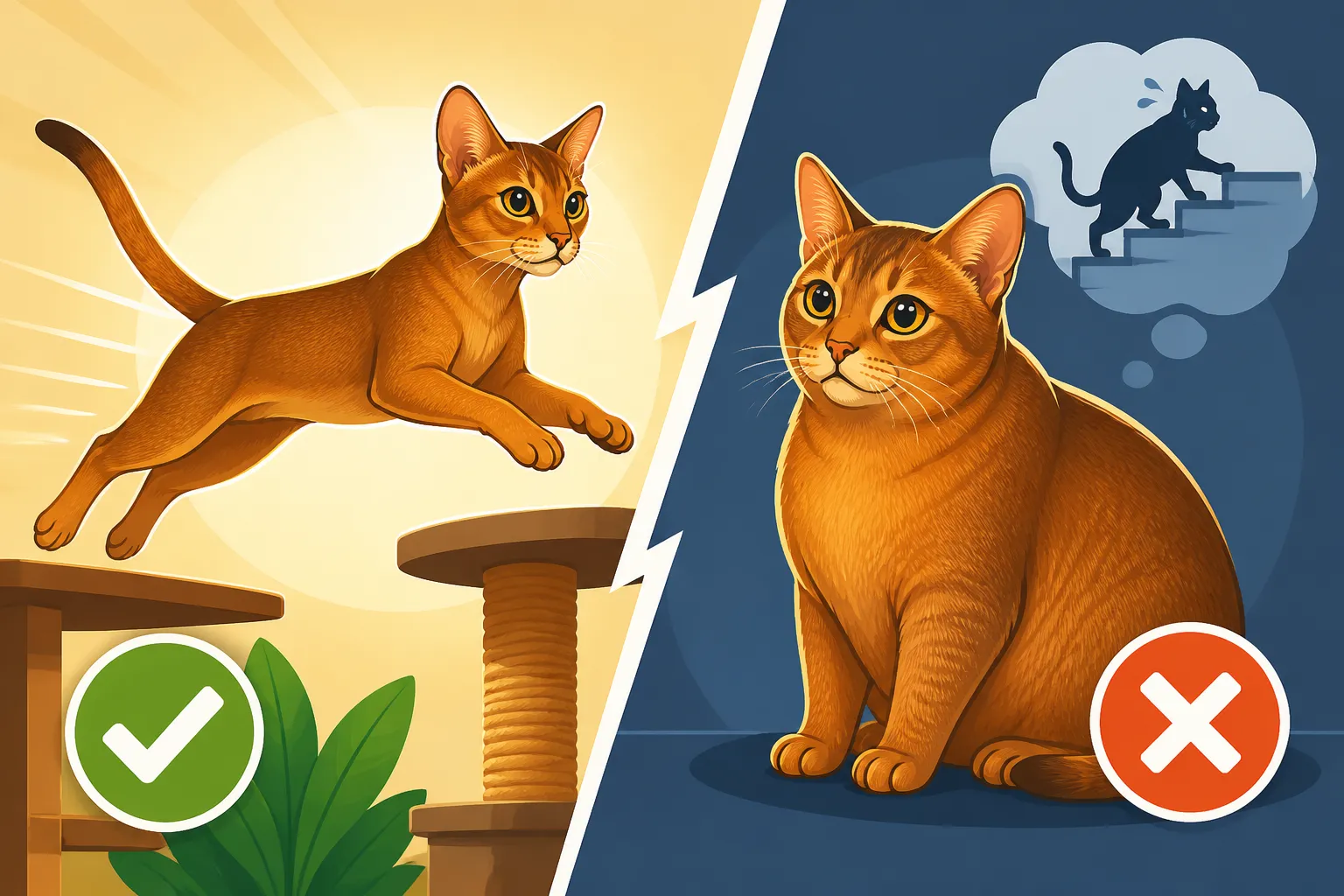
Abyssinians are built for motion. They have long, lithe bodies, slender legs, and a well-muscled, athletic frame. Think of them as the graceful gazelles of the feline world, always ready to leap, climb, and sprint. Their short, ticked coats lie close to their bodies, highlighting their lean contours. This physical structure supports their incredibly high energy levels and their need for constant activity. They're natural athletes, and their bodies are designed to be light and agile to facilitate their endless curiosity and playful antics. This lean build allows them to navigate vertical spaces with ease, make impressive jumps, and turn on a dime during a high-speed chase after a feather wand.
Their metabolism is also geared towards this energetic lifestyle. Abyssinians are known for burning through calories quickly, often eating more than larger, less active cats without gaining weight – if their diet is balanced and their activity needs are met. This inherent leanness is a protective factor, but it also means that when they do start to gain weight, it’s a red flag that something is off, and the consequences can be more significant than for a breed built with a heavier frame.
The Hidden Dangers of Even a Little Extra Weight
Unlike some breeds where a pound or two might just make them "fluffy," for an Abyssinian, a seemingly minor weight gain can be a major issue. Their fine bone structure and joint design are not meant to carry extra load. Imagine a finely tuned sports car suddenly asked to carry an extra passenger or two at all times – it would strain the engine, wear down the tires, and ultimately affect performance and longevity. The same principle applies to your Abyssinian.
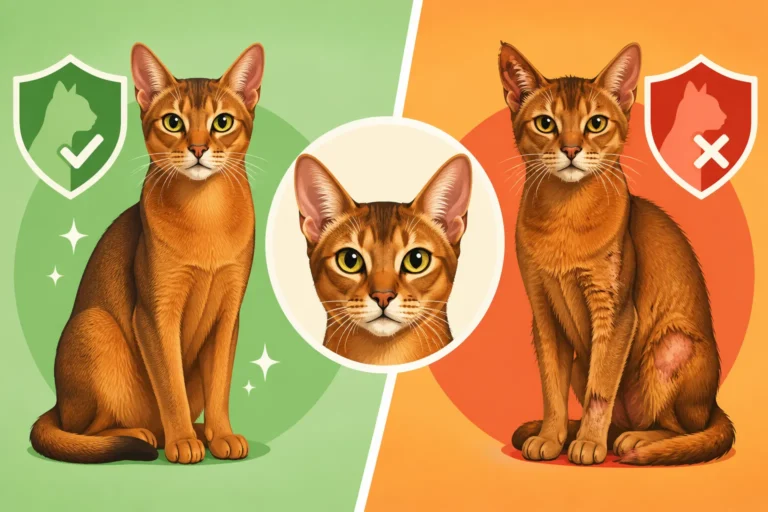
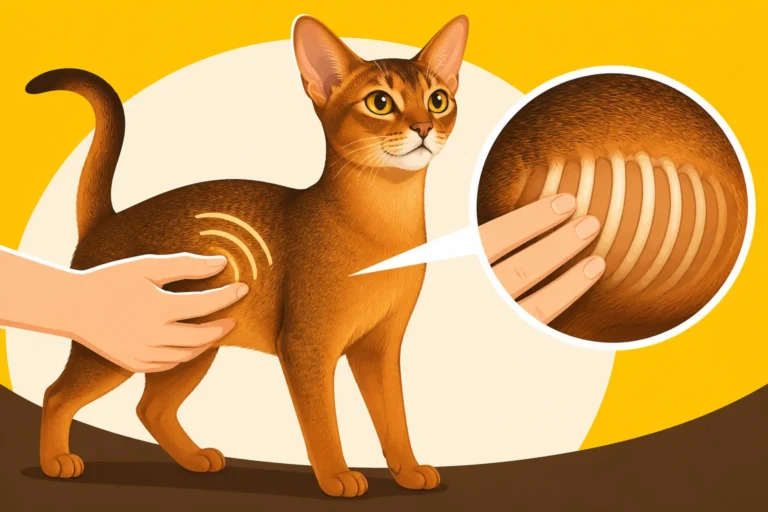
Their short, dense, and ticked coat, which is so beautiful, can also be deceptive. It can subtly mask the early signs of weight gain, making it harder to spot a problem until it's more advanced. You might not notice the slight thickening around the waist or a less pronounced tuck-up until your Aby is already carrying too much weight. This is why it’s so important to regularly assess your Abyssinian's body condition through touch, not just sight. Gently feeling along their ribs and spine will give you a much more accurate picture of their physique. For detailed guidance, check out our article on How to Read an Abyssinian's Body Condition Through That Coat. This hands-on approach is critical for early detection and intervention.
Even a small amount of extra weight can lead to increased inflammation throughout their body, impacting everything from their joints to their internal organs. What might seem like a harmless bit of chub can quietly chip away at their overall well-being, paving the way for more serious health issues down the line.
Health Risks Compounded by Excess Weight in Abyssinians
When an Abyssinian carries too much weight, it's not just about aesthetics; it profoundly impacts their health, often exacerbating existing predispositions and creating new problems. Their athletic build, which is their strength, becomes their vulnerability under the burden of excess fat.
Increased Strain on Joints and Mobility
Abyssinians are renowned for their incredible agility. They love to climb cat trees, scale shelves, and jump to impressive heights. This constant movement keeps their muscles strong and their joints flexible. However, when an Abyssinian becomes overweight, every single one of those jumps and landings puts undue stress on their delicate joints, ligaments, and bones. It’s like asking a long-distance runner to suddenly carry a heavy backpack every time they train; their knees and ankles would quickly suffer.
Conditions like patellar luxation, where the kneecap slips out of place, can be significantly worsened by extra weight. While genetics play a role in this condition, excess weight amplifies the strain on the knee joint, making luxation more frequent or more severe. You can learn more about How Patellar Luxation Shows in a Jumping Abyssinian in our dedicated guide. Arthritis can set in much earlier in an overweight Aby, leading to chronic pain, reduced mobility, and a diminished quality of life. An Abyssinian struggling with painful joints will be less inclined to jump and play, leading to a vicious cycle where decreased activity contributes further to weight gain. This impacts their ability to express their natural behaviors, which for an Aby, is a huge part of their happiness.
Metabolic and Organ System Stress
Beyond joint issues, excess weight has a pervasive negative impact on an Abyssinian's internal systems. Just like in humans, obesity in cats is a risk factor for a host of metabolic disorders.
- Diabetes Mellitus: Overweight cats are much more prone to developing insulin resistance and, consequently, diabetes. Managing feline diabetes requires strict dietary control, insulin injections, and constant monitoring, which can be a significant undertaking for any owner.
- Hepatic Lipidosis (Fatty Liver Disease): While not exclusively caused by obesity, overweight cats are at a much higher risk of developing this life-threatening condition, especially if they stop eating for even a short period. Their bodies, unprepared for the sudden fat mobilization, can overwhelm the liver, leading to liver failure.
- Cardiovascular Health: Extra weight puts a strain on the heart, forcing it to work harder to pump blood throughout the body. This can contribute to or worsen existing heart conditions, making an Abyssinian more vulnerable to cardiac issues.
- Kidney Health: While kidney disease, such as the breed-specific renal amyloidosis, is a concern for Abyssinians (you can read more about What Renal Amyloidosis Deposits in an Abyssinian's Kidney), obesity can indirectly contribute to the progression of kidney issues. An overweight cat might have higher blood pressure or increased inflammation, both of which can put additional stress on already compromised kidneys.
These are serious conditions that not only shorten an Abyssinian's lifespan but also drastically reduce their quality of life, often requiring extensive and costly veterinary care.
Exacerbating Existing Conditions or Hiding Illness
One of the unique challenges with Abyssinians is their incredible stoicism and high pain tolerance. They are masters at hiding illness, often continuing to play and act energetic even when they're not feeling their best. This makes early detection of health problems notoriously difficult. An overweight Abyssinian complicates this even further.
For instance, an Abyssinian's natural leanness can sometimes help reveal subtle changes in their body condition that might indicate underlying illness, such as muscle loss or bony prominences becoming more apparent. However, a layer of excess fat can obscure these crucial visual and tactile clues. Our article Why a Lean Abyssinian Hides Illness Longer Than a Heavy Cat elaborates on this. A veterinarian might find it harder to perform a thorough physical examination, palpating organs or identifying subtle lumps and bumps through extra fat. This can delay critical diagnoses, pushing back the start of treatment for potentially serious conditions. Imagine trying to feel a tiny lymph node or a slightly enlarged kidney through a thick cushion of fat; it's a much harder task.
Furthermore, if an overweight Abyssinian does fall ill and needs diagnostic tests, the excess weight can sometimes complicate procedures. Anesthesia risks can be higher, and obtaining clear images from X-rays or ultrasounds can be more challenging due to the increased tissue density. It's a cascade of potential issues, all stemming from a problem that is largely preventable.
Preventing Weight Gain and Maintaining a Healthy Abyssinian
Keeping your Abyssinian at their ideal weight is a proactive and ongoing effort, but it's one of the most impactful things you can do for their long-term health and happiness. It’s all about creating an environment that supports their natural instincts and physiological needs.
Tailored Nutrition for an Active Breed
An Abyssinian's diet needs to fuel their boundless energy without leading to excess weight. This means focusing on high-quality, protein-rich foods that meet their carnivorous requirements. Look for wet food with real meat as the first ingredient, and avoid fillers like excessive grains or plant-based proteins that aren't easily digestible for a feline. Our article, Which Protein Level Keeps an Abyssinian's Muscle On, offers excellent guidance on selecting the right food.
Portion control is absolutely paramount. Don't just fill the bowl; measure their food according to the recommendations on the packaging, adjusted for their individual activity level and age. It's often beneficial to feed Abyssinians multiple small meals throughout the day rather than one or two large ones. This aligns better with their natural hunting patterns and helps regulate their metabolism. You can find more details on How Many Meals a Day an Abyssinian Should Get for a healthy routine. Free-feeding, where a bowl of kibble is left out all day, is generally not recommended for Abyssinians, as it can easily lead to overconsumption and weight gain, even for such an active breed.
Treats should be given sparingly and chosen wisely. Opt for high-protein, low-calorie options, and factor them into their daily calorie intake. Treats are fantastic for training and bonding, but they shouldn’t make up a significant portion of their diet. Puzzle feeders are an excellent way to slow down eating and provide mental stimulation, turning mealtime into a fun activity rather than just a quick gobble.
Encouraging Their Natural Drive to Exercise
An Abyssinian needs to move, and they need opportunities to do so creatively. They aren't content to simply lounge on the sofa all day. Their innate curiosity and athleticism demand an enriching environment that encourages jumping, climbing, and exploring.
- Vigorous, Interactive Play: Dedicate at least two sessions of 15-20 minutes each day to interactive play. This isn't just tossing a toy; it's using wand toys, laser pointers (with a solid "catch" at the end to prevent frustration), and chase games that mimic hunting. Abyssinians thrive on this engagement. You can discover more strategies in How Much Play an Abyssinian Needs Each Day.
- Vertical Space: Abyssinians are arboreal by nature, meaning they love to be high up. Providing ample vertical space is non-negotiable for their physical and mental well-being. Tall cat trees, wall-mounted shelves, and cat "superhighways" allow them to express their climbing instincts and provide elevated vantage points. Our guide on Why an Abyssinian Needs More Vertical Furniture Than Most Cats explains how to set up an ideal environment.
- Safe Outdoor Access: While Abyssinians should always be indoor cats for safety, a secure outdoor catio (cat patio) can be a fantastic way to offer supervised enrichment and fresh air, stimulating their senses without the risks of free-roaming. Some Abyssinians can also be leash trained for controlled walks in safe environments, providing another avenue for exercise and exploration.
Regular Veterinary Check-ups and Monitoring
Consistent veterinary care is your best partner in maintaining your Abyssinian’s healthy weight. During routine check-ups, your vet will weigh your cat and assess their body condition score, giving you objective feedback on their physique. Make sure to discuss any changes in appetite, activity level, or body shape you've noticed. It's important to keep track of their weight, as explained in Why an Abyssinian's Weight Should Be Recorded at Every Visit, to catch subtle trends early.
Your veterinarian can help you understand what a healthy body condition score looks like for an Abyssinian and can guide you on feeling their ribs and spine to self-monitor their condition between visits. If you're concerned about weight gain or loss, don't hesitate to reach out to your vet. They can help you craft a tailored diet and exercise plan. Having pet insurance like Healthy Paws can also offer peace of mind, knowing you're covered for unexpected health issues, including those that might arise from or be exacerbated by weight management challenges. Investing in preventative care and having a safety net like Healthy Paws is a smart choice for any Abyssinian owner.
Addressing Weight Management Challenges
Despite our best efforts, sometimes an Abyssinian might still start to put on weight. The key is to recognize it early and take swift, safe action. Weight gain isn't a moral failing; it's a sign that something in their diet, exercise, or even underlying health might need adjustment.
Recognizing the Early Signs of Weight Creep
Because an Abyssinian’s coat can hide a bit of extra fluff, it’s essential to be proactive in your assessment. Don't just rely on visual cues. The most reliable way to check is to use your hands. Gently run your fingers along their sides, feeling for their ribs. You should be able to feel them easily, like feeling the knuckles on your hand, without them protruding too sharply. If you have to press hard to feel them, or if you feel a soft, squishy layer over them, your Abyssinian is likely gaining too much weight. Our guide on How to Feel an Abyssinian's Ribs Under a Ticked Coat provides detailed instructions.
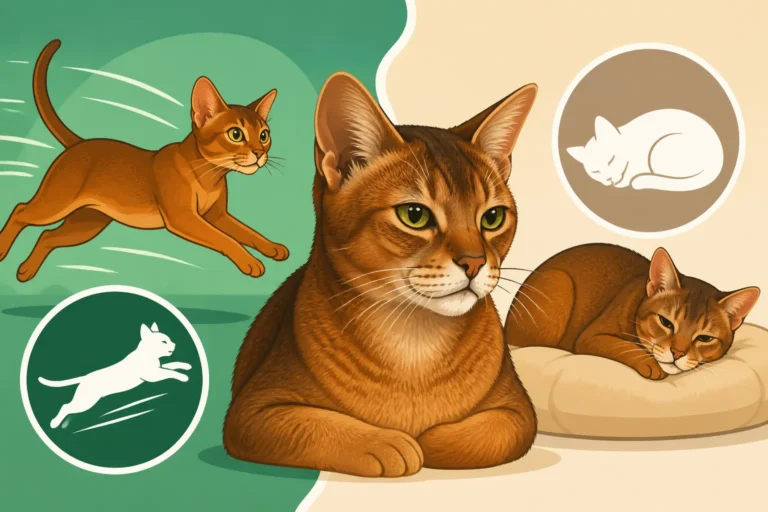
Also, observe their behavior. Are they struggling to make a jump they once cleared effortlessly? Are they less inclined to play or explore vertical spaces? Do they seem to groom themselves less thoroughly, particularly around their back or hindquarters? A decrease in activity level, even subtle, can be an early indicator that their weight is starting to hinder them. Even changes in their "zoomies" – those bursts of frantic energy – can be a clue. If they're not quite as enthusiastic or quick as before, it's worth investigating.
Implementing a Safe Weight Loss Plan
If you suspect your Abyssinian is overweight, the very first step is to consult your veterinarian. Never attempt a drastic diet change without veterinary guidance. Rapid weight loss in cats, particularly if they are overweight, can lead to serious health complications like hepatic lipidosis (fatty liver disease), which can be fatal.
Your vet will rule out any underlying medical conditions that might be contributing to weight gain, such as thyroid issues (though less common for weight gain in cats compared to dogs). They will then help you devise a safe and effective weight loss plan, which usually involves:
- Calorie Reduction: This isn't just feeding less of the same food. It often involves transitioning to a prescription weight-management diet designed to be lower in calories but still nutritionally complete and satisfying. These diets are carefully formulated to support healthy weight loss.
- Increased Activity: While dietary changes are critical, boosting their exercise is equally important. This means increasing the duration and intensity of interactive play sessions. Use toys that encourage chasing, jumping, and vigorous movement.
- Environmental Enrichment: Make your home a playground. Maximize vertical space, hide food in puzzle feeders, and create opportunities for them to "work" for their meals and playtime.
Consistency and patience are vital here. This isn't a quick fix; it's a lifestyle adjustment for your Abyssinian.
The Importance of Consistency and Patience
Weight loss in cats is a marathon, not a sprint. It takes time, dedication, and a consistent approach from everyone in the household. Don't get discouraged if you don't see immediate results. Healthy weight loss for a cat is typically 0.5% to 2% of their body weight per month. This slow and steady approach is crucial for their health and safety.
Involve every family member in the plan. Ensure no one is sneaking extra treats or leaving food out. Measure meals precisely, stick to the play schedule, and regularly monitor their weight at home, if possible, or during planned vet visits. Celebrating small victories, like a renewed enthusiasm for play or a slight decrease on the scale, can keep you motivated. Just remember to celebrate with extra playtime or a healthy, measured treat, not an extra scoop of food!
It's also worth noting that managing a pet's health, especially if they develop chronic conditions related to weight, can come with significant costs. Pet insurance providers, such as Healthy Paws, can be incredibly helpful in mitigating these financial burdens, allowing you to focus on your Abyssinian's well-being without added stress. Planning for your Abyssinian's health needs, both preventative and responsive, including pet insurance coverage, is a hallmark of responsible ownership.
Here's a quick reference table for healthy Abyssinian weights:
| Category | Typical Weight Range (lbs) |
|---|---|
| Adult Male | 8-12 lbs |
| Adult Female | 6-10 lbs |
| Ideal Condition | Lean, muscular, ribs easily felt but not visible; visible waist tuck |
Disclaimer: This article is intended for informational purposes only and does not constitute veterinary advice. Always consult with a qualified veterinarian for any health concerns or before making any changes to your pet's diet or exercise routine.