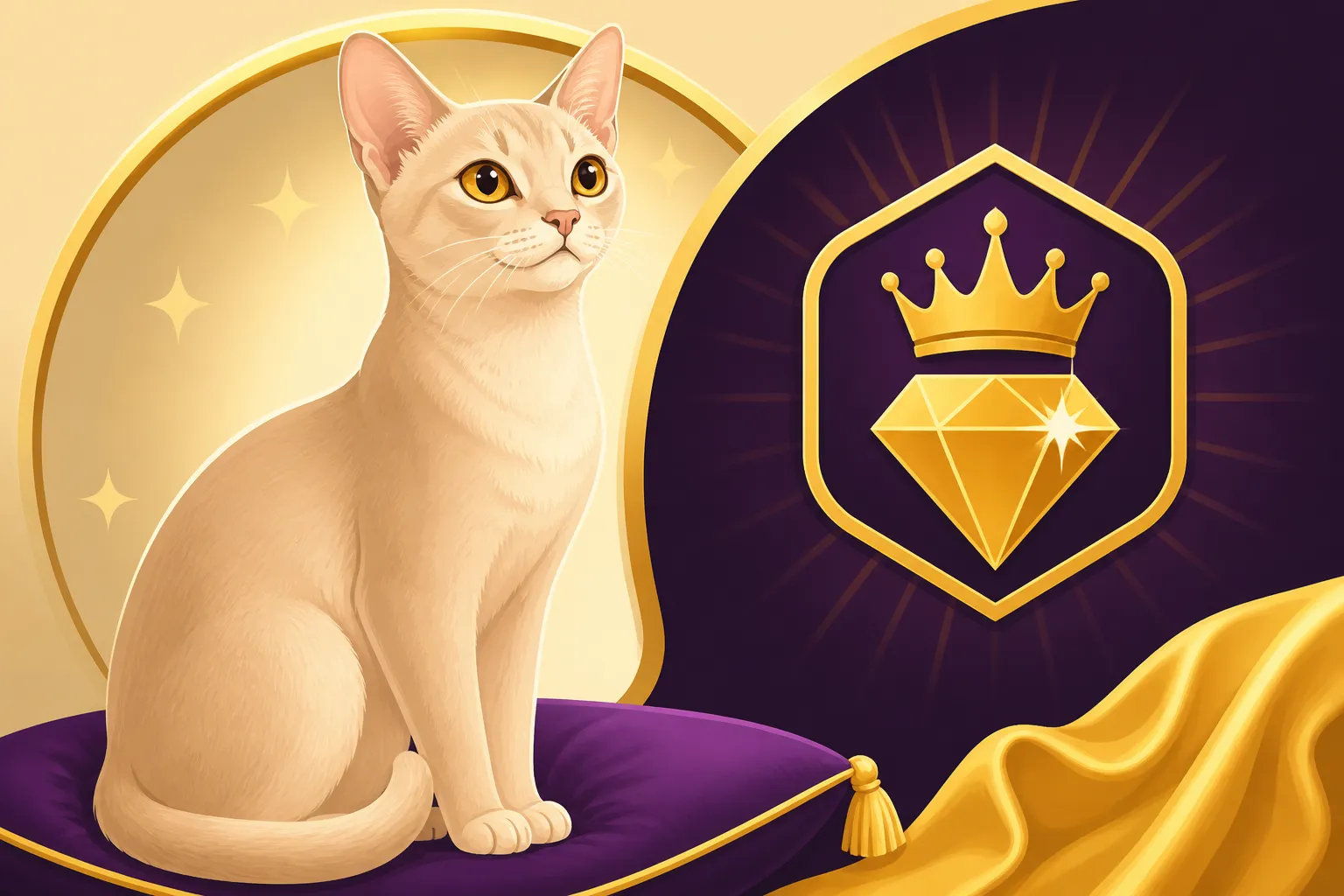
Why a Cream Abyssinian Female Costs the Most
It’s a common moment for prospective Abyssinian owners: you’ve fallen in love with their sleek, active personalities and striking ticked coats, only to find a wild range in price. Among these, the cream Abyssinian female often stands out, commanding the highest figures. This guide will walk you through the many reasons behind this premium price tag, from rare genetics to extensive breeder investment, helping you understand the true value of such a beautiful and sought-after companion.
The Allure and Rarity of the Cream Abyssinian Color
The world of Abyssinian colors is fascinating, a tapestry of genetic expression that results in the stunning ticked coats we all adore. While you'll often encounter ruddy, sorrel, blue, and fawn Abyssinians, the cream variation is a true gem, and its rarity plays a significant role in its higher cost. It's not just about a pretty face; it's about specific genes aligning in just the right way.
Understanding Abyssinian Color Genetics
Abyssinians are primarily known for their four standard colors: ruddy (the original wild type, a warm reddish-brown), sorrel (a richer, copper red), blue (a soft, warm grey), and fawn (a pale, mushroom grey). Each of these colors is a product of specific genetic markers, with ruddy being dominant and the others resulting from recessive genes or dilution genes. Cream, however, is a bit more complex. It's essentially a dilute form of sorrel, meaning it carries both the gene for red color and the gene that dilutes that color, softening it to a beautiful, warm apricot or pale buff. This combination of genes doesn't occur as frequently in breeding programs, making a cream Abyssinian a rarer find. Breeders often have to carefully plan pairings over generations to achieve this specific color consistently, which adds to the effort and expertise required.
Imagine a breeder trying to achieve a cream kitten. They might have a sorrel cat and a blue cat, both carrying the dilution gene and the red gene in specific ways. Getting a perfectly expressed cream, with the correct warm tones and clear ticking, requires a deep understanding of cat genetics and often a bit of luck. The fewer kittens of a specific color produced, the higher the demand and, consequently, the price. For a deeper dive into the breed's genetic makeup, consider exploring resources like How the Abyssinian's DNA Panel Is Ordered.
The Aesthetic Appeal of Cream
There’s no denying the striking beauty of a cream Abyssinian. While all Abyssinians possess that incredible ticked coat, allowing each individual hair to display multiple bands of color, a cream takes on a particularly ethereal quality. The base color is a soft, warm apricot or pale fawn, with the ticking appearing in a slightly darker, but still muted, shade. This creates a delicate, almost pastel effect that is incredibly elegant and sophisticated. Many describe them as having the warmth of sunshine or the soft glow of a perfectly ripe peach. Their large, almond-shaped eyes, typically gold or green, often stand out even more against their lighter fur.
This unique aesthetic makes them highly desirable among enthusiasts and those looking for something a bit different from the more common, deeper hues. In a world where exotic pet prices often soar for unique appearances, the cream Abyssinian earns its premium through sheer visual appeal and rarity. This aesthetic appeal isn't just a fleeting trend; it’s rooted in the classic beauty of the breed, elevated by an uncommon coloration.
Demand Versus Supply for Unique Colors
It’s simple economics: when demand is high and supply is low, prices naturally increase. The cream Abyssinian perfectly illustrates this principle. Most reputable Abyssinian breeders prioritize health, temperament, and adherence to the breed standard above all else. Color, while important, often takes a backseat to these fundamental qualities. Therefore, breeders aren't necessarily aiming to produce as many cream kittens as possible; they're breeding for overall quality, and a cream kitten with excellent type and temperament is a happy bonus.
Because cream is a more complex genetic combination to achieve and isn't as prevalent as ruddy or sorrel, fewer cream kittens are born each year. This scarcity means that when a high-quality cream female is available, there’s often a waiting list of eager buyers willing to pay a premium. This isn't a tactic by breeders to inflate prices, but rather a natural market response to the limited availability of such a coveted combination of color and quality. For those looking at purchasing, understanding How Long an Abyssinian Waitlist Runs can give you an idea of typical demand.
The Role of Sex and Breeding Potential in Pricing
Beyond the rarity of their stunning cream coat, the sex of an Abyssinian plays an equally crucial role in determining its price, particularly when it comes to females. A cream female with excellent genetics and conformation holds significant value, especially if she is considered suitable for a responsible breeding program.
The Value of a Breeding Female (Queen)
In the world of purebred cats, females chosen for breeding are known as "queens," and they often command higher prices than males or females sold as pets on spay/neuter contracts. This premium reflects the immense investment a breeder makes in their queens. First, there's the initial purchase price, which for a quality breeding queen can be substantial. Then, breeders invest in comprehensive health screenings, including genetic tests for conditions like Pyruvate Kinase Deficiency Is the Abyssinian's Best Known Test and PRA-rdAc Takes an Abyssinian's Sight by Five, regular veterinary check-ups, high-quality nutrition, and ongoing care to ensure she is in peak condition for breeding. There's also the time, knowledge, and experience required to manage successful pregnancies, deliveries, and the raising of healthy, well-socialized kittens.
A queen represents the future of a cattery's lines, carrying the genetic potential to produce multiple litters over her breeding career. This long-term contribution to a cattery's reputation and its ability to continue producing healthy, beautiful Abyssinians is directly factored into her initial cost. It’s an investment in a living, breathing asset that will bring new life and continuation to the breed.
The Specific Appeal of a Cream Queen for Breeders
Now, combine the inherent value of a breeding female with the rarity of the cream color, and you can see why a cream Abyssinian queen commands such a high price. For a breeder, acquiring a cream female with excellent type and a clear genetic health panel is a significant win. She can introduce or strengthen the cream line in their cattery, allowing them to potentially produce more sought-after cream or fawn kittens. This is particularly valuable for breeders who are working to preserve and expand the presence of these rarer dilute colors within the breed, while still upholding the highest standards of health and conformation.
Such a queen offers the potential to create future champions and beloved pets with this distinctive color. Her offspring, whether cream or carriers of the cream gene, will also carry a premium, further justifying the initial investment. Breeders look for specific genetic markers, health clearances, and conformation that aligns perfectly with the breed standard, and finding all of these qualities in a cream female is truly exceptional.
Non-Breeding vs. Breeding Prices
It's crucial to understand the distinction in pricing between a "pet quality" Abyssinian and a "breeding quality" one. A cream female sold as a pet will typically come with a spay contract, meaning the new owner agrees to spay her by a certain age and not use her for breeding. This ensures that only carefully selected and health-screened cats contribute to the gene pool, protecting the integrity of the breed. The price for a pet-quality cream female, while still higher than a more common color, will be less than one sold with breeding rights.
When a breeder sells a cream female with breeding rights, the price reflects not just the kitten herself, but also the implicit trust and responsibility placed upon the buyer to continue the lineage ethically and responsibly. This often includes additional clauses in the contract regarding health testing of future offspring, adherence to breed standards, and strict health guarantees. The higher price covers the potential genetic contribution she will make to the breed and acknowledges the rigorous standards she has met to be considered a viable, healthy queen. Always ask about the breeder's policies and what their health guarantee covers, especially for long-term conditions like Whether an Abyssinian Guarantee Usually Excludes Amyloidosis.
The Breeder's Investment: Health, Pedigree, and Care
When you're looking at the price tag of a cream Abyssinian female, it's easy to focus solely on the 'kitten' part. But what you're truly paying for is the culmination of years of dedicated work, significant financial outlay, and unwavering commitment from a responsible breeder. Their investment in health, lineage, and meticulous care is the bedrock of a healthy, well-adjusted companion, and these costs are naturally factored into the final price.
Extensive Health Testing and Clearances
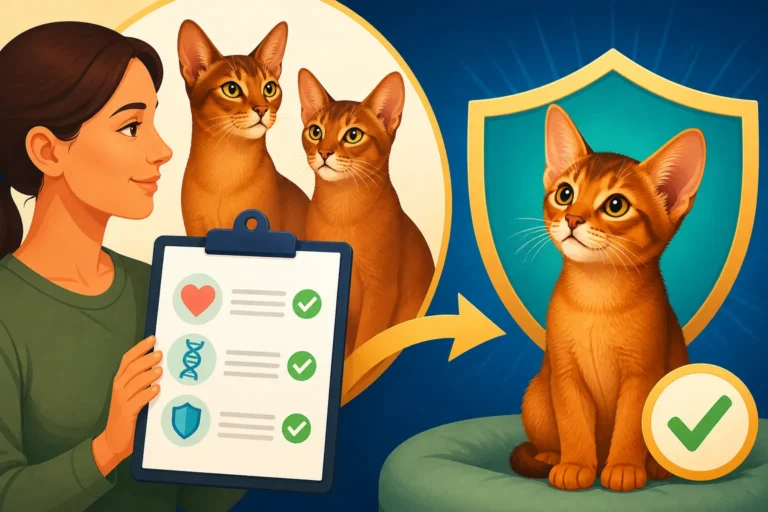
Reputable Abyssinian breeders are meticulous about the health of their breeding cats, and this comes at a substantial cost. They don't just hope for the best; they actively screen for known hereditary conditions to ensure they are producing the healthiest kittens possible. For Abyssinians, this includes genetic tests for Pyruvate Kinase Deficiency (PKD) and Progressive Retinal Atrophy (PRA-rdAc). Every breeding cat, and often the kittens themselves, will undergo these DNA tests to determine if they are clear, carriers, or affected. These tests involve samples sent to specialized veterinary labs, and while the cost for a single test might seem manageable, multiply that by an entire breeding program, including queens, studs, and sometimes kittens, and it quickly adds up.
Beyond DNA tests, breeders invest in regular veterinary check-ups, including blood work and physical examinations, to ensure their cats are in prime condition. They monitor for conditions like juvenile gingivitis, which can appear as early as six months in Abyssinians. The cost of these preventative measures, specialist consultations, and ongoing care to maintain a healthy cattery environment is significant. This rigorous approach to health testing is a hallmark of an ethical breeder and a key reason why their kittens are priced higher – they are selling you peace of mind and a lower likelihood of heartbreaking, expensive health issues down the line. It's an investment in the long-term well-being of the breed, ensuring that only healthy lines continue.
Superior Pedigree and Lineage
A high price for a cream Abyssinian female also reflects a superior pedigree and lineage. Responsible breeders spend years, sometimes decades, carefully cultivating their lines, researching ancestry, and importing cats from other respected catteries to diversify genetics and strengthen desirable traits. A robust pedigree means more than just a family tree; it's a testament to generations of health, temperament, and adherence to the breed standard. Breeders actively track health data within their lines, especially for conditions like Renal Amyloidosis, for which there is currently no DNA test. This means knowing the health history of grandparents and great-grandparents, making educated decisions to minimize risks.
Cats from championship lines, where parents or grandparents have excelled in the show ring, often carry a higher price. This isn't just about trophies; it means these cats exemplify the ideal Abyssinian type, temperament, and health according to discerning judges. The effort involved in showing cats, traveling to events, and campaigning for titles is another substantial investment by the breeder, all of which contributes to the perceived and actual value of the kittens they produce. You can learn more about this by reading What an Abyssinian's Grandparents Reveal About Its Kidneys.
Quality Care and Upbringing
Bringing up an Abyssinian litter is a full-time job for a breeder, and the quality of care they provide is unparalleled. From the moment the kittens are born, they receive round-the-clock attention. This includes ensuring the queen is healthy and well-nourished, providing a clean and stimulating environment for the growing kittens, and early socialization. Kittens are handled regularly, exposed to various sounds and textures, and introduced to litter training and scratching posts from a young age. This early foundation is critical for developing confident, friendly, and well-adjusted adult cats.
The costs associated with this care are extensive:
- Premium Nutrition: Nursing queens and growing kittens require high-quality, protein-rich diets. Feeding a litter premium cat food can be surprisingly expensive month after month.
- Veterinary Care: Multiple vet visits for health checks, deworming, vaccinations, and microchipping are standard. A kitten's first year involves significant veterinary attention.
- Enrichment: Providing appropriate toys, climbing structures, and mental stimulation is vital for this intelligent and energetic breed. Remember, An Abyssinian Needs Height More Than It Needs Floor, so investing in good quality cat trees and shelves starts early.
- Time and Effort: Perhaps the most undervalued cost is the sheer amount of time, love, and expertise a breeder pours into each litter. They forgo sleep, sacrifice personal time, and dedicate themselves entirely to ensuring their kittens thrive.
This holistic approach to raising kittens is what distinguishes a reputable breeder and justifies the price. You're not just buying a cat; you're buying a kitten that has received the best possible start in life, setting them up for a long, healthy, and happy future in your home.
The Impact of Show Potential and Type
For those deeply immersed in the world of purebred cats, the concept of "type" and "show potential" significantly influences a kitten's valuation. While every Abyssinian is beautiful, some individuals embody the breed standard so perfectly that they are deemed "show quality." A cream Abyssinian female that also demonstrates this exceptional adherence to the breed standard will naturally command a higher price.
Meeting the Breed Standard
The Abyssinian breed standard is a detailed blueprint outlining the ideal physical characteristics and temperament of the cat. It describes everything from the shape of the head and size of the ears to the texture of the coat and the set of the eyes. For a cream Abyssinian female to be considered "show quality," she must meet these stringent criteria, not just for her unique color, but for her overall conformation. Judges look for an elegant, lithe body, a moderately wedge-shaped head, large, alert ears set wide apart, and expressive almond-shaped eyes. The ticking on her coat must be even and clear, without any barring or blotchiness.
A breeder carefully evaluates each kitten in a litter against this standard. While all kittens from a reputable cattery will be healthy and well-socialized, only a select few will possess the exact combination of traits that make them competitive in the show ring. When a cream female displays this exceptional "type," it signifies that her genetics are strong and that her lineage consistently produces high-quality Abyssinians. This meticulous evaluation and selection process adds another layer of value to her price. You can explore this further by checking What an Abyssinian Looks Like Against the Show Standard.
Show Quality Versus Pet Quality
The distinction between "show quality" and "pet quality" is a common one in responsible breeding. A "pet quality" cream Abyssinian female is still a wonderful, healthy, and beautiful cat. She might have a minor deviation from the breed standard – perhaps her ears are set a fraction too close, or her coat ticking isn't quite as defined as a show cat's, or she might have a very small "necklace" marking, which is a fault in the show ring. These minor "faults" don't affect her health or her ability to be a loving companion in any way. She will still be sold on a spay contract, ensuring she lives a happy life as a cherished family member.
A "show quality" cream female, on the other hand, is considered to be as close to the ideal breed standard as possible. Breeders will often reserve these kittens for placement in show homes or other reputable breeding programs, where their exceptional qualities can be showcased and contribute to the future of the breed. The higher price for a show-quality kitten reflects the rarity of finding such a perfect specimen, the breeder's investment in achieving that perfection, and the potential for her to win titles and further enhance the cattery's reputation. It's a testament to the breeder's success in producing truly outstanding examples of the breed.
The Breeder's Reputation and Experience
Finally, the reputation and experience of the breeder themselves play a significant role in the pricing of a cream Abyssinian female. Breeders who have consistently produced healthy, well-tempered, and typey Abyssinians for many years, especially in rarer colors, earn a strong reputation within the cat fancy community. Their catteries are known for ethical practices, comprehensive health screening, and excellent post-adoption support. This track record of excellence doesn't just happen; it's built on years of dedication, learning, and often, significant financial investment.
A breeder who is highly respected will have a waiting list, sometimes extending for a year or more, for their kittens. People are willing to pay a premium because they trust the breeder's commitment to health, genetic integrity, and the overall quality of their cats. When a cream Abyssinian female comes from such a distinguished background, her price reflects not only her individual attributes but also the prestige and assurance that comes with her breeder's name. This trust is invaluable and offers peace of mind that you are bringing home a kitten that has received the best start possible from a truly dedicated source. Consider learning How to Vet an Abyssinian Breeder Before Paying for more tips on this.
Why Cream Abyssinian Females Are an Investment, Not Just an Expense
It's easy to look at the higher price tag of a cream Abyssinian female and see only an expense. However, for those who choose to bring one of these magnificent cats into their lives, it quickly becomes clear that it's truly an investment—an investment in a healthier pet, a more harmonious home, and the integrity of a beloved breed. This perspective shift is crucial for appreciating the value packed into that initial cost.
Long-Term Health Benefits
One of the most compelling arguments for paying a premium for a well-bred cream Abyssinian female is the profound long-term health benefits. Kittens from reputable breeders, who conduct extensive health screening for conditions like PK deficiency and PRA-rdAc, are significantly less likely to develop these devastating genetic diseases. While no breeder can guarantee a cat will never face any health issue, they drastically reduce the risk of inheritable conditions that can lead to immense emotional and financial strain for owners.
Imagine the heartbreak and veterinary bills associated with a cat suffering from chronic anemia due to PK deficiency, or slowly going blind from PRA-rdAc. These are not minor ailments; they are life-altering conditions that require ongoing, often expensive, veterinary care. By investing in a kitten from health-tested parents, you're potentially saving thousands in future vet costs and, more importantly, countless hours of worry and sorrow. This preventative approach, while costing more upfront, often pays dividends in a healthier, happier cat that lives its full, vibrant lifespan of The Twelve to Fifteen Years an Abyssinian Usually Gets. This is where services like Healthy Paws pet insurance become even more valuable, providing an excellent safety net for unexpected health issues, even when you've chosen a well-bred companion.
The Joy of a Well-Adjusted Companion
Beyond physical health, the responsible breeder's investment in early socialization and temperament development is invaluable. A cream Abyssinian female raised in a loving, stimulating home environment, handled frequently, and exposed to various sights and sounds will be confident, outgoing, and adaptable. Abyssinians are incredibly intelligent and active cats, sometimes described as the "Clown of Cats," and a well-socialized kitten will channel that energy into play, exploration, and affectionate interaction rather than destructive behaviors born from anxiety or boredom.
This early foundation means you bring home a kitten that is already comfortable with human interaction, litter trained, and ready to integrate seamlessly into your family. They will be less prone to shyness, aggression, or behavioral issues that can arise from a poor start in life. The joy of having a truly well-adjusted, confident, and affectionate Abyssinian companion, who thrives in your home and brings endless entertainment, is immeasurable. This intrinsic value, contributing to a harmonious household, is a key component of the investment.
Supporting Ethical Breeding
Choosing to purchase a cream Abyssinian female from a reputable breeder, even at a higher price point, is a direct vote of confidence in ethical breeding practices. It supports individuals who are dedicated to the preservation and improvement of the breed, not just for profit. These breeders prioritize the health, welfare, and genetic diversity of Abyssinians, adhering to strict standards and contributing to breed registries and health databases.
Conversely, buying a "cheap" Abyssinian, especially a rare color like cream, often means inadvertently supporting irresponsible breeders or kitten mills who cut corners on health testing, proper nutrition, and socialization. These operations contribute to the proliferation of genetic diseases and produce cats with behavioral problems, ultimately harming the breed as a whole. Your decision to invest in a responsibly bred cream Abyssinian helps ensure that the future of this beautiful breed remains in the hands of those who truly care. It's about contributing to a sustainable future for Abyssinians, ensuring that healthy, well-tempered cats continue to grace our homes for generations to come.
Navigating the Purchase of a Cream Abyssinian
Deciding to welcome a cream Abyssinian female into your home is an exciting prospect. However, given their rarity and higher price, it's crucial to approach the purchasing process with diligence and a clear understanding of what to expect. Finding the right breeder, understanding the contracts, and preparing for the ongoing costs are all vital steps in bringing home a healthy, happy companion.
Finding Reputable Breeders
This is perhaps the most important step in acquiring any purebred cat, but especially a cream Abyssinian female. You’re not just looking for a kitten; you’re looking for a partner in the breeder, someone who will support you and the cat throughout its life. Start by researching breed clubs and associations like the Cat Fanciers' Association (CFA) or The International Cat Association (TICA). These organizations often have breeder directories and codes of ethics. Don't be afraid to ask for references from other kitten owners or even their veterinarian.
When you contact potential breeders, be prepared with a list of questions. Ask about their breeding philosophy, the health testing they conduct on their breeding cats (specifically for PK deficiency and PRA-rdAc), and what kind of socialization their kittens receive. Request to see the health certificates of both parents. If possible, visit the cattery in person to observe the living conditions, the temperament of the adult cats, and how the kittens are raised. A good breeder will also ask you many questions, as they want to ensure their kittens are going to loving, responsible homes. They will want to know Which Household an Abyssinian Fits Best and about your living situation.
Understanding Contracts and Guarantees
Any reputable breeder will provide a comprehensive contract of sale, which is a legally binding agreement outlining the terms of your purchase. For a cream Abyssinian female, especially given her value, this contract will be detailed. It will specify whether the kitten is being sold as "pet quality" (with a mandatory spay/neuter clause) or "breeding quality" (with breeding rights, usually at a significantly higher price and with additional stipulations). The contract should clearly state the purchase price, payment schedule, and any conditions for a deposit.
Crucially, pay close attention to the health guarantee. This section should outline what health conditions are covered, for how long, and what recourse you have if a covered condition arises. Many breeders offer guarantees against genetic diseases for a specific period. It’s important to read this carefully and ask for clarification on anything you don’t understand. This document is designed to protect both you and the breeder, ensuring clear expectations for the kitten's health and future. Always ensure you receive all relevant papers, including the kitten's pedigree and registration papers from the relevant cat association.
Budgeting Beyond the Purchase Price
While the initial cost of a cream Abyssinian female is substantial, it’s vital to remember that this is just the beginning of your financial commitment. Owning an Abyssinian, like any pet, involves ongoing expenses that need to be budgeted for. These include:
- Food: Abyssinians are active cats and require high-quality, protein-rich food. Monthly food costs can add up, especially if you opt for premium brands or a combination of wet and dry food. You can find many options from retailers like Chewy or specialized pet food stores.
- Litter: Good quality litter is essential for maintaining a clean home and encouraging proper litter box habits.
- Veterinary Care: Beyond the initial vaccinations and check-ups a kitten receives, adult Abyssinians need yearly wellness exams, preventative care, and potentially dental cleanings, which are a significant budget item for this breed. Regular dental care is often the biggest line in an Abyssinian's budget.
- Pet Insurance: Given the potential for unexpected illnesses or accidents, pet insurance from providers like Healthy Paws can be a wise investment. It helps cover significant veterinary costs, providing peace of mind. It’s generally recommended to insure an Abyssinian before its first birthday to avoid pre-existing condition exclusions.
- Toys and Enrichment: Abyssinians are highly intelligent and energetic, needing plenty of mental and physical stimulation. Budget for durable toys, puzzle feeders, and robust climbing structures or wall shelves for an Abyssinian. They will destroy cheap furniture faster than you think!
- Other Supplies: Carriers, grooming tools, scratching posts, and potential boarding costs if you travel are also part of the ownership equation.
By considering all these factors, you ensure that you are fully prepared for the delightful, yet financially responsible, journey of owning a cream Abyssinian female. It’s a lifetime commitment, and understanding the full scope of that commitment upfront is key to a happy relationship.
Abyssinian Color & Price Comparison
To help illustrate the value placed on rarer Abyssinian colors, particularly cream, here's a general comparison across the primary recognized hues. Please remember these are general ranges, and individual kitten prices will vary based on pedigree, show potential, breeder reputation, and whether the cat is sold with or without breeding rights.
| Color | Description | Rarity (General) | Breeder Investment | Typical Demand | Relative Price Range (Pet Quality Female) | Breeding Value (Female) |
|---|---|---|---|---|---|---|
| Ruddy | Warm reddish-brown with black ticking, often called "Usual." | Common | Standard | High | Mid-range | Moderate – foundational for breed. |
| Sorrel | Rich, coppery red with chocolate-brown ticking. | Moderate | Standard | High | Mid-to-High | Moderate – popular, good genetic diversity. |
| Blue | Soft, warm grey with darker blue-grey ticking. | Moderate-Low | Moderate | High | High | High – introduces dilution, popular. |
| Fawn | Palest buff or mushroom grey with soft brown ticking. | Low | High | Very High | Very High | Very High – desired dilute, harder to produce. |
| Cream | Pale apricot/buff with soft, muted ticking. | Very Low | Very High | Extremely High | Top Tier | Exceptional – highly sought for color progression & rarity. |
This table shows how the perceived rarity and the genetic difficulty in consistently producing a color directly correlate with its market value. A cream female, in particular, represents the peak of this combination, making her an exceptionally prized member of any Abyssinian family.
Disclaimer
This article is for general informational purposes only and does not constitute professional advice. Laws, prices and regulations vary by location and change over time. Consult a qualified professional for guidance on your specific situation.