Whether a Somali Costs More Than an Abyssinian
The moment you start researching pedigree cats, it’s easy to get swept up in the dream, only to hit the reality wall when you see those price tags. You might be wondering if a gorgeous, long-haired Somali will set you back significantly more than its sleek, short-haired Abyssinian cousin. It's a valid question, as the initial cost can seem like a massive hurdle, but the truth about ownership expenses goes far beyond that first price. This guide will walk you through the financial landscape of owning both an Abyssinian and a Somali, helping you understand where their costs align and where they might diverge, both upfront and over their long, active lives.
Understanding the Initial Purchase Price for Abyssinians and Somalis
When you’re dreaming of bringing home a new furry family member, the first thing many people look at is the initial purchase price. It’s the sticker shock moment, and it often dictates whether you can even consider a particular breed. For Abyssinians and Somalis, while they are distinct breeds in appearance, their genetic ties and breeding practices mean their initial costs are often quite similar, though various factors can sway the final number.
The Core Cost of an Abyssinian Kitten
An Abyssinian kitten from a reputable breeder typically commands a price that reflects the breeder’s significant investment in health testing, quality care, and ethical breeding practices. These aren't impulse buys, and for good reason. Breeders spend countless hours ensuring their cats are well-socialized, healthy, and come from strong genetic lines. This upfront cost isn't just for the kitten itself; it's for the peace of mind that comes with a carefully planned litter. You're paying for generations of careful selection and the assurance that your kitten has received the best possible start in life, including initial vaccinations and a clean bill of health. Many buyers wonder What a Pet Quality Abyssinian Sells For, and it's always a good idea to discuss the specific qualities and pricing with breeders.
How Somali Kitten Prices Compare
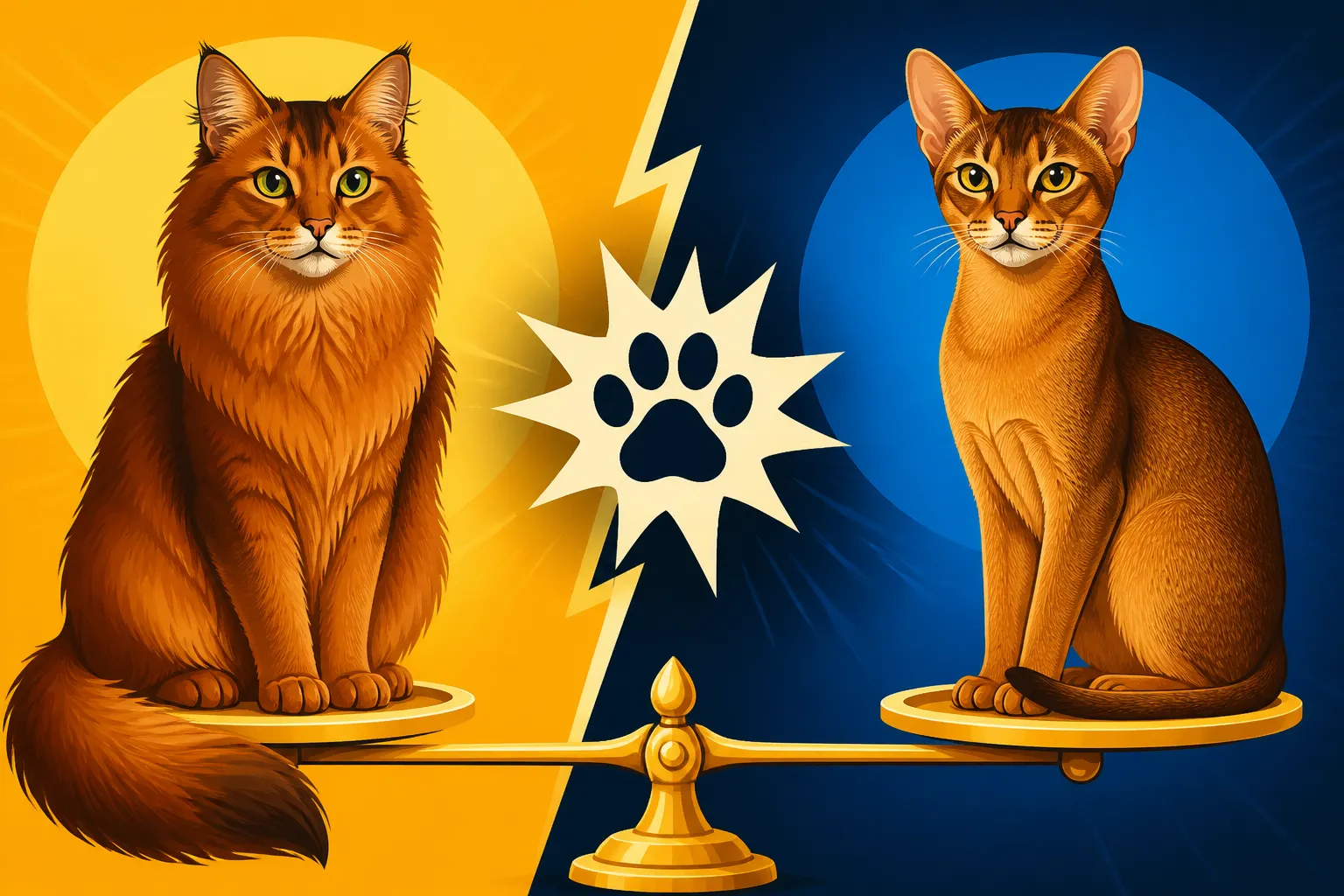
Interestingly, despite the Somali’s luxurious, semi-long coat, their initial purchase price often falls within a similar range to their Abyssinian counterparts. This is because Somalis essentially emerged from Abyssinian lines as the long-haired variant, carrying the recessive long-hair gene. The breeding programs for both breeds are often intertwined, sharing similar health testing protocols and dedication to breed standards. Therefore, while you might find slight variations, a Somali kitten's price is generally comparable to an Abyssinian's. The perceived "rarity" of a Somali might lead some to assume a higher price, but in reality, many breeders work with both short and long-haired varieties, leading to competitive pricing structures. If you're looking into How Much a Somali Kitten Costs, you'll likely find that the numbers are quite similar to Abyssinians.
Factors Influencing Price Beyond Breed
Beyond the basic breed distinction, several factors can influence the final price you pay for either an Abyssinian or a Somali kitten. Location plays a significant role; breeders in high cost-of-living areas or regions with fewer reputable catteries might have higher prices. The kitten's "quality" – whether it's pet quality (meaning a loving companion without show or breeding potential) or show/breeding quality – will also affect the price, with show-quality cats commanding a premium. Rarity in certain colors, while sometimes advertised, isn't always a true indicator of value; responsible breeders focus on health and temperament above all. Ultimately, a higher price often correlates with a breeder who invests heavily in their cats’ well-being, including extensive genetic screening and superior veterinary care, rather than simply being about the cat's aesthetics.
Unpacking the Long-Term Financial Commitment
The initial purchase price, while substantial, is really just the tip of the iceberg when it comes to cat ownership. The ongoing costs throughout a cat's life are where the true financial commitment lies, and for active, intelligent breeds like Abyssinians and Somalis, these can add up. It’s crucial to consider these recurring expenses before bringing one of these wonderful cats home, as neglecting them can lead to problems down the road.
Food and Nutrition Considerations
Both Abyssinians and Somalis are incredibly active cats, constantly exploring, climbing, and playing. This high energy output means they burn through calories more quickly than a sedentary cat, often requiring a high-quality, protein-rich diet to maintain their lean muscle mass and overall vigor. They aren't cats that can thrive on cheap, filler-laden kibble. Many owners choose to feed a mix of wet and dry food, or even a raw diet, to ensure optimal hydration and nutrient intake, which can significantly impact your monthly grocery bill. What an Abyssinian Costs to Feed Each Month is a question that requires careful thought about quality over cost. Regardless of the brand, feeding a quality diet is an investment in their long-term health and can potentially reduce vet bills later in life.
Veterinary Care: A Lifelong Investment
Regular veterinary care is non-negotiable for any pet, and Abyssinians and Somalis are no exception. Beyond annual check-ups, vaccinations, and parasite prevention, these breeds can have specific health considerations that require proactive management. For instance, their predisposition to certain dental issues means that Why Abyssinian Dental Work Is the Biggest Line in the Budget is a very real concern for many owners. Routine dental cleanings under anesthesia can be costly, but they are essential for preventing pain, infection, and more serious health problems. Emergency visits, while hopefully rare, are always a possibility, and the costs associated with diagnostics, treatments, or even surgery can quickly escalate. This is where a robust savings plan or pet insurance really shines.
Grooming and Enrichment Needs
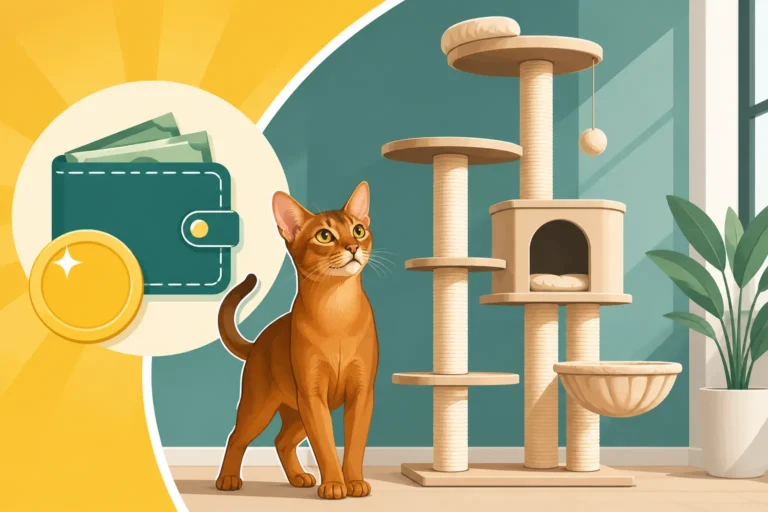
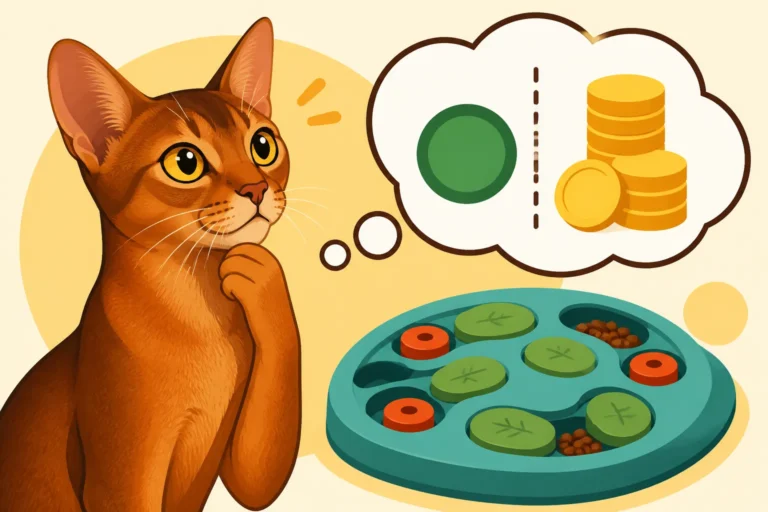
While Abyssinians have short, low-maintenance coats, Somalis, with their semi-long hair, do require more regular grooming to prevent mats and keep their fur looking its best. This means investing in good quality brushes, combs, and potentially professional grooming if you're unable to keep up with it yourself. Beyond grooming, both breeds have incredibly active and intelligent minds that demand significant enrichment. This translates to an investment in durable, engaging toys, tall cat trees, wall-mounted shelves, and puzzle feeders. These aren't optional extras; they are vital for their mental and physical well-being. A bored Abyssinian or Somali can quickly become a destructive one, making the cost of appropriate enrichment a necessary expenditure to protect your home and keep your cat happy.
The Hidden Costs: Genetics and Health Concerns
One of the most significant, yet often overlooked, aspects of cost for pedigree cats comes from their genetic predispositions to certain health issues. Both Abyssinians and Somalis share a common genetic pool, meaning they are susceptible to similar hereditary conditions. Understanding these potential challenges and how reputable breeders mitigate them is paramount to preparing for the true cost of ownership.
DNA Testing: An Upfront Expense for Both Breeds
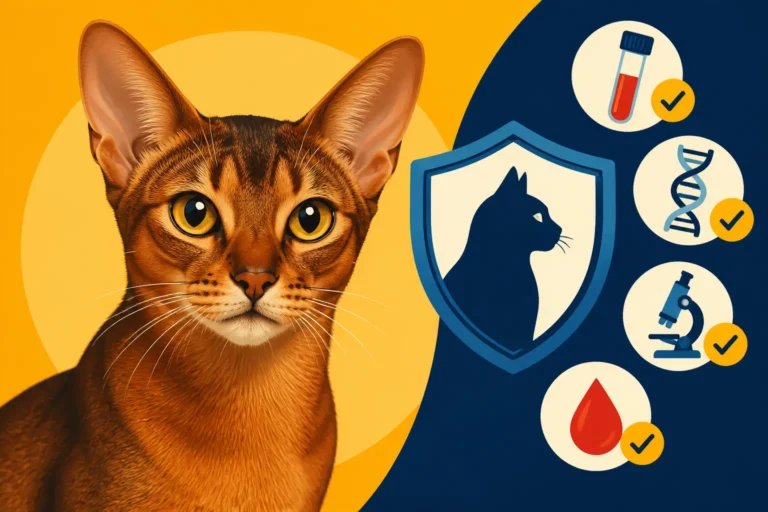
A responsible breeder for either an Abyssinian or a Somali will have invested in genetic testing for their breeding cats. This isn't just a nicety; it's a critical step in preventing the spread of inherited diseases. Which Two DNA Tests an Abyssinian Must Have are Pyruvate Kinase Deficiency (PKD) and Progressive Retinal Atrophy (PRA-rdAc). PK Deficiency can lead to intermittent anemia, while PRA-rdAc causes blindness. Testing helps ensure that kittens are either clear of these conditions or, if carriers, are not bred to another carrier, thus preventing affected offspring. While you might pay a bit more upfront for a kitten from tested parents, it’s an invaluable investment that could save you thousands in veterinary bills and heartache down the line. It's truly a cost that is "hidden" in the purchase price but pays dividends in peace of mind.
Breed-Specific Health Predispositions
Beyond the DNA-testable conditions, both Abyssinians and Somalis can be predisposed to other health issues that don't yet have direct genetic tests. The most notable among these is Renal Amyloidosis. This cruel disease involves the abnormal deposition of amyloid protein in the kidneys, leading to kidney failure, often at a young age. As the saying goes, Renal Amyloidosis Is the Abyssinian Problem Nobody Can Test For directly with a gene test. This means breeders must rely on meticulously tracking family history and sometimes even performing biopsies on retired breeding cats. While this isn't a cost you pay upfront for a test, the potential for managing chronic kidney disease or other breed-specific ailments like juvenile gingivitis can become a substantial part of their lifelong veterinary expenses. Early diagnosis and management are key, but they do come with a financial commitment.
The Value of a Reputable Breeder
When considering the cost of an Abyssinian or a Somali, never underestimate the value that a reputable breeder brings to the table. A breeder who health tests, provides excellent nutrition, socializes their kittens, and offers a strong health guarantee might have higher prices. However, this investment typically translates into a healthier, more well-adjusted cat, which ultimately saves you money and emotional stress in the long run. Cheap kittens are often cheap for a reason – they come from breeders who cut corners on health testing, nutrition, and early veterinary care. These "savings" almost always lead to higher costs later in life as you deal with behavioral issues or chronic health problems. Always do your due diligence, ask for health certificates, and inquire about the health history of the kitten's parents and grandparents.
Insurance and Emergency Funds: Planning for the Unexpected
Even with the best breeding and care, life happens. Accidents and sudden illnesses can strike any cat, and for active breeds like Abyssinians and Somalis, the chances of a tumble or an unexpected health flare-up are always present. Preparing for these unforeseen circumstances is a critical part of responsible pet ownership.
Pet Insurance: A Smart Move for Active Breeds
Given the potential for breed-specific health issues and the general vivacious nature of Abyssinians and Somalis, pet insurance can be a very wise investment. It helps mitigate the financial blow of unexpected veterinary emergencies or chronic disease management. Policies vary widely, covering everything from accidents to illnesses, and some even offer wellness add-ons for routine care. Companies like Healthy Paws are popular choices, offering comprehensive coverage that can provide significant peace of mind. Many owners ask Whether Pet Insurance Is Worth It for an Abyssinian, and for these breeds, the answer is often a resounding yes. It's far better to pay a predictable monthly premium than to face a five-figure vet bill for an emergency surgery without any financial safety net.
Building an Emergency Savings Account
Even with pet insurance, it's a good idea to have a dedicated emergency savings account for your cat. Most insurance policies have deductibles, co-pays, and sometimes specific exclusions or annual limits. Having a separate fund ensures you can cover these out-of-pocket expenses without stress, allowing you to focus on your cat's recovery. This fund can also cover things that insurance might not, such as specialized enrichment items after an injury, or simply providing extra comfort and care during a prolonged illness. The peace of mind that comes from knowing you can provide the best possible care for your beloved companion, regardless of the cost, is invaluable.
The True Cost of Ownership: Time and Effort
While financial costs are important, the non-monetary costs of owning an Abyssinian or Somali are perhaps even more significant. These cats demand a substantial investment of your time, energy, and commitment. If you're not prepared for this, no amount of money will create a happy, well-adjusted cat.
Time Investment for Social and Active Cats
Both Abyssinians and Somalis are famously social, energetic, and intelligent. They are not the type of cats content to merely exist in your home; they want to be an integral part of your life, involved in everything you do. They need daily interactive play sessions, mental stimulation, and plenty of human interaction. A minimum of 30-60 minutes of focused playtime, split into several sessions throughout the day, is usually necessary, and often more is required. This kind of interaction prevents boredom, which can lead to destructive behaviors like scratching furniture or knocking things off shelves. If you work long hours or travel frequently, considering a pair of cats, perhaps even two littermates (many owners find Why Abyssinian Owners Rarely Keep Just One to be very true), can significantly help meet their social needs.
The Environmental Needs: Vertical Space and Enrichment
The Abyssinian and Somali breeds thrive on vertical space. Their athletic build and natural curiosity mean they love to climb, perch, and survey their domain from on high. Investing in tall, sturdy cat trees, wall-mounted shelves, and cat "highways" isn't just about decoration; it's about providing essential environmental enrichment that satisfies their innate need to climb. Without adequate vertical space, they might turn to your bookshelves, curtains, or kitchen cabinets as their personal climbing gyms, which can be both damaging and dangerous. This commitment to creating an enriching environment is a continuous one, adapting as your cat ages and its needs evolve.
Here's a quick comparison of potential costs, keeping in mind these are estimates and can vary widely:
| Cost Category | Abyssinian (Estimated Range) | Somali (Estimated Range) | Notes |
|---|---|---|---|
| Initial Purchase Price | Moderate to High | Moderate to High | Highly dependent on breeder reputation, location, and kitten quality. Often similar ranges for both breeds. |
| Annual Food Costs | Moderate to High | Moderate to High | Both breeds are active and benefit from high-quality, protein-rich diets. May be slightly higher for Somalis if they are larger. |
| Annual Routine Vet Care | Moderate | Moderate | Includes check-ups, vaccinations. Does not include dental work or unexpected illness. |
| Annual Dental Care | High | High | Both breeds are prone to dental issues like juvenile gingivitis, requiring frequent professional cleanings. |
| Grooming Supplies | Low | Moderate | Abyssinians are low-maintenance. Somalis require regular brushing due to their semi-long coat. |
| Enrichment/Toys | Moderate to High | Moderate to High | Both need plenty of interactive toys, tall cat trees, and shelves to satisfy their high energy and intelligence. |
| Pet Insurance/Emergency Fund | Moderate to High | Moderate to High | Highly recommended for both due to breed-specific health concerns and active natures. |
| Time Investment | Very High | Very High | Both require significant daily interaction, playtime, and mental stimulation. |
As you can see, the financial and time commitments for Abyssinians and Somalis are remarkably similar. The primary distinction in direct financial cost comes down to the slightly increased grooming needs of the Somali's longer coat. Otherwise, these incredible, energetic cats will ask for a consistent investment in their health, happiness, and well-being, regardless of their hair length. The lifespan of these breeds is generally long, with How Long an Abyssinian Lives Against Other Shorthairs often extending into the mid-teens, making that long-term commitment all the more real.
Disclaimer
This article is for general informational purposes only and does not constitute professional advice. Laws, prices and regulations vary by location and change over time. Consult a qualified professional for guidance on your specific situation.