How Rare a Fawn Abyssinian Actually Is
It’s completely understandable to feel a pull towards a Fawn Abyssinian. There’s something truly enchanting about their soft, diluted coloring, a shade that stands out even among the already unique Abyssinian palette. You might hear whispers that they’re incredibly rare, and that perception can add to their allure. This guide aims to demystify the actual rarity of Fawn Abyssinians, diving into the genetics and practicalities of finding one, so you know exactly what to expect on your journey to welcome one of these stunning cats into your home.
What Makes a Fawn Abyssinian Look So Unique?
Before we talk about rarity, it’s worth understanding why a Fawn Abyssinian looks the way it does. Their distinctive coat isn't just a random variation; it's the result of specific genetic interactions that dilute primary colors, creating that wonderfully warm, often mistaken for "lilac" or "pinkish" hue. It’s truly a sight to behold, making them stand out from the crowd.
The Genetics of Dilution in Abyssinians
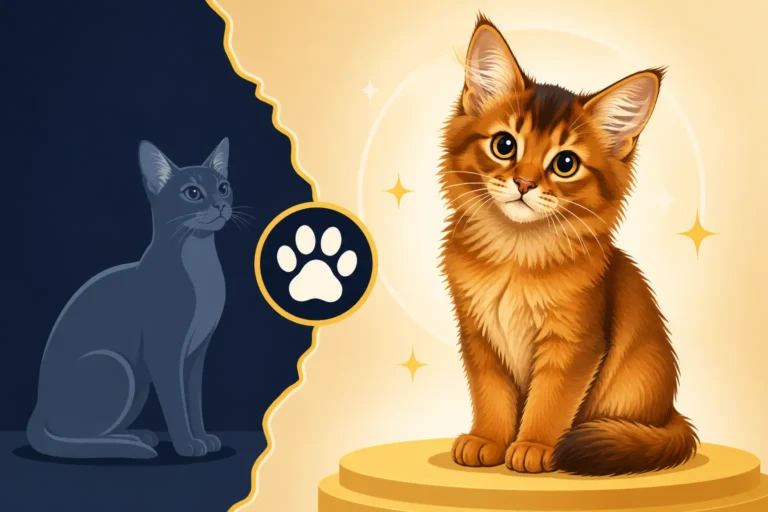
The Fawn color in Abyssinians is a result of two different genetic factors working together. First, you have the base color, which for a Fawn is genetically a "blue" Abyssinian. Blue Abyssinians themselves are a diluted version of the Ruddy (black-based) coat. But Fawn takes it a step further. It's the dilution of a Sorrel (red-based) Abyssinian. Imagine the rich, warm, coppery tones of a Sorrel. Now, apply a dilution gene to that, and voila, you get the soft, powdery fawn. This double-dilution process means that a Fawn Abyssinian carries genes for both dilution and red. It's a rather intricate dance of recessive genes, making its appearance less common than the more dominant Ruddy. This is why you won't see Fawn Abyssinians popping up in every litter; it requires very specific genetic pairings from the parents. For a deeper dive, you might find What Dilution Does to a Blue Abyssinian interesting, as it explains the science behind these beautiful muted colors.
The Fawn Appearance Versus Other Colors
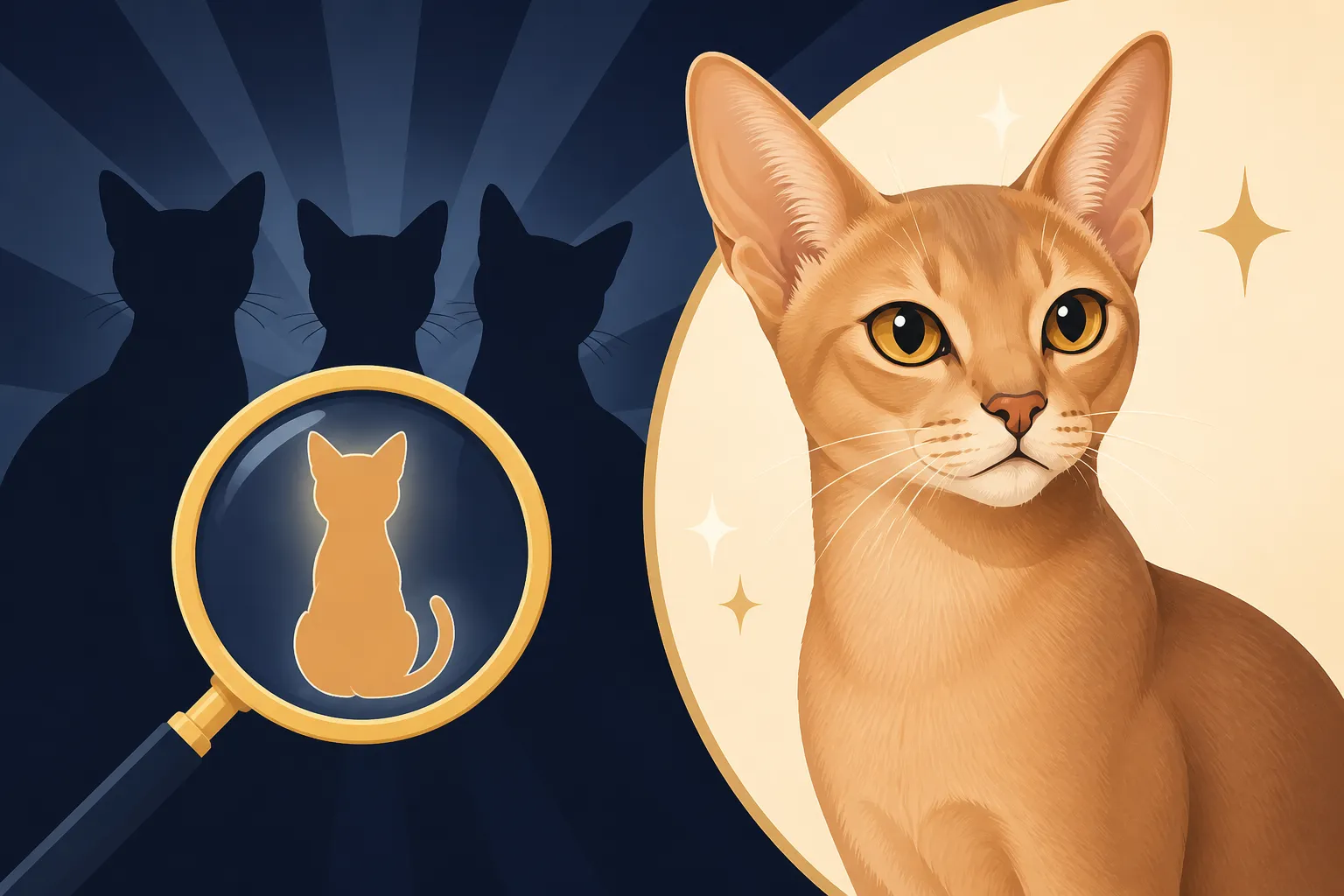
When you compare a Fawn Abyssinian to its Ruddy, Sorrel, or even Blue counterparts, the difference is striking. A Ruddy Abyssinian boasts a vibrant, warm brown ticked coat, almost like a wild rabbit. A Sorrel is a glowing coppery red, truly fiery. Blues have a cool, slate-grey tone. But the Fawn? It's often described as a warm, rosy beige, sometimes with a blush of pink or lavender in certain lights. The ticking – those distinct bands of color on each hair shaft – is still present, but it’s softened, giving the cat an ethereal, almost pastel quality. This soft aesthetic is incredibly appealing to many, making it a highly desired color. If you're curious to see the visual differences, exploring What a Fawn Abyssinian Looks Like can offer a clearer picture.
The True Rarity of Fawn Abyssinians in the Breeding World
So, is the Fawn Abyssinian truly rare? Within the broader cat world, all Abyssinians are less common than a typical domestic shorthair, simply because they are a pedigree breed from a specific line. However, within the Abyssinian breed itself, Fawn definitely sits on the less common side compared to the Ruddy or Sorrel.
How Fawn Compares to Other Abyssinian Colors in Availability
When you look at the spectrum of Abyssinian colors, Ruddy is traditionally the most common, followed closely by Sorrel. Blue Abyssinians are less frequently seen than Ruddies or Sorrels, but more so than Fawn. The Fawn color often ranks as one of the least common of the four officially recognized colors. This isn't because breeders are actively trying to make them rare, but rather due to the recessive nature of the genes required for the fawn color to express itself. A breeder needs to carefully plan matings to ensure both parents carry the necessary genetic markers to produce fawn kittens, and even then, it's not a guarantee in every litter. This deliberate breeding means fewer Fawn kittens enter the market compared to the other colors. Understanding The Four Colors an Abyssinian Comes In can help you appreciate this color distribution even more.
Why Breeders May Produce Fewer Fawn Kittens
Breeders often prioritize health, temperament, and adherence to the breed standard. While Fawn is a recognized and beautiful color, the genetic combination required for it means that it might not appear as frequently as Ruddy or Sorrel in a breeder’s program, especially if they are working with lines that don’t consistently carry the necessary recessive genes. It’s a bit like rolling a specific number on multiple dice at once; it takes careful planning and a bit of luck. Ethical breeders are not just trying to produce "rare" colors; they're striving for healthy, well-socialized kittens of all approved colors. Therefore, the production of Fawn kittens might be a happy outcome of a carefully planned litter rather than the sole objective. This careful approach to breeding underscores why you might face a longer wait. To get a sense of how varied prices can be due to color and other factors, check out Why Abyssinian Prices Vary by Color.
Finding a Fawn Abyssinian: What to Expect
If your heart is set on a Fawn Abyssinian, be prepared for a slightly different search experience than if you were looking for a Ruddy or Sorrel. Their relative rarity means a more deliberate approach is needed.
Navigating Waitlists and Breeder Networks
Given that Fawn Abyssinians are less common, you're likely to encounter longer waitlists with reputable breeders. It's not uncommon for prospective owners to wait several months, or even over a year, for a Fawn kitten. This wait isn't a bad thing; it usually indicates a dedicated breeder who doesn't rush their program and prioritizes the well-being of their cats. Networking within the Abyssinian community, joining breed-specific online forums, and attending local cat shows can connect you with breeders who might have Fawn kittens planned or available. When you do find a breeder, remember that a good one will likely interview you as much as you interview them. Knowing Why an Abyssinian Breeder Who Interviews You Is a Good Sign can help you recognize quality.
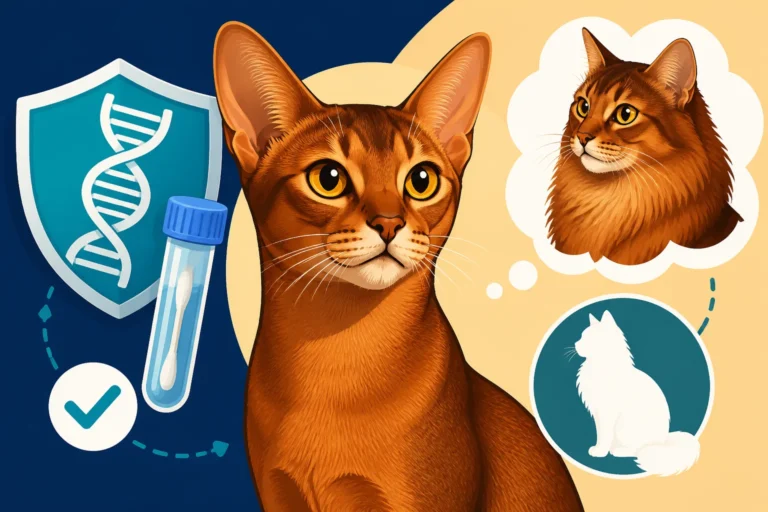
A key part of finding the right Fawn Abyssinian is patience and due diligence. You want to ensure any breeder you work with is transparent about their breeding practices, health testing, and pedigree. Don't be shy about asking for proof of genetic testing for conditions common in the breed, even for parents of specific color kittens. This commitment to health ensures that your beautiful Fawn Aby has the best start in life.
Understanding the Investment for a Rare Color
Because Fawn Abyssinians are less frequently available and require specific genetic pairings, they sometimes command a higher price point than the more common Ruddy or Sorrel colors. However, it's crucial to remember that the purchase price is just the very beginning of the financial commitment. The true investment is in their lifelong care. This includes high-quality nutrition, routine vet care, and setting aside funds for unexpected medical situations. How Much a Pet Abyssinian Costs From a Breeder can give you a general idea of the initial financial outlay, but always budget for the long haul.
It’s also wise to consider pet insurance, especially for a purebred cat like an Abyssinian, who might be prone to certain genetic conditions. Companies like Healthy Paws can provide peace of mind for those unexpected vet bills, allowing you to focus on your Fawn Abyssinian's health rather than the cost. Don't let the perceived "rarity" make you overlook the fundamentals of responsible pet ownership.
Practical Considerations for Owning a Fawn Abyssinian
While the color is certainly captivating, remember that a Fawn Abyssinian is, first and foremost, an Abyssinian. They share the same vibrant personality, intelligence, and needs as their Ruddy, Sorrel, and Blue siblings. Their rarity doesn't change their fundamental characteristics.
Personality and Care Remain Consistent
Regardless of coat color, Abyssinians are renowned for their playful, curious, and incredibly active nature. A Fawn Abyssinian will still be your shadow, exploring every nook and cranny of your home, engaging you in interactive play, and demanding your attention with their intelligent gaze. They thrive on interaction and mental stimulation. Their grooming needs will also be the same – minimal, thanks to their single, fine coat. You'll still want to provide plenty of vertical climbing opportunities, interactive toys (many of which can be easily sourced from retailers like Chewy), and a consistent routine to keep them happy and healthy. The beautiful fawn coat is just the icing on an already wonderful Abyssinian cake.
Long-Term Health and Wellness for Your Fawn Abyssinian
Just like any Abyssinian, health screening is paramount, especially when purchasing from a breeder. Reputable breeders will test their breeding cats for known genetic conditions like Pyruvate Kinase Deficiency (PKD) and Progressive Retinal Atrophy (PRA-rdAc). The color of the cat doesn't change their genetic predispositions. Therefore, ensuring your Fawn Abyssinian comes from parents who have been tested and cleared for these conditions is essential. You'll also want to focus on preventative care, including regular vet check-ups, a high-quality diet, and consistent dental hygiene, which is particularly important for Abyssinians. This proactive approach ensures that your "rare" Fawn Abyssinian lives a long, happy, and healthy life as a beloved family member.
Comparing Abyssinian Colors and Rarity
To give you a clearer picture, here's a brief comparison of the recognized Abyssinian colors and their general availability within the breed. Remember, "rarity" is relative; even the most common Abyssinian color is less prevalent than many other cat breeds.
| Abyssinian Color | Base Genetic Color | Dilution Gene | General Availability (within breed) | Description |
|---|---|---|---|---|
| Ruddy | Black | No | Most Common | Warm, reddish-brown ticked with black |
| Sorrel | Red/Cinnamon | No | Common | Rich coppery-red ticked with chocolate |
| Blue | Black | Yes | Less Common | Soft slate-grey ticked with darker grey/blue |
| Fawn | Red/Cinnamon | Yes | Least Common | Warm, rosy beige ticked with fawn (diluted sorrel) |
This table illustrates why Fawn (and Blue) are less common – they require the presence of a recessive dilution gene in addition to their base color genes.
Bringing home a Fawn Abyssinian is an exciting prospect, and while they might be less common than their Ruddy or Sorrel relatives, their rarity only adds to their unique charm. With patience, thorough research into ethical breeders, and a commitment to their lifelong care, you can absolutely welcome one of these stunning and spirited cats into your life.
Disclaimer
This article is for general informational purposes only and does not constitute professional advice. Laws, prices and regulations vary by location and change over time. Consult a qualified professional for guidance on your specific situation.