Why an Abyssinian Needs Dentals More Often
One of the most disheartening things for any Abyssinian owner is watching their typically energetic, playful cat slow down or show discomfort, especially when it comes to eating. You might notice them dropping kibble, shying away from crunchy treats, or even pawing at their mouth, and it can be incredibly frustrating to realize that these subtle changes often point to a significant, yet common, problem: dental disease. Unlike some other breeds, Abyssinians are unfortunately predisposed to gum and tooth issues that demand more frequent and proactive care, and understanding why is the first step to keeping their dazzling smile (and overall health!) intact.
The Unique Dental Challenges of the Abyssinian Breed
It’s easy to assume all cats have similar dental needs, but the truth is, breed predispositions play a huge role. For our beloved Abyssinians, certain genetic traits and anatomical quirks make them particularly vulnerable to developing gum disease and other painful oral conditions at a younger age than many other felines. It's not just about bad breath; it's about comfort, nutrition, and preventing far more serious health complications down the line.
Understanding Juvenile Gingivitis in Abyssinians
Imagine your spirited little Abyssinian kitten, full of boundless energy, suddenly becoming a bit pickier with their food or showing signs of discomfort around their mouth. For many Aby owners, this happens far too soon. Abyssinians are unfortunately prone to a condition called juvenile gingivitis, which, as the name suggests, strikes when they're still quite young. We're talking about kittens as young as six months old, sometimes even earlier. While gingivitis is common in adult cats, the early onset in Abyssinians is particularly frustrating because it means you have to be vigilant from day one.
This isn't just a mild irritation; it's an inflammatory response where their gums become red, swollen, and often painful. It can start subtly, making it easy to miss if you're not routinely checking their mouth. You might think it’s just a fussy eating phase, but often, that reluctance to chew is a direct result of tender, inflamed gums. It's a cruel twist that a breed so active and full of life often faces such an early battle with oral health. We’ve discussed When an Abyssinian Kitten's Gums First Go Red in more detail, and it’s truly a critical watch point for any new Aby parent.
Why Their Gums Overgrow and What It Means
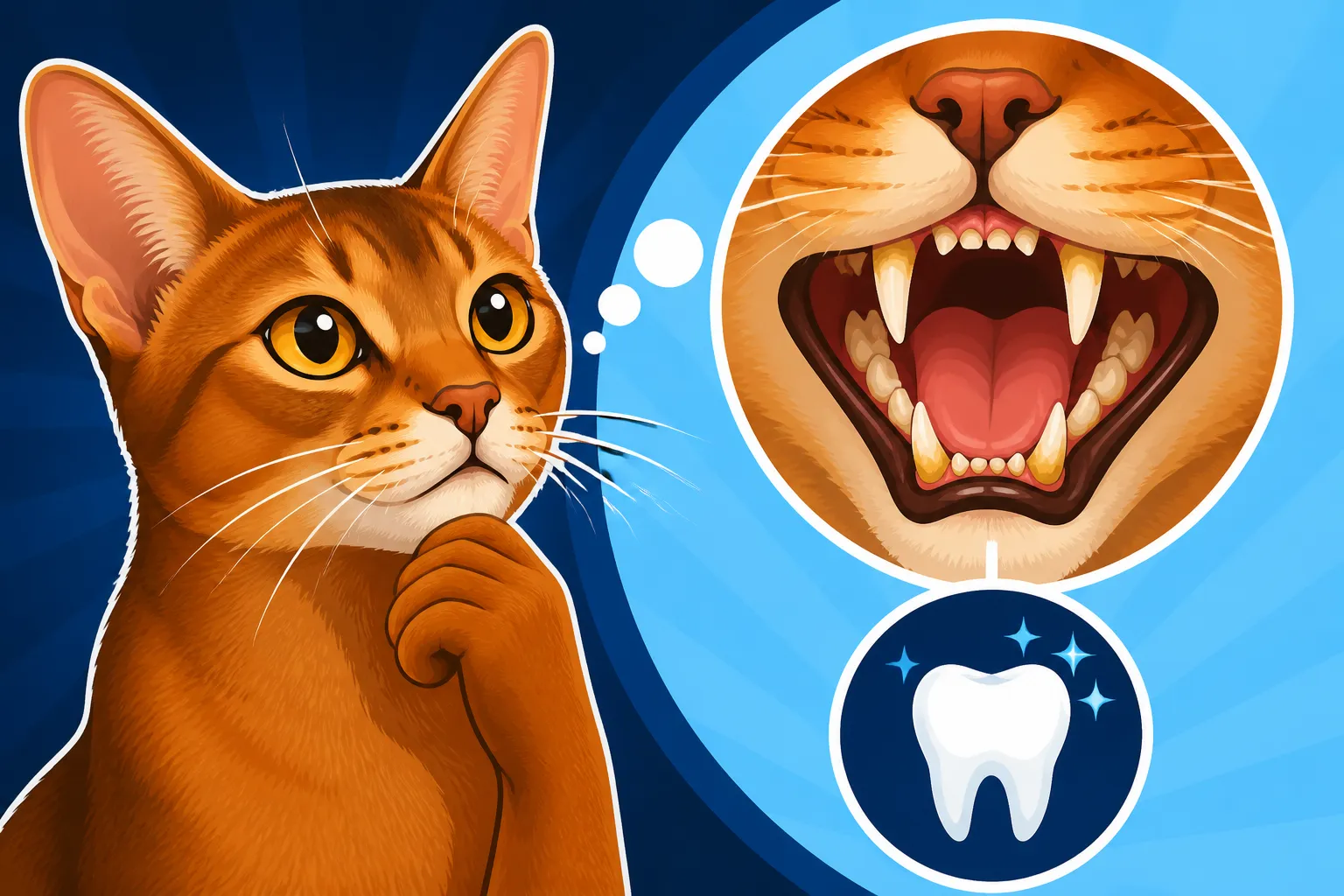
Part of the reason Abyssinians suffer from gingivitis so readily is a predisposition to what’s known as gingival hyperplasia, or gum overgrowth. Their gum tissue, for reasons we don't fully understand, can simply grow too much. Instead of neat, tight gum lines hugging the teeth, the excess tissue starts to cover portions of the tooth surface. This isn't just an aesthetic issue; it creates perfect little pockets and crevices where food particles, bacteria, and plaque love to hide.
These hidden havens are almost impossible to clean effectively with regular brushing, even if you’re a pro at getting your Aby to tolerate a toothbrush. The bacteria proliferate, leading to more inflammation, and the cycle of gingivitis intensifies. It’s like trying to sweep a carpet where the fibers are constantly growing over the dirt. This overgrowth can make eating uncomfortable, as the gums themselves get in the way of proper chewing, and food gets painfully trapped. Understanding How Overgrown Gum Tissue Buries an Abyssinian's Teeth really sheds light on why this is such a persistent problem for the breed. It means that what might be a minor issue for another cat breed becomes a chronic battle for an Abyssinian.
The Connection Between Gum Disease and Tooth Resorption
As if juvenile gingivitis and gingival hyperplasia weren't enough, Abyssinians are also at a higher risk for feline odontoclastic resorptive lesions (FORLs), more commonly known as tooth resorption. This is an incredibly painful condition where the tooth structure itself begins to break down, starting from the outside and working its way in. It's often found at or below the gum line, making it invisible to the untrained eye until it's quite advanced.
The chronic inflammation caused by persistent gum disease, which Abyssinians are so prone to, is thought to play a role in triggering these resorptive lesions. It's like a domino effect: the gingivitis leads to gum overgrowth, which exacerbates the gingivitis, and this ongoing inflammation can then contribute to the breakdown of healthy tooth tissue. These lesions are excruciatingly painful, often described as similar to a severe cavity in humans, but without the possibility of filling. The only effective treatment is extraction of the affected tooth. It’s a devastating progression that highlights Why Tooth Resorption Follows Abyssinian Gum Disease so frequently and why early intervention is so critical.
Recognizing the Signs and Taking Action
Our Abyssinians are masters of disguise, especially when it comes to pain. Their high energy and natural resilience mean they often hide discomfort until a condition is quite advanced, which can be incredibly misleading for us owners. Learning to spot the subtle cues is essential for getting them the help they need before dental problems escalate into severe pain and more expensive interventions.
Subtle Clues Your Abyssinian Is in Dental Distress
It's tempting to think that a cat in pain will cry out or stop eating entirely, but an Abyssinian rarely gives such obvious signals. Instead, you might notice very subtle shifts in their usual effervescent personality. Perhaps they're a little less enthusiastic about their favorite crunchy treats, or they seem to approach their food bowl with hesitation. You might spot them dropping bits of food while eating, almost as if it hurts to chew properly. Some Abyssinians will start tilting their head while eating, trying to favor one side of their mouth.
A tell-tale sign that often surprises owners is changes in their play. If your usually fetch-obsessed Aby is suddenly less interested in chasing toys, or they’re not jumping and climbing with their usual gusto, it could be that the underlying dental pain is making them feel generally unwell or uncomfortable with abrupt movements. Then there’s the classic bad breath. While no cat’s breath smells like roses, truly foul breath, sometimes described as rotten, is a massive red flag. They might also paw at their mouth or drool excessively. Remember, an Aby is wired to keep moving, so a quiet Abyssinian is a sick Abyssinian, and a subtle shift in their eating or playing habits should always prompt a closer look at their mouth. We've explored Why an Abyssinian Drops Food While Eating as a key indicator of dental pain, and it's definitely something to watch for.
The Importance of Early and Frequent Veterinary Checks
Given their unique predisposition to dental issues, routine veterinary checks are not just an annual formality for an Abyssinian; they are a critical line of defense. Your veterinarian is trained to spot the early signs of gingivitis, gum overgrowth, and other problems that you might miss at home. They can assess the overall health of the gums, check for any pockets or inflammation, and look for signs of tooth resorption.
These checks are crucial because early intervention can often prevent more severe problems. If caught early, some gingivitis can be managed with professional cleaning and diligent home care, avoiding the need for extractions later. Don't wait until your Aby is obviously in pain. Proactive monthly checks, especially in kittens and young adults, allow your vet to establish a baseline and quickly identify any concerning changes. This is why we always emphasize Why an Abyssinian's Gums Should Be Checked Monthly as part of a responsible care routine. Think of it as preventative maintenance for their oral health, just like you would for their vaccinations.
Professional Dental Cleanings and Gingivectomies
When home care isn't enough – and for Abyssinians, it often isn't due to their specific challenges – professional dental cleanings become absolutely essential. These aren't just cosmetic procedures; they are vital medical interventions. During a professional dental cleaning, which always takes place under general anesthesia, your veterinarian can thoroughly examine every tooth, probe for pockets under the gum line, and take dental radiographs (X-rays) to check for problems below the gum line, like tooth resorption or root issues, that aren't visible to the naked eye. The teeth are then scaled to remove plaque and tartar, and polished to smooth the enamel, making it harder for new plaque to adhere.
For Abyssinians with significant gingival hyperplasia, a gingivectomy might also be necessary. This procedure involves carefully trimming away the overgrown gum tissue, restoring a healthy gum line and eliminating those hard-to-clean pockets. It directly addresses one of the root causes of their chronic dental issues. While the thought of anesthesia can be daunting, a thorough dental cleaning and potential gingivectomy can provide immense relief from pain and prevent the progression of disease. Yes, these procedures come with a cost, but the alternative of ongoing pain and eventual widespread extractions is far more expensive, both financially and in terms of your cat's quality of life. Many owners find that pet insurance, such as plans from Healthy Paws, can be a huge help in managing these inevitable dental expenses. It really does pay to understand What a Gingivectomy Involves for an Abyssinian before you need one.
Proactive Home Care Strategies for Abyssinian Dental Health
While professional cleanings are often unavoidable for Abyssinians, what you do at home, every single day, is equally critical in managing their unique dental predispositions. Think of it as a partnership: your vet handles the big clean-ups, and you handle the daily maintenance. Neglecting daily care means the professional cleanings will need to be far more frequent, and more aggressive.
The Critical Role of Daily Toothbrushing
I know, I know. Brushing a cat’s teeth sounds like a nightmare to many, but for an Abyssinian, it's genuinely the single most impactful thing you can do at home. Because their gums are so prone to inflammation and overgrowth, mechanical removal of plaque and food particles is paramount. Aim for daily brushing. Yes, daily. Even a few times a week is better than nothing, but daily is the gold standard for this breed.
Start early, when they're kittens, and make it a positive experience with lots of praise and treats. Use a pet-specific toothbrush – a finger brush or a very small, soft-bristled brush works well – and an enzymatic toothpaste formulated for cats. Never use human toothpaste, which contains fluoride and detergents that are toxic to felines. Focus on the outside surfaces of the teeth, especially where the gums meet the tooth, as this is where plaque accumulates most. It might take time and patience, but establishing this routine can significantly slow the progression of gum disease. If you're looking for good quality brushes and cat-friendly toothpastes, online retailers like Chewy offer a wide selection. For a deeper dive into the how-to, check out How to Brush an Abyssinian's Teeth From Day One.
Dietary Considerations to Support Gum Health
What your Abyssinian eats can also play a role in their oral health, though it's important to understand that diet alone cannot prevent or cure dental disease in a predisposed breed like the Aby. However, it can certainly support overall gum health. Many vets recommend a diet rich in moisture for cats, and this holds true for Abyssinians, especially those at risk for kidney issues (a separate but important consideration for the breed). Wet food helps maintain better hydration, which is beneficial for overall health, including the health of oral tissues. It also reduces the amount of dry food particles that can get stuck in those tricky gum pockets, fueling bacterial growth.
While some claim that crunchy kibble “cleans” teeth, the reality is that most kibble shatters upon impact and doesn't provide enough abrasive action to effectively remove plaque from the gum line, where it matters most. For Abyssinians, with their particular gum architecture, hard kibble might even exacerbate discomfort if their gums are already inflamed. Some specialized dental diets exist that are designed to help mechanically clean teeth, but these should always be discussed with your vet. Incorporating high-quality wet food can be a helpful piece of the puzzle. It’s also important to remember Why Wet Food Protects an Abyssinian's Kidneys, which underscores the multifaceted benefits of a moisture-rich diet for this breed.
Beyond Brushing: Other Supportive Measures
While brushing is king, there are other supportive measures that can contribute to your Abyssinian's oral hygiene routine. Water fountains, for example, can encourage increased water intake, which helps flush the mouth and maintain overall hydration. Make sure the water bowls are clean and fresh, as stagnant water is less appealing.
Dental treats can be a bit of a mixed bag. Some are genuinely formulated with ingredients or textures that help reduce plaque and tartar, while others are essentially glorified crunchy snacks. Always look for treats that carry a Veterinary Oral Health Council (VOHC) seal of acceptance, as this indicates they meet standards for efficacy in reducing plaque or tartar. However, these treats are never a substitute for brushing or professional cleanings, especially for a breed as prone to issues as the Abyssinian. Regularly examining your cat's mouth at home, even if it's just a quick peek while they're relaxed, can also help you spot any new redness, swelling, or changes between vet visits. The more vigilant you are, the better chance you have of catching problems early.
Budgeting for Your Abyssinian's Long-Term Dental Needs
Let's be realistic: owning an Abyssinian, while incredibly rewarding, comes with certain financial considerations. Their dental health, unfortunately, often represents one of the most significant ongoing costs in their long-term care. It's not a fun topic, but facing it head-on means you can plan properly and ensure your Aby gets the best possible care without unexpected financial stress.
Understanding the Costs Involved
The reality is that professional dental care, especially with a breed like the Abyssinian that may need it more frequently, can add up. A routine professional dental cleaning, which includes anesthesia, scaling, polishing, and a thorough oral exam, can be a significant expense. If your Abyssinian needs additional procedures, such as dental X-rays to check for tooth resorption, extractions of diseased teeth, or a gingivectomy to address overgrown gums, the costs will increase. Multiple extractions or complex gum surgeries can certainly run into a substantial sum.
It's tempting to think about delaying these procedures to save money in the short term, but this is a false economy. Untreated dental disease can lead to chronic pain, difficulty eating, weight loss, and even systemic infections that impact other organs like the heart and kidneys. Treating these secondary issues can be far more costly and invasive than addressing the primary dental problem. Many owners are genuinely shocked by What an Abyssinian Dental Cleaning Costs, but it's important to remember that you're paying for specialized veterinary expertise, anesthetic monitoring, and advanced equipment.
The Value of Pet Insurance for Dental Coverage
This is where pet insurance truly shines for Abyssinian owners. Given the breed's propensity for dental issues, a comprehensive pet insurance plan can be a lifesaver for your budget and your cat's health. Most pet insurance policies, particularly those focused on accidents and illnesses, will cover the costs associated with treating dental disease, including professional cleanings, extractions, and gingivectomies, as long as the condition isn't pre-existing before you enroll. Some providers, like Healthy Paws, offer plans that help manage the costs of unexpected illnesses and accidents, which dental procedures often fall under.
It’s crucial to research different plans and understand what they cover regarding dental care, as some might have limitations or require a separate wellness add-on for routine cleanings. However, knowing that a significant portion of a multi-thousand-dollar dental bill could be reimbursed can provide immense peace of mind. It allows you to make medical decisions based on your cat's needs, not solely on your wallet. For a breed with such specific vulnerabilities, enrolling in pet insurance when they are young and healthy, before any dental issues arise, is one of the smartest financial decisions you can make.
Why Proactive Care Saves Money (and Pain) in the Long Run
While the upfront cost of frequent brushing, regular vet checks, and professional cleanings might seem high, consider the alternative. Neglecting an Abyssinian's dental health almost guarantees more severe problems down the road. A tooth that could have been saved with an early cleaning might eventually need a costly extraction due to advanced decay or resorption. Untreated gingivitis can progress to periodontitis, which can lead to bone loss in the jaw and even more complex surgical interventions.
Preventative care means fewer emergency visits, less extensive (and therefore less expensive) procedures, and a significantly reduced chance of your cat experiencing prolonged pain or secondary health issues. It's a fundamental principle of pet ownership that Why an Abyssinian's Lifetime Cost Dwarfs Its Purchase Price largely comes down to ongoing health management, and dental care is a prime example of where a proactive approach truly pays dividends. Not only does it save you money in the long run by avoiding major crises, but it also ensures your energetic Abyssinian maintains their zest for life, free from the silent agony of dental disease.
| Dental Care Approach | Typical Scenario | Estimated Cost | Long-Term Outcome |
|---|---|---|---|
| Proactive Care | Daily brushing, annual vet checks, professional cleaning every 1-2 years | Moderate, consistent expense | Healthy gums, minimal extractions, reduced pain, good quality of life |
| Reactive Care | Address issues only when pain or bad breath is severe | High, infrequent, often emergency expense | Advanced disease, multiple extractions, significant pain, risk of systemic infection |
Disclaimer
This article is for general informational purposes only and does not constitute professional advice. Laws, prices and regulations vary by location and change over time. Consult a qualified professional for guidance on your specific situation.