What a Gingivectomy Costs on an Abyssinian Kitten
It's absolutely heartbreaking when you notice your playful Abyssinian kitten, full of boundless energy, suddenly hesitates to eat or starts pawing at its mouth. Juvenile gingivitis, a condition where a kitten's gums become inflamed and overgrown, is a silent distress for many Abyssinian owners, often requiring a procedure called a gingivectomy. This guide will walk you through what this procedure involves, why it's necessary for your little one, and the costs associated with getting your beloved Abyssinian kitten back to purr-fect health.
Understanding Juvenile Gingivitis in Abyssinian Kittens
Abyssinian kittens are, unfortunately, predisposed to a particular type of gum inflammation known as juvenile gingivitis. It's not just a little redness; this can be a serious condition that impacts their ability to eat, play, and just generally be a happy cat. The breed's unique genetics, combined with the rapid changes happening in a young cat's mouth as their adult teeth erupt, can create a perfect storm for gum overgrowth and inflammation. It's a source of worry for many new Aby parents, and rightly so, because it can be quite uncomfortable for the kitten.
Why Abyssinian Kittens Are Prone to Gum Issues
Let's be frank: Abyssinian kittens are not just any kittens. They have a specific genetic makeup that can make them more susceptible to certain health issues, and their dental health is definitely one of them. While we often associate gum disease with older cats, Abyssinians can experience significant problems at a very young age, sometimes as early as six months old. It's almost as if their vibrant energy and sleek appearance belie an underlying dental sensitivity. The gum tissue can become swollen and proliferative, meaning it actually starts to grow excessively, partially covering the teeth. This creates little pockets where food particles and bacteria can easily get trapped, leading to further inflammation and pain. Why Abyssinian Gum Trouble Starts at Six Months explores this phenomenon in more detail, explaining the unique challenges these kittens face.
Recognizing the Signs That Your Kitten Needs Help
Catching juvenile gingivitis early is so important, but it can be tricky because Abyssinians are notorious for hiding discomfort. They’re such stoic, energetic little beings that they might try to push through the pain, making it harder for you to notice something is amiss. However, there are still some key indicators to watch out for. You might see a noticeable redness or swelling along the gum line, particularly where the gum meets the tooth. Sometimes, their breath might develop an unusually foul odor, which is often a strong sign of infection or inflammation. You might also observe changes in their eating habits: perhaps they start dropping food, chew only on one side of their mouth, or become hesitant to eat hard kibble. They might even become a bit more withdrawn or irritable, which is very unlike the typical lively Abyssinian. Don't dismiss these subtle cues; they're your kitten's way of telling you they're in pain. If you suspect anything, a quick check by your vet is always the best course of action. When an Abyssinian Kitten's Gums First Go Red offers more signs to look for.
The Importance of Early Intervention
Ignoring signs of gum inflammation in your Abyssinian kitten is never a good idea. This isn't just a temporary issue that will resolve itself. Without intervention, juvenile gingivitis can quickly escalate. The overgrown gum tissue, as mentioned before, becomes a haven for bacteria, leading to more severe periodontal disease, persistent pain, and even tooth loss down the line. Imagine trying to eat your favorite meal with a constant ache in your mouth! For an active, food-motivated cat like an Abyssinian, this can significantly impact their quality of life. Early treatment, often involving a gingivectomy, can remove the excess tissue, reduce inflammation, alleviate pain, and prevent more serious and costly complications from developing. It sets your kitten up for a lifetime of better oral health and ensures they can continue to enjoy their food and playful antics without discomfort.
What a Gingivectomy Entails for Your Abyssinian Kitten
So, you’ve noticed the signs, and your vet has confirmed that your precious Abyssinian kitten needs a gingivectomy. It sounds daunting, doesn't it? The thought of your little one undergoing surgery can be terrifying, but understanding the process can really help ease your mind. It's a common and effective procedure when performed by an experienced veterinary professional.
The Veterinary Consultation and Initial Assessment
Before any procedure, your vet will conduct a thorough examination of your kitten. This isn't just a quick look in the mouth; it’s a comprehensive health check. They'll assess your kitten's overall health, listen to their heart and lungs, and discuss their medical history. Crucially, they’ll recommend pre-anesthetic blood work. This isn't an optional extra; it's a vital step to ensure your kitten is healthy enough for anesthesia and to identify any hidden issues that could complicate the surgery. Things like liver or kidney function need to be optimal for safe anesthesia and recovery. Your vet will also take the time to explain the procedure, answer all your questions, and discuss potential risks, however small. They might show you exactly How Overgrown Gum Tissue Buries an Abyssinian's Teeth and why it's a problem. This is also a good opportunity to talk about costs and what the estimate includes.
The Gingivectomy Procedure Itself
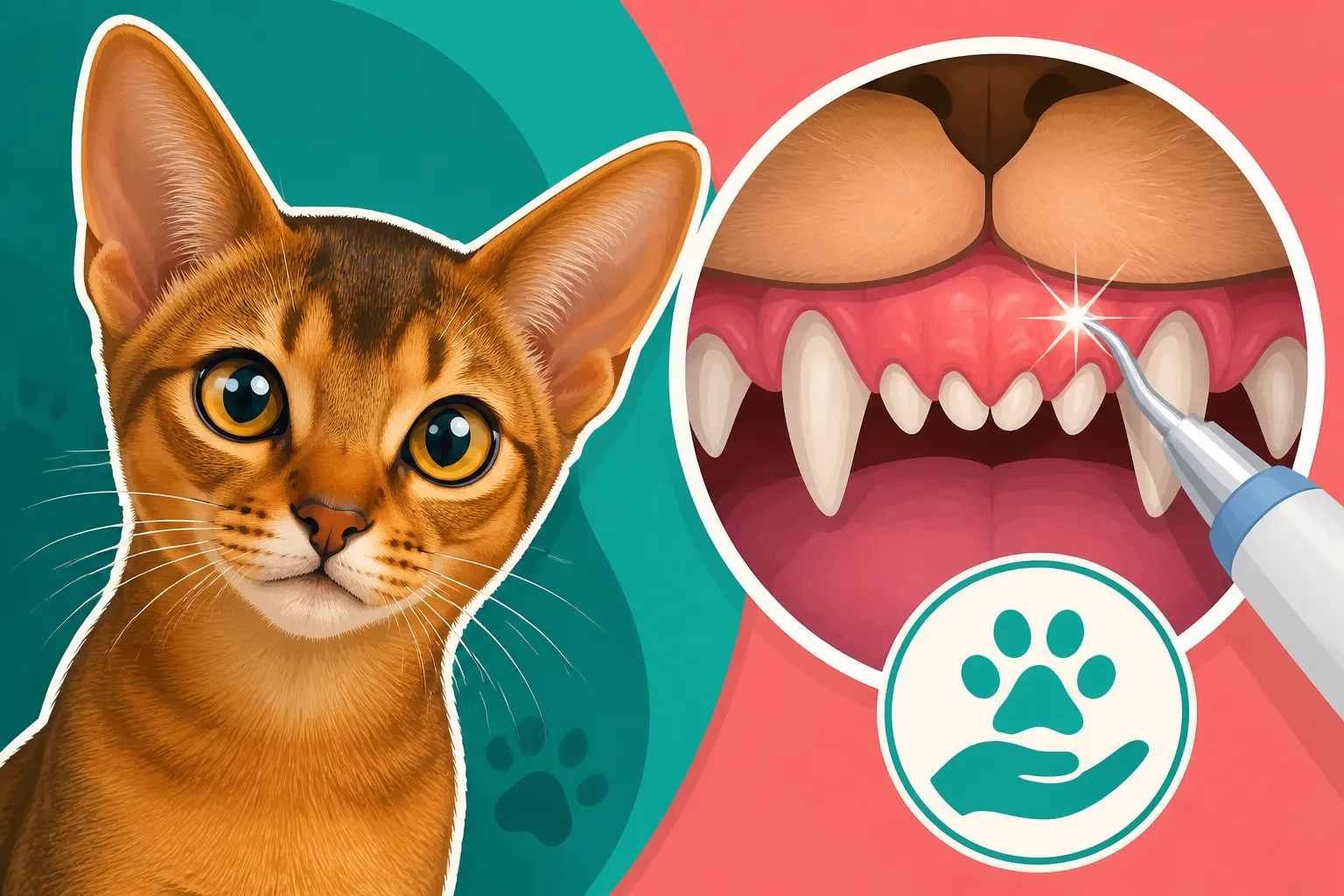
When it's time for the gingivectomy, your kitten will be placed under general anesthesia. This is a crucial step that ensures they feel no pain and remain still throughout the procedure, allowing the vet to work precisely and safely. Once anesthetized, the vet will carefully examine your kitten’s mouth again, sometimes even taking dental X-rays to check the health of the teeth and bones beneath the gum line, as problems can extend beyond what's visible. The gingivectomy itself involves the careful removal of the excess gum tissue using specialized instruments, which could include a scalpel, electrosurgery, or even a laser. The goal is to trim the gums back to a healthy, normal contour, eliminating those pockets where bacteria thrive. This procedure is designed to alleviate the overcrowding of gum tissue and allow the teeth to be properly cleaned and maintained. What a Gingivectomy Involves for an Abyssinian details the clinical steps. Your vet might also send a sample of the removed tissue to a lab for histopathology, just to rule out any other underlying conditions, which adds a layer of reassurance.
Post-Operative Care and Recovery
Bringing your kitten home after surgery requires a bit of tender loving care. They might be a little groggy from the anesthesia, and their mouth will likely be sore. Your vet will prescribe pain medication to keep them comfortable and possibly antibiotics to prevent infection. It's really important to administer these exactly as directed. For the first few days, a soft food diet will be essential. Imagine trying to crunch kibble with a sore mouth – not fun! You might consider feeding them a high-quality wet food, or even softening their regular kibble with warm water. You'll also need to monitor their appetite, water intake, and general demeanor. Follow-up appointments are usually scheduled to check on the healing process and ensure there are no complications. It’s all about creating a calm, supportive environment for your little warrior to recover in.
The Financial Aspect: Breaking Down the Costs of a Gingivectomy
Let's talk about the elephant in the room: the cost. Veterinary care, especially specialized procedures like a gingivectomy, can feel like a punch to the gut when you see the bill. It's a genuine frustration for many pet owners, who just want their furry family member to be healthy but also need to be realistic about their finances. While I can't give you exact figures, I can certainly illuminate the various components that contribute to the total expense, helping you understand where your money is going and why.
Components of the Total Bill
A gingivectomy isn't just one charge; it's a package of services and supplies, each with its own associated cost. Here’s a breakdown of what you can typically expect to see on your bill:
- Initial Consultation and Exam: Even if you're already a client, there's usually a charge for the focused exam leading up to the procedure.
- Pre-Anesthetic Blood Work: This is non-negotiable for safety. It assesses organ function and screens for underlying conditions.
- Anesthesia: The cost of the anesthetic drugs, the equipment used, and the monitoring by veterinary staff during the procedure. This is usually charged by time, so longer procedures can cost more.
- Dental X-rays: Often necessary to check for issues below the gum line.
- The Gingivectomy Procedure Itself: This covers the vet's time, skill, and the specialized instruments used to remove the overgrown tissue. How a Vet Removes an Abyssinian's Excess Gum often requires precision tools.
- Medications: Pain relief and antibiotics for post-operative care.
- Histopathology: If gum tissue samples are sent to a lab for analysis, there will be an additional lab fee. Why an Abyssinian's Gingivectomy Sample Goes to a Lab explains the importance of this step.
- Follow-up Visits: To monitor healing and remove any sutures if needed.
Here’s a simplified look at how these charges stack up:
| Cost Component | Description | Influence on Total Cost |
|---|---|---|
| Pre-Anesthetic Work | Blood tests, physical exam before surgery | Essential, adds a foundational cost |
| Anesthesia & Monitoring | Drugs, equipment, vet tech time during procedure | Variable, depends on duration and complexity |
| Dental X-rays | Imaging to assess underlying tooth/bone health | Often a separate, per-image or flat fee |
| Gingivectomy Procedure | Vet's surgical time and use of specialized tools | Main procedural cost, highly variable by severity |
| Post-Op Medications | Pain relief, antibiotics for home care | Standard addition, usually a smaller fixed amount |
| Lab Analysis (Optional) | Histopathology of removed tissue | Additional fee if samples are sent out |
| Follow-up Appointments | Re-checks to ensure proper healing and address concerns | Typically included in the initial estimate, or separate |
Factors That Influence the Price
The total cost can vary quite a bit, depending on several factors. Where you live plays a big role; vet costs in a major metropolitan area will often be higher than in a rural setting, simply due to overheads. The specific veterinary clinic also matters – a specialist veterinary dentist may charge more than a general practice vet, though their expertise might be invaluable for complex cases. The severity of your kitten's gingivitis is another key factor; a more extensive overgrowth will naturally require more time and resources, driving up the cost. Your kitten’s age and overall health can also influence the complexity of the anesthesia and thus the price.
Managing the Expense
Seeing that breakdown can be a bit overwhelming. But there are ways to manage these expenses. Firstly, pet insurance can be a lifesaver. Companies like Healthy Paws offer comprehensive plans that can cover a significant portion of unexpected veterinary costs, including surgical procedures like a gingivectomy, especially if you enroll your kitten before any pre-existing conditions are identified. Why to Insure an Abyssinian Before Its First Birthday highlights the benefits of early enrollment.
Many vet clinics also offer payment plans or work with third-party financing options to help spread out the cost over time. Don't hesitate to ask your vet about these options. And remember, investing in proper preventative care now can save you a lot of money and heartache down the road. Regular check-ups and diligent home dental care are crucial. Why an Abyssinian Dental Care Is a Yearly Budget Line for good reason, because dental health is that important throughout their lives.
Beyond the Procedure: Long-Term Dental Health for Your Abyssinian
A gingivectomy is an important step, but it's not a magic bullet that ends all dental worries for your Abyssinian kitten. Think of it as hitting the reset button. The real work of maintaining healthy gums and teeth starts the day they come home from the vet, post-procedure. Abyssinians are prone to these issues, and without ongoing care, the problem could unfortunately recur. This breed's high energy and love for exploring every corner of your home means they need to feel their absolute best to truly thrive, and that includes a healthy, pain-free mouth.
Ongoing Home Care and Professional Cleanings
This is where you step in as the primary guardian of your Aby's dental health. Brushing your Abyssinian's teeth regularly is, without a doubt, the most effective thing you can do at home. I know, I know, it sounds impossible to brush a cat's teeth, especially an active Abyssinian! But starting early and making it a positive, consistent routine can make a world of difference. Use a soft-bristled, cat-specific toothbrush and enzymatic toothpaste (never human toothpaste!). Brands like Chewy often carry a variety of cat dental care products, including different toothbrushes and flavors of enzymatic toothpaste your cat might tolerate. How to Brush an Abyssinian's Teeth From Day One offers practical tips for making this a success.
Beyond daily brushing, regular professional dental cleanings at your vet will be crucial. Even with the best home care, plaque and tartar can build up, and your vet can perform a thorough scaling and polishing under anesthesia, inspecting for any new issues. How Often an Abyssinian Needs a Professional Clean depends on individual needs, but for a breed prone to dental issues, it might be more frequent than for other cats.
Preventing Recurrence and Further Issues
After a gingivectomy, the goal is to prevent the gum overgrowth and inflammation from returning. Diet plays a significant role. While dry kibble alone isn't a substitute for brushing, some veterinary dental diets are designed to help reduce plaque and tartar buildup. High-quality wet food is also beneficial for overall oral health and hydration, which is important for any cat. Consider discussing specific dietary recommendations with your vet. Also, ensure your kitten has appropriate chew toys that are safe for cats and designed to promote dental health. Avoid anything too hard that could chip a tooth. Regular oral examinations at home, even if it's just a quick peek while they're relaxing, can help you catch early signs of redness or swelling before they become major problems. Remember, consistency in care is key for these active, intelligent felines.
The Value of a Comprehensive Pet Insurance Plan
We’ve talked about the costs, and let's face it, they can add up quickly, especially with a breed like the Abyssinian that has specific health considerations. This is where pet insurance truly shines as an investment in your peace of mind and your kitten's long-term health. A good pet insurance plan, like those offered by Healthy Paws, can cover a significant portion of unexpected veterinary bills, not just for a gingivectomy, but for other illnesses and accidents throughout your cat's life.
Think about it: after a gingivectomy, there's always the possibility of needing further dental care or even other medical interventions due to breed predispositions like Renal Amyloidosis Is the Abyssinian Problem Nobody Can Test For. Having insurance means you can make decisions based on what's best for your Abyssinian kitten, rather than being solely driven by financial concerns. It creates a safety net, allowing you to focus on your cat's recovery and happiness without the added stress of a hefty vet bill looming over you. It's a proactive step that can make a huge difference in managing the lifetime costs of owning one of these magnificent, but sometimes medically complex, cats.
Disclaimer
This article is for general informational purposes only and does not constitute professional advice. Laws, prices and regulations vary by location and change over time. Consult a qualified professional for guidance on your specific situation.