Why an Abyssinian Is Not Cheaper to Own
It’s a common misconception, isn't it? You look at an Abyssinian, with their sleek, short coat and athletic build, and you might think, "Surely a smaller, short-haired cat must be cheaper to own than a long-haired behemoth or a giant breed!" After all, less fur, less grooming, right? But the truth is, while an Abyssinian might not come with the astronomical grooming bills of a Persian or a Maine Coon, their unique personality, high energy levels, and breed-specific health considerations mean that owning one is anything but cheap. This guide will walk you through the real financial picture of bringing an Abyssinian into your home, helping you understand why these magnificent, active felines demand a significant, ongoing investment.
The Upfront Investment: More Than Just the Kitten's Price Tag
When you first decide on an Abyssinian, the sticker price of the kitten itself is just the beginning of your financial journey. Many people focus solely on that initial cost, but savvy prospective owners quickly learn it's only a fraction of the total investment. These are not "bargain basement" cats, and for good reason.
Why Quality Breeders Charge What They Do
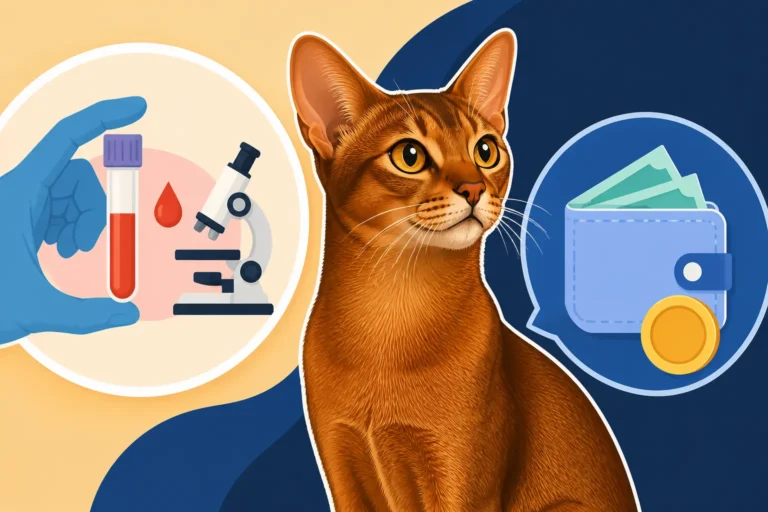
Reputable Abyssinian breeders invest a tremendous amount into their lines, and this is directly reflected in the purchase price of a kitten. They perform essential genetic testing for breed-specific conditions like Pyruvate Kinase Deficiency (PKD) and Progressive Retinal Atrophy (PRA-rdAc). They also ensure their breeding cats are healthy, well-fed, and receive regular veterinary care, including vaccinations and deworming. This meticulous approach helps ensure you're getting a healthy, well-socialized kitten that has the best possible start in life.
Think about it: a breeder who cuts corners on health testing might offer a "cheaper" kitten, but you could be inheriting a lifetime of expensive veterinary bills for conditions that could have been screened for. It's truly a false economy. They also socialize their kittens extensively, preparing them for life in a busy household, which is invaluable. When you bring home an Abyssinian, you're not just buying a cat; you're often buying years of careful breeding, health clearances, and early socialization. This is why you'll often see prices that seem high compared to a shelter cat, but remember, the value is in the peace of mind and the foundation laid. You'll want to review The Test Results an Abyssinian Breeder Owes You to understand what good breeders provide.
Essential Initial Supplies for an Abyssinian
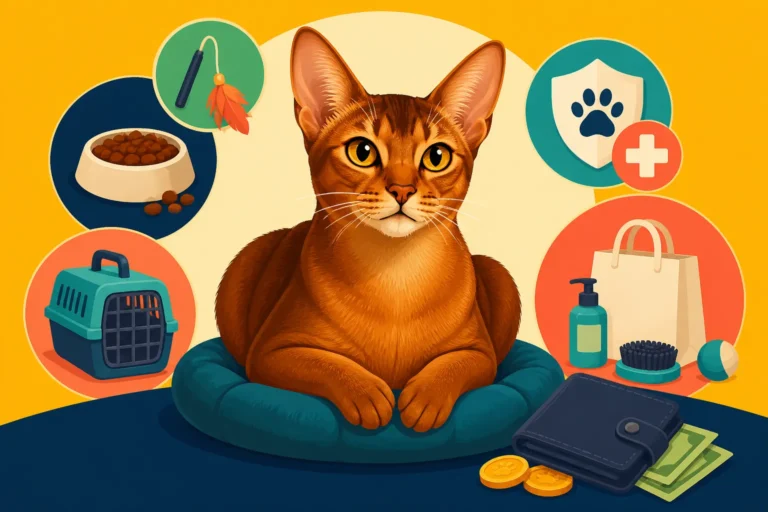
Beyond the kitten's purchase, you'll need to outfit your home to welcome such an active and intelligent creature. This isn't just a food bowl and a litter box; Abyssinians have specific needs that require thoughtful, and often more expensive, purchases.
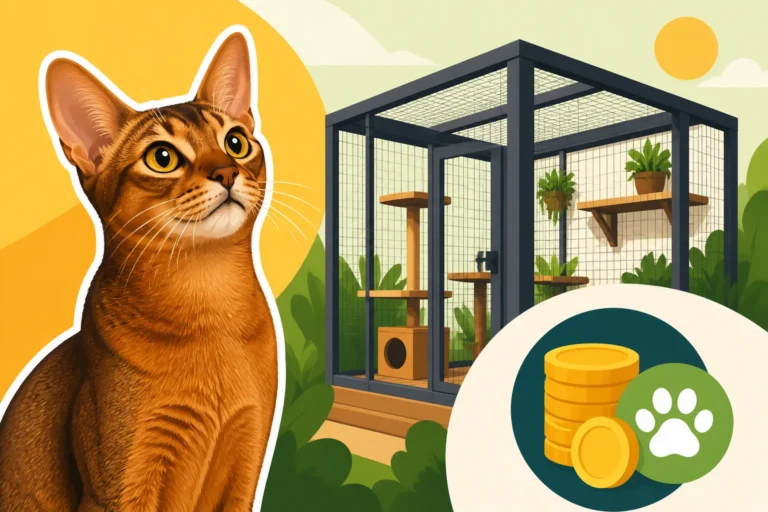
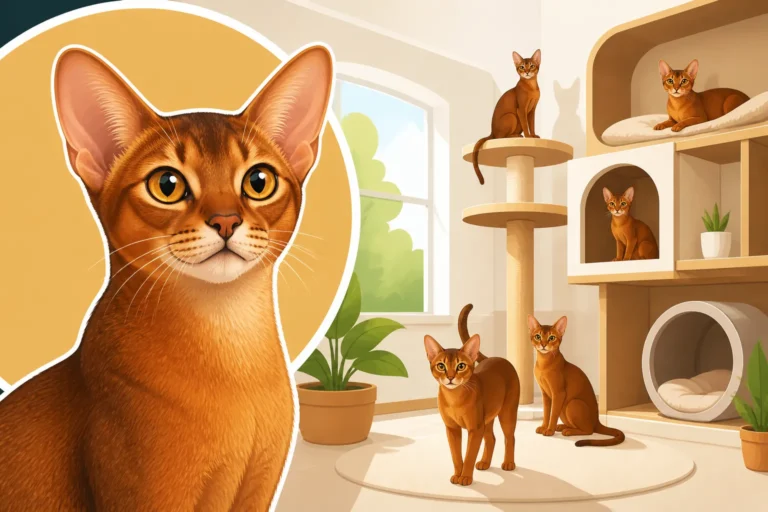
First, consider vertical space. Abyssinians are climbers, jumpers, and explorers by nature. They crave height. This means investing in sturdy, tall cat trees, wall-mounted shelves, and perhaps even a catio if your space allows for outdoor enrichment. These items are generally more expensive than a simple scratching post and a small bed. A cheap, wobbly cat tree simply won't stand up to an Abyssinian's boundless energy and will be a safety hazard.
Then there's the array of toys. Abyssinians are incredibly intelligent and get bored easily. They need a constant rotation of puzzle feeders, interactive toys, wand toys, and things they can chase, bat, and "hunt." Quality, durable toys that can withstand an Abyssinian's rough play are an investment. They'll also need a comfortable, spacious carrier for vet visits and travel, grooming supplies (even a short-haired cat needs a good brush and nail clippers!), and of course, quality food bowls and litter boxes. What an Abyssinian Costs to Keep Every Year will shed more light on these recurring costs.
Ongoing Health and Dental Expenses
This is where the idea of an Abyssinian being "cheaper" really falls apart. While all cats need veterinary care, Abyssinians have certain predispositions that can lead to significant ongoing health costs.
The Realities of Abyssinian Dental Care
Many Abyssinian owners will tell you that dental care is their biggest recurring vet expense, and they aren't wrong. This breed is unfortunately prone to severe and early-onset dental issues, particularly juvenile gingivitis and tooth resorption. Imagine a kitten, barely six months old, already needing a gingivectomy because their gums are aggressively overgrowing their teeth. This isn't rare; it's a known breed trait.
Left untreated, these issues can lead to painful infections, difficulty eating, and ultimately, tooth loss. Regular professional dental cleanings under anesthesia are often required yearly, or even more frequently for some individuals. These procedures are not cheap, and they often include blood work, x-rays, and extractions. Brushing your Abyssinian's teeth at home from a young age is crucial for prevention, but even with the best home care, many Abyssinians will still need significant professional dental intervention throughout their lives. This is precisely Why Abyssinian Dental Work Is the Biggest Line in the Budget.
Managing Breed-Specific Health Concerns
Beyond dental issues, Abyssinians are genetically predisposed to a few other conditions that can necessitate ongoing veterinary care. Renal amyloidosis is a particularly devastating kidney disease that can affect Abyssinians at a tragically young age. Unlike PK Deficiency or PRA-rdAc, there is no genetic test for amyloidosis. This means careful monitoring of kidney values through regular blood and urine tests becomes even more critical, sometimes starting when they are surprisingly young. While early detection can help manage the disease, treatment can involve special diets, medications, and subcutaneous fluids, all of which add up. Renal Amyloidosis Is the Abyssinian Problem Nobody Can Test For goes into this in more detail.
Other potential health considerations include patellar luxation (slipping kneecaps), which can require surgery in severe cases, and hyperthyroidism as they age. While not every Abyssinian will develop these conditions, the increased risk means you need to be prepared for the possibility of specialized vet visits, diagnostic tests, medications, and potentially surgeries.
Many Abyssinian owners find that pet insurance becomes not just a "nice to have," but an absolute necessity to manage these potential costs. Companies like Healthy Paws offer coverage options that can help cushion the blow of unexpected veterinary emergencies or chronic conditions.
Enrichment and Environmental Needs
An Abyssinian isn't a couch potato, and trying to treat them like one will likely lead to a very unhappy cat and potentially, a very damaged home. Their high intelligence and boundless energy require constant mental and physical stimulation. This means investing in their environment to keep them entertained and out of trouble.
The Cost of Keeping a Busy Cat Busy
If an Abyssinian gets bored, they will find ways to entertain themselves, and those ways are rarely conducive to a tidy, undamaged home. They're notorious for opening cabinets, exploring forbidden shelves, climbing curtains, and generally "redecorating" if not properly stimulated.
This translates into a need for high-quality, engaging enrichment. We're talking about robust cat trees that can handle an aerial assault, sturdy wall shelves that allow them to survey their kingdom from above, and puzzle feeders that challenge their clever minds. Consider An Abyssinian Needs Height More Than It Needs Floor as a guiding principle for your home setup. These items aren't cheap, especially if you're buying quality products that will last more than a few weeks under an Abyssinian's enthusiastic attention.
You'll also find yourself replacing toys more often than with other breeds. An Abyssinian will absolutely tear through flimsy toys. Investing in durable, interactive toys that can withstand rigorous play is a must. And remember, the best "toy" for an Abyssinian is often you! They thrive on interactive play sessions, which, while free in terms of cost, demand a significant investment of your time and energy.
Preventing Destructive Behavior
A bored Abyssinian can be a destructive Abyssinian. They might chew on wires, knock items off shelves, or even try to get into places they shouldn't, like your pantry or medicine cabinet. Child-proofing your home takes on a new meaning when you own an Abyssinian. This might involve buying cabinet locks, cable protectors, or even investing in furniture that can withstand a determined climber. This isn't about luxury; it's about safeguarding your home and your cat's safety. As we discussed in Why an Abyssinian Destroys Cheap Furniture Faster, investing in durable items upfront can actually save you money in the long run by preventing frequent replacements or costly repairs.
Dietary Demands and Nutritional Support
You might assume that a smaller cat eats less, therefore costing less to feed. While an Abyssinian doesn't consume the sheer volume of a Maine Coon, their high metabolism and unique physiological needs often mean they require high-quality, nutrient-dense food, which can be more expensive.
Fueling a High-Energy Metabolism
Abyssinians are lean, active athletes. They burn through calories at an impressive rate, which means they often need more calories per pound of body weight than a less active cat. This isn't a breed that will thrive on generic, low-quality kibble. They need a diet rich in animal protein to support their muscle mass and energy levels.
Many Abyssinian owners opt for premium kibble, often supplemented with wet food to ensure adequate hydration. Wet food is particularly important for this breed given their predisposition to kidney issues like amyloidosis. Ensuring good water intake is a key preventive measure. Specialized formulas or fresh food options can cater to an Abyssinian's needs, albeit at a higher price point. What to Feed an Abyssinian That Never Stops Moving explains this in detail.
Managing Dietary Needs for Health Conditions
If your Abyssinian does develop a health condition, such as early-stage kidney disease or inflammatory bowel disease (which can sometimes manifest with their sensitive systems), their diet may need to be specifically formulated. Therapeutic diets prescribed by veterinarians are typically more expensive than over-the-counter options. These diets are carefully balanced to support organ function or manage digestive issues, and they are not a place to cut corners financially.
It’s crucial to understand that while an Abyssinian might be sleek and comparatively small, their nutritional needs are robust and specific, often leading to a higher monthly food bill than you might anticipate for a cat of their size. Why an Abyssinian Eats More Than a Bigger Cat clarifies this paradox.
Why an Abyssinian Is Not Cheaper to Own: A Summary
To truly illustrate why the idea of an Abyssinian being a "cheaper" cat is a myth, let's break down some common misconceptions versus the reality of their care costs.
| Perceived Lower Cost | Actual Higher Cost for Abyssinians |
|---|---|
| "Short hair = low grooming costs" | True, minimal coat grooming. However, high dental costs for routine cleanings, extractions, and potential gingivectomies due to breed predisposition. |
| "Smaller cat = less food" | They may eat less volume than giant breeds, but their high metabolism demands calorie-dense, high-quality, often wet food (more expensive per serving) to support energy levels and kidney health. |
| "Active cat = less worry about obesity" | Their boundless energy means they need extensive mental and physical stimulation. This requires significant investment in durable cat trees, wall shelves, and a constant rotation of engaging, often more expensive, interactive toys to prevent boredom and destructive behavior. |
| "Healthy breed if from good breeder" | Good breeders screen for PK Deficiency and PRA-rdAc, but Abyssinians are still prone to other conditions like renal amyloidosis (no genetic test), patellar luxation, and early-onset dental disease. This necessitates frequent vet check-ups and potentially expensive specialized care throughout their lives. |
| "Just a cat, normal vet visits" | Standard vet visits, yes, but often more frequent dental procedures, kidney monitoring, and potentially specialist consultations for breed-specific issues mean higher annual veterinary expenses compared to many other breeds or domestic cats. Pet insurance is often highly recommended. |
| "Looks easy to care for" | Their intense curiosity and intelligence mean your home needs to be thoroughly cat-proofed, often requiring locks on cabinets and safe storage for medications and chemicals, to prevent them from getting into trouble and causing expensive damage or requiring emergency vet visits. |
The truth is, while Abyssinian cats are absolutely delightful, engaging, and loving companions, they are not a low-cost pet option. Their specific needs—from specialized dental care and careful health monitoring to extensive environmental enrichment and high-quality nutrition—all contribute to an ongoing financial commitment that easily surpasses that of many other cat breeds. Before welcoming an Abyssinian into your home, it's wise to budget not just for the initial purchase, but for a lifetime of dedicated care that truly allows them to thrive.
Disclaimer
This article is for general informational purposes only and does not constitute professional advice. Laws, prices and regulations vary by location and change over time. Consult a qualified professional for guidance on your specific situation.