Why Adult Abyssinians End Up in Rescue
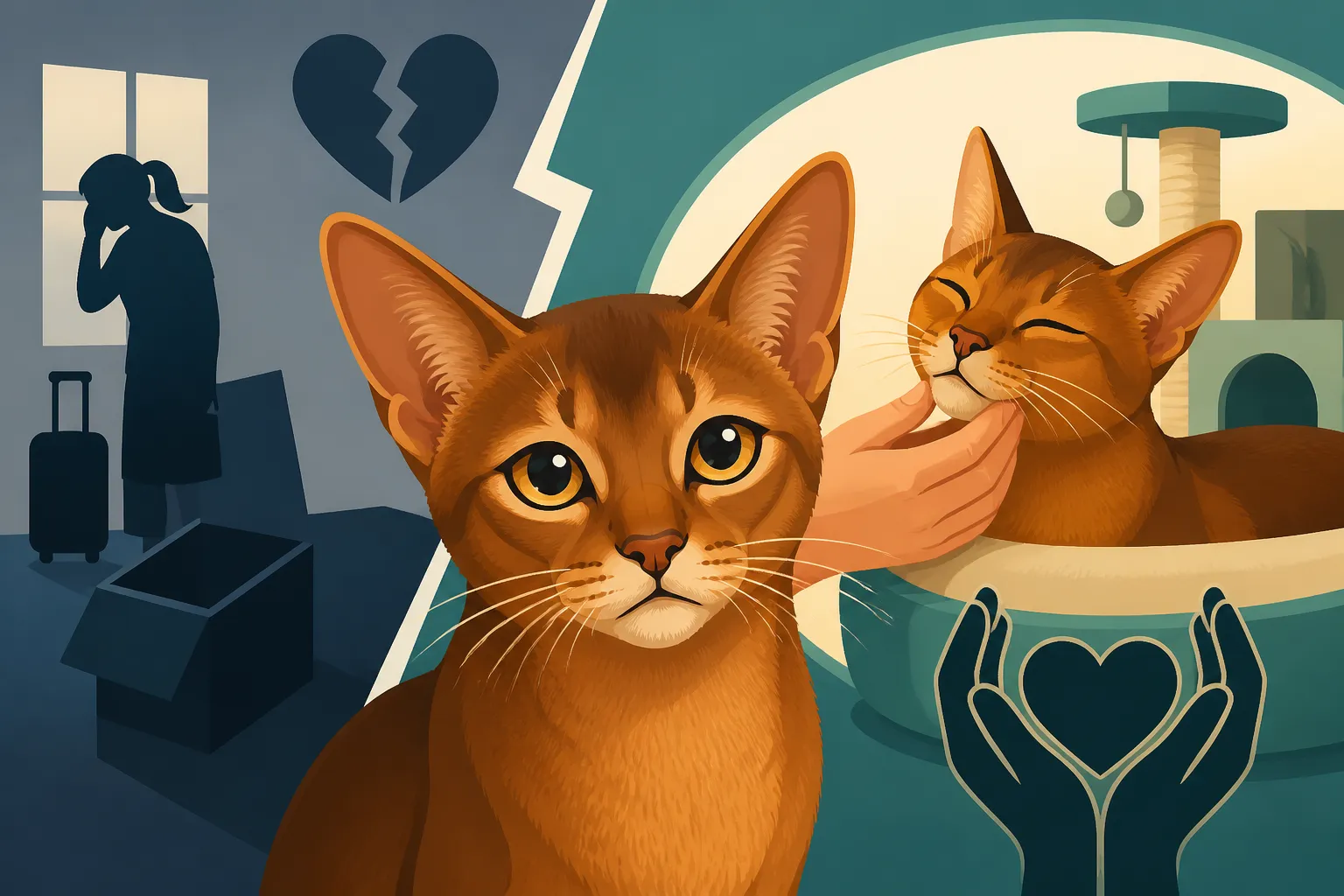
It's always heartbreaking to hear about an adult Abyssinian ending up in rescue. These magnificent, intelligent creatures are so full of life, and yet, the unfortunate reality is that many find themselves displaced through no fault of their own. This guide aims to shed light on the common reasons why adult Abyssinians might need a new home, helping prospective owners understand the breed better and current owners recognize potential pitfalls, ultimately reducing the number of Aby's looking for their second chance.
The Misunderstood Abyssinian Temperament
One of the primary reasons adult Abyssinians end up in rescue is a fundamental misunderstanding of their unique personality and needs. People are often drawn to their striking looks and active nature but don't always grasp the full extent of what owning such a vibrant cat entails. They are not your typical lounging lap cat, and that can come as quite a shock.
The "Busy Cat" Surprise
Many first-time Abyssinian owners quickly realize they've brought home a whirlwind, not a quiet companion. Abyssinians are often called the "Clowns of the Cat World" or compared to dogs because of their playful, inquisitive, and highly interactive nature. They don't just exist in your home; they participate in everything you do. From monitoring your kitchen activities to "helping" you with paperwork, an Abyssinian wants to be involved. This constant presence and demand for attention, while endearing to some, can be utterly overwhelming for others who expected a more independent feline.
Imagine trying to work from home with an Aby who constantly bats at your pen, attempts to "help" type on your keyboard, or insists on climbing your shoulder for a better view of your screen. This isn't occasional mischief; it's their daily modus operandi. They are incredibly smart and driven by curiosity, which means if something is happening, they want to be at the center of it. This isn't a cat you can easily ignore, and for individuals or families leading busy lives who envisioned a calm, decorative pet, the reality of an Abyssinian can quickly become too much to handle. You might find yourself saying, "My cat never stops moving!" and you wouldn't be wrong. The Abyssinian Is the Busiest Cat in the House is a common sentiment for a reason.
This high level of activity isn't just about play; it's about mental engagement too. An Abyssinian needs outlets for its sharp mind, and without them, that boundless energy can turn into less desirable behaviors. Owners who aren't prepared for this level of engagement often find themselves frustrated, leading to a breakdown in the human-animal bond and, sadly, the cat ending up in a shelter.
A Need for Constant Engagement
Beyond just being busy, Abyssinians have an innate need for constant mental and physical stimulation. They aren't content to simply chase a laser pointer for five minutes and then nap for the rest of the day. They require multiple, interactive play sessions throughout the day, puzzle toys, and a stimulating environment that caters to their climbing instincts. If an Abyssinian is bored, they will find ways to entertain themselves, and those ways are often not in line with human household rules.
This can manifest as destructive behaviors: scratching furniture, knocking items off shelves (often just to watch them fall!), opening cabinets, or generally "rearranging" your home. Owners might attribute this to naughtiness, but it's typically a desperate cry for engagement. Without enough stimulating interaction, an Abyssinian can become anxious, leading to further behavioral issues like over-grooming or inappropriate elimination. It's a vicious cycle that stems from an owner not being able to meet the breed's intrinsic needs.
Consider a single person working long hours, leaving their Abyssinian alone for 9-10 hours a day. While some cats might be perfectly fine with this arrangement, a high-energy Aby will likely struggle. Why an Abyssinian Should Not Be Left Alone All Day is a crucial point for potential owners to understand. They thrive on companionship, whether it's from their human family or another compatible pet. If they aren't getting that stimulation, their distress can lead to behaviors that become too difficult for owners to manage, eventually leading them to consider rehoming.
Not a Lap Cat, But Affectionate in Its Own Way
Many people adopt a cat hoping for a cuddly companion who will happily curl up on their lap while they watch TV. While some Abyssinians might offer occasional lap time, it's generally not their primary mode of expressing affection. They are often "shoulder cats," preferring to perch high to observe their domain, or they'll be near you, involved in your activities, but rarely still for long. Why an Abyssinian Will Not Sit on Your Lap can be a source of genuine disappointment for owners who anticipated a different kind of bond.
Their affection is shown through playful nudges, chirps and trills, following you from room to room, or rubbing against your legs as you move. They want to be with you, but often in a more dynamic way. When an owner expects a sedentary cuddle bug and gets an active, independent spirit instead, they can feel a lack of connection or even rejection. This mismatch in expectations can erode the bond over time, as the owner feels unappreciated and the cat feels misunderstood.
It's a common scenario: a family adopts an Abyssinian, hoping it will be a calm addition, and instead, they get a cat who views them as playmates and moving climbing posts. This energetic, "velcro" cat, while deeply affectionate in its own way, simply doesn't conform to the traditional image of a placid housecat. The feeling that the cat is "too much" or "doesn't love me" because it won't sit still can lead owners to believe the cat would be happier elsewhere, a rescue being the next logical step.
Unforeseen Life Changes and Time Commitments
Even with the best intentions and a clear understanding of the Abyssinian temperament, life has a way of throwing curveballs. Significant changes in an owner's life or household situation can drastically alter their capacity to care for a high-energy, demanding cat, often leading to difficult decisions.
Owner Lifestyle Shifts
Life is rarely static, and what was a perfect home for an Abyssinian at one point might become less ideal later on. A new job requiring longer hours or more travel, a new baby, or even a sudden illness in the family can dramatically reduce the time and energy an owner has available for their pet. Abyssinians, more than many breeds, truly thrive on routine and interaction. A sudden drop in attention, play, or consistent scheduling can lead to stress and behavioral issues in the cat, which then exacerbates the owner's already strained situation.
Bringing a new baby into the home is a classic example. The Abyssinian, used to being the center of attention, may struggle with the sudden shift of focus to the infant. Their natural curiosity and high energy might lead them to be too interested in the baby, which, while usually not malicious, can be perceived as a threat or a nuisance by tired, overwhelmed parents. The new parents, perhaps already sleep-deprived and stressed, might find the Abyssinian's persistent demands for play and attention simply impossible to meet. They might decide that rehoming the cat is the only way to ensure the safety of the baby and the peace of the household.
Similarly, a move to a smaller living space where vertical climbing opportunities are limited, or a house with less space for active play, can be detrimental to an Abyssinian's well-being. An Abyssinian Needs Height More Than It Needs Floor, and taking that away can cause significant stress. These lifestyle changes, while understandable, often leave the Abyssinian without the environment or attention it needs to thrive.
The Challenge of Travel
Abyssinians are deeply attached to their routines and their people. While some cats are content to have a neighbor drop in or be boarded for a few days, an Abyssinian can find prolonged absences or changes in environment incredibly stressful. For owners who travel frequently for work or pleasure, this can become a significant point of contention and guilt. Finding a reliable pet sitter who understands the unique needs of an Abyssinian and can provide sufficient interaction isn't always easy or affordable.
Boarding an Abyssinian can be particularly challenging. Unlike some cats who might retreat and hide, an Aby might express its distress through loud vocalizations, refusal to eat, or attempting escapes. This can lead to a negative experience for both the cat and the boarding facility. Owners returning from a trip to find their cat stressed, potentially ill, or having developed new behavioral issues often feel immense frustration and concern. The recurring problem of travel arrangements can lead an owner to conclude that their lifestyle is incompatible with such a sensitive and social cat.
The logistical and emotional toll of managing travel with an Abyssinian can be immense. Owners might find themselves canceling trips, struggling to find suitable care, or constantly worrying about their cat's welfare while away. This isn't just a minor inconvenience; it can impact their personal and professional lives. When the stress of travel becomes too great, some owners, despite their love for their pet, may seek to rehome their Abyssinian to a family with a more stable, home-based lifestyle.
Financial Strain
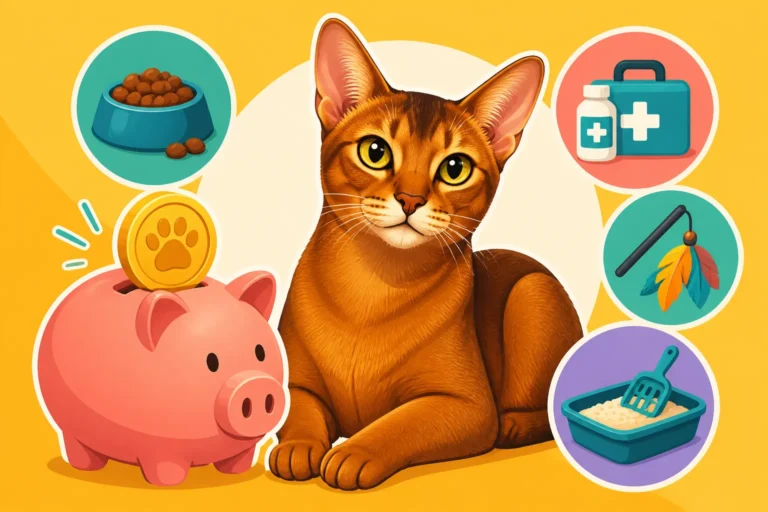
Adopting any pet comes with financial responsibilities, but a purebred cat like an Abyssinian often carries higher initial and ongoing costs. While the purchase price from a reputable breeder might be significant, the yearly expenses for food, litter, vet care, and enrichment can quickly add up. For families whose financial situations change unexpectedly, these ongoing costs can become a significant burden, especially if the cat develops a chronic health issue.
Beyond the basics, Abyssinians, with their high metabolism and active lifestyle, can consume more premium food than some other breeds. They also benefit immensely from high-quality climbing structures, interactive toys, and puzzle feeders, which are not always cheap. Many owners underestimate the total financial commitment involved. How Much an Abyssinian Costs Over Fifteen Years is a sobering calculation that many don't do until they are already deep into ownership.
| Category | Typical Abyssinian Needs | Potential Financial Impact (Annual) |
|---|---|---|
| Food | High-protein, often wet food for hydration. More calories than average for activity. | Moderate to High (Can be higher if specific dietary needs arise) |
| Litter & Supplies | High-quality, often dust-free litter. Durable scratching posts. | Moderate |
| Vet Care (Routine) | Annual check-ups, vaccinations, parasite prevention. Dental exams are crucial. | Moderate (Potentially higher due to dental prone nature) |
| Vet Care (Dental) | Often requires professional cleanings yearly or bi-yearly, sometimes extractions. | High (Can easily be the largest medical expense) |
| Enrichment | Sturdy cat trees, wall shelves, puzzle feeders, durable toys. | Moderate (Initial investment can be high, ongoing replacement costs) |
| Pet Insurance | Highly recommended for breed-specific health issues. | Moderate (Monthly premiums, but can save thousands in emergencies) |
When an Abyssinian, particularly an older one, requires specialized veterinary care for a condition like kidney disease or severe dental issues, the bills can quickly become astronomical. This is where pet insurance from providers like Healthy Paws can truly make a difference, covering unexpected costs that might otherwise force an owner to make an impossible choice. However, not all owners plan for this, and the financial strain of ongoing medical treatments can be a heartbreaking reason for surrender. Even buying bulk food and supplies from retailers like Chewy helps, but doesn't solve the core issue of unexpected vet bills.
Health Issues That Become Overwhelming
Abyssinians are generally robust cats, but like any purebred, they are predisposed to certain genetic health conditions. While responsible breeders test for known issues, these conditions can still emerge later in life or require ongoing management that some owners are unprepared for.
Hereditary Conditions Surfacing Later
Some hereditary conditions in Abyssinians, while present from birth, don't always manifest with obvious symptoms until the cat is older. Progressive Retinal Atrophy (PRA-rdAc) is one such condition, leading to gradual blindness. An owner might have purchased a kitten from tested parents, but if their cat inherited a carrier gene from both parents, they might not show signs until they are 2-5 years old. This slow onset can be distressing for owners to witness, and while blind cats can live full, happy lives indoors, managing a cat with diminishing sight requires adjustments that some families find difficult to accommodate. How PRA-rdAc Blinds an Abyssinian Slowly explains the progression, and it's not always an easy path for owners.
Similarly, Pyruvate Kinase Deficiency (PK Deficiency) can cause intermittent anemia. While some affected cats show signs early, others might have milder symptoms that only become pronounced during times of stress or infection, or simply as they age. Suddenly facing a cat that requires regular veterinary check-ups, potentially transfusions, or specialized care for a chronic anemic condition can be emotionally and financially draining. What PK Deficiency Does to an Abyssinian's Red Cells can be frightening to learn about, and the reality of caring for an affected cat can be overwhelming for owners who might not have foreseen such an intensive commitment.
For many, the initial joy of owning a beautiful, active Abyssinian is overshadowed by the stress of managing a chronic, potentially expensive illness. While loving owners will do everything they can, sometimes the physical, emotional, and financial toll becomes too much, and they reluctantly seek rescue groups that specialize in these breeds, hoping for a home better equipped to handle the specific medical needs.
Dental Disease and the Abyssinian
One of the most insidious and often underestimated health issues in Abyssinians is their predisposition to severe dental disease, particularly juvenile gingivitis and subsequent tooth resorption. Many Abyssinians start developing red, inflamed gums as early as six months of age, which can progress to painful gum overgrowth (gingival hyperplasia) and eventually lead to tooth loss. This isn't just bad breath; it's a chronic, painful condition that significantly impacts their quality of life.
The treatment for advanced dental disease in Abyssinians often involves multiple general anesthetic procedures for professional cleanings, gingivectomies (to trim back overgrown gum tissue), and tooth extractions. These procedures are not only costly but also require careful post-operative care and ongoing preventative measures at home, such as daily brushing. Why Abyssinian Dental Work Is the Biggest Line in the Budget is a harsh truth for many owners. An owner might face thousands of dollars in dental bills over their cat's lifetime, an expense that often dwarfs the initial purchase price.
The sheer frequency and cost of dental interventions can be a major factor in Abyssinians being relinquished to rescues. Owners might feel they cannot afford the necessary care, or they might struggle with the idea of their cat undergoing multiple anesthetic procedures. When a cat is constantly in pain, dropping food, or becoming withdrawn due to dental issues, an owner might feel that placing it with a rescue that has resources for specialized veterinary care is the most humane option.
Kidney Disease: A Silent Threat
Perhaps one of the most devastating health conditions that Abyssinians can face is Renal Amyloidosis. This genetic predisposition causes an abnormal protein called amyloid to deposit in the kidneys, leading to progressive kidney failure. What makes it particularly heartbreaking is that there is currently no DNA test for it, and it can strike Abyssinians at a surprisingly young age, sometimes as early as 2-5 years old, though more commonly in middle age. What Renal Amyloidosis Deposits in an Abyssinian's Kidney can be a slow, silent process, with symptoms only becoming apparent once significant kidney function is already lost.
The management of kidney disease is a long-term commitment, often involving specialized prescription diets, medications, and sometimes subcutaneous fluid administration at home. This care is emotionally taxing and financially demanding, especially as the disease progresses. An owner who suddenly finds their beloved young or middle-aged Abyssinian diagnosed with a terminal kidney condition, requiring intensive ongoing care, can feel utterly overwhelmed.
The guilt of not being able to provide the best possible care, coupled with the financial strain and the emotional burden of watching their cat decline, can be immense. For some, finding a rescue that can provide the necessary medical support or find a specialized foster home is seen as the only viable option. It's a tragic situation where an owner's love might still be strong, but their capacity to manage the illness simply isn't enough.
Preventing the Need for Rescue
It's clear that many adult Abyssinians end up in rescue due to a combination of unmet expectations, life changes, and unexpected health costs. The good news is that many of these situations can be prevented with thorough preparation and responsible ownership.
Researching the Breed Thoroughly
The single most important step in preventing an Abyssinian from ending up in rescue is doing your homework before bringing one home. Don't fall in love with their looks alone. Dive deep into understanding their specific needs, temperament, and potential health issues. Speak to multiple breeders, attend cat shows if possible, and talk to other Abyssinian owners. Ask candid questions about their energy levels, how much attention they demand, and what their typical day looks like.
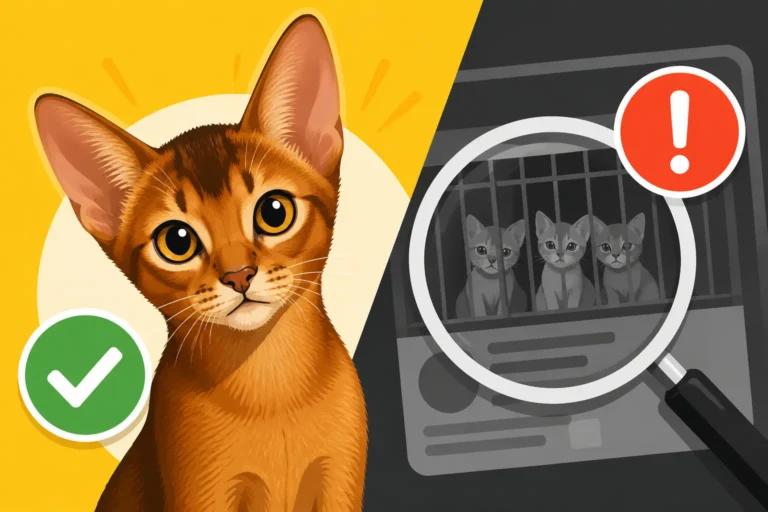
A responsible breeder will also interview you extensively, ensuring you understand the commitment involved. They want their kittens to go to forever homes, and they will be transparent about the breed's quirks and challenges. They should also provide health clearances for the parents for known genetic conditions like PK Deficiency and PRA-rdAc. Ask to see certificates and understand the family history, especially concerning conditions like renal amyloidosis, for which there isn't a genetic test. How to Vet an Abyssinian Breeder Before Paying is essential reading for anyone considering this breed.
Understanding that an Abyssinian isn't a passive pet but an active, integral part of the household is critical. If you're seeking a quiet, independent cat, an Abyssinian is likely not the right fit for you, and recognizing this upfront can save both you and a cat a lot of heartache down the line.
Preparing the Home for an Active Cat
Once you've decided an Abyssinian is right for you, prepare your home to meet their intense need for stimulation and vertical space. Abyssinians are natural climbers and explorers. Investing in tall, sturdy cat trees, wall-mounted shelves, and secure window perches is not a luxury; it's a necessity for their well-being. Think of it as creating a "cat playground" that integrates with your living space.
Beyond climbing structures, have a variety of interactive toys, wand toys, and puzzle feeders on hand. Rotate toys regularly to keep things fresh and interesting. Puzzle feeders from brands like Chewy can be great for engaging their minds and slowing down their eating. Schedule dedicated playtimes every day – multiple short bursts are often better than one long session for an Aby. Think about having a second cat with a similar energy level if you're out of the house for extended periods. This can provide companionship and reduce boredom, preventing destructive behaviors.
Child-proofing or "cat-proofing" your home is also essential. Abyssinians are clever and will open cabinets, explore forbidden spaces, and jump onto counters. Secure cabinets with child locks, keep valuables out of reach, and ensure all dangerous items (like medications or toxic plants) are safely stored away. Investing in good quality scratching posts and training your Aby to use them from a young age can also save your furniture from their energetic clawing.
Financial Planning and Pet Insurance
Being realistic about the financial commitment is paramount. Beyond the initial adoption fee, budget for high-quality food, litter, annual vet check-ups, and crucially, regular dental care. Abyssinians will likely need professional dental cleanings throughout their lives, and these costs can be substantial. Setting aside a dedicated “dental fund” is a smart move.
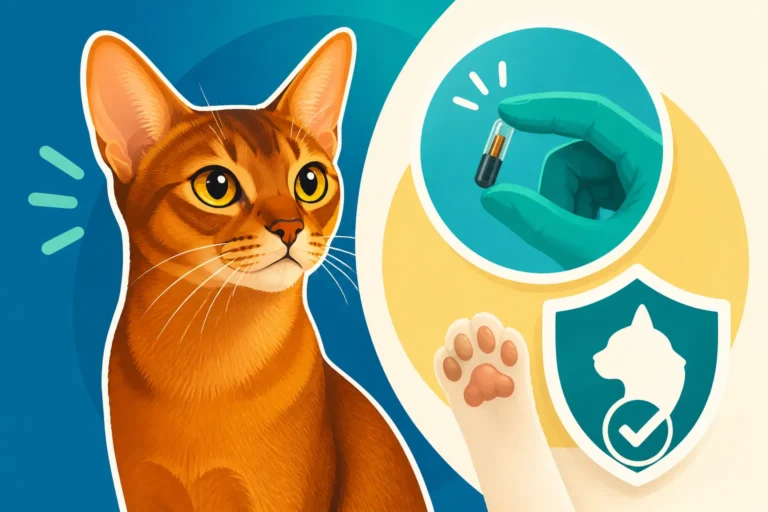
Perhaps the most critical financial preparation is securing pet insurance. With the breed's predispositions to conditions like PRA-rdAc, PK Deficiency, and the ever-present risk of kidney disease and severe dental issues, pet insurance can be a literal lifesaver for your budget and your cat. Research providers like Healthy Paws early on, as policies often have waiting periods and may not cover pre-existing conditions. Enrolling your Abyssinian when they are young and healthy is the best strategy. Whether Pet Insurance Is Worth It for an Abyssinian is a question many owners ask, and for this breed, the answer is almost universally yes.
Understanding the long-term financial implications and proactively planning for them can prevent a situation where unexpected medical bills force a difficult decision to surrender your beloved Abyssinian. It’s an investment in their health and your peace of mind, ensuring that your vibrant, intelligent companion can live a full and happy life by your side for many years to come.
Disclaimer
This article is for general informational purposes only and does not constitute professional advice. Laws, prices and regulations vary by location and change over time. Consult a qualified professional for guidance on your specific situation.