What a Rescue Abyssinian’s Bloodwork Should Cover
Bringing a rescue Abyssinian into your home is a truly heartwarming experience, but it often comes with a big question mark hanging over their past health. Unlike a kitten from a reputable breeder who provides detailed health records for generations, a rescue Aby's history can be a complete mystery, leaving you wondering what hidden health challenges might be lurking. This guide is all about equipping you with the knowledge to request the right bloodwork for your new family member, ensuring you uncover potential issues early and set them up for a long, happy life with you.
Why Bloodwork is Non-Negotiable for a Rescue Abyssinian
When you open your heart and home to a rescue Abyssinian, you're embracing a wonderful, energetic companion, but you're also taking on a responsibility for their well-being, especially when their past is unknown. Bloodwork isn't just a formality; it's your first, best tool for understanding their internal health, which can be particularly crucial for a breed known for its vitality and ability to mask illness. A rescue situation often means prior neglect, inconsistent care, or simply a lack of information, all of which elevate the importance of a thorough health check right from the start. Think of it as laying the groundwork for all future care.
Uncovering Hidden Health Issues
Cats, and Abyssinians especially, are masters of disguise when it comes to illness. Their natural instinct is to hide pain and weakness, a survival mechanism from their wild ancestors. This means that by the time an Abyssinian shows obvious signs of being unwell, a condition might be quite advanced. Bloodwork can reveal problems long before you ever see symptoms. For instance, early kidney disease, often a concern in Abyssinians, might only show subtle changes in blood values for months, or even years, before your cat starts drinking excessively or losing weight. Catching these changes early can make a monumental difference in prognosis and management. It's not about looking for trouble, but proactively seeking peace of mind.
Imagine bringing home a sweet-natured Aby named "Copper." He seems playful enough, but you notice he's perhaps a little more subdued than the Abyssinians you've read about, and his appetite is a bit finicky. Without bloodwork, you might just chalk it up to stress from the move. However, a comprehensive panel could flag elevated liver enzymes or early signs of inflammation that point to a treatable issue. This proactive approach saves your cat from suffering silently and allows you to intervene before a minor issue becomes a major crisis.
Establishing a Baseline for Future Care
Even if your rescue Abyssinian sails through their initial bloodwork with flying colors—and we certainly hope they do!—those initial results are invaluable. They establish a personal baseline for your cat. Every cat is an individual, and what's "normal" for one might be slightly different for another. Knowing your Aby's healthy ranges for various parameters, like red blood cell count, kidney values, or protein levels, gives your veterinarian a critical point of comparison for all future check-ups.
For example, a slight bump in a particular kidney value might be completely within normal limits for most cats, but if your Aby's baseline showed a significantly lower number, that small change could indicate a trend that needs monitoring. Without that initial baseline, your vet is working blind, comparing your cat's results to a general population range which may not be as precise for your unique companion. This is especially true for senior Abyssinians, where subtle shifts can be an early warning of age-related conditions. As your Aby ages, their yearly bloodwork will be compared against this initial snapshot, allowing for the earliest possible detection of issues like What an Old Abyssinian's Kidneys Are Monitored.
Addressing Common Abyssinian Genetic Predispositions
While bloodwork directly tests for current health markers, it also plays a crucial role in understanding potential genetic predispositions, particularly for conditions that don't have direct gene tests or show up later in life. Abyssinians are a breed with known genetic concerns, and while a rescue may not come with a clear pedigree or parental health history, bloodwork can help fill in some of those gaps.
For instance, Abyssinians are unfortunately prone to certain kidney issues, most notably a form of Renal Amyloidosis Is the Abyssinian Problem Nobody Can Test For. While there isn't a genetic test to definitively predict this condition, regular monitoring of kidney values via bloodwork and urine tests is paramount. By understanding the typical health profile of the breed, your vet can be more vigilant in looking for early markers of these conditions in your rescue Aby. This informed approach helps you, as the new owner, prepare for and hopefully mitigate potential challenges. It's about being aware of the possibilities so you can be proactive in their care.
Essential Bloodwork Panels for Your New Abyssinian
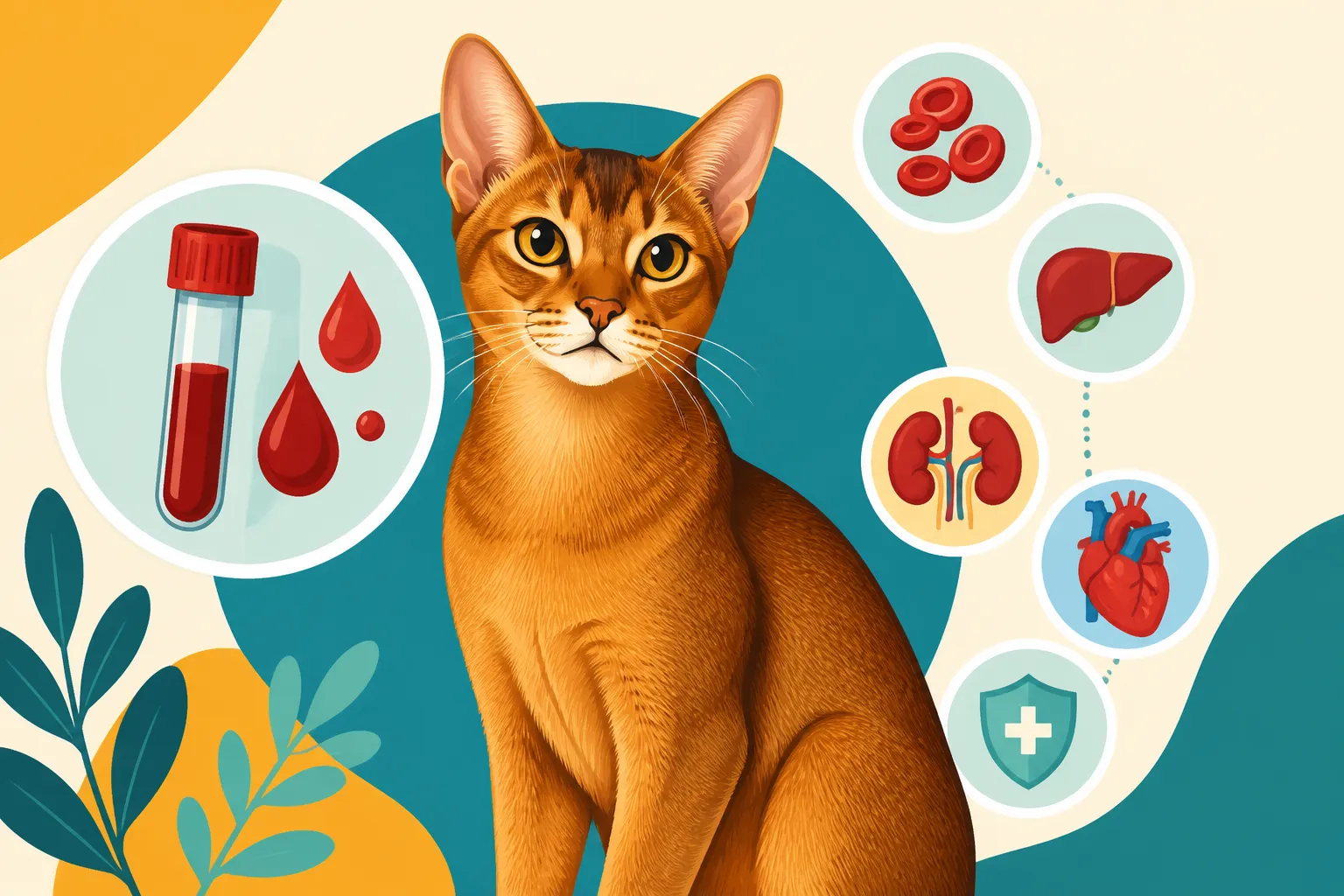
When you take your new rescue Abyssinian to the vet, they will likely recommend a standard set of blood tests. These panels provide a broad overview of your cat's internal health, checking everything from their immune system function to the health of their vital organs. It's like a comprehensive internal snapshot that tells a story about what's happening inside.
The Complete Blood Count (CBC)
The Complete Blood Count, or CBC, is a foundational test that gives your vet a detailed look at the different cells circulating in your Aby's blood. This includes red blood cells, white blood cells, and platelets. Each of these components plays a vital role in your cat's health, and abnormalities can point to a wide range of issues.
Red blood cells are responsible for carrying oxygen throughout the body. A low count, known as anemia, could indicate nutritional deficiencies, chronic disease, or even conditions like What PK Deficiency Does to an Abyssinian's Red Cells, a genetic disorder common in Abyssinians. Conversely, an abnormally high count might suggest dehydration. White blood cells are the body's defense system. Elevated levels can signal infection, inflammation, or stress, while low levels might indicate a compromised immune system. Platelets are essential for blood clotting. Any irregularities here could point to clotting disorders or other underlying diseases. The CBC is a simple yet incredibly powerful tool, offering immediate insights into your Abyssinian's immune response and oxygen-carrying capacity. It's the first step in ruling out common acute problems.
The Biochemistry Profile
The biochemistry profile, often called a chemistry panel, is a treasure trove of information about your Abyssinian's organ function. This panel measures various chemicals, enzymes, and proteins in the blood serum, reflecting the health of organs like the kidneys, liver, pancreas, and even blood sugar regulation.
For Abyssinians, paying close attention to kidney values is particularly important. The biochemistry panel will typically include readings for creatinine and BUN (Blood Urea Nitrogen). While these are important, for a proactive approach, especially with a rescue Aby, you should also ask your vet to include an SDMA (Symmetric Dimethylarginine) test. SDMA is a much more sensitive marker for kidney function and can detect kidney disease much earlier than creatinine or BUN alone, sometimes months or even years before they show changes. This early detection is critical for managing conditions such as How Young an Abyssinian Can Lose Its Kidneys. The panel also assesses liver enzymes (like ALT and ALP), which can indicate liver damage or disease, and glucose levels, which help screen for diabetes. Electrolyte levels are also measured, giving insight into hydration and overall metabolic balance. Understanding these numbers helps you and your vet form a picture of how well your Aby's internal machinery is running.
Thyroid Screening Especially for Older Rescues
As our beloved Abyssinians age, just like us, they become susceptible to certain age-related health conditions. One of the most common endocrine disorders in older cats is hyperthyroidism, an overactive thyroid gland. While a rescue Aby might be of any age, if you've adopted an adult or senior cat, a thyroid screen should definitely be on the list.
Hyperthyroidism can cause a range of symptoms, including weight loss despite a ravenous appetite, increased thirst, hyperactivity, and a dull, unkempt coat. However, these signs can be subtle in the early stages, or even attributed to other issues. A simple blood test that measures the total T4 hormone level can diagnose hyperthyroidism. Early diagnosis allows for timely intervention, whether through medication, diet, or other treatments, which can significantly improve your senior Aby's quality of life and longevity. If your rescue is middle-aged or older, asking for this test is a wise move, offering insight into their metabolic health and ensuring they're comfortable and energetic as they enter their golden years. This is part of the comprehensive annual care discussed in When a Middle Aged Abyssinian Needs Yearly Bloodwork.
Specific Tests for Abyssinian Genetic Concerns
Beyond the general health panels, there are specific genetic tests that are highly recommended for any Abyssinian, even a rescue, because they target conditions known to affect the breed significantly. While a rescue might not come with pedigree papers, these tests offer direct insight into their genetic makeup.
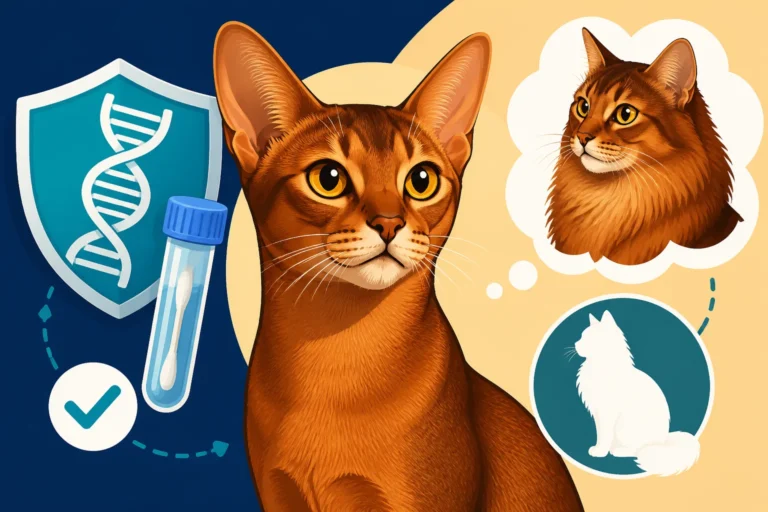
Pyruvate Kinase Deficiency PKD Testing
Pyruvate Kinase Deficiency (PKD) is a hereditary disease that can affect Abyssinians, leading to intermittent anemia. It's caused by a faulty enzyme in red blood cells, which results in their premature destruction. An affected cat may show signs like lethargy, pale gums, and sometimes an enlarged spleen. The good news is that there's a highly reliable DNA test available.
This test can identify if your Abyssinian is clear, a carrier, or affected. A "clear" cat has two normal copies of the gene, an "affected" cat has two copies of the mutation and will likely develop symptoms, and a "carrier" has one normal and one mutated copy. Carriers typically do not show symptoms themselves but can pass the gene to their offspring if bred. For a rescue Abyssinian, knowing their PKD status is crucial. If they are affected, you'll need to be vigilant for signs of anemia and work closely with your vet on management strategies. If they're a carrier, it simply means you have important information for their health file, even if you never intend to breed. This test is a fundamental part of responsible Abyssinian ownership, as highlighted in Pyruvate Kinase Deficiency Is the Abyssinian's Best Known Test. You can usually order this test, along with others, through a cheek swab, and places like Chewy or your vet can often guide you to the right lab.
Progressive Retinal Atrophy PRA-rdAc Testing
Another significant genetic condition found in Abyssinians is Progressive Retinal Atrophy (PRA-rdAc), which causes gradual degeneration of the retina and eventually leads to blindness. This is a devastating condition, as it slowly robs affected cats of their sight, usually starting in early adulthood.
Similar to PKD, PRA-rdAc is an inherited condition for which a DNA test is readily available. This test can determine if your Abyssinian carries the gene mutation, is affected, or is completely clear. Knowing your rescue Aby's status allows you to anticipate potential vision loss and make necessary adjustments to your home environment to keep them safe and comfortable, such as not moving furniture around too frequently or ensuring safe climbing routes if their sight begins to diminish. Even if they are already an adult and showing no signs, testing can confirm their future visual health or prepare you for what might lie ahead. Understanding how this condition progresses, as described in How PRA-rdAc Blinds an Abyssinian Slowly, empowers you to provide the best possible care.
Discussing Renal Amyloidosis Markers SDMA, UPC ratio
As mentioned earlier, Abyssinians have a well-documented predisposition to Renal Amyloidosis, a condition where abnormal protein (amyloid) deposits in the kidneys, leading to kidney failure. This is particularly challenging because, unlike PKD and PRA-rdAc, there isn't a single, direct genetic test for amyloidosis that can tell you if your cat will develop it. Instead, detection relies heavily on vigilance and specific diagnostic markers.
This is where the biochemistry profile and an additional urine test become vital. The SDMA test, which we discussed as part of the biochemistry panel, is incredibly important here. It's one of the earliest indicators of kidney function decline. Beyond bloodwork, your vet should also recommend a urine protein-to-creatinine ratio (UPC ratio). This simple urine test measures the amount of protein leaking into the urine, which can be an early sign of kidney damage, even before the cat shows other symptoms. A high UPC ratio indicates protein-losing nephropathy, a common feature in cats with renal amyloidosis. Together, these markers provide the best possible early warning system for a condition that can be so insidious. While it doesn't confirm amyloidosis, it certainly points your vet in the right direction for further investigation and management. This comprehensive approach gives you the best chance to monitor your Abyssinian's kidney health effectively, allowing for early intervention that could prolong their life and improve its quality. Knowing Which Blood Values Catch an Abyssinian's Kidneys Early is critical here.
What to Do With the Bloodwork Results
Receiving your rescue Abyssinian's bloodwork results can feel a bit daunting, like trying to decipher a secret code. But don't fret! These results are a roadmap, not a final destination, and knowing what to do with them is just as important as getting the tests done in the first place. This is where your partnership with your veterinarian truly shines.
Interpreting the Findings with Your Vet
Once the results are in, the very first step is to sit down with your veterinarian and have them walk you through everything. They are the experts who can translate the scientific jargon into actionable insights about your specific Abyssinian. Don't be afraid to ask questions, no matter how basic they seem.
Your vet will explain what each value means, whether it's within the normal range, and if any abnormalities are detected. They'll consider your Aby's age, estimated background, and any observations you've made about their behavior or appetite. For example, if the kidney values (like SDMA and creatinine) show slight elevations, your vet might recommend additional diagnostics, such as a urinalysis, a specific gravity test, or an ultrasound, to get a clearer picture. If a genetic test comes back as a "carrier" for PKD or PRA-rdAc, your vet can explain what that means for your cat's health and what, if any, future monitoring might be beneficial. This discussion is about creating a personalized health plan, ensuring you understand exactly what the numbers imply for your furry companion.
Planning Future Care and Nutrition
The bloodwork results will significantly influence your Abyssinian's future care plan, especially concerning nutrition. If, for instance, the kidney values show early signs of decline, your vet might suggest a prescription renal diet. Specialized veterinary diets are designed to support kidney function by controlling protein and phosphorus levels. Transitioning to such a diet, even in early stages, can help slow the progression of kidney disease and improve your cat's comfort.
Similarly, if your Aby has a history of dental issues, or if the initial exam suggests potential problems, a discussion around dental care will be paramount. Why Abyssinian Dental Work Is the Biggest Line in the Budget is a common frustration, but proper diet and regular vet cleanings can help. If any other issues are identified, whether it's a need for supplements, a change in exercise routine, or more frequent monitoring, the bloodwork provides the evidence to make informed decisions. This tailored approach means your Aby isn't getting generic care, but a plan specifically designed to address their individual needs, setting them up for optimal health for years to come.
Understanding the Long-Term Financial Implications
Let's be realistic: thorough veterinary care, especially for a rescue whose history is unknown, does have financial implications. The initial bloodwork is an investment, but it's an investment that can save you far more money (and heartbreak) down the line by catching problems early. If your Abyssinian's bloodwork reveals a chronic condition, such as early-stage kidney disease or hyperthyroidism, you'll need to factor in the ongoing costs of medication, prescription diets, and more frequent veterinary check-ups.
This is where pet insurance can be a real game-changer. Companies like Healthy Paws offer plans that can help mitigate the financial burden of unexpected illnesses or long-term conditions. It's often recommended to get pet insurance early in your cat's life, ideally before any pre-existing conditions are diagnosed, to ensure maximum coverage. Discussing the potential long-term costs with your vet and exploring insurance options can help you feel more prepared and less stressed should any health challenges arise. Owning an Abyssinian is a commitment, and being financially ready for their health journey is a crucial part of that. Understanding Whether Pet Insurance Is Worth It for an Abyssinian can help you make an informed decision.
Disclaimer
This article is for general informational purposes only and does not constitute professional advice. Laws, prices and regulations vary by location and change over time. Consult a qualified professional for guidance on your specific situation.