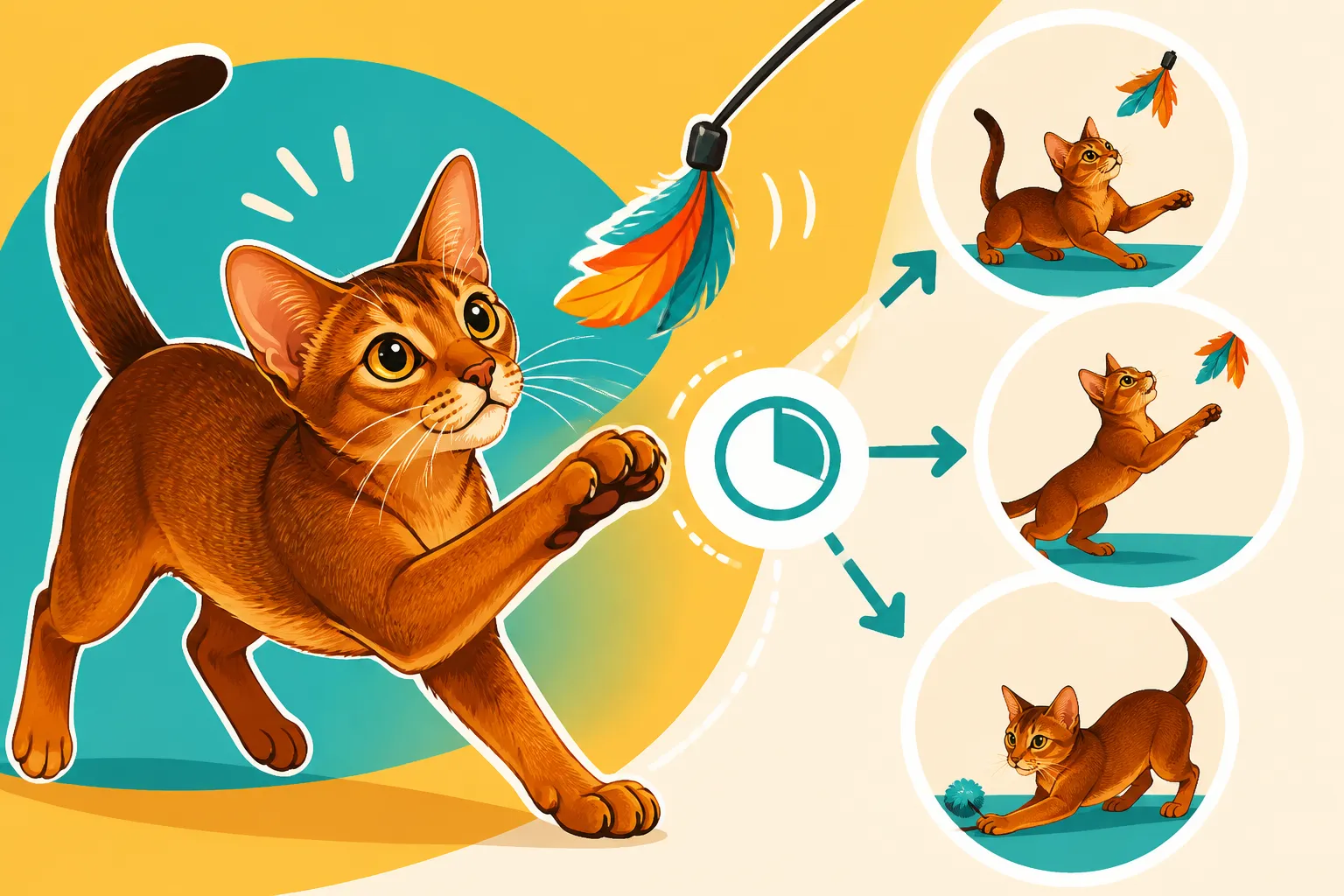
How to Split an Abyssinian’s Play Into Sessions
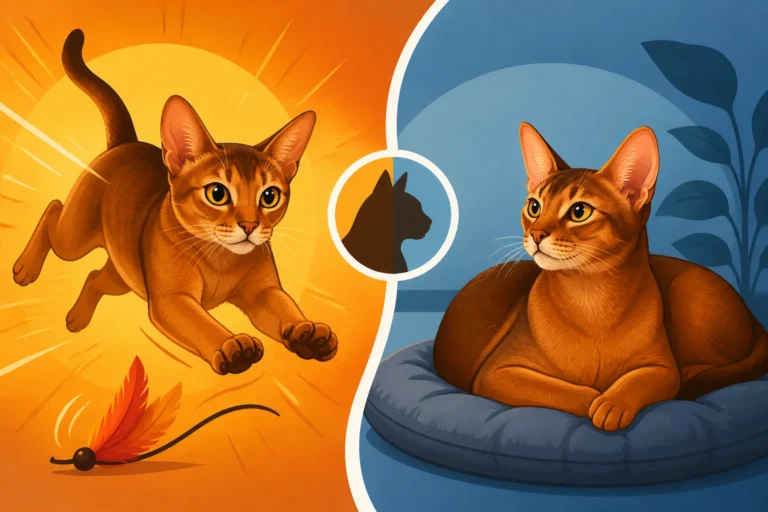
It's a common refrain among Abyssinian owners: "My cat just never stops!" You might feel like you're constantly playing, chasing, and engaging, but your Abyssinian still seems to have boundless energy, leading to mischievous antics, late-night zoomies, or even demanding vocalizations. This guide is all about tackling that high-octane energy by helping you create a structured play schedule, breaking down their intense need for interaction into manageable, effective sessions throughout the day.
Understanding Your Abyssinian's Unique Energy Demands
If you’ve spent any time with an Abyssinian, you know they’re not your average sedentary lap cat. These are dynamic, athletic, and incredibly intelligent creatures with an almost insatiable desire for activity. Trying to meet this need with just one long play session often leaves both you and your Aby feeling frustrated.
Why One Long Play Session Just Isn't Enough
The Abyssinian breed is renowned for its high energy levels, often described as the "clowns of the cat world" or "dogs in cat suits." They possess a powerful prey drive, an insatiable curiosity, and a need for constant mental and physical engagement. Because of this, a single, hour-long play session, no matter how vigorous, might only provide a temporary reprieve from their energy stores. They can burn through that burst of activity surprisingly quickly, leaving them ready for more engagement long before you are.
Think about it from their perspective: they’re built for hunting and exploring. In the wild, a cat doesn't just have one big hunt and then rests for 23 hours. They have multiple, shorter bursts of activity throughout the day, interspersed with naps and grooming. Expecting your Abyssinian to be satisfied with a single "workout" goes against their natural instincts. This is why you might find them still pestering you, climbing curtains, or exploring forbidden countertops shortly after what you thought was a tiring play session. We often underestimate How Much Play an Abyssinian Needs Each Day.
When their profound energy needs aren't met consistently, Abyssinians can quickly become bored. And a bored Abyssinian is often a destructive Abyssinian. They might start investigating cabinets, knocking items off shelves, or even developing less desirable habits like excessive vocalization or chewing on things they shouldn't. It's not out of malice, but pure, unadulterated boredom and a natural drive to find something to do.
The Rhythms of an Abyssinian's Day
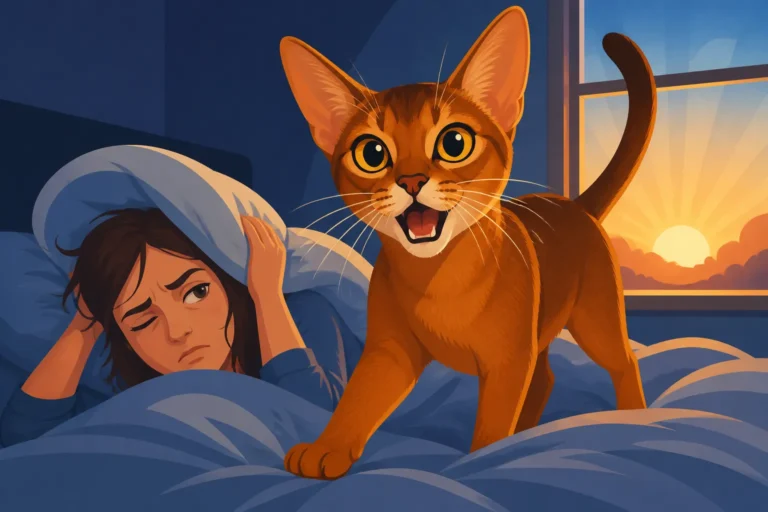
Abyssinians, like all cats, have natural rhythms to their activity. They are crepuscular, meaning they are most active during dawn and dusk. You've likely experienced this firsthand if your Aby starts performing acrobatics on your head just as the sun begins to rise. This isn't them being deliberately annoying; it's their primal instinct kicking in. They are wired to be most alert and ready to hunt when their natural prey would be most active. This explains Why an Abyssinian Wakes You at Five.
However, their need for stimulation isn't confined to just these two peaks. Abyssinians are also known for their intense curiosity and problem-solving abilities, which require mental engagement throughout their waking hours. They might take short naps, but even during what seems like downtime, their minds are often still active, observing, and planning their next adventure. Ignoring these natural rhythms can lead to a cat that is chronically under-stimulated, making them difficult to live with.
By understanding these natural high-energy periods and also recognizing the underlying need for continuous mental engagement, you can better anticipate when your Abyssinian needs a structured play session. Instead of reacting to their mischief, you can proactively offer engaging activities that channel their energy positively. This approach transforms a potentially disruptive instinct into a routine that benefits both of you, fostering a happier, more balanced Abyssinian.
Crafting an Effective Daily Play Schedule
Creating a successful play schedule for your Abyssinian means strategically distributing various types of stimulation throughout their day. It’s not about endless activity, but smart activity that aligns with their natural energy peaks and helps prevent boredom before it even starts.
Morning Sessions to Set the Tone
The first play session of the day is arguably the most crucial. Abyssinians typically wake up with a huge burst of energy, ready to conquer the world – or at least your house. A short, intense play session right when they first stir can effectively burn off this initial zeal and help them settle down. This doesn't need to be a marathon; even 10-15 minutes of focused, high-intensity play can make a world of difference.
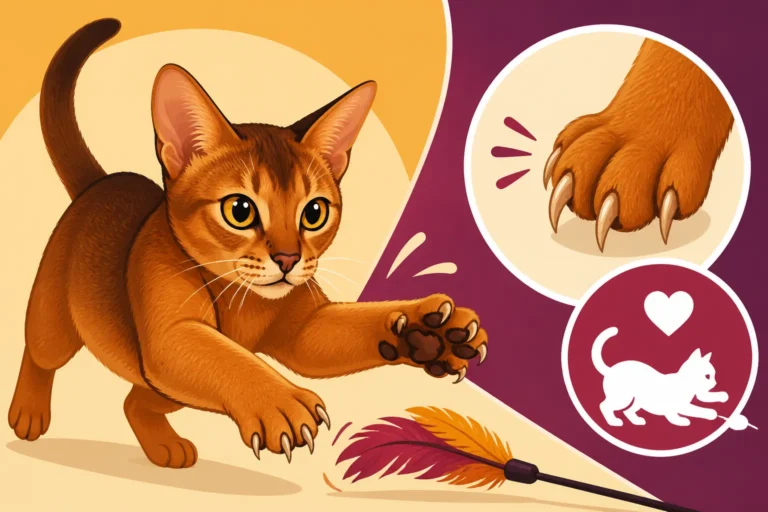
Focus on activities that mimic hunting. A wand toy, for instance, allows you to simulate bird-like flight or mouse-like scurrying, engaging their predatory instincts. Drag it quickly across the floor, hide it, let them chase, pounce, and "catch" it. Ending the session with a successful "kill" (allowing them to capture the toy and bat it around) is vital for their satisfaction. Many excellent, durable wand toys, often found on Amazon, are perfect for this. This early engagement can deter them from more unwelcome morning activities like waking you with insistent meows or exploring prohibited spaces while you're trying to get ready.
This morning session isn't just about physical exertion; it's also about mental preparation for their day. By engaging their hunting drive and satisfying their need for activity, you’re helping to mentally "reset" them. This can lead to a calmer demeanor throughout the morning, making them less likely to engage in destructive behaviors or become overly clingy and demanding as you prepare for your own day. It sets a positive tone and reinforces the bond between you by fulfilling their innate needs.
Midday Engagement for the Home Alone Abyssinian
For many Abyssinian owners, the biggest challenge is keeping their energetic companion entertained while they are at work or otherwise out of the house. Leaving an Abyssinian with nothing to do for several hours is a recipe for boredom-induced chaos. This is where clever midday engagement strategies come into play, focusing on independent enrichment that taps into their intelligence and natural instincts.
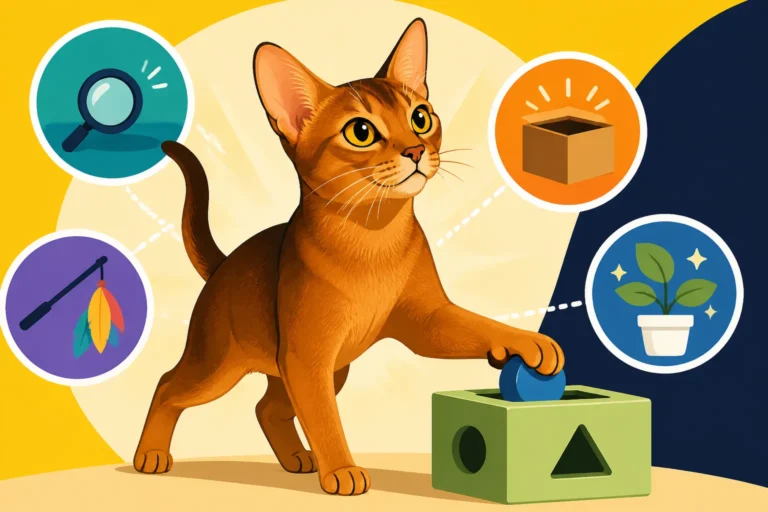
Puzzle feeders are absolute gold for Abyssinians. These devices require your cat to use their brains and paws to extract treats or kibble, simulating the problem-solving aspect of hunting. There are many varieties, from simple treat balls to complex multi-stage puzzles. Start with easier ones and gradually introduce more challenging designs to keep them engaged. You can find a vast selection of these on Amazon, from brands like Nina Ottosson or Trixie. These feeders encourage foraging behavior and slow down mealtime, providing prolonged mental stimulation. It's fascinating to see How to Make a Puzzle Feeder Harder for an Abyssinian.
Another strategy is toy rotation. Instead of leaving all their toys out all the time, rotate them every few days. This keeps the "newness" factor alive and prevents them from getting bored with their collection. You can also hide treats or small toys around the house for them to "hunt" and discover while you're away. Consider placing a bird feeder outside a window perch; the visual stimulation can provide hours of entertainment for a curious Abyssinian. Don't underestimate the power of simply leaving a crinkly ball or a few pieces of kibble in a new spot for them to find. Providing these opportunities for self-directed play ensures that even when you're not physically present, your Abyssinian's active mind and body are still being adequately challenged. How Long an Abyssinian Can Be Left Alone depends greatly on how well their environment is enriched.
Evening Wind-Down and Bonding Play
As the day winds down, your Abyssinian will likely experience another surge of energy, often coinciding with your return home. This is the perfect time for longer, more interactive play sessions that serve a dual purpose: exhausting them physically and mentally before bed, and strengthening your bond after a day apart. These sessions can be more relaxed than the morning sprint but should still be engaging and consistent.
Consider activities like fetch, which many Abyssinians naturally enjoy. Throwing a crinkly ball or a favorite small toy repeatedly can provide excellent exercise and interaction. Many Abyssinians are incredibly intelligent and enjoy learning tricks. Clicker training, for example, is highly effective with this breed and can be incorporated into evening playtime. Teaching them to sit, high-five, or even walk on a leash (indoors, perhaps) offers significant mental stimulation. Remember, How to Teach an Abyssinian to Fetch can be a deeply rewarding experience for both of you.
This evening period is also ideal for experimenting with different types of toys. Some Abyssinians love chasing laser pointers (always end with a physical toy to "catch" to prevent frustration!), while others prefer batting around kickers. The key is to make these sessions consistent and predictable. Aim for at least one solid 20-30 minute session, and if time permits, break it into two shorter ones. This not only burns off their remaining energy but also allows for quality bonding time, where you're fully present and engaged with your cat. The goal is to send them off to bed feeling satisfied and tired, rather than restless and ready to "redecorate" the house at 2 AM. Which Wand Toy an Abyssinian Prefers might surprise you, so try a few.
Strategies for Maximizing Play Session Effectiveness
It's not just about when you play, but how you play. Abyssinians thrive on engaging, stimulating interaction, and by understanding how to make each session count, you can ensure their needs are truly met, even with less overall time spent.
Quality Over Quantity: Making Every Minute Count
When it comes to playing with your Abyssinian, five minutes of highly focused, interactive play is often more effective than twenty minutes of half-hearted toy waving while you're distracted. Abyssinians are incredibly intelligent and observant; they know if you're not really "in the game." To make every minute count, you need to channel your inner predator and engage with them as if you're part of the hunt.
Use wand toys to mimic the unpredictable movements of prey. Think erratic, fast-slow, hide-and-seek. Let the toy disappear under furniture, then suddenly reappear. Allow your Aby to stalk, chase, pounce, and finally capture the "prey." That final "kill" is critical for their psychological satisfaction. Letting them win and bat around their captured toy fulfills their innate hunting sequence, releasing pent-up energy and frustration. Without that satisfying conclusion, they can become frustrated, leading to continued restlessness even after a long play session. Your full attention and enthusiastic participation make the session far more rewarding and exhausting for them, proving that the intensity of the interaction matters more than the clock.
Rotating Toys and Introducing Novelty
Abyssinians are famously intelligent and curious, which unfortunately means they can also get bored with toys very quickly. If you leave all their toys out all the time, they quickly become "old news." This is why a strategic approach to toy management is vital. By rotating toys and introducing novelty, you keep their interest piqued and ensure that each play session feels fresh and exciting.
Imagine having the same two or three video games forever; eventually, you'd get tired of them, right? It's the same for your Abyssinian. Create a "toy library" where you keep a selection of toys stored away. Every few days, swap out the toys they currently have access to with new ones from the library. This simple act can re-ignite their interest in a previously ignored toy. You might even want to introduce a brand new toy occasionally. Look for novelties on platforms like Amazon – things with different textures, sounds, or movements. It's often said that Why an Abyssinian Loses Interest in a Toy Fast is a testament to their sharp minds, so lean into it!
Beyond physical toys, novelty can also come from mental challenges. Changing the location of their puzzle feeder, making it a bit harder, or even just hiding treats in new spots around the house can provide that much-needed mental stimulation. How to Hide Food Around the House for an Abyssinian is a fantastic way to engage their natural foraging instincts. Keep them guessing, keep them thinking, and you’ll keep them entertained.
Incorporating Training and Mental Games
While physical exertion is undeniably important for an Abyssinian, their highly intelligent and curious minds require just as much stimulation. Ignoring this mental aspect can leave them feeling restless, even after a rigorous game of chase. Incorporating training and mental games into their daily schedule is a powerful way to tap into their intellect and provide a different kind of "workout."
Abyssinians are incredibly trainable and often thrive on learning new things. Clicker training works exceptionally well with them, allowing you to teach commands like "sit," "stay," "come," or even more complex tricks like "high five" or "spin." These short bursts of training, perhaps 5-10 minutes a few times a day, not only challenge their brains but also strengthen your bond and improve communication. Using treats for positive reinforcement can make these sessions highly motivating. Why an Abyssinian Learns Faster When It Is Hungry is a real observation, so plan accordingly!
Beyond formal training, consider introducing more interactive puzzle toys or even creating your own simple games. Hiding treats in crumpled paper bags (supervised, of course) or under cups can provide endless fascination. Some Abyssinians even enjoy watching interactive "cat TV" on tablets or regular screens, though this should always be supplemental to real interaction. The goal is to provide varied forms of mental engagement that satisfy their problem-solving instincts and prevent the boredom that so often leads to unwanted behaviors.
Common Pitfalls and Troubleshooting Play Schedules
Even with the best intentions and a well-thought-out plan, sometimes your Abyssinian's play schedule might not seem to be hitting the mark. It's not uncommon for owners to feel like they're doing everything right, yet their Aby still seems restless or destructive. Don't despair; it often just requires a little observation and adjustment.
When Your Abyssinian Still Seems Restless
If you've implemented a robust play schedule and your Abyssinian still seems to have an abundance of energy, displaying restlessness, excessive vocalization, or destructive tendencies, it's time to play detective. The first thing to consider is the intensity of your play. Are the sessions truly engaging their prey drive? Are you allowing them to "kill" the toy at the end of each interactive session, providing that crucial mental closure to the hunt? Sometimes, increasing the speed and unpredictability of your wand toy movements, or extending the final "catch" phase, can make a significant difference.
Secondly, reassess the frequency and duration of your sessions. Perhaps your Abyssinian needs shorter, more frequent bursts of activity rather than fewer, longer ones. Or maybe, despite your efforts, they truly do need a little more overall play time. This is particularly true for younger Abyssinians or those who are the sole cat in the household. Also, consider the mental stimulation component: are they getting enough puzzle feeders, training, and foraging opportunities throughout the day, especially when you're not home? If a cat that is usually high-energy suddenly becomes lethargic and restless, it's always a good idea to consult your vet, as Why a Lethargian Abyssinian Needs Blood Work Fast is a very real concern.
Lastly, look at their environment. Is their vertical space sufficient? Abyssinians are climbers, and if they don't have enough high vantage points, shelves, or cat trees, they might express their dissatisfaction through restlessness. A well-designed vertical environment can provide hours of independent exploration and play.
Balancing Play with Independent Exploration
While structured play sessions are critical, it's equally important to ensure your Abyssinian has opportunities for independent exploration and self-directed activity. These intelligent cats thrive on having their own "territory" to patrol, climb, and observe from. A home that is rich in environmental enrichment allows them to engage their minds and bodies even when you're not actively playing with them.
Providing ample vertical space is paramount for an Abyssinian. They are natural climbers and feel most secure when they have high perches to survey their domain. This means investing in sturdy cat trees, wall-mounted shelves, or even clear pathways on top of bookcases and cabinets (ensuring they are secure and safe, of course!). These elevated spaces satisfy their instinct to climb and provide viewing platforms, which is incredibly stimulating for a curious Aby. Without adequate vertical space, they might try to create their own climbing routes on curtains, doors, or furniture, leading to frustration for both of you. An Abyssinian Needs Height More Than It Needs Floor is a mantra every Aby owner should live by.
| Type of Play Activity | Best Time of Day | Benefits | Example Tools |
|---|---|---|---|
| Interactive Hunt | Morning, Evening | High-intensity cardio, satisfies prey drive | Wand toys, feather teasers, fishing pole toys |
| Foraging/Puzzle | Midday, Anytime | Mental stimulation, slows eating, prevents boredom | Puzzle feeders (e.g., Catit Senses, Nina Ottosson), treat balls, snuffle mats |
| Training/Tricks | Evening, Anytime | Mental engagement, strengthens bond, builds confidence | Clicker, high-value treats (small pieces of cooked chicken or tuna), target stick |
| Independent Explore | Anytime | Satisfies climbing instinct, provides vantage points | Tall cat trees, wall shelves, window perches, cardboard boxes |
| Fetch | Evening, Anytime | Bonding, moderate cardio, interactive | Crinkly balls, small plush toys, bottle caps (supervised) |
This independent exploration isn't a substitute for interactive play, but rather a complementary component. It gives your Abyssinian agency and control over their environment, allowing them to express their natural behaviors on their own terms. By integrating a thoughtful play schedule with a rich, stimulating environment, you create a holistic approach to meeting your Abyssinian's dynamic needs, fostering a happy, well-adjusted, and less mischievous companion.
Disclaimer
This article is for general informational purposes only and does not constitute professional advice. Laws, prices and regulations vary by location and change over time. Consult a qualified professional for guidance on your specific situation.