Why an Abyssinian Comes When It Feels Like It
It’s a scenario every Abyssinian owner knows intimately: you call your beloved cat by name, perhaps several times, and you get… absolutely nothing. Maybe an ear twitch. Maybe a slow blink. Then they continue whatever fascinating activity they were engaged in, completely unbothered by your summons. It's frustrating when your incredibly intelligent and affectionate companion seems to have selective hearing, but rest assured, it’s not just your Abyssinian! This guide will delve into the wonderfully complex mind of the Abyssinian, helping you understand why they come when they feel like it, and how you can encourage a more consistent response.
The Abyssinian's Independent Spirit: It's Not Disobedience, It's Choice
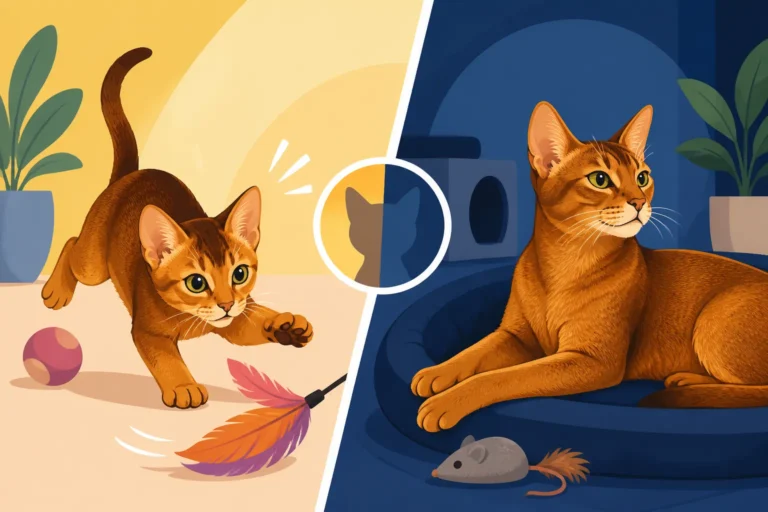
Abyssinians are known for their vibrant personalities, boundless energy, and fierce intelligence. They're often described as dog-like in their loyalty, yet they retain a quintessential feline independence that dictates much of their behavior. When your Abyssinian appears to ignore your calls, it's rarely out of malice or a lack of understanding. It's usually a conscious decision based on their current priorities, curiosity, or simply the fact that they're just too busy being an Abyssinian.
A Cat of Their Own Mind: Driven by Curiosity and Instinct
Remember, the Abyssinian is a breed often likened to the ancient cats of Egypt, known for their athleticism and keen senses. They possess a strong prey drive and an insatiable curiosity that constantly pulls them towards new explorations and observations. If your Abyssinian is engrossed in watching a bird outside the window, investigating a crinkly shopping bag, or stalking a dust bunny under the sofa, their primitive instincts take over. Your voice, while familiar and loved, might simply register as background noise compared to the thrill of the "hunt" or the allure of a novel scent. They operate on their own agenda, which is often dictated by their immediate environment and innate feline behaviors. This isn't a cat that lives to please in the same way a dog might; they live to explore, to play, and to engage with the world on their own terms.
Too Busy for Your Summons: Their World is Full
Imagine being in the middle of an incredibly engaging task – perhaps a complex puzzle or an exciting book – and someone calls your name. You might acknowledge them, but your primary focus remains on your activity. Abyssinians live this reality constantly. Their world is rich with sensory input, and they are masters of immersive play. A simple string toy can become an epic battle, a sunbeam a luxurious spa, and a high shelf a vital lookout point. If you call them while they're halfway up their favorite Cat Tree Tall Enough for an Abyssinian Costs, or intently focused on a new interactive toy you picked up from Amazon, they are quite literally "too busy." Their highly active minds are fully committed to their current endeavor, and interrupting it requires a compelling reason – a reason they often need to weigh up for themselves. This inherent business is one of the reasons Why an Abyssinian Is the Busiest Cat in the House is such a common observation, and it directly impacts their responsiveness.
More Than Just a Pretty Face: Abyssinian Intelligence and Motivation
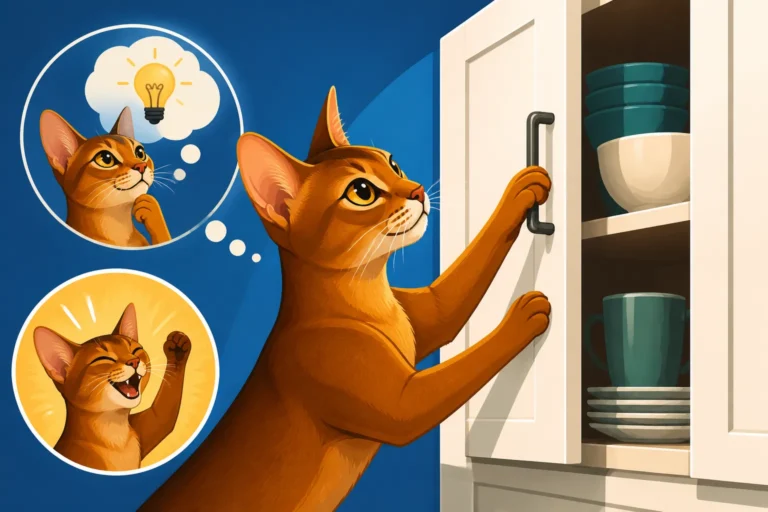
Abyssinians are incredibly intelligent creatures. This isn't just about problem-solving skills, like figuring out How an Abyssinian Learns to Open a Cupboard; it also means they are very adept at understanding human cues and intentions. They know their name, and they certainly know what "come here" means. Their selective response isn't a lack of comprehension; it's a display of their sharp minds assessing the situation and deciding if your request aligns with their current motivations.
They Understand, They Just Don't Always Care To: The Cognitive Calculation
This is where the Abyssinian's intelligence truly shines (or frustrates, depending on your perspective!). They don't just hear you; they process your tone, the context, and any previous associations with your call. If your voice sounds urgent or stressed, they might interpret it as a warning and hide. If it's a playful tone, but they're not in the mood for play, they might simply log it for later. They are constantly making a cost-benefit analysis in their little feline brains: "Is what my human is asking me to do more rewarding than what I'm currently doing?" If the answer is no, then why bother? This isn't an act of defiance, but rather a practical application of their independent thought process. They learn very quickly what calls are important and which ones are just noise.
The "What's In It For Me?" Factor: Driving Their Responses
The single biggest determinant of whether an Abyssinian will come when called is motivation. They need a clear, compelling reason to interrupt their important cat business. For an Abyssinian, this usually boils down to a few key things: food (especially high-value treats), playtime with a favorite Which Wand Toy an Abyssinian Prefers, or genuine, calm affection on their terms. If every time you call them, it's for something they dislike – like a nail trim, a vet visit, or being picked up when they're not in the mood – they'll quickly form a negative association. Conversely, if coming to you always results in a tasty morsel or an exciting chase with a feather wand, their responsiveness will drastically improve. It's all about positive reinforcement and creating a strong, desirable link between your call and a positive outcome. Consider what you offer when they do respond; a simple head scratch might not always cut it for such a high-energy, reward-driven cat.
Building a Better Connection: Encouraging Consistent Responses
While you can never truly "command" an Abyssinian in the way you might a dog, you can absolutely encourage more consistent and willing responses to your calls. It’s a process that requires patience, consistency, and a deep understanding of what makes your Abyssinian tick.
Positive Reinforcement is Key: Making Coming to You a Rewarding Experience
The bedrock of any successful training with an Abyssinian is positive reinforcement. You want to make coming to you the most exciting and rewarding thing they can do. Start small, in a quiet environment, and use their name followed by a clear, happy command like "come" or "here." As soon as they take even a step towards you, offer a high-value treat or a quick play session. Don't punish them for not coming, as this will only create negative associations and make them more likely to avoid you.
Consistency is crucial. Practice this several times a day in short, positive bursts. Vary the locations, gradually increasing the distance and introducing minor distractions. Always have a reward ready. You can find excellent training clickers and a variety of enticing treats on Amazon to help with this. Think about it like this: every time they come to you, they should feel like they've won the lottery. Over time, they'll learn that your call is a predictor of good things, making them more inclined to respond. How to Recall Train an Abyssinian is a fantastic resource if you want to dive deeper into specific training techniques.
Reading Their Cues: Knowing When It's Pointless to Call
Part of improving your Abyssinian's recall is learning when not to call them. If your cat is deeply engaged in intense play, staring intently out the window, or sound asleep curled up in their favorite spot, it's probably not the best time to try and summon them. Forcing the issue or constantly calling their name when they're clearly occupied can desensitize them to your voice, making them less likely to respond even when they are receptive.
Instead, observe their body language. Are their ears swiveling in your direction? Are they glancing at you? Is their activity winding down? These are better moments to issue a calm, inviting call. When they look up and make eye contact, that's your golden window. You'll soon learn your individual Abyssinian's rhythms and moods, understanding when they are most likely to engage with you. Sometimes, a quiet approach with a tempting toy or treat in hand is far more effective than a verbal command. Remembering How an Abyssinian Signals It Wants Something can also give you clues about when they are initiating interaction, which can be a great time to reinforce coming to you.
Establishing Routines and Predictability: Building Trust and Habit
While Abyssinians are spontaneous, they also thrive on routine and predictability. If your calls are consistently associated with specific, positive events, they're more likely to integrate them into their daily expectations. For example, always calling their name before mealtime, or using a specific phrase to initiate a favorite play session. This creates a mental framework where your summons become a signal for something they genuinely anticipate and enjoy.
This isn't about rigid scheduling, but about creating reliable patterns. If your Abyssinian knows that a certain sound or call means "wet food is coming!" or "let's play with the laser pointer!" they will be much more attentive and eager to respond. This also helps reduce the element of surprise or uncertainty that might cause an independent cat to hesitate. The more you can make your calls synonymous with joy and rewards, the less they'll feel the need to make that internal "is it worth it?" calculation.
Table: Abyssinian Response Motivations
Here’s a quick look at why your Abyssinian might respond (or not) and how you can nudge them in the right direction:
| Scenario | Abyssinian's Likely Behavior | Underlying Motivation/Reason | Strategy for Improvement |
|---|---|---|---|
| Called during deep sleep or sunbathing | Minimal response, ear twitch, blink | Content, enjoying rest, low immediate energy for interaction. | Approach gently, offer a gentle scratch, then a soft call and reward. |
| Called while actively hunting a toy | Ignores, intense focus on "prey" | Strong prey drive, completely engrossed in play. | Wait for a break in play, then use a high-value treat as a lure. |
| Called for an unpleasant event (meds, nails) | Hides, runs away, avoids eye contact | Negative association formed with the call/human's approach. | Counter-condition by associating calls with only good things; use calm handling for unpleasant tasks. |
| Called for food or a favorite treat | Enthusiastic, comes quickly, vocalizes | High food drive, strong positive association with the reward. | Consistently use calls before feeding/treating; make it a habit. |
| Called for a game with a favored toy | Quick to respond, playful posture | High play drive, knows a fun interaction is imminent. | Reserve specific play calls for these exciting moments. |
| Called with no clear immediate reward | Selective response, assessing situation | Weighing the perceived value of responding vs. current activity. | Always offer some small reward (pet, verbal praise, tiny treat) even for simple check-ins. |
Ultimately, living with an Abyssinian means embracing their unique personality, which includes their charmingly independent streak. While they may not always come when called, with patience, positive reinforcement, and a keen understanding of their motivations, you can certainly foster a stronger bond and encourage them to grace you with their presence more often – because, let's be honest, those moments when they do choose to come running make it all worthwhile!
Disclaimer
This article is for general informational purposes only and does not constitute professional advice. Laws, prices and regulations vary by location and change over time. Consult a qualified professional for guidance on your specific situation.