Why an Abyssinian Sleeps in the Bed
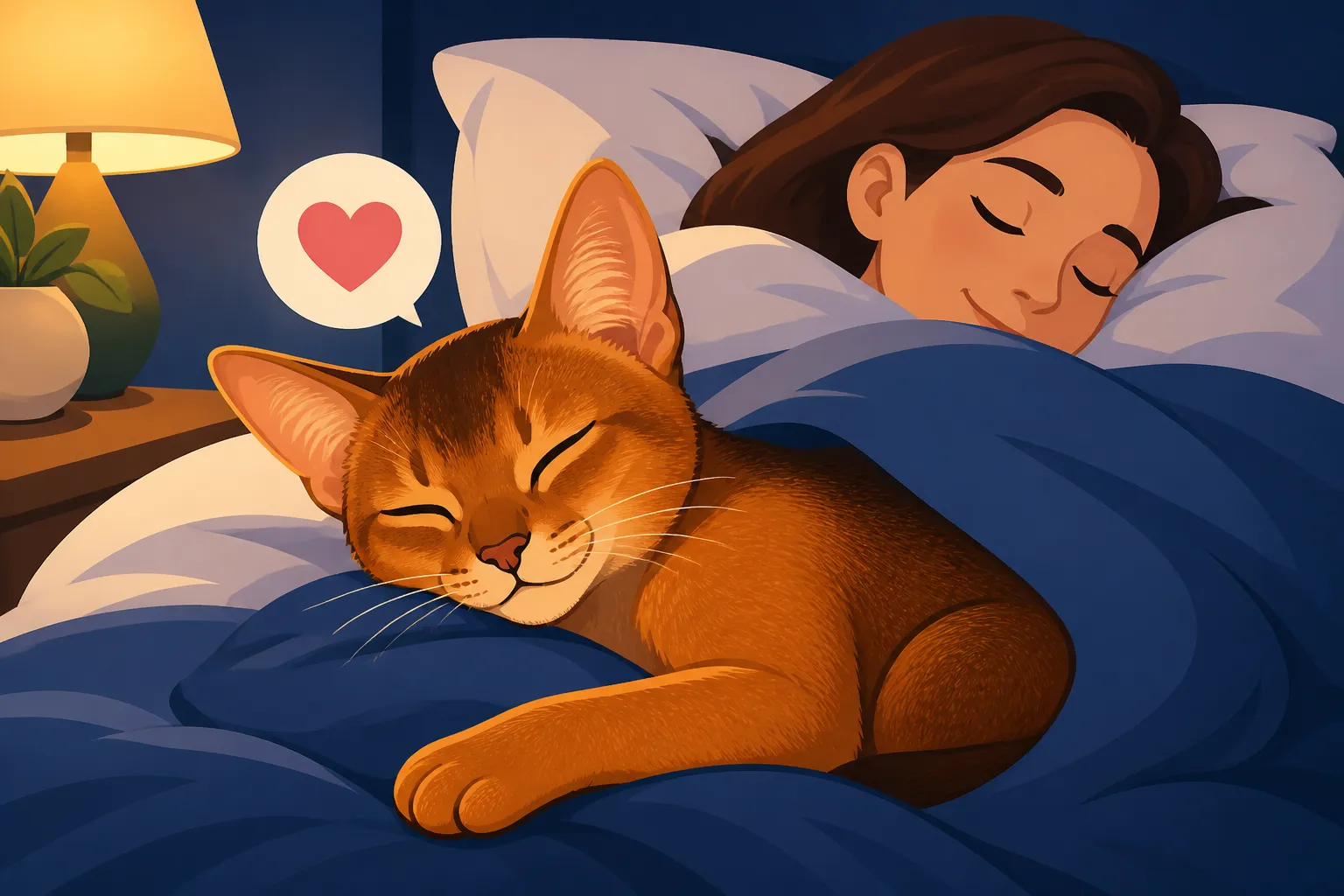
If you’ve ever found yourself waking up with an Abyssinian cat draped across your pillow, nestled between your legs, or even curled up on your head, you’re certainly not alone. Many Abyssinian owners discover that their typically energetic and independent companions transform into the most insistent cuddle bugs once the lights go out. This guide will explore the fascinating reasons behind this endearing, if sometimes slightly inconvenient, habit, delving into their unique physical traits, social instincts, and high-energy demands that all contribute to their desire for a shared bed.
The Abyssinian's Innate Need for Warmth and Security
One of the primary drivers behind an Abyssinian's insistence on sharing your bed comes down to their biology and a deep-seated instinct for safety and comfort. They aren't just choosing your bed because it's soft; they're choosing it because it offers specific benefits that cater to their unique needs.
The Lack of an Undercoat and Temperature Regulation
Abyssinians boast a stunning, ticked coat that's incredibly soft and lies close to their body, but it’s quite distinct from many other breeds. Unlike cats with dense double coats, Abyssinians have very little to no undercoat. This single, fine coat is part of what makes them feel so sleek and warm to the touch, but it also means they aren't as insulated as, say, a Maine Coon or a Persian. They lose body heat more readily, especially in cooler environments.
Imagine trying to stay warm on a chilly night with just a thin sheet when everyone else has a duvet. That's a bit like an Abyssinian. Your bed, with its blankets, duvets, and most importantly, your own body heat, becomes an irresistible haven. It's the warmest, coziest spot in the house, designed to trap heat, and your Abyssinian knows it. They are masters of finding the optimal temperature zone, and that often means snuggling right up against your warm body. It's not just about comfort; it's about efficient thermoregulation. You'll often find them burrowing under the covers, creating a little feline hot pocket, perfectly content. This also explains Why a Coat With No Undercoat Leaves an Abyssinian Cold.
Instinctual Safety in Proximity
Beyond warmth, there's a powerful instinct for security at play. In the wild, animals often sleep in groups for protection. While your Abyssinian is far removed from a true wild state, those ancient instincts are still present. Sleeping in close proximity to their trusted human provides a profound sense of safety and vulnerability. They know they are secure when they are near you, especially during their deepest sleep cycles.
Your bed isn't just a soft surface; it's a perceived fortress. It's elevated, enclosed (especially once they've burrowed), and filled with the scent of their most important protector – you. They feel protected from perceived threats, whether it's the strange shadows dancing on the wall or the distant rumble of a delivery truck. This feeling of being part of a secure unit allows them to fully relax and get the restorative sleep they need to fuel their high-octane days. They thrive on feeling safe, and your presence in the bed amplifies that feeling tenfold.
The Comfort of Scent and Routine
Cats are incredibly scent-driven creatures. Your bed is saturated with your unique scent, a smell that your Abyssinian associates with comfort, safety, and love. For them, your scent is a powerful emotional anchor, signifying their primary bond and source of well-being. By sleeping in your bed, they're literally enveloped in your comforting presence, even when you might be deep in slumber yourself.
Moreover, routines provide immense comfort and predictability for Abyssinians. If sharing the bed becomes a nightly ritual, it quickly solidifies into an expected part of their day. They learn that bedtime means snuggles, warmth, and quiet togetherness. Breaking this routine can be genuinely unsettling for them, as it disrupts a pattern that brings them peace and security. This is particularly true if they've been used to this routine since they were a kitten. The combination of your familiar scent and the established routine makes your bed the ultimate sanctuary, reinforcing their attachment to both you and the sleeping space.
Social Bonds and the Pack Mentality of an Abyssinian
Abyssinians are famously social cats, often described as having a "dog-like" personality due to their strong bonds with their human companions. This isn't a cat content to merely coexist; they want to be an active, integral part of your life, and that extends to your sleeping hours.
You're Part of Their "Pride"
Unlike some more aloof feline breeds, Abyssinians tend to view their human family as their personal "pride." They are highly interactive, constantly seeking out your presence, observing your activities, and participating in household life. Sleeping together in the family "den" – your bed – is a natural extension of this social structure. It reinforces their place within the group and strengthens the bond they share with you.
They aren't just sleeping near you; they're sleeping with you, engaging in a communal activity that makes them feel connected and valued. This intense desire for companionship means they'd much rather be curled up next to you than in a lonely cat bed in another room. For an Abyssinian, your bedroom isn't just your private space; it's a shared communal area, and the bed is the prime real estate. You might also notice this social need manifests in other ways, like them following you from room to room or chirping at you for attention. You are their world, and they want to share every part of it, including the eight hours you're unconscious. Whether an Abyssinian Can Be an Only Cat is a common question, and their social nature is a big part of the answer.
Seeking Connection and Attention
Even when asleep, your Abyssinian is still connecting with you. For a breed that thrives on interaction, sleeping in your bed is another way to solidify that bond. It's a quiet, intimate form of companionship that speaks volumes about their affection and trust. They often prefer physical contact, whether it’s a paw on your arm, a head resting on your chest, or their entire body pressed against yours.
This desire for closeness can also be a subtle bid for attention. Even during sleep, they might be subtly letting you know they're there, cherishing the quiet moments of shared space. If you've ever had your Abyssinian nudge your hand with their head or gently purr as you start to stir in the morning, you know this gentle form of communication. It's their way of staying engaged with you, even when the lights are out and active play is over. This is just one of the many ways How an Abyssinian Shows Affection Instead of Lap Sitting.
Mimicry and Learning from Their Humans
Abyssinians are incredibly intelligent and observant cats. They watch everything you do, and they learn quickly. If they see you consistently sleeping in the bed, it's not a huge leap for them to decide that this must be the best, most comfortable, and most appropriate place to sleep. They're excellent at mimicking behaviors, especially those that lead to comfort or positive interaction.
It's a classic case of "monkey see, monkey do," but with a feline twist. If you've ever tried to keep them out of a room and failed, you'll know that Why an Abyssinian Hates a Closed Door is deeply ingrained. They perceive a closed door as an exclusion from the family unit, and the bedroom door is no exception. They want to be where the action (or in this case, the rest) is. Once they've successfully "migrated" to your bed and found it to be a wonderful experience, it's a habit that's incredibly difficult to break. They've learned that this is where their human sleeps, therefore, it's where they should sleep.
Enrichment, Activity Levels, and Sleep Patterns
The Abyssinian's renowned energy levels aren't just evident during their waking hours; they significantly impact their need for deep, restorative sleep, and where they choose to get it. A tired Abyssinian is still an Abyssinian, but even they need serious downtime.
The Abyssinian's High Energy Output
Known for their boundless energy, acrobatic antics, and insatiable curiosity, Abyssinians are constantly on the go. They are the definition of a busy cat, always exploring, climbing, and playing. This high metabolic rate and constant activity mean they burn a lot of calories and expend a significant amount of physical and mental energy throughout the day. You might wonder How Much Play an Abyssinian Needs Each Day just to keep up.
After a day of tearing through the house, scaling cat trees, playing fetch, and engaging in various forms of mischief, they need a truly optimal environment for rest and recovery. Your bed, with its plush softness and consistent warmth, provides that perfectly. It's a safe, comfortable spot where they can completely switch off, recharge their batteries, and prepare for another day of high-octane fun. A truly deep sleep is crucial for a cat with their intense activity levels, and they instinctively seek the best conditions for it.
The Comfort of a Shared Den
Think of your bed as the ultimate den for your Abyssinian. After a long day of "hunting" toys and supervising your every move, they crave a space that is both comfortable and secure. While they might occasionally nap in a sunbeam or a cozy basket during the day, nighttime sleep is different. It's longer, deeper, and often more vulnerable.
The bed offers not just softness, but also a feeling of being 'tucked in' and protected. The presence of your body acts like a living, breathing security blanket. It’s consistent, warm, and moves with them (or rather, they adjust to you). This sense of a shared den is vital for a breed that values companionship so highly. It's not just a place to sleep; it's a safe haven where they can let down their guard completely, knowing their most important companion is right there. This also relates to Why an Abyssinian Sleeps Higher Than Any Other Cat during the day – they are always seeking comfort and safety in elevated positions, and your bed is the ultimate elevated comfort.
Impact of Your Schedule on Their Sleep
Your own sleep schedule, or lack thereof, can also play a significant role in your Abyssinian's bedtime habits. If you're someone who moves around a lot in your sleep, your Abyssinian might adjust, seeking out pockets of stillness or even using your body as a dynamic heating pad. However, if you have a fairly consistent bedtime and wake-up routine, your Abyssinian will quickly learn this rhythm and adapt their sleep patterns to match yours.
This synchronicity in sleep can be incredibly comforting for them. They know when it's "quiet time" and when it's "wake-up and play" time. This predictability is something Abyssinians, despite their wild energy, actually thrive on. They might even act as your furry alarm clock, waking you up precisely when they decide it’s time to start the day, often long before your actual alarm, which ties into Why an Abyssinian Wakes You at Five. Their internal clock often aligns with yours, but with a slight bias towards the earlier, brighter hours.
Here's a quick look at common reasons why an Abyssinian loves your bed:
| Reason | Explanation | Benefit for Abyssinian |
|---|---|---|
| Warmth | Lack of undercoat means they seek external heat sources. | Efficient thermoregulation, deep comfort |
| Security | Instinctive need for safety, especially during vulnerable sleep. | Reduced anxiety, deeper rest |
| Social Bonding | Strong desire for companionship; views humans as part of their "pride." | Reinforces connection, fulfills social needs |
| Familiar Scent | Your scent provides comfort, safety, and a sense of belonging. | Emotional anchor, promotes relaxation |
| Routine | Consistent nightly ritual provides predictability and emotional stability. | Sense of control and safety within their environment |
| High Energy | Needs optimal rest to recover from intense daily activity. | Complete physical and mental recharge |
Practical Considerations and Managing Bedtime Behavior
So, you understand why they do it, but what if sharing your bed isn't quite working out for you? Or what if you simply want to make sure they have other appealing options? There are ways to navigate this.
Creating Appealing Alternatives
If your Abyssinian has claimed your bed as their own, and you're hoping to gently redirect them, the key is to make alternative sleeping spots even more irresistible. Think about what your bed offers: warmth, softness, security, and your scent. You need to replicate these features.
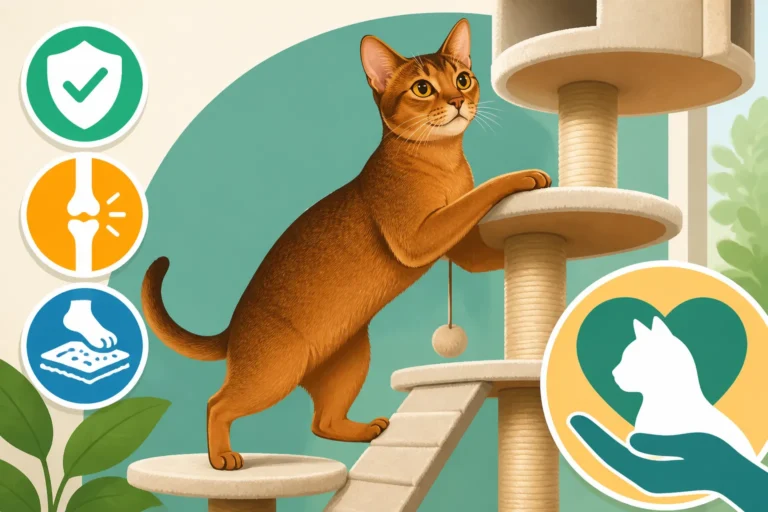
Consider high-sided, self-warming beds that mimic a den, perhaps one with a soft, fuzzy interior. Place it in a quiet, undisturbed corner of your room, or even just off to the side of your bed. Incorporate a worn t-shirt or blanket that smells like you to infuse your scent into their new space. Elevated cat trees with enclosed perches can also be attractive, as Abyssinians love to climb and perch. Amazon offers a vast selection of self-warming beds, cat caves, and elevated perches that could become a real contender against your mattress. Ensure these spots are consistently available and clean. Sometimes, the problem isn't that they don't like other beds, but that the other beds simply can't compete with the ultimate luxury of yours!
Setting Boundaries (If Desired)
For some owners, sharing the bed isn't ideal due to allergies, restless sleep, or simply personal preference. If you wish to set boundaries, consistency is paramount, but be prepared for a persistent Abyssinian. They are notoriously stubborn when they want something!
Start by providing those appealing alternative sleeping spaces before you try to keep them off your bed. When you're ready to enforce the boundary, gently but firmly move them off the bed whenever they try to get on. Consistency every single time, without exception, is crucial. This might mean several nights of disrupted sleep for you as they test your resolve. Consider a "cat-friendly" room where they can sleep comfortably if you need to close your bedroom door. It’s also important to ensure they are thoroughly played out before bedtime, so they are genuinely tired and more inclined to settle in their own spot. Remember, this isn't about punishing them, but about establishing clear expectations for their health and your own.
Embracing the Abyssinian Bed-Buddy Life
For many Abyssinian owners, the nightly bed invasion is not a problem at all; it's a cherished part of the bond. There’s something truly special about waking up to a warm, purring Abyssinian curled up beside you. If you've embraced this unique aspect of Abyssinian ownership, then lean into it!
Ensure your bedding is easy to clean, and consider a routine of grooming your Abyssinian to minimize loose hair. A soft brush once a week can do wonders for their coat and reduce shedding, making shared sleep more pleasant for both of you. Many find that the comfort and affection gained from sharing their bed with their Abyssinian far outweigh any minor inconveniences. After all, few things are as heartwarming as the unconditional trust and affection shown by a cat choosing to spend their most vulnerable hours right by your side. It truly speaks volumes about the depth of your connection.
Disclaimer
This article is for general informational purposes only and does not constitute professional advice. Laws, prices and regulations vary by location and change over time. Consult a qualified professional for guidance on your specific situation.