An Abyssinian Needs Brushing Once a Week and No More
It’s a common misconception that because Abyssinians have such a short, fine coat, they don't really need much in the way of grooming. You might think, "Well, there's not much hair to shed, so I'm good, right?" Oh, if only it were that simple! While they might not be the long-haired furballs that demand daily de-matting, the Abyssinian's unique ticked coat requires a specific, gentle approach to keep it in prime condition. This guide will walk you through exactly how often to brush your Abyssinian – and why doing it right, not more, is key.
Understanding the Abyssinian's Unique Coat
Let's start by appreciating what makes an Abyssinian's coat so special. It's truly one of the breed's defining characteristics, and understanding its structure is the first step to proper grooming. This isn't just any short cat coat; it's a marvel of natural design that gives them their distinctive shimmering appearance.
The Marvel of the Ticked Coat
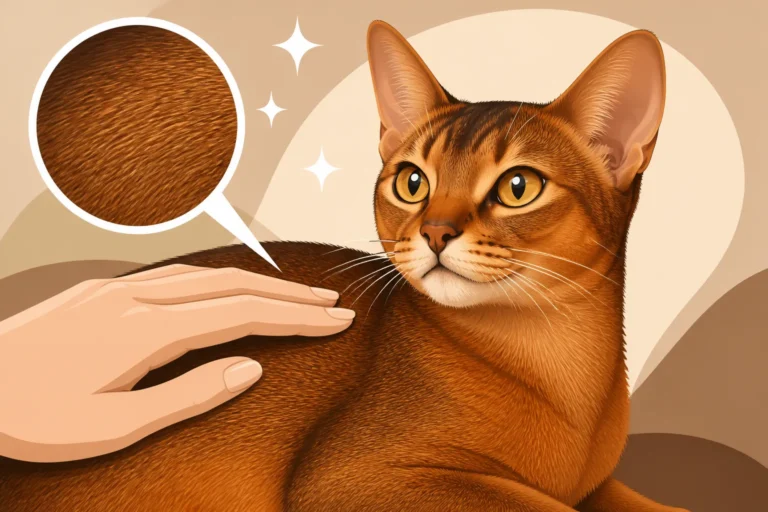
When you look closely at an Abyssinian, you'll notice their fur isn't striped like a tabby, nor is it a solid color. Instead, each individual hair shaft has bands of color – typically three or four, alternating between light and dark. This is what we call "ticking," and it's responsible for that gorgeous, shimmering effect that seems to change with every movement and shift of light. It's like their coat is alive, constantly moving and gleaming. This agouti banding is a trait often seen in wild felines, which is part of why Abyssinians have that captivating, wild-cat look, despite being utterly domesticated.
This intricate banding is incredibly delicate. Imagine each hair as a tiny paint chip, perfectly layered to create a subtle depth of color. When your Abyssinian moves, these bands catch the light differently, creating a dynamic, almost iridescent quality that's simply breathtaking. It's what makes a ruddy Abyssinian glow with warmth or a blue Abyssinian shimmer with cool elegance. It’s no wonder so many people are captivated by their coats; it's genuinely unique in the domestic cat world. To learn more about this fascinating trait, you might enjoy reading Why Each Abyssinian Hair Carries Three or Four Bands.
The Barely-There Undercoat
Another crucial aspect of the Abyssinian coat is its minimal undercoat. Unlike many cat breeds that have a dense, fluffy layer beneath their guard hairs, Abyssinians have very little, if any, true undercoat. Their fur lies close to their body, giving them a sleek, elegant silhouette. This lack of a thick undercoat is a double-edged sword: it means less shedding around the house, which is definitely a win for us owners, but it also means their skin is more exposed and their coat structure is less forgiving of harsh treatment.
This thinness is why they often feel warm to the touch and why they seek out sunbeams or cozy spots to nap. It also means that when you brush them, you're primarily working with those delicate, ticked guard hairs. Aggressive brushing or using tools designed for thick undercoats can easily damage these hairs, leading to breakage, dullness, and even a disruption of that beautiful ticking pattern. It’s a fine balance, respecting the natural structure of their unique fur. This aspect is also why Why the Ticked Coat Leaves an Abyssinian Almost No Undercoat is such an important topic for Abyssinian owners to understand.
Why Your Abyssinian Feels So Fine
Touch an Abyssinian, and you'll immediately notice how incredibly soft and silky their fur feels. It’s often described as feeling like a rabbit’s coat – incredibly fine, smooth, and luxurious against your fingertips. This luxurious texture is a direct result of the fine hair shafts and the close-lying nature of their coat. There's no coarse guard hair or bulky undercoat to interrupt the smoothness.
This silky texture is something to cherish, and it's also a great indicator of their overall health. A healthy Abyssinian will have a coat that feels like pure silk, glistening and smooth. If their coat starts to feel coarse, dry, or dull, it's often a sign that something might be amiss, either with their diet, environment, or health. Good grooming, combined with a balanced diet and plenty of hydration, helps maintain this exquisite feel, ensuring your Abyssinian not only looks stunning but feels wonderful to pet.
The Goldilocks Zone of Abyssinian Brushing: Once a Week
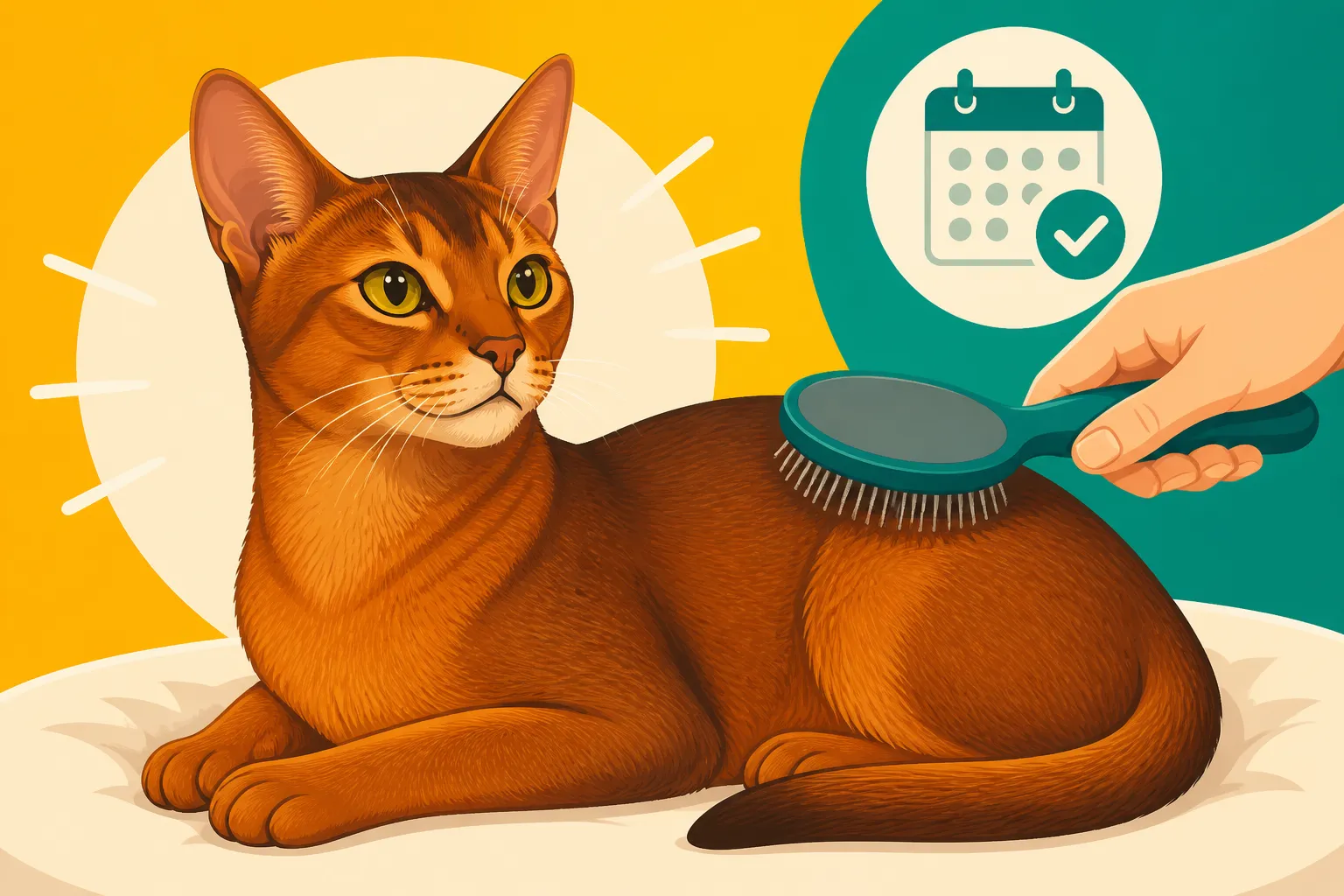
Now, let's get to the heart of the matter: how often should you actually brush your Abyssinian? Forget daily sessions or infrequent neglect. For an Abyssinian, once a week is the magic number – the "just right" frequency that keeps their coat healthy, minimizes shedding, and maintains its stunning ticked appearance without causing damage.
Over-Brushing: The Hidden Risks to the Abyssinian Coat
You might think that more brushing equals a healthier, shinier coat, but with an Abyssinian, that couldn't be further from the truth. Over-brushing, especially with the wrong tools, can actually be quite detrimental. Those beautiful ticked hairs are relatively delicate. Constant, vigorous brushing can lead to breakage, splitting, and ultimately, a duller, coarser coat. It's like over-styling your own hair; too much manipulation can strip it of its natural oils and vitality.
Furthermore, aggressive brushing can irritate your Abyssinian's sensitive skin. Remember, they have very little undercoat to protect them. Repeated friction on their skin can lead to redness, dryness, and discomfort, making future grooming sessions a battle rather than a bonding experience. It can even disturb the natural alignment of their unique agouti-banded hairs, making the coat appear flat or "matted" in a way that’s not truly tangled, but rather just disheveled from too much interference. This is precisely why Why the Wrong Brush Flattens an Abyssinian's Ticking is a crucial piece of knowledge for any Abyssinian owner.
Under-Brushing: It's Not as Harmless as You Think
On the flip side, neglecting grooming entirely isn't ideal either, even for a short-haired cat like the Abyssinian. While they don't mat easily, their coat does shed. Those fine, individual hairs can accumulate, leading to a build-up of dead hair that dulls the coat and increases the amount of loose fur around your home. More importantly, regular brushing helps to distribute their natural skin oils, keeping their coat healthy and shiny. Without this stimulation, the oils can become unevenly distributed, potentially leading to dry patches or a greasy appearance in certain areas.
Beyond aesthetics, brushing is also a fantastic opportunity for you to bond with your cat and perform a quick health check. During a weekly session, you can feel for any lumps, bumps, or skin irritations that might otherwise go unnoticed. You can also spot fleas or other parasites early. Skipping these sessions means missing out on these vital checks and a valuable opportunity to connect with your inquisitive feline friend.
The Benefits of a Consistent Weekly Routine
Establishing a consistent weekly brushing routine offers the perfect balance for your Abyssinian. It's frequent enough to remove loose hairs, stimulate blood circulation, and distribute natural oils, all of which contribute to a healthy, gleaming coat. Yet, it's infrequent enough to prevent over-grooming, ensuring those delicate ticked hairs remain intact and vibrant. This routine helps to minimize shedding, keeping your home tidier and reducing the likelihood of your cat ingesting too much loose fur, which can lead to hairballs.
Think of it as a weekly spa treatment for your Abyssinian. It's a moment of calm, focused attention that they often come to appreciate, even enjoy. It reinforces your bond, making them feel cared for and cherished. Plus, a regular schedule makes it easier for you to remember and commit to, turning what could be a chore into a pleasant ritual for both of you. A beautifully maintained coat is a direct reflection of consistent, mindful care, and a weekly brush-down achieves just that. This consistency is also touched upon in How a Weekly Comb Preserves an Abyssinian's Banding, highlighting the long-term benefits of regular, gentle care.
Choosing the Right Tools for Your Abyssinian's Coat
Selecting the correct grooming tools is paramount for an Abyssinian. Using the wrong brush can quickly undo all your good intentions and potentially damage their delicate coat. We're aiming for gentle stimulation and debris removal, not aggressive scrubbing.
Gentle Rubber Mitts: The Abyssinian's Best Friend
For the Abyssinian's unique coat, a soft rubber grooming mitt or brush is an absolute revelation. These tools are designed to be incredibly gentle, yet highly effective. The soft rubber nubs gently massage the skin, stimulating blood circulation and helping to loosen any dead hair without pulling or scratching. Because they don't have bristles that can snag or pull, they glide smoothly over the Abyssinian's fine, close-lying fur, preserving the integrity of each ticked hair.
You can find excellent rubber mitts on platforms like Chewy or Amazon, often under names like "grooming glove" or "curry brush for cats." When using one, simply don the mitt and gently stroke your Abyssinian from head to tail, following the natural lay of the fur. You'll be surprised how much loose hair these seemingly innocuous tools pick up! Plus, many cats adore the massaging sensation, turning grooming into a pleasurable petting session rather than a chore. It’s a win-win for both you and your cat.
The Finishing Touch: A Chamois Cloth for Shine
After a gentle session with a rubber mitt, a chamois cloth is the secret weapon for bringing out that incredible Abyssinian shimmer. A chamois (the kind you might use to dry your car, but please make sure it's a dedicated, clean one for your cat!) is incredibly soft and absorbent. When rubbed gently over your Abyssinian's coat, it helps to polish the hairs, distribute any remaining natural oils, and create a dazzling, high-gloss finish that really highlights their unique ticking.
The chamois cloth technique is especially good for show cats, but any Abyssinian owner can appreciate the enhanced brilliance it brings. It's a quick, final step that takes seconds but makes a visible difference, leaving their coat looking incredibly sleek, vibrant, and utterly gorgeous. It's about enhancing what nature has already provided, without any harshness or chemical products.
What Not to Use: Slicker Brushes and Deshedding Tools
This is where many well-meaning owners go wrong. When you see "deshedding" tools advertised, your first instinct might be to grab one, thinking it will solve any loose hair issues. However, for an Abyssinian, these tools, along with harsh slicker brushes, are an absolute no-go. Slicker brushes have fine, stiff wire bristles that are designed to penetrate dense undercoats and pull out mats. An Abyssinian simply doesn't have the undercoat to withstand this. These bristles will tear and break those delicate ticked hairs, ruining the texture and appearance of their coat, and potentially scratching their skin.
Deshedding tools, like those with fine, razor-like teeth, are even more destructive. They are engineered to strip out significant amounts of undercoat and loose topcoat. On an Abyssinian, this will not only damage the individual hairs but can also completely strip away the natural, healthy guard hairs, leaving bald patches or a very sparse, uneven coat. Always remember, the goal is gentle removal of loose hair and distribution of oils, not aggressive hair extraction. If you're unsure, always opt for softness and flexibility over stiffness and sharpness.
Mastering the Art of the Weekly Grooming Session
Making grooming a positive and stress-free experience for your Abyssinian is just as important as using the right tools and frequency. These intelligent and often sensitive cats thrive on routine and positive reinforcement.
Creating a Positive Grooming Experience
The key to successful grooming with an Abyssinian, or any cat really, is starting early and making it enjoyable. Begin when they're a kitten, if possible, with very short, gentle sessions. Use a soft rubber mitt and plenty of praise and treats. Associate grooming with positive things. Perhaps it's a special treat they only get after a brush, or a favorite toy that comes out immediately afterward. Choose a quiet time of day when your Abyssinian is relaxed, maybe after a play session when they're winding down, or during a snuggle.
Avoid forcing them. If they resist, stop for a moment, offer a treat, and try again, or simply postpone it until later. The goal is for them to see the grooming mitt as a friendly object, not a terrifying instrument. Consistency helps immensely; they'll learn to expect these gentle sessions and often come to enjoy the physical contact and massage. A calm demeanor from you will translate to a calmer cat, making the whole process much smoother for everyone involved.
The Gentle Stroke: How to Brush Without Disrupting the Ticking
When you're actually brushing your Abyssinian, think "stroke" rather than "scrub." Use slow, even, gentle strokes, always moving in the direction of hair growth, from head to tail. The rubber mitt should glide smoothly over their body, picking up loose hair as it goes. There’s no need for pressure; the nubs do the work. Pay particular attention to areas they might not reach themselves, like their back and the base of their tail.
The aim is to lightly lift any dead hair and distribute the natural oils across their coat. Avoid going against the grain, as this can ruffle their delicate hairs and disrupt the uniform lie of their ticked coat. This careful technique ensures that the unique banding of each hair remains undisturbed, preserving that iconic shimmering appearance that makes their coat so special. Remember, the less disruption, the better for that magnificent Abyssinian sheen.
Beyond the Brush: Quick Checks During Grooming
A weekly grooming session is more than just about coat maintenance; it’s an invaluable opportunity to perform a quick, head-to-tail health check. As you gently brush your Abyssinian, take a moment to run your hands over their entire body. Feel for any unusual lumps, bumps, or tender spots that might indicate an injury or a developing health issue. Check for any matting, though this is rare with their coat type.
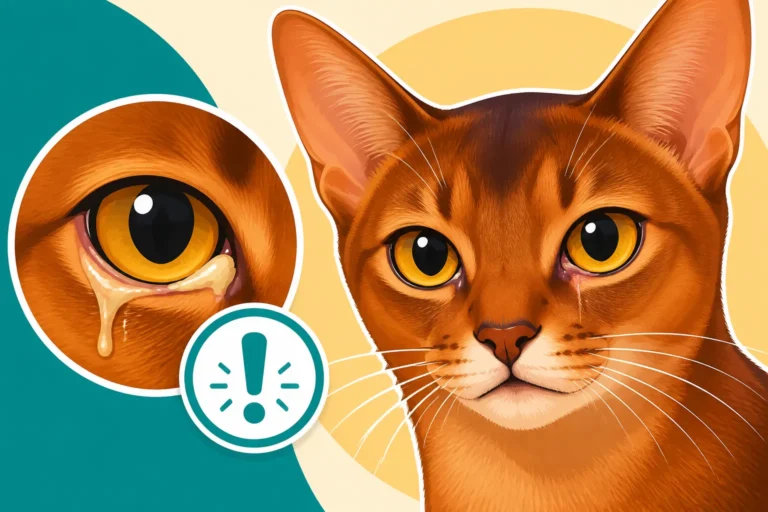
Beyond their fur, pay attention to their eyes, ears, and teeth. Their eyes should be clear and bright, free of excessive discharge. Their large, open ears should be clean and free of excessive wax, redness, or odor – any of which could indicate an ear infection or mites. Gently lift their lips to check their gums; they should be a healthy pink, and their teeth should be free of excessive tartar. This is also a perfect time to check their claws and trim them if necessary, especially important for such agile climbers. Think of these few minutes not just as grooming, but as a mini-vet check that empowers you to catch potential problems early.
Seasonal Changes and Your Abyssinian's Coat
Even with their minimal shedding, Abyssinians do experience slight changes in their coat throughout the year. Understanding these subtle shifts can help you adjust your grooming routine, if needed, and ensure their comfort in different climates.
The (Minimal) Spring Shed
While an Abyssinian won't produce mountains of fur like some double-coated breeds, they do tend to have a slightly more noticeable shed in the spring. As the days lengthen and temperatures rise, they naturally shed any denser winter growth to prepare for warmer weather. This "spring clean" for their coat is usually quite manageable thanks to their single-coat nature. You might just find a bit more loose hair on your rubber mitt during your weekly sessions, and perhaps a few more hairs clinging to furniture.
During this time, you might consider adding a second, shorter brushing session midweek if you notice a significant increase in loose hair. However, resist the urge to increase the intensity or use harsher tools. The goal remains gentle removal, simply adjusted for a slightly higher volume of shed. This minor increase in shedding is perfectly normal and a sign of their coat naturally adapting to the changing seasons.
Winter Warmth and Coat Thickness
Conversely, during the colder months, an Abyssinian's coat can subtly thicken, offering them a bit more insulation. While it won't become a dense, fluffy winter coat, you might notice the hairs feel slightly more substantial. This natural adaptation helps them stay comfortable, especially given their lack of a thick undercoat, which means they can feel the chill more than some other breeds. They're often found curled up in sunbeams, under blankets, or on warm laps during this time.
Your weekly brushing routine remains the same during winter. The gentle massage of the rubber mitt helps stimulate circulation, which can be particularly comforting in colder weather. Ensure your home environment is warm enough, especially if your Abyssinian enjoys their vertical spaces up high where cooler air can settle. Providing cozy beds or soft blankets in their favorite spots can also help them stay toasty.
Maintaining Coat Health Year-Round
Regardless of the season, the foundation of a healthy Abyssinian coat lies in overall wellness, particularly diet and hydration. A high-quality diet, rich in animal protein and essential fatty acids, provides the building blocks for healthy skin and a lustrous coat. Foods that prioritize real meat can make a noticeable difference in their coat's vitality.
Equally crucial is water intake. Abyssinians, like all cats, can be prone to kidney issues as they age, and ample hydration is key to supporting kidney health and overall well-being. Encourage your Abyssinian to drink by offering fresh water in multiple bowls, using ceramic or stainless steel dishes (some cats dislike plastic), or even investing in a feline drinking fountain. The more hydrated they are, the healthier their skin and coat will be, helping to keep that beautiful ticking vibrant and soft all year long. Remember, a glossy coat often reflects excellent internal health. What to Feed an Abyssinian That Never Stops Moving gives more insights into their dietary needs.
Addressing Common Abyssinian Coat Concerns
While Abyssinians generally have robust coats, some issues can arise. Knowing what to look for can help you address potential problems early and keep your cat looking and feeling their best.
Dullness and Coarseness: What These Might Indicate
If your Abyssinian's usually vibrant, silky coat starts to look dull, dry, or feel coarse to the touch, it's a definite red flag that something might be off. This isn't just an aesthetic issue; it's often an indicator of an underlying problem. Possible causes include an inadequate diet lacking essential nutrients and fatty acids, dehydration, or even a systemic illness. Sometimes, it's simply a reaction to environmental allergens or dry indoor air.
When you notice a change like this, your first step should be to review their diet. Are they getting high-quality protein and healthy fats? Next, assess their water intake. Is it sufficient? If these basic checks don't provide an answer, or if the dullness persists, it’s time for a vet visit. A veterinarian can rule out internal parasites, skin conditions, or more serious health issues. Catching these changes early can make a big difference in their treatment and recovery. This topic is also covered in Caring for an Abyssinian Whose Ticking Has Gone Coarse.
Excessive Shedding: A Rare but Important Sign
Compared to many breeds, Abyssinians are low-shedders. So, if you suddenly notice your Abyssinian shedding significantly more than usual, it’s something to pay attention to. While a slight increase in spring is normal, genuinely excessive shedding warrants investigation. Causes can range from stress, sudden changes in diet, or environmental factors (like excessively dry indoor air) to more serious health concerns such as hormonal imbalances, internal parasites, or even certain illnesses.
Consider recent changes in their life: a new pet, a move, a shift in your schedule, or even a new food. If you can't pinpoint an obvious cause, or if the shedding is accompanied by other symptoms like lethargy, changes in appetite, or skin irritation, a trip to the vet is in order. It's always better to be safe than sorry when it comes to sudden changes in your cat's health, especially with a breed known for its minimal shedding.
Skin Irritations and What to Look For
Because Abyssinians have such a fine coat and minimal undercoat, their skin is relatively exposed. This means they can be more susceptible to certain skin irritations. As you brush, always check for redness, flakes (dandruff), bumps, scabs, or any signs of itching or excessive licking. These could indicate allergies (food or environmental), flea dermatitis, ringworm, or other skin infections.
If you spot any skin issues, try to identify the cause. Have you changed their food, litter, or laundry detergent recently? Is there any evidence of fleas (tiny black specks, like pepper, on their skin)? If the irritation is persistent, severe, or accompanied by hair loss, consult your veterinarian. They can accurately diagnose the problem and recommend appropriate treatment, which might include medicated shampoos, dietary changes, or specific medications. Keeping an eye on their skin during your weekly grooming ritual is one of the most proactive things you can do for your Abyssinian's health.
Integrating Grooming into Overall Abyssinian Care
Grooming isn't just about their coat; it's an integral part of your Abyssinian's holistic health and well-being. By combining coat care with other essential routines, you ensure a happier, healthier, and more comfortable companion.
Beyond Brushing: Dental Care is Paramount
While their coat gets a lot of attention, one area that truly cannot be overlooked in Abyssinian care is their dental health. Abyssinians are unfortunately prone to certain dental issues, particularly a condition called juvenile gingivitis, which can start surprisingly young. This can lead to severe gum inflammation and even tooth loss if not managed aggressively. Therefore, brushing your Abyssinian’s teeth regularly, ideally daily, is far more important than any coat brushing.
Incorporating tooth brushing into your overall grooming routine might seem daunting, but it's a game-changer for their long-term health. Start with tiny sessions, introducing the brush and feline-specific toothpaste slowly, rewarding them generously. Regular professional dental cleanings under anesthesia will also be a lifelong necessity. Ignoring dental health can lead to significant pain, infection, and expensive vet bills down the line. Trust me, it’s worth the effort! For more on this critical aspect, see Brushing an Abyssinian's Teeth Matters More Than Its Coat and Why Abyssinian Dental Work Is the Biggest Line in the Budget.
Nail Trimming for the Agile Climber
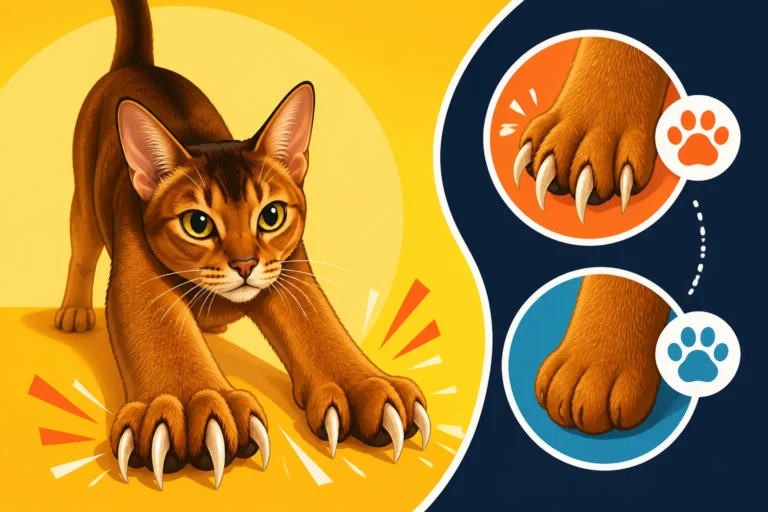
Abyssinians are renowned for their incredible athleticism and their love for climbing, jumping, and exploring vertical spaces. Their claws are essential tools for these aerial acrobatics. However, active claws still need regular trimming to prevent them from becoming too long, sharp, or prone to snagging on carpets or furniture. Overgrown claws can also curl around and grow into their paw pads, causing pain and infection.
Aim to trim your Abyssinian's claws every few weeks. You'll need a good pair of cat-specific nail clippers. Gently press on each toe to extend the claw, identify the quick (the pink part containing blood vessels and nerves), and snip just the sharp tip, avoiding the quick. If you’re unsure, ask your vet or a professional groomer for a demonstration. Making this a regular, calm part of your routine will ensure your agile climber has healthy paws for all their adventures. Check out How to Trim a Climbing Abyssinian's Claws for a more detailed guide.
Diet's Role in a Luminous Coat
We’ve touched on it before, but it bears repeating: your Abyssinian’s diet is probably the single biggest factor influencing the health and luster of their coat. A shimmering, soft, healthy coat truly starts from the inside out. If their diet is deficient in essential nutrients, no amount of external brushing or fancy shampoos will fully compensate.
Look for high-quality cat foods that list real meat (like chicken, turkey, or fish) as the first ingredient. Ensure they are rich in animal-based protein, and contain healthy fats like Omega-3 and Omega-6 fatty acids, which are crucial for skin and coat health. A well-balanced diet not only contributes to a beautiful coat but also supports their energy levels, immune system, and overall longevity. Think of it this way: their food isn't just fuel; it's the foundation for every aspect of their vibrant Abyssinian existence.
Here's a quick comparison of grooming tools to help you keep your Abyssinian's coat in tip-top shape:
| Tool Type | Good/Bad for Abyssinians | Reason | Impact on Coat |
|---|---|---|---|
| Rubber Grooming Mitt | GOOD | Gentle nubs massage skin, lift loose hair without snagging or pulling delicate ticked hairs. | Maintains coat integrity, distributes oils, promotes shine. |
| Chamois Cloth | GOOD | Polishes the coat, enhances natural sheen, removes fine dust, and smooths hair. | Creates a brilliant, glossy finish, highlights ticking. |
| Fine-toothed Comb | GOOD (Gentle Use) | Useful for removing very fine loose hairs or checking for fleas. Use with extreme care. | Helps keep coat free of debris, minimal risk if used gently. |
| Slicker Brush | BAD | Stiff wire bristles can break delicate ticked hairs, irritate sensitive skin, and flatten the coat. | Causes hair breakage, dullness, skin irritation, damages ticking. |
| Deshedding Tool | BAD | Designed to strip dense undercoats; will remove healthy guard hairs on an Abyssinian, causing damage. | Leads to hair loss, sparse patches, destroys coat texture. |
| Pin Brush | BAD | Can be too harsh, pulling out fine hairs and causing discomfort due to lack of dense undercoat protection. | Similar to slicker, can cause breakage and discomfort. |
Disclaimer
This article is for general informational purposes only and does not constitute professional advice. Laws, prices and regulations vary by location and change over time. Consult a qualified professional for guidance on your specific situation.