How a Weekly Comb Preserves an Abyssinian’s Banding
Anyone who lives with an Abyssinian knows that their coat is a marvel – a shimmering tapestry of color that catches the light with every move. But maintaining that unique, ticked appearance isn't just about aesthetics; it's vital for their skin health and overall comfort. This guide will walk you through the essential steps of a weekly combing routine designed specifically for the Abyssinian's distinct fur, helping you preserve its beautiful banding and keep your energetic companion feeling their best.
Understanding the Abyssinian Coat
The Abyssinian's coat is one of its most defining features, a breathtaking display of nature's artistry. It’s not just pretty to look at; its structure plays a significant role in how you should approach grooming. If you've ever wondered why your Aby feels so soft and looks so vibrant, it's all down to these unique characteristics.
What is Ticking?
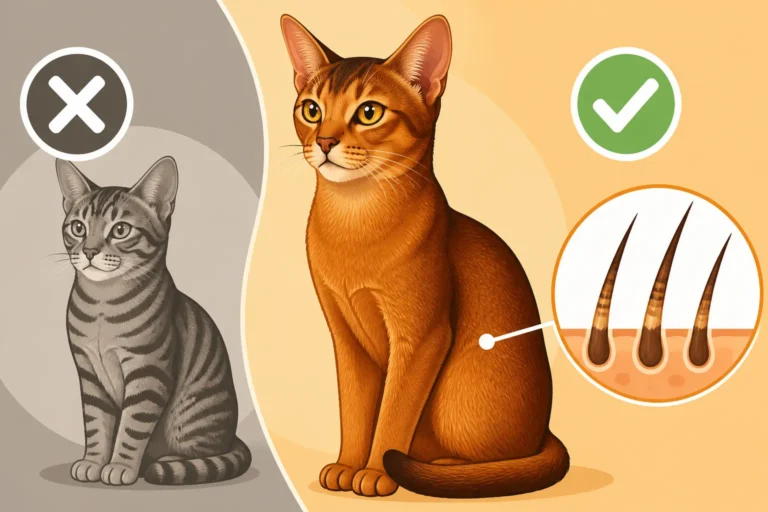
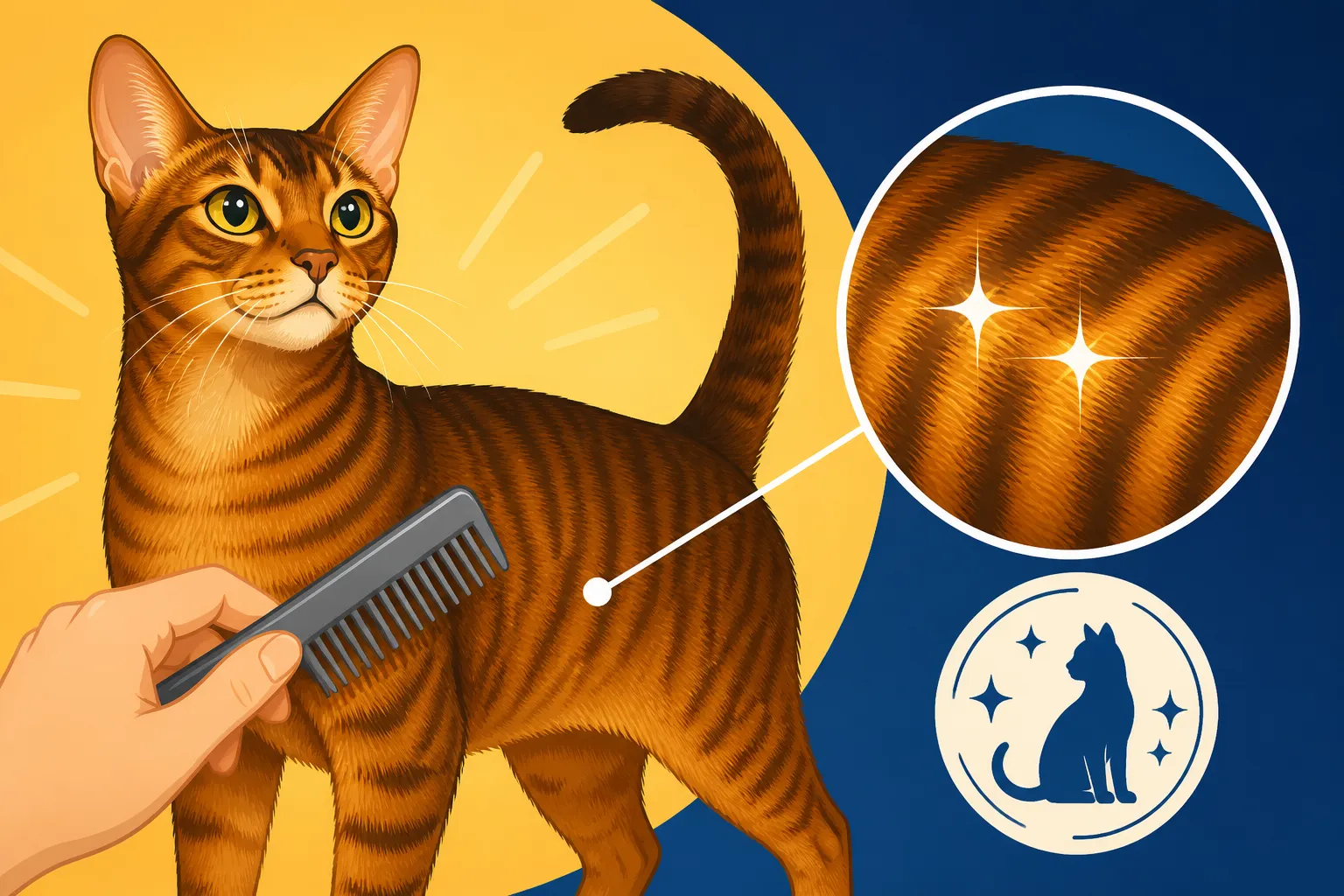
The hallmark of the Abyssinian breed is its "ticked" coat, a pattern where each individual hair shaft has multiple bands of color, typically three or four, alternating light and dark. This isn't your typical tabby stripe; instead, the ticking creates a subtle, shimmering effect that deepens and lightens as your cat moves. It's often compared to the coat of a wild rabbit, which is part of why Abyssinians are sometimes called "bunny cats." This intricate banding is what gives the breed its distinct, almost wild appearance, reminiscent of ancient Egyptian art. It’s what makes their coat truly sparkle.
Unlike other breeds where you might see distinct stripes, blotches, or solid colors, the Abyssinian's ticking is evenly distributed across the body, with darker shades usually appearing on the spine and lighter tones on the belly and inner legs. This careful distribution of color bands along each hair is a genetic marvel, and it's what creates that beautiful depth without any overt patterns. It’s this very quality that makes proper grooming so important – you want to maintain the integrity of those individual hairs and their delicate color transitions.
The Lack of Undercoat
One of the key reasons the Abyssinian coat feels so fine and lies so close to the body is its sparse undercoat. Most cats have a dense layer of soft, downy fur underneath their coarser guard hairs, which provides insulation and bulk. Abyssinians, however, have very little of this undercoat. This translates to less shedding and a sleeker silhouette, but it also means their skin has less protection. Because their coat is so thin and close-lying, it's incredibly important to ensure it remains healthy and free from tangles or debris that could irritate the skin directly.
This lack of a thick undercoat is a blessing and a curse. On one hand, it makes them feel wonderfully silky to the touch and means they shed less than many other breeds, which is a definite bonus for owners who are tired of finding fur everywhere. On the other hand, it means they aren't as insulated against cold as a cat with a dense double coat, and their skin is more exposed. This unique coat structure demands a gentle grooming approach; harsh brushes or aggressive combing can easily damage these delicate hairs and scratch their skin, undoing the very beauty you're trying to preserve. For more on this, you might find The Ticked Coat Is the Whole Abyssinian Grooming Job helpful.
Why the Banding Matters
The health of an Abyssinian's coat isn't just about looking good; it's a direct indicator of their overall well-being. The distinctive banding on each hair shaft is what gives the Abyssinian its rich, dynamic color. When the coat is healthy and well-maintained, these bands are clearly defined, giving the fur a vibrant, shimmering quality. If the coat becomes dull, greasy, or matted, the individual hair shafts can clump together, obscuring the ticking and making the coat appear flat and lifeless. This not only detracts from their beauty but can also signal underlying health issues.
Moreover, the integrity of the banding speaks to the overall condition of the hair itself. Healthy hair is strong, flexible, and capable of displaying its full range of colors. Damaged hair, whether from poor nutrition, environmental factors, or improper grooming, can become brittle, break easily, and lose its vibrant ticking. Maintaining that pristine banding through regular, appropriate grooming helps ensure each hair strand is clean, well-conditioned by natural oils, and free to move, allowing the light to play off the multiple color bands and giving your Abyssinian that coveted, luminous glow.
The Importance of Regular Grooming
Even though Abyssinians are known for their low-shedding, easy-care coats, "easy-care" doesn't mean "no-care." Regular grooming is a cornerstone of their health and happiness, preventing issues before they start and strengthening the bond between you and your feline friend. It's not just about vanity; it's about comfort and preventive care.
Preventing Matting and Tangles
While Abyssinians don't have a dense undercoat prone to severe matting like some long-haired breeds, they can still develop tangles, especially in areas like behind the ears, under the "armpits" (their chest and front leg joints), and around the hindquarters. These tangles, if left unattended, can quickly escalate into painful mats. Mats pull on the skin, causing discomfort and even skin infections if moisture gets trapped underneath. A weekly comb-through helps catch these small knots before they become major problems, keeping your cat comfortable and avoiding costly, stressful trips to the vet for mat removal.
Think of it like tending a fine tapestry. You wouldn't let threads snag and knot, distorting the pattern. The Abyssinian's coat is similar; each fine hair needs to lie correctly to maintain its appearance and function. Regular, gentle combing ensures that any loose hairs or minor tangles are removed, preventing them from fusing into larger, denser clumps. This is particularly important for active Abyssinians who love to climb and explore; their constant movement can sometimes contribute to minor snags if the coat isn't smooth.
Distributing Natural Oils
Just like human hair, a cat's fur benefits from the natural oils produced by their skin. These oils keep the coat healthy, supple, and protected. However, if these oils aren't evenly distributed, they can accumulate, leading to a greasy coat or dry patches of skin. Regular combing acts as a natural conditioner, spreading these beneficial oils from the skin down the entire length of each hair shaft. This process helps to hydrate the fur, giving it a healthy sheen and making it more resilient.
A well-oiled coat is also more resistant to dirt and debris, as the oils create a protective barrier. When you comb your Abyssinian, you're not just detangling; you're actively promoting a healthy skin and coat ecosystem. This natural conditioning keeps their fur soft to the touch and enhances the natural shimmer of their ticked pattern, making the individual bands of color stand out. It's a simple, effective way to ensure their coat looks and feels its very best.
Minimizing Shedding and Hairballs
Although Abyssinians are relatively low-shedding cats due to their single, fine coat, they still shed. Those tiny, fine hairs can end up all over your furniture, clothes, and eventually, inside your cat's digestive system, leading to hairballs. A weekly combing routine significantly reduces the amount of loose hair your cat ingests, thereby cutting down on the frequency and severity of hairballs. It's a much more pleasant experience for both of you than dealing with an uncomfortable cat trying to expel a hairball.
By actively removing shed hair, you're not only keeping your home cleaner but also supporting your Abyssinian's digestive health. Every hair you pull out with the comb is a hair that won't end up in their stomach. This is especially crucial because while Abyssinians are known for their endless energy, they're also masters of self-grooming. The more hair you remove, the less work your cat has to do, and the lower the risk of those dreaded gags and vomits from hairball accumulation. For more insights on this, read Why an Abyssinian's Single Ticked Coat Barely Sheds.
Choosing the Right Tools for Your Abyssinian
The effectiveness of your grooming routine hinges entirely on the tools you use. For an Abyssinian, who has such a unique and delicate coat, selecting the right comb and brush isn't just a preference—it's a necessity. Using the wrong tool can actually damage their beautiful ticking, irritate their skin, or make the whole experience unpleasant for them.
Fine-toothed Combs
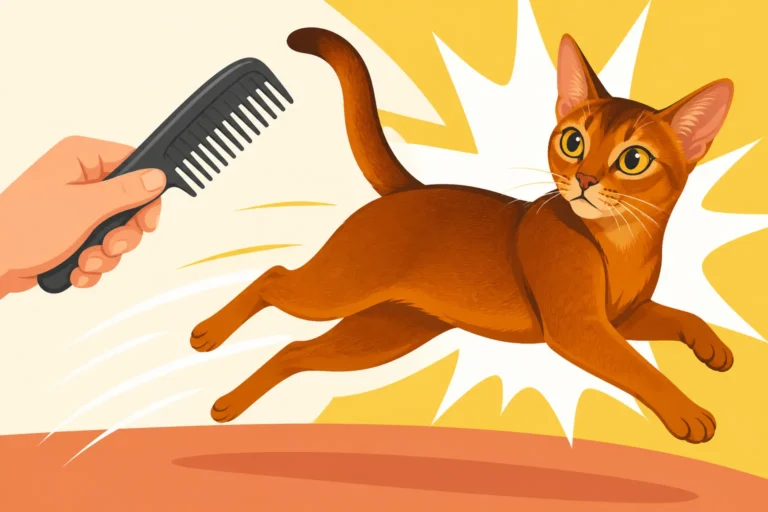
For an Abyssinian, a fine-toothed metal comb is your best friend. Look for one with smooth, rounded teeth that won't snag or scratch their skin. The fine spacing of the teeth is perfect for gently raking through their short, dense coat to remove loose hairs and any tiny debris or dander that might be clinging to the fur. A good quality comb will glide through the hair, separating each strand and helping to maintain the distinct ticking without pulling or causing discomfort. These are often available at pet stores or online retailers like Chewy.
When choosing a comb, consider one with both wider and finer teeth on opposite ends. You can start with the wider-spaced teeth for general detangling and then switch to the finer teeth for a more thorough removal of loose hair and to really define that beautiful banding. Remember, the goal is gentle separation, not aggressive pulling. Regular use of a suitable fine-toothed comb is instrumental in keeping their coat smooth, clean, and free of any hidden knots that could develop into mats.
Rubber Grooming Mitts
A rubber grooming mitt or a soft rubber brush, sometimes called a curry brush, can also be a valuable addition to your Abyssinian's grooming kit. These tools are fantastic for a few reasons: they are incredibly gentle, provide a pleasant massage for your cat, and are excellent at collecting loose hairs, especially during shedding season. The soft rubber nubs stimulate the skin, promoting blood circulation, which in turn supports a healthy coat.
Unlike stiff-bristled brushes, a rubber mitt won't pull at the fine Abyssinian hairs or damage the delicate ticking. It works by gently gripping loose fur and pulling it away, leaving the healthy hairs intact. Many Abyssinians absolutely adore the feeling of a rubber mitt, turning grooming time into a bonding experience. It’s also a great way to give their coat a final polish, bringing out that natural shine and making their color bands truly pop. For more on this, check out Which Grooming Mitt Suits an Abyssinian.
Brushes to Avoid
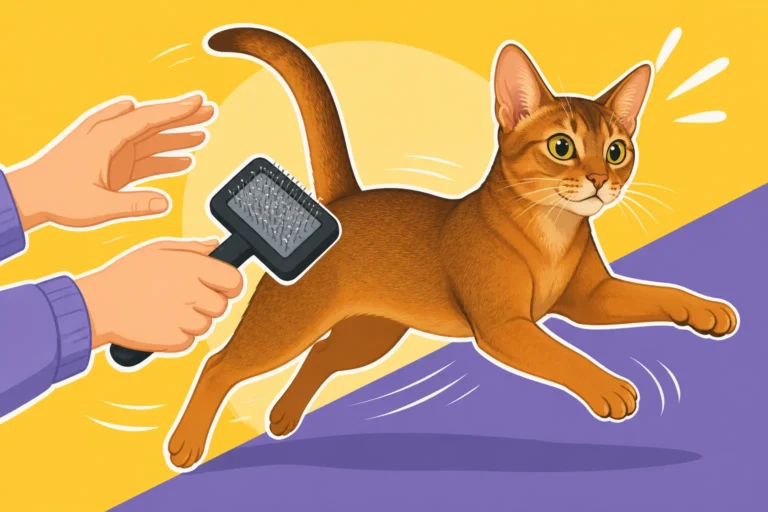
This is perhaps the most crucial section when it comes to Abyssinian grooming: knowing what not to use. Harsh brushes, like slicker brushes with their stiff wire bristles, or deshedding tools designed for cats with thick undercoats, are an absolute no-go for an Abyssinian. These tools are far too aggressive for their delicate single coat and will do more harm than good. A slicker brush can easily scratch their skin, pull out healthy hairs, and disrupt the natural lay of their coat, ruining the ticking.
Similarly, deshedding blades, while effective for breeds with dense double coats, can actually cut and damage the fine Abyssinian hairs, leaving their coat looking dull and stripped. Remember, Abyssinians have very little undercoat, so tools designed to pull out large amounts of undercoat are completely inappropriate. The goal is gentle maintenance, not aggressive de-shedding. Stick to fine-toothed combs and rubber mitts, and you'll protect their unique coat and keep your Abyssinian comfortable and happy. This is why Why a Deshedding Tool Ruins an Abyssinian's Ticking is so important to understand.
The Weekly Combing Routine
Establishing a regular, gentle grooming routine is key to maintaining your Abyssinian's stunning coat and making the experience enjoyable for both of you. Consistency and a calm approach will go a long way in turning what could be a chore into a pleasant bonding time.
Setting the Scene
Before you even pick up a comb, create a peaceful and comfortable environment for your Abyssinian. Choose a quiet time when your cat is relaxed, perhaps after a meal or a good play session when their energy levels are a bit lower. A soft towel on your lap or on a comfortable surface can make them feel secure. Have all your tools ready: your fine-toothed comb, a rubber mitt, and perhaps a few small, enticing treats to reward their cooperation.
Start with short sessions, especially if your Abyssinian is new to grooming or not particularly keen on it. Even five minutes of calm, gentle combing is better than a forced, stressful hour-long battle. The goal is to build positive associations, so always keep your tone of voice soft and reassuring. If they show signs of agitation, take a break and try again later. Patience is your greatest asset here; rushing the process can create a negative experience that makes future grooming sessions much harder.
Gentle Combing Techniques
When you begin combing, always work in the direction of hair growth, from head to tail. Start at the head and neck, moving down the back, sides, and eventually to the belly and legs. Use light, short strokes, rather than long, sweeping motions, to avoid pulling the hair. If you encounter a tangle, don't yank! Gently work it out with your fingers first, or use the wider teeth of your comb to tease it apart slowly. You can often find specialized detangling sprays at pet supply stores, or on sites like Amazon, which can help loosen stubborn knots, but always check if they are cat-safe.
Pay extra attention to areas where tangles are more common: behind the ears, around the "armpits," and the inside of the hind legs. These areas can accumulate loose fur and develop small knots unnoticed. As you comb, observe your cat's skin for any redness, bumps, or parasites. Their sparse undercoat means their skin is more exposed, making early detection of issues important. The finer teeth of your comb are perfect for going over the entire body, picking up stray hairs and really defining the ticking without disrupting it. An Abyssinian Needs Brushing Once a Week and No More delves deeper into this balanced approach.
Finishing Touches
Once you've thoroughly combed your Abyssinian and removed any loose fur or minor tangles, it's time for the finishing touches. Many owners like to follow up with a rubber grooming mitt. Gently rub the mitt over their coat in short, circular motions. This not only picks up any remaining loose hairs but also helps to polish the coat, enhancing its natural sheen and making the ticking truly sparkle. The rubber mitt also provides a pleasant massage that most Abyssinians adore, further cementing the positive association with grooming.
After the comb and mitt, give your Abyssinian a final pet and plenty of praise and treats. This reinforces that grooming is a positive experience. You might also want to finish with a quick wipe down with a chamois cloth – this truly makes their coat gleam. Regularly cleaning your grooming tools is also essential to prevent the spread of oils or debris. A clean comb means a cleaner, healthier coat for your Aby, ready to show off that gorgeous, well-preserved banding.
Common Grooming Mistakes to Avoid
Even with the best intentions, it's easy to fall into grooming traps that can harm your Abyssinian's coat rather than help it. Knowing what to steer clear of is just as important as knowing what to do, especially with a breed as unique as the Aby.
Over-Grooming and Its Effects
While regular grooming is essential, there's such a thing as too much grooming. Over-grooming an Abyssinian can strip their delicate skin of its natural oils, leading to dryness, flakiness, and even irritation. Their fine, single coat doesn't require daily rigorous brushing, and doing so can actually damage the hair shafts, making them brittle and more prone to breakage. This, in turn, can diminish the vibrancy and definition of their beautiful ticked banding.
Think of their coat as fine silk; gentle, intermittent care is far better than aggressive, daily scrubbing. A weekly session, perhaps two if they are particularly active or shedding a bit more, is generally sufficient. If you find yourself constantly brushing, examine your tools and technique. Are you using something too harsh? Are you pressing too hard? The goal is to assist their natural grooming, not replace it entirely or cause undue stress to their skin and fur. Remember, Why Over Grooming an Abyssinian Does More Harm Than None emphasizes a balanced approach.
Using the Wrong Tools
As mentioned before, using the wrong grooming tools is one of the most common and damaging mistakes you can make with an Abyssinian. Slicker brushes, deshedding rakes, or brushes with very stiff bristles are designed for cats with thick, dense undercoats, which Abyssinians simply do not possess. These tools can aggressively pull out healthy hairs, scratch their sensitive skin, and disrupt the delicate pattern of their ticked coat, flattening its natural shimmer.
Imagine trying to comb fine human hair with a wide-toothed detangling comb meant for thick, curly hair—it just wouldn't work effectively and might even cause damage. The same principle applies to your Abyssinian. Stick to fine-toothed metal combs with rounded tips and soft rubber grooming mitts. These tools are specifically suited to their coat type and will gently remove loose fur and distribute oils without causing damage or discomfort.
Ignoring Early Signs of Trouble
One of the biggest mistakes an owner can make is ignoring the subtle signals their Abyssinian's coat or skin might be sending. Changes in coat texture, excessive shedding, dullness, patchiness, redness, or persistent itching are all indicators that something might be amiss. These signs could point to anything from nutritional deficiencies to allergies, parasites, or even more serious underlying health conditions.
A healthy Abyssinian coat should be soft, shiny, and lie close to the body, with distinct ticking. If you notice a sudden change, don't dismiss it. Early intervention can often prevent a minor issue from becoming a major problem. Consult your veterinarian promptly if you observe any concerning changes in your cat's skin or coat, as it could be the first sign that your Aby needs medical attention. Consistent grooming helps you catch these issues early, potentially saving your cat discomfort and you worry.
Beyond the Comb: Holistic Coat Health
While regular combing is fundamental, a truly vibrant and healthy Abyssinian coat is the result of a holistic approach to care. What you put into your cat's body, and the environment they live in, play just as significant a role as the tools you use.
Nutrition's Role in a Healthy Coat
A gleaming, well-banded Abyssinian coat starts from the inside out. Your cat's diet directly impacts the health and quality of their fur and skin. A high-quality cat food rich in animal protein, essential fatty acids (like Omega-3 and Omega-6), and vitamins (especially A and E) is crucial. These nutrients are the building blocks for healthy hair growth, promoting a strong, shiny coat and supple skin. Look for foods where meat is the first ingredient, avoiding excessive fillers or artificial additives.
A diet lacking in these vital components can lead to a dull, dry, brittle coat, excessive shedding, or even skin issues. If your Abyssinian's coat isn't as vibrant as it should be, or if they seem to be shedding more than usual, consider reviewing their diet with your vet. Sometimes, a supplement designed to boost skin and coat health, often containing fish oil, might be beneficial, but always consult your veterinarian before adding anything new to your cat's regimen. Check out Which Protein Level Keeps an Abyssinian's Muscle On for more dietary considerations.
Hydration for Skin and Fur
Water is life, and it's absolutely essential for healthy skin and a lustrous coat. Dehydration can quickly manifest as dry, flaky skin and a dull, coarse coat that loses its beautiful ticked appearance. Abyssinians, like many cats, aren't always great at drinking enough still water from a bowl. Encouraging them to drink more is a critical part of maintaining their overall health and, by extension, their coat quality.
Consider incorporating wet food into their diet, as it provides a significant amount of hydration. Many Abyssinians also enjoy drinking from a running water source, so a pet water fountain can be an excellent investment. Place water bowls in multiple locations around the house, and ensure they are always clean and filled with fresh water. Adequate hydration keeps their skin supple, which is vital for new hair growth, and helps their natural oils flow smoothly, contributing to that signature Abyssinian sheen and well-defined banding. The importance of this is underlined in Why an Abyssinian's Kidneys Make Water Intake Matter.
Environmental Factors
Your Abyssinian's environment also plays a role in their coat health. Things like indoor humidity, temperature, and exposure to sunlight can all have an impact. In dry indoor environments, especially during winter with central heating, some cats might experience drier skin and a less vibrant coat. Using a humidifier can sometimes help alleviate this.
Sunlight, while enjoyable for sunbathing Abyssinians, can actually cause their coat colors to lighten and fade over time. If you notice your Abyssinian's beautiful ruddy or sorrel colors becoming less intense, consider providing them with shaded perches or limiting their direct sun exposure, especially during peak hours. Furthermore, ensuring their living space is clean and free of excessive dust or allergens can prevent skin irritation, which can indirectly affect coat quality. A well-maintained home contributes to a well-maintained Abyssinian, from nose to the tip of their gracefully tapered tail.
Grooming Tool Comparison
To help clarify which tools are best suited for your Abyssinian's unique coat, here's a quick comparison:
| Tool Type | Suitability for Abyssinian Coat | Pros | Cons |
|---|---|---|---|
| Fine-toothed Metal Comb | Highly Recommended | Excellent for removing loose hair, detangling small knots, defining ticking. Gentle on skin. | Can snag if used too aggressively on large tangles. |
| Rubber Grooming Mitt/Brush | Highly Recommended | Gentle massage, collects loose hair, polishes coat, enhances shine. Most cats enjoy it. | Not ideal for deep detangling or severe matting. |
| Soft Bristle Brush | Recommended | Good for gentle surface brushing, distributing oils, and massaging. | Less effective at removing loose hairs than a comb. |
| Slicker Brush | AVOID | Efficient for dense undercoats. | Harsh wire bristles damage fine Aby hair, scratch skin, ruin ticking. |
| Deshedding Tool (e.g., Furminator) | AVOID | Designed to remove large amounts of undercoat. | Cuts/damages fine Aby hair, completely unsuitable for single-coated breeds. |
It's clear that for the Abyssinian's delicate, ticked coat, less aggressive and more specific tools are the way to go. Focusing on fine-toothed combs and rubber mitts will ensure you preserve their natural beauty and keep them comfortable.
Disclaimer
This article is for general informational purposes only and does not constitute professional advice. Laws, prices and regulations vary by location and change over time. Consult a qualified professional for guidance on your specific situation.