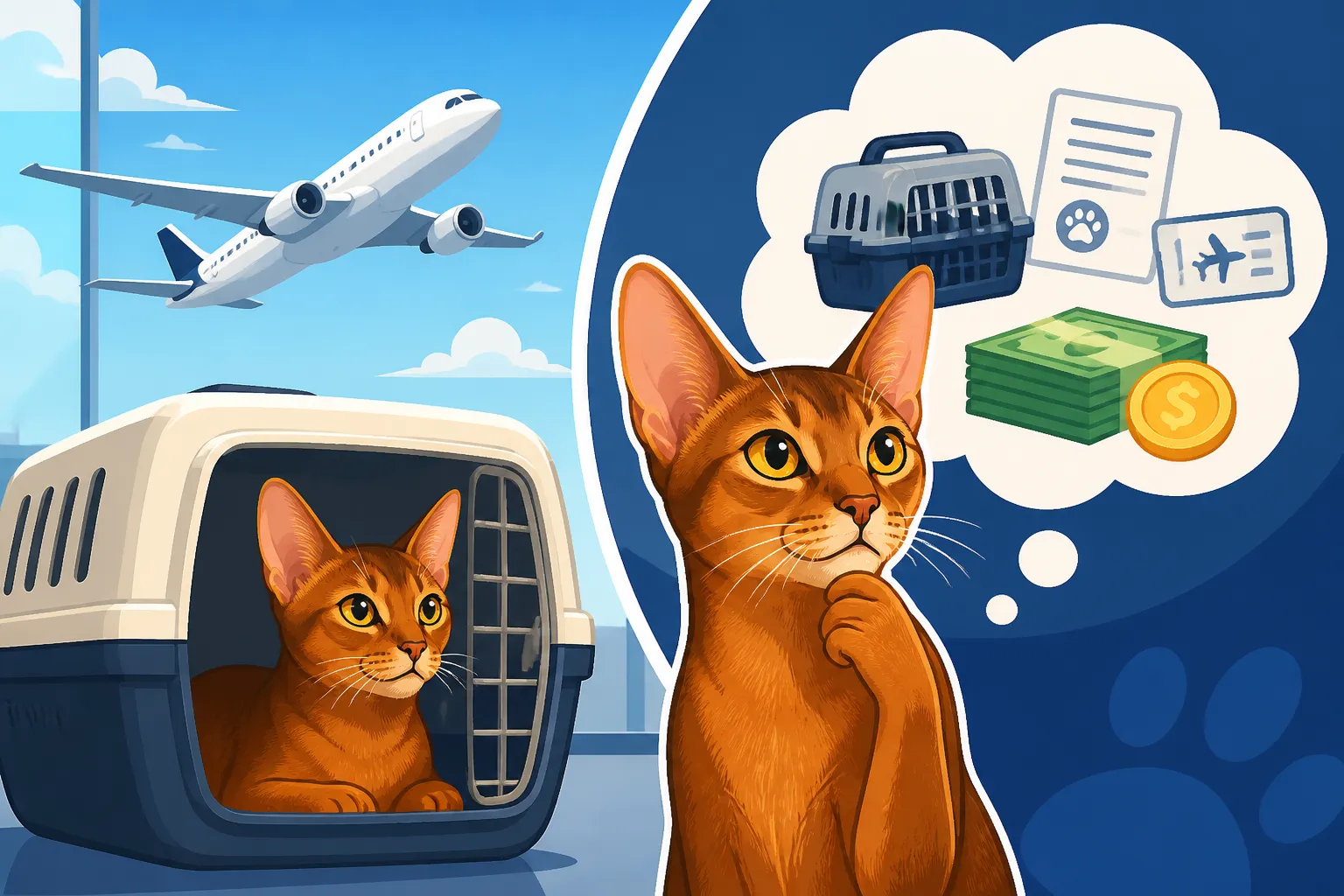
How Much It Costs to Fly an Abyssinian Home
Bringing your beloved Abyssinian home, especially if it involves air travel, can feel like navigating a maze of regulations, costs, and anxieties. It's not just about booking a flight; it's about ensuring your energetic companion arrives safely and comfortably, and that often comes with a price tag that catches many new owners off guard. This comprehensive guide will walk you through the various financial considerations and logistical hurdles involved in flying an Abyssinian, helping you understand where your money goes and how to prepare for a smooth journey.
Understanding the Core Flight Costs for Your Abyssinian
The first thing to realize is that flying a pet isn't like flying an extra piece of luggage. There are specific rules, varying widely between airlines and destinations, that directly impact the price you'll pay. It's rarely a flat fee and almost always involves more than just a simple ticket.
Airline Policies and Pet Fees
Every airline has its own set of rules regarding pet travel, and these can be surprisingly complex. Some airlines are simply more pet-friendly than others, offering better-equipped cargo facilities or more accommodating in-cabin policies. For instance, you might find that one carrier has a strict weight limit for in-cabin pets that your Abyssinian, with its lean but muscular build, might just exceed once you add the carrier's weight. Others might have breed restrictions or even seasonal embargos on pet travel due to extreme temperatures at departure or arrival locations. These policies aren't just suggestions; they are non-negotiable safety measures, and they directly translate into different cost structures.
The fees themselves can range from a relatively modest charge for an in-cabin pet to a significantly higher sum for cargo transport. These charges often cover the specialized handling, temperature-controlled environments (for cargo), and the booking of your pet's space on the flight. It's not uncommon for these fees to fluctuate based on the route, the time of year, and even the type of aircraft. Always check the specific airline's pet policy page, not just a general fare search, as these details are often buried deep in their terms and conditions. How Much It Costs to Fly an Abyssinian Home will depend heavily on the airline you select and their individual regulations.
Distance and Destination Impact
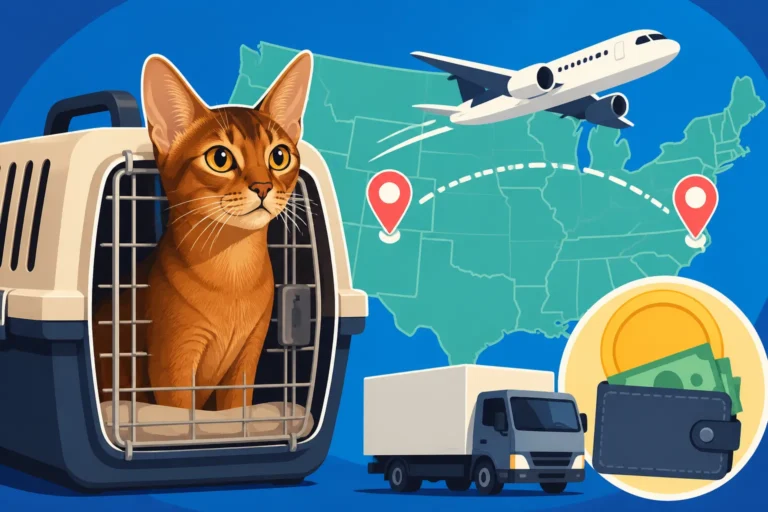
Naturally, the distance your Abyssinian travels will be a major factor in the overall cost. A short domestic hop across a few states will invariably cost less than an international journey spanning continents. International travel introduces a whole new layer of complexity and expense, primarily due to varying import regulations, quarantine requirements in certain countries, and the need for more extensive veterinary documentation.
For instance, flying your Abyssinian from California to New York is one thing; flying them from New York to London is another entirely. The latter might involve additional customs brokerage fees, import permits, and potentially even a mandatory quarantine period, each adding to the financial burden. Connecting flights also need careful consideration. Some airlines might not allow pets on certain connecting flights, or layovers could be too long, increasing stress for your cat and potentially requiring overnight boarding at the airport's pet facility, which is another cost. The longer the journey, the more potential points of failure and additional costs you'll encounter, so planning a direct flight whenever possible, even if it seems slightly more expensive upfront, can often save money and stress in the long run.
Carrier Requirements and Comfort
The travel carrier itself is another cost component, but it's also a critical investment in your Abyssinian's safety and comfort. Airlines have very strict requirements for pet carriers, especially for those traveling in cargo. These often include specific dimensions, materials, ventilation, "Live Animal" labels, food and water dishes accessible from the outside, and secure fastenings. You can't just grab any old carrier from a discount store. A high-quality, airline-compliant hard-sided carrier can be a significant purchase.
For in-cabin travel, soft-sided carriers are usually permitted, but they still need to fit under the seat in front of you. While this might seem less expensive, the specific dimensions can be tricky, and you might find yourself needing a new carrier specifically for air travel. Remember, your Abyssinian needs enough room to stand up, turn around, and lie down comfortably in the carrier. Choosing one that's too small to save a few dollars on the purchase price is not only unkind to your cat but could lead to the airline refusing travel. Investing in a good quality carrier from a reputable retailer like Chewy, one that meets IATA (International Air Transport Association) standards, is non-negotiable and part of the core cost. Understanding What an Abyssinian Carrier Needs to Be is vital before you even book a ticket.
Beyond the Airfare: Hidden Costs You Might Not Expect
When you're budgeting for your Abyssinian's flight, it's easy to focus solely on the ticket price. However, there are many other essential expenses that can quickly add up, often surprising first-time pet travelers. These aren't hidden in a deceptive way, but rather fall outside the typical "flight cost" calculation.
Veterinary Care and Health Certificates
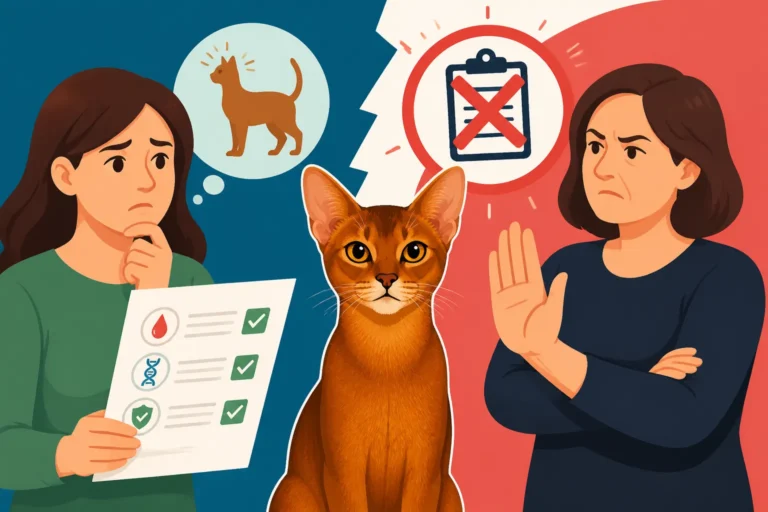
Before your Abyssinian can even step paw near an airport, it will need a thorough health check from your veterinarian. This is non-negotiable for most flights, especially international ones. Your vet will need to issue a health certificate, typically within a specific timeframe (often 10 days or less) before travel. This certificate confirms your cat is healthy enough to fly and free from any signs of infectious disease. The cost of this visit, plus any necessary vaccinations or treatments, can vary significantly.
Beyond the basic check-up, some destinations require specific tests, like rabies titers, or additional vaccinations. If you're traveling internationally, the health certificate might also need to be endorsed by a government agency, like the USDA in the United States, which adds another fee and time-sensitive logistical step. Sometimes, depending on the destination, this process can involve multiple vet visits and several layers of approval. This is not the time to cut corners, as an incomplete or expired health certificate will undoubtedly lead to your Abyssinian being denied boarding. It's a critical component of ensuring your cat's well-being and legal entry, and preparing for it well in advance is paramount. If your Abyssinian shows any signs of illness before travel, like being lethargic, you'll need to address that immediately, and Why a Lethargian Abyssinian Needs Blood Work Fast becomes a priority.
Specialized Travel Gear
While we touched on the carrier, there are other specialized items that might be necessary or highly recommended for your Abyssinian's journey. For instance, proper identification is crucial. This means not just a collar with an ID tag, but also ensuring your Abyssinian is microchipped and that the chip is registered with up-to-date contact information. Some countries require specific types of microchips.
You'll also need to consider travel-specific accessories. This could include a water dispenser that attaches to the carrier door, spill-proof food bowls for long journeys, absorbent bedding that stays put, and perhaps even Feliway spray or wipes to help reduce travel anxiety. For longer trips, you might need to pack a small bag of your Abyssinian's usual food to prevent stomach upset from a sudden diet change. All these items contribute to the overall cost, but they are vital for your cat's comfort and safety during what can be a stressful experience. Retailers like Chewy offer a wide range of airline-approved travel essentials that can make the journey much smoother for your furry friend.
Paperwork, Permits, and Customs
International travel, in particular, is a minefield of paperwork. Each country has its own set of import regulations for pets, and these can be incredibly detailed and strict. You might need to apply for an import permit weeks or even months in advance of your travel date. These permits often come with an application fee. Ignoring this step can lead to your Abyssinian being denied entry or even quarantined upon arrival, incurring massive unforeseen costs and considerable distress.
It's not just permits; customs duties or taxes on imported animals are also a possibility in some places. Navigating these requirements can be so daunting that many owners opt to use a professional pet relocation service, which, while more expensive, handles all the intricate paperwork and logistics. While this might seem like an extravagance, the peace of mind and assurance that all legal requirements are met can be invaluable. This comprehensive paperwork ensures a smooth transition, avoiding any last-minute delays or additional charges that could arise from non-compliance. These are all considerations that add to the cost, and it's wise to consider them as part of What an Abyssinian Costs Over Fifteen Years.
Weighing Your Options: In-Cabin, Cargo, or Dedicated Pet Transport?
When it comes to flying your Abyssinian, you generally have a few primary methods, each with its own benefits, drawbacks, and, of course, price points. Understanding these differences is key to making the best choice for your cat and your budget.
Flying in the Cabin with Your Abyssinian
For many Abyssinian owners, the ideal scenario is to have their cat with them in the plane's cabin. This provides immense peace of mind, allowing you to monitor your cat and offer comfort throughout the flight. However, this option comes with strict limitations. Airlines typically require the pet (and its carrier) to be small enough to fit under the seat in front of you. This usually means a combined weight limit that your Abyssinian, with its active nature and slender frame, might still push, especially as an adult. How Much an Adult Male Abyssinian Weighs or How Much an Adult Female Abyssinian Weighs can often be close to or exceed these limits once you factor in a carrier.
The cost for in-cabin travel is generally a fixed fee, which is often less than cargo fees. However, space is incredibly limited, usually to only one or two pets per flight, and these spots fill up quickly. You need to book well in advance. While it’s the least stressful option for both you and your Abyssinian, if your cat or its carrier exceeds the airline's dimensions or weight, this option simply won't be available, no matter how much you wish it were. The benefit of direct oversight and immediate comfort, however, is often seen as worth the effort to secure this coveted spot.
The Cargo Hold: A Necessary Evil for Larger Abyssinians
If your Abyssinian is too large or too heavy for in-cabin travel, or if you're traveling internationally, the cargo hold often becomes the only viable option. This method involves your cat traveling in a temperature-controlled, pressurized compartment beneath the passenger cabin. While the thought of this can be incredibly anxiety-inducing for owners, airlines that transport live animals in cargo are required to adhere to strict safety regulations.
Cargo costs are generally higher than in-cabin fees, as they account for more specialized handling, often by dedicated ground staff, and the larger space required for the IATA-compliant crates. Factors influencing the cost include the size and weight of the carrier (and cat), the duration of the flight, and whether it's a direct route or involves connections. Direct flights are always preferred to minimize stress and transfer risks. Some airlines have restrictions on "snub-nosed" breeds, though Abyssinians are not typically in this category. However, always verify any breed-specific policies. It's a pragmatic solution for many, but it undeniably requires a leap of faith and thorough research into the airline's pet cargo reputation. You want to reduce any undue stress on your Abyssinian as Why a Suddenly Still Abyssinian Needs a Vet might become a concern if they are not well-handled.
Professional Pet Relocation Services
For those with complex travel plans, multiple pets, or simply a desire to offload the immense logistical burden, a professional pet relocation service can be a lifesaver. These companies specialize in handling every aspect of pet travel, from booking flights and arranging ground transport to navigating health certificates, import permits, customs, and even quarantine arrangements. They act as your expert guide and administrator through the entire process.
The primary drawback, as you might guess, is the cost. These services come with a significant premium compared to booking everything yourself. However, what you're paying for is expertise, peace of mind, and a drastically reduced stress load. They know the ins and outs of international regulations, often have established relationships with airlines, and can foresee potential issues before they arise. For long-haul, multi-country moves, or when time is of the essence, a service like this can justify the expense. They ensure all documents are correct, all timelines are met, and your Abyssinian's journey is as smooth and uneventful as possible.
Budgeting and Preparing for a Smooth Journey
Flying with a pet, especially an Abyssinian known for its high energy and intelligent curiosity, is a big undertaking. Proper preparation and a realistic financial outlook are your best allies in ensuring a successful and less stressful experience for everyone involved.
Crafting a Realistic Travel Budget
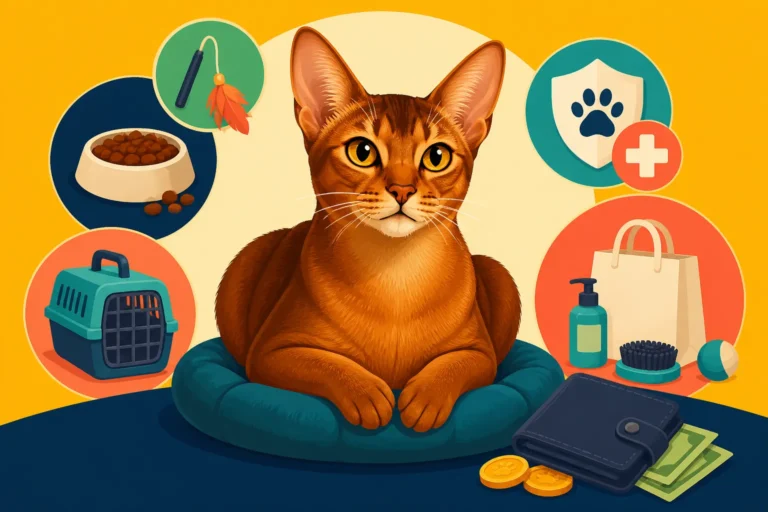
It's easy to underestimate the total cost of flying an Abyssinian. Beyond the airline fees and carrier, you need to factor in all the potential "hidden" costs we discussed. A good approach is to create a detailed spreadsheet, listing every single potential expense: initial vet visit, specific vaccinations, health certificate fee, USDA endorsement, import permits, the airline pet fee (for in-cabin or cargo), the cost of an IATA-compliant carrier, specialized travel bowls, calming aids, extra identification tags, and even a pet sitter or boarding facility if there's an unexpected delay.
Don't forget to include a contingency fund. Unexpected issues, such as a missed connection requiring an overnight stay, or a last-minute vet requirement, can quickly add unforeseen expenses. Aim to have at least 15-20% extra budgeted for emergencies. Research current costs for all services and products, and call airlines and government agencies directly to confirm pet policies and fees, as these can change without much notice. Being meticulously organized with your budget will prevent any nasty surprises and help you prepare financially for What an Abyssinian's First Year Actually Costs or indeed its overall lifetime expenses.
Acclimation and Training for Travel
The financial cost is one thing, but the emotional cost on your Abyssinian is another. Minimizing stress for your cat should be a top priority, and that starts long before travel day. Begin acclimating your Abyssinian to its travel carrier well in advance. Leave the carrier open with comfortable bedding and treats inside, encouraging your cat to enter and exit voluntarily. Feed meals inside it. Gradually increase the time your cat spends in the carrier, taking short car rides to simulate travel. This helps your cat associate the carrier with positive experiences, reducing fear on the actual travel day.
Consider using pheromone sprays or diffusers, like Feliway, inside the carrier or around your home in the days leading up to travel. These can help create a sense of calm. Avoid sedatives unless explicitly recommended by your vet, as they can sometimes interfere with a cat's ability to regulate body temperature or react to their environment, especially at altitude. Remember, an Abyssinian is a highly intelligent and observant cat, so making the carrier a safe, familiar space is crucial. Even simply having the carrier out and about, being part of the furniture, can make a huge difference to their acceptance.
Protecting Your Investment: Pet Insurance Considerations
While pet insurance doesn't directly reduce the cost of flying your Abyssinian, it can be an invaluable safety net for unexpected health issues that might arise during or immediately after travel. Stress from travel, changes in environment, or exposure to new pathogens can sometimes trigger latent health problems or create new ones. Having a pet insurance policy, such as those offered by Healthy Paws, can help cover the costs of emergency veterinary care, diagnostic tests, or treatments if your Abyssinian falls ill.
It's wise to enroll your Abyssinian in a policy well before travel, as most plans have waiting periods before coverage begins. This way, if something goes wrong, you're not facing massive vet bills on top of all your travel expenses. Given the Abyssinian's propensity for certain hereditary conditions, like Pyruvate Kinase Deficiency or Renal Amyloidosis (though thankfully the latter cannot be tested for directly by gene), having insurance can provide significant financial relief throughout their life. Whether Pet Insurance Is Worth It for an Abyssinian is a question many owners ponder, and in the context of travel, its value becomes even clearer. Thinking about long-term care and potential issues, including possible costs associated with What Kidney Failure Looks Like in a Young Abyssinian, makes insurance a smart, if indirect, investment in your travel budget.
Disclaimer
This article is for general informational purposes only and does not constitute professional advice. Laws, prices and regulations vary by location and change over time. Consult a qualified professional for guidance on your specific situation.