How to Stop an Abyssinian Knocking Things Off Shelves
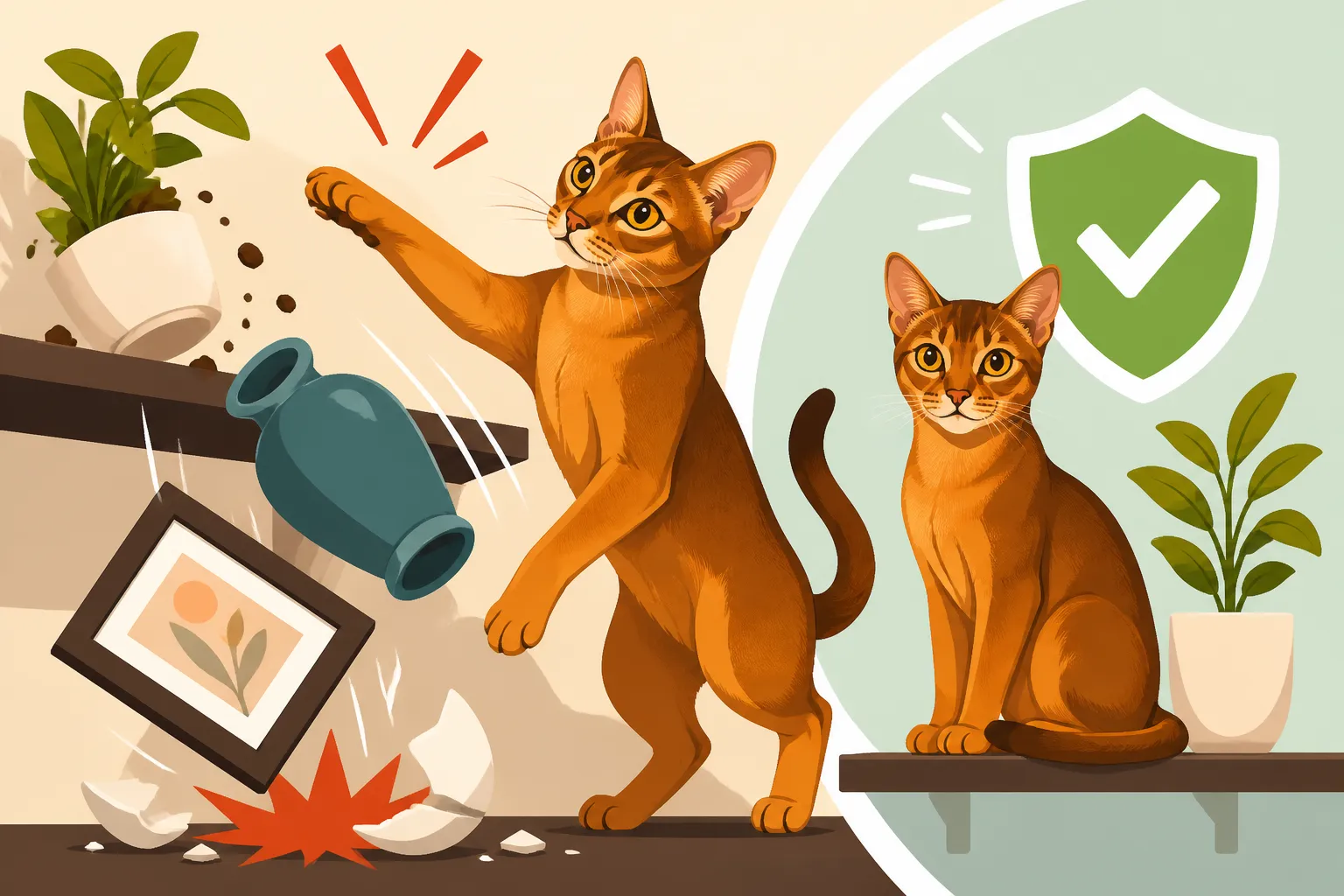
If you're living with an Abyssinian, you've probably experienced that heart-stopping moment when a treasured item goes flying from a shelf, or watched in slow-motion horror as a delicate vase teeters on the edge of oblivion. Abyssinians are notorious for their curiosity, intelligence, and incredible agility, which often translates into them exploring every nook and cranny, especially high places, and sometimes sending your belongings crashing to the floor. This guide will help you understand why your Abyssinian engages in this gravity-defying, shelf-clearing behavior and, more importantly, equip you with practical strategies to manage it, ensuring both your sanity and your possessions remain intact.
Unpacking the Abyssinian's Shelf-Clearing Tendencies
It's easy to get frustrated when your favorite mug becomes a casualty of your cat's antics, but understanding the underlying motivations behind an Abyssinian's behavior is the first step toward a more peaceful coexistence. These cats aren't knocking things off shelves out of malice; they're driven by deeply ingrained instincts and their unique breed traits.
The Inherent Curiosity and Intelligence
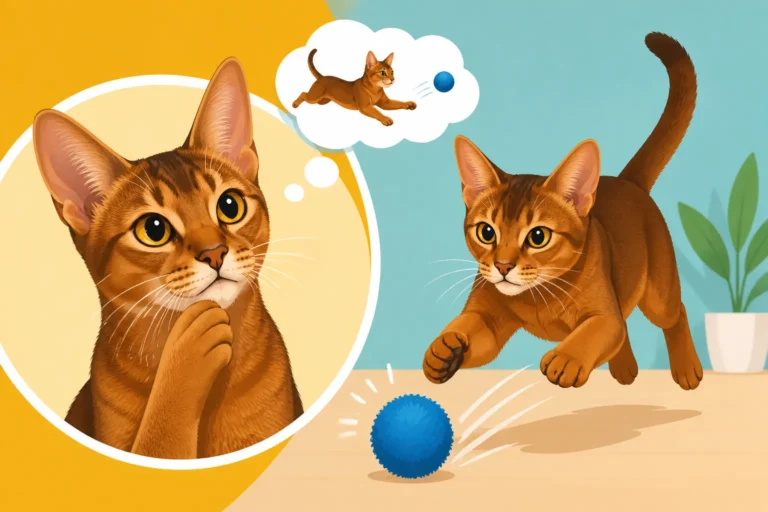
Abyssinians are incredibly intelligent and intensely curious creatures. Their minds are constantly whirring, seeking out new stimuli and ways to interact with their environment. A shelf full of objects isn't just a display area to them; it's a giant, three-dimensional puzzle box waiting to be solved. Each item presents a new texture, shape, and weight to investigate.
They often learn by doing, and that includes experimenting with gravity. Pushing an object off a shelf creates movement, sound, and a change in their environment – all highly stimulating things for a bright, active cat. It's a fundamental part of how they explore and understand the world around them. Think of it as their scientific method, a series of experiments to see what happens. This innate drive to explore every corner of their domain is a hallmark of the breed, a big part of why The Abyssinian Is the Busiest Cat in the House.
Attention-Seeking Behavior
Let's be honest, few things get your attention faster than the crash of something hitting the floor. Abyssinians are highly social cats who thrive on interaction with their human companions. If they're feeling a bit overlooked, or if their usual attempts to engage you aren't working, they quickly learn that sending an item sailing can be a very effective way to get you to look their way, even if it's with a shout of "No!" or a sigh of exasperation.
They're not picky about the type of attention; any response is often better than no response at all in their eyes. This isn't to say you should ignore them completely, but it highlights the importance of proactive engagement rather than reactive scolding. If an Abyssinian feels like they have to resort to destructive behavior to get a rise out of you, they will.
Boredom and Lack of Stimulation
An under-stimulated Abyssinian is a recipe for trouble. These cats have high energy levels and sharp minds that need constant engagement. If they don't have enough appropriate outlets for their energy and intelligence, they will find their own entertainment, and often, that means turning your home into their personal playground and demolition derby. What an Abyssinian Does When It Is Bored is rarely something you'll appreciate.
Leaving an Abyssinian without enriching activities or sufficient play can lead to an increase in undesirable behaviors, including knocking things off shelves. They might be trying to initiate a game (even if you're not participating), or simply creating a chaotic, interesting environment because their own is too dull. It's a cry for mental and physical stimulation, a sign that their needs aren't being fully met.
Creating an Enriched and Cat-Proofed Environment
Since prevention is often the best cure, the goal is to create a living space that satisfies your Abyssinian's instincts while protecting your belongings. This means thinking like an Abyssinian and making strategic adjustments to your home.
Maximizing Vertical Space
Abyssinians are climbers and perchers by nature; they absolutely adore high places. Providing ample, sanctioned vertical territory is crucial. If they don't have approved spots to survey their kingdom, they will claim your bookshelves, cabinets, and mantelpieces as their own. Think about cat trees, wall-mounted shelves, and cat "highways" that allow them to ascend and traverse your home safely.
Look for sturdy cat trees on platforms like Amazon that offer multiple levels and scratching surfaces. Wall-mounted shelving systems designed for cats are also fantastic for Abyssinians, giving them paths and perches without eating up floor space. Remember, An Abyssinian Needs Height More Than It Needs Floor, so investing in vertical real estate is paramount. The more appealing and accessible these designated high spots are, the less likely they are to view your decorative shelves as their next climbing challenge.
Securing and Rearranging Valuables
It might sound obvious, but the simplest solution for protecting cherished items is to make them inaccessible or secure. This doesn't mean you have to live in a barren home, but it does require some thoughtful consideration. Consider moving fragile or irreplaceable items to enclosed cabinets with childproof latches, or to rooms where your Abyssinian isn't allowed unsupervised.
For items that must remain on open shelves, employ museum wax or earthquake putty to adhere them firmly to the surface. This allows you to keep your decorations while making them much harder for a curious paw to dislodge. For heavier items, ensure they are stable and not prone to tipping. Sometimes, simply rearranging items to be further back on a shelf, out of the cat's initial pawing reach, can make a difference.
Providing Appropriate Scratching and Play Outlets
Part of an Abyssinian's energetic personality involves a lot of play, which includes batting, pouncing, and scratching. They need suitable outlets for these behaviors. Ensure you have a variety of scratching posts – both vertical and horizontal – made from different materials like sisal, cardboard, and carpet.
Beyond scratching, offer a rotating selection of toys. Wand toys, crinkle balls, and even something as simple as a crumpled piece of paper can provide entertainment. Interactive toys, like puzzle feeders, are particularly excellent for engaging an Abyssinian's intelligent mind. You can find a wide assortment of puzzle feeders on Amazon that challenge your cat to work for their treats, channeling their problem-solving instincts positively. Remember, a bored Abyssinian will find ways to entertain themselves, and those ways might not align with your home decor.
Strategic Play and Redirection Techniques
Beyond environmental changes, active engagement and redirection are key to teaching your Abyssinian what is acceptable to play with and where. This requires consistency and patience, but the results are well worth the effort.
Scheduled Play Sessions
Abyssinians thrive on routine, and structured play sessions are incredibly important for draining their boundless energy. Aim for at least two to three dedicated play sessions per day, each lasting about 10-15 minutes, using interactive wand toys. These sessions should mimic hunting behavior: stalking, pouncing, and a final "kill" where they catch the toy.
Ending a play session with a small meal or treat helps to complete the hunting cycle, promoting satisfaction and reducing the urge to hunt your ornaments. Consistent, high-energy play helps to tire them out physically and mentally, making them less inclined to seek out "trouble" on your shelves. Think of it as a directed outlet for their natural predatory instincts. These sessions are crucial for satisfying their need for activity, which is detailed further in How Much Play an Abyssinian Needs Each Day.
Positive Reinforcement and Redirection
When you see your Abyssinian eyeing a shelf or starting to bat at an object, don't scold them directly. Instead, redirect their attention immediately to an appropriate toy or scratching post. If they choose the toy, reward them with praise, a treat, or continued play. Positive reinforcement is far more effective than punishment, which can create fear and anxiety without addressing the underlying behavior.
Consider using a clicker to mark desired behaviors – when they play with their toy, scratch their post, or even just walk past a shelf without touching it. This consistent reward system helps them understand what you do want them to do, rather than just what you don't. It's about shaping their behavior by rewarding good choices. Clicker Training Works on an Abyssinian incredibly well due to their high intelligence and eagerness to learn.
Environmental Deterrents
Sometimes, a little help is needed to make certain areas less appealing. There are various cat-safe deterrents you can employ, but it's important to choose wisely and use them consistently. Motion-activated air cans (like Ssscat) can be very effective at surprising cats off counters or shelves without causing harm. When the cat jumps onto a forbidden surface, the can releases a harmless burst of air, startling them away.
Another option is double-sided sticky tape or aluminum foil placed on surfaces you want them to avoid. Cats generally dislike the sticky feel or the crinkling sound, making the area less attractive. However, these methods are usually temporary and work best in conjunction with providing desirable alternatives. Always introduce new deterrents carefully to ensure your Abyssinian isn't overly stressed by them. The goal is to make the shelf unpleasant, not to make you unpleasant.
Here's a quick comparison of common deterrents:
| Deterrent Type | Pros | Cons | Best Use Case |
|---|---|---|---|
| Motion-Activated Air Can | Highly effective, immediate feedback, cat-safe | Can be expensive, needs refills, may startle sensitive cats | Specific "no-go" zones like counters, display shelves |
| Double-Sided Sticky Tape | Inexpensive, easy to apply, temporary | Can leave residue, may not deter all cats, looks untidy | Temporary training on specific surfaces |
| Aluminum Foil | Very inexpensive, noisy, easy to remove | Looks untidy, can be moved by determined cats | Temporary barrier for specific, smaller areas |
| Cat-Proof Latches | Permanent solution for cabinets, highly effective | Requires installation, limits human access to contents | Cabinets with dangerous or fragile contents |
| Museum Wax/Putty | Invisible, holds items securely, non-toxic | Less effective for large or heavy items, can be messy to apply | Securing decor on open shelves |
Addressing Persistent Behavior and Problem Areas
Even with the best intentions and interventions, some Abyssinians might still gravitate towards certain "high-value" targets or continue their shelf-clearing habits. This calls for more targeted and often more intensive strategies.
Managing Kitchen Counters and Tables
Kitchen counters and dining tables are often irresistible to Abyssinians. They offer height, interesting smells, and potential for mischief. Beyond the deterrents mentioned above, consider making these surfaces unappealing through other means. Wipe counters thoroughly after use to remove enticing food smells. Never leave food unattended, even for a moment.
Childproof latches can be a lifesaver for cabinet doors that your Abyssinian has learned to open, which isn't uncommon given their clever paws and problem-solving abilities. How an Abyssinian Learns to Open a Cupboard is often through sheer persistence and observation. By consistently preventing access to forbidden areas and rewarding them for staying on the floor or approved perches, you can gradually shift their habits. Consistency from all household members is crucial here; one slip-up can reinforce the behavior. How to Redirect an Abyssinian Off the Kitchen Bench requires vigilance and a quick, positive alternative.
Safeguarding Bookshelves and Display Cabinets
Bookshelves are another prime target. The rows of books and decorative items present a fantastic climbing wall and an endless array of "toys" to bat at. For true cat-proofing, consider securing bookshelves to the wall to prevent tipping, and using doors or glass fronts where possible. If open shelves are a must, apply museum wax to hold books in place, or arrange them tightly so there's no space for a paw to get in and sweep items off.
For display cabinets, ensure they are stable and, again, consider latches. Placing deterrents like sticky tape on the very edge of shelves or on top of items can create a sensory barrier. The key is to make it less rewarding and more work for them to engage with the items on these shelves. Remember, Abyssinians are smart, and they'll quickly learn which areas are simply not worth the effort if the "payoff" isn't there.
Dealing with Destructive Play When You're Not Home
The challenge often intensifies when you're not there to supervise. An Abyssinian left alone for long periods without adequate stimulation might resort to more destructive behaviors. This is where the emphasis on a rich environment really comes into play. Provide plenty of Which Puzzle Feeders Hold an Abyssinian's Attention, interactive toys, and window perches for bird-watching.
Consider getting a second cat if your Abyssinian is often alone and shows signs of boredom. Another energetic, playful cat can provide the companionship and interactive play that prevents boredom-induced destruction. Remember, Why a Single Abyssinian Costs More in Damage can be a real financial hit! Before you leave, engage them in an intense play session to tire them out, and hide treats around the house for them to "hunt" while you're away. This makes their alone time an enriching experience rather than an opportunity for mischief.
When to Seek Professional Help
Most shelf-clearing behaviors in Abyssinians can be managed with consistent effort and environmental modifications. However, there are instances where professional guidance might be beneficial.
Persistent or Escalating Destructive Behavior
If, despite all your efforts—providing ample vertical space, engaging in regular play, using deterrents, and enriching their environment—your Abyssinian continues to persistently or even escalate their destructive behavior, it might be time to consult a professional. This includes behaviors that seem excessive, target an unusual number of items, or occur with increasing frequency.
Such behavior could indicate underlying stress, anxiety, or a need for more specialized behavioral intervention. A certified feline behaviorist can help identify specific triggers, assess your home environment from a cat's perspective, and develop a tailored plan. They can also differentiate between normal Abyssinian exuberance and problematic anxiety, providing strategies that are safe and effective.
Sudden Changes in Behavior
A sudden and unexplained change in your Abyssinian's behavior, particularly an increase in destructive tendencies, should always prompt a visit to your veterinarian first. Cats are masters at hiding illness or discomfort, and sometimes, behavioral changes are the first sign that something is medically amiss. Pain, discomfort, or certain health conditions can lead to increased anxiety, frustration, or a change in their usual habits.
Once any potential medical issues have been ruled out by your vet, then you can confidently explore behavioral causes. Your vet might also be able to recommend a reputable feline behaviorist in your area. Addressing the root cause, whether medical or behavioral, is essential for both your peace of mind and your Abyssinian's well-being. Understanding What Destructive Behavior in an Abyssinian Really Means involves looking at all possibilities.
Disclaimer
This article is for general informational purposes only and does not constitute professional advice. Laws, prices and regulations vary by location and change over time. Consult a qualified professional for guidance on your specific situation.