Which Abyssinian Colors Other Registries Allow
Anyone who has fallen in love with the Abyssinian's stunning ticked coat knows that the journey to understanding its various colors can feel like navigating a maze. It’s not just about what a cat looks like, but what it's called and, more importantly, what specific cat registries around the world actually recognize. This can be a real headache for prospective owners trying to make sense of a breeder's paperwork or for those hoping to perhaps show their beautiful cat one day. This comprehensive guide will shed light on the wonderful array of Abyssinian colors, detailing which shades are typically recognized by various international and national cat associations beyond the most commonly cited ones, and why these distinctions matter.
Understanding the Core Abyssinian Colors Across Registries
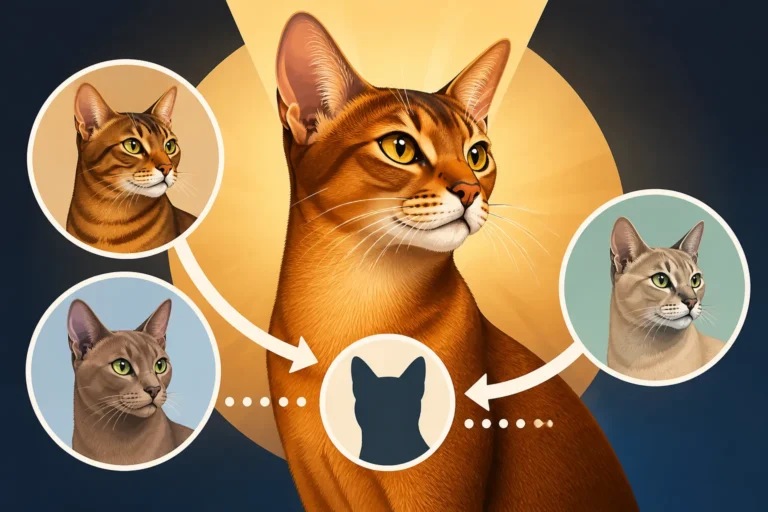
The Abyssinian breed is renowned for its unique ticked coat, where each individual hair boasts multiple bands of color, creating a shimmering, almost iridescent effect without distinct stripes or patterns. This trait makes their colors particularly captivating, but also sometimes confusing when compared to other breeds. While the Cat Fanciers' Association (CFA) is well-known in North America, many other esteemed registries worldwide recognize and celebrate the Abyssinian, often with their own naming conventions or slightly expanded lists of accepted colors.
Ruddy: The Foundation Color and Its Many Names
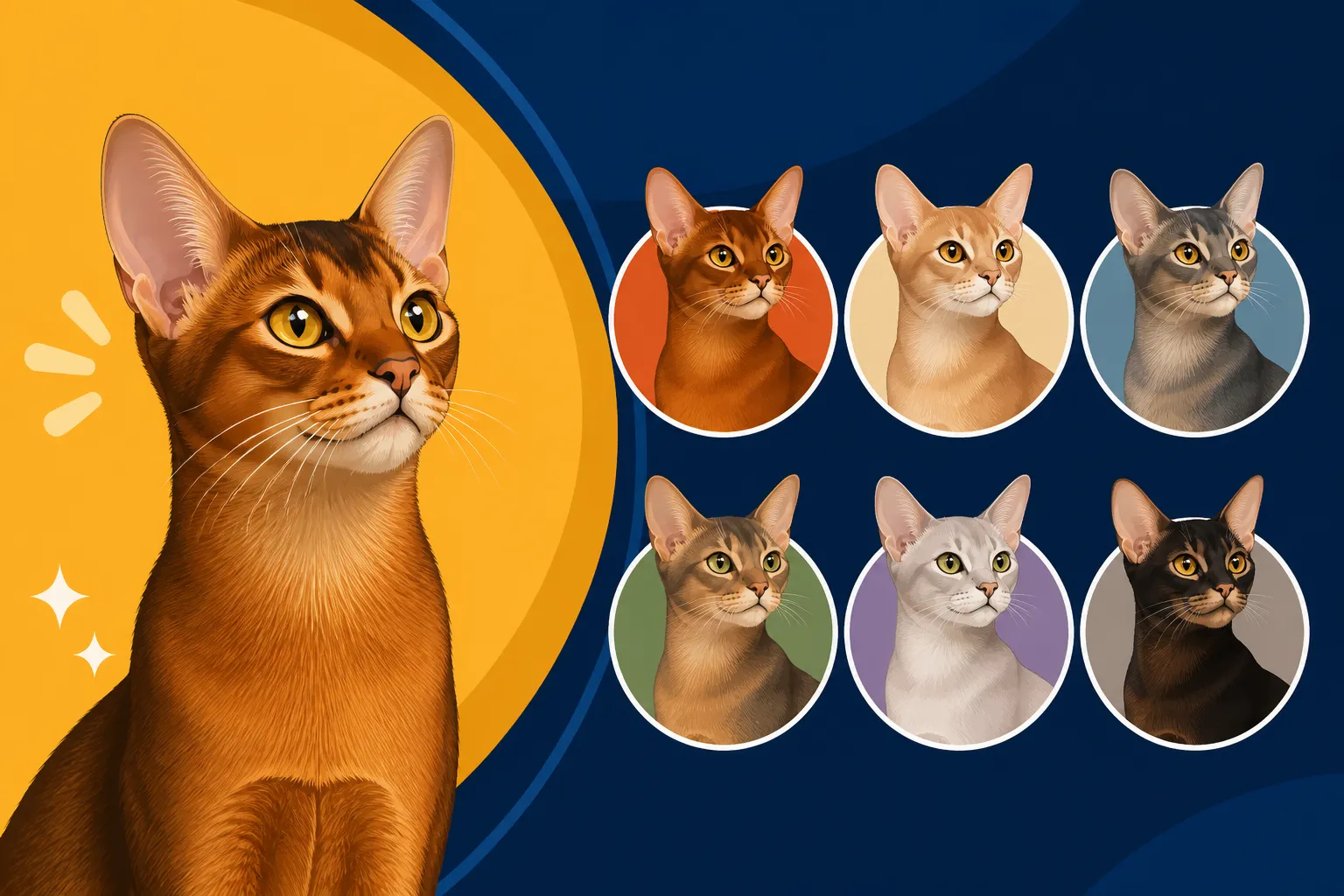
Ruddy is, for many, the quintessential Abyssinian color, often considered the "original" shade from which others derive. It’s characterized by a warm, coppery-brown base coat, intensely ticked with black or very dark brown bands. The underside of the cat, as well as the inside of the legs, will be a lighter, warmer apricot or orange tone, creating a beautiful contrast. The paw pads are typically black or dark brown, and the nose leather is a brick red, outlined in black.
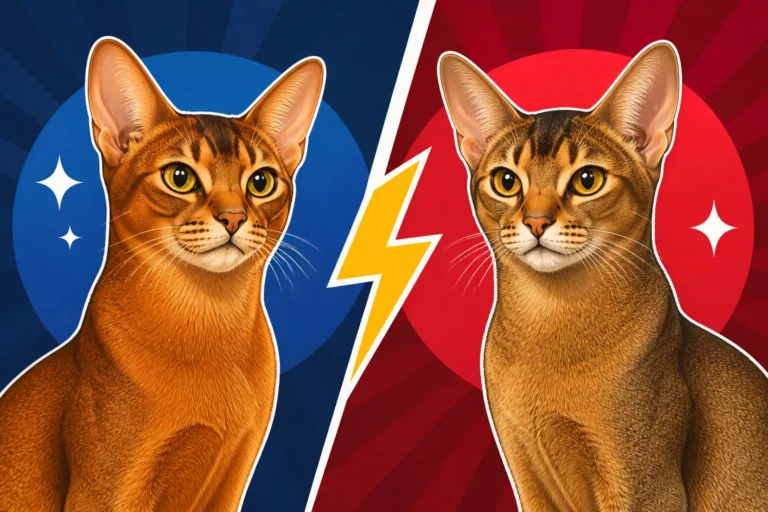
Across different registries, this foundational color might be known by other names. For instance, in the United Kingdom, the Governing Council of the Cat Fancy (GCCF) often refers to ruddy as "Usual." You might also hear it called "Tawny" in some historical contexts or by breeders referencing specific lineage outside major associations. The beauty of the ruddy Abyssinian lies in its depth and the way the light catches the ticking, making the coat appear to shift and glow. This specific shade is almost universally recognized by every major cat registry globally, making it a safe bet for consistency in terms of acceptance. What a Ruddy Abyssinian Actually Looks Like details more about this classic appearance.
Sorrel: The Rich Reddish-Brown Hue
Following ruddy, sorrel is another incredibly popular and widely recognized Abyssinian color. If ruddy is your rich brown, sorrel leans distinctly into the warm, cinnamon, or reddish-brown spectrum. The base coat here is a beautiful copper or reddish-orange, with ticking in shades of chocolate-brown. Again, the lighter undercoat and inner legs provide a lovely contrast, often a creamy apricot. Sorrel Abyssinians typically have rose-colored paw pads and nose leather that is distinctly pink or liver-colored, also often outlined in a deeper brown.
The naming for sorrel can also vary depending on the registry. While "Sorrel" is common in North America and by The International Cat Association (TICA), the GCCF in the UK might refer to this color as "Red." This can sometimes lead to slight confusion for new owners if they are researching online and finding different terms. However, the visual description remains consistent: a vibrant, warm red-brown that exudes warmth. Understanding What a Sorrel Abyssinian Looks Like can help you differentiate it from ruddy, especially as both are incredibly striking.
The Dilute Shades: Blue and Fawn
Beyond the rich, warm tones of ruddy and sorrel, Abyssinian genetics also allow for gorgeous dilute variations. These colors are essentially softened, muted versions of the primary shades, created by a specific dilute gene. They offer a distinct aesthetic, showcasing the same magnificent ticking but with a more subdued elegance.
Blue: The Elegant Grey
A blue Abyssinian is truly a sight to behold, exuding an understated elegance with its soft, slate-grey coat. The base color is a warm bluish-grey, with ticking in a deeper, darker shade of blue-grey. The undersides and inner legs are typically a lighter cream or sandy tone, providing that characteristic contrast. Their paw pads are usually a bluish-grey, and their nose leather is an old rose color, often outlined in a darker blue-grey. It’s a color that changes subtly with the light, revealing hints of its complex ticking.
Blue Abyssinians are widely accepted across most major registries, including CFA, TICA, and the GCCF, though they might sometimes be described with slightly different nuances. While "Blue" is the most common term, some older references or specific regional associations might have used terms like "Misty" to evoke the soft, ethereal quality of their coat. Genetically, blue is the dilute version of ruddy. It's not a common shade in all breeds, but on an Abyssinian, it's absolutely stunning. If you want to see the full spectrum, learning What a Blue Abyssinian Looks Like is essential.
Fawn: The Delicate Creamy Tones
Fawn is perhaps the most delicate and ethereal of the four core Abyssinian colors. It is the dilute version of sorrel, resulting in a pale, warm creamy or beige base coat, ticked with a soft cocoa-brown. The overall impression is one of gentle warmth and subtlety. Like its counterparts, the underside and inner legs will be a lighter, almost off-white cream. Fawn Abyssinians typically have pink paw pads and pale rose nose leather, outlined in a light, warm brown.
Due to its delicate nature, fawn Abyssinians can sometimes be perceived as rarer or more unique. They are recognized by most international registries, including TICA and FIFe (Fédération Internationale Féline), but may have slightly different prevalence or naming in some regions. The GCCF, for example, recognizes fawn as a standard color. Its subtle beauty is a testament to the diverse palette within the Abyssinian breed. For anyone wondering about pricing, sometimes these rarer shades, like cream or fawn, can fetch a higher price, as explored in Why a Cream Abyssinian Female Is the Priciest of All. However, remember that specific price points can shift and you should always check with individual breeders for current information. For a full visual, What a Fawn Abyssinian Looks Like is a great reference.
Beyond the Traditional Four: Silvers and Other Accepted Variations
While the ruddy, sorrel, blue, and fawn are considered the core Abyssinian colors, the breed's genetic makeup allows for exciting variations, most notably the silver series. These additions truly broaden the visual appeal of the Abyssinian, introducing a stunning new dimension to their already captivating coats.
The Silver Series: Adding a Touch of Shimmer
The silver Abyssinian is a breathtaking variation that adds a cool, clear, and sparkling dimension to the existing colors. This effect is created by the "inhibitor gene," which essentially strips the warm, yellow-red pigments from the undercoat, leaving a pure, silvery white base. The ticking, however, remains the color of the original shade, creating a dramatic contrast. So, instead of a warm ruddy base, you get a clear silver base with black ticking, leading to what's known as a "Silver Ruddy" (or "Silver Usual" by GCCF). Similarly, a "Silver Sorrel" would have a silver base with chocolate-brown ticking, a "Silver Blue" with blue ticking, and a "Silver Fawn" with cocoa-brown ticking.
These silver variants are widely recognized by many international registries, including TICA, FIFe, and GCCF, though CFA often lists them as "Silver Abyssinians" with the underlying color specified. The striking contrast between the pristine silver undercoat and the dark ticking makes these cats incredibly eye-catching and they often have a shimmering quality as they move. They truly stand out and are much sought after by those who appreciate a cooler color palette. If you’re curious about their recognition, Whether a Silver Abyssinian Is Recognized goes into further detail about their status in the cat fancy world.
Exploring Non-Standard but Recognized Colors
It's natural for enthusiasts to wonder if other, more exotic colors exist or are recognized. While the four core colors and their silver variations are the most widely accepted by mainstream registries like CFA, TICA, GCCF, and FIFe, some smaller or newer registries might entertain different possibilities. However, it's crucial to understand that these are generally not common or universally accepted within the Abyssinian breed standard.
For example, discussions occasionally arise about colors like chocolate or lilac Abyssinians. While these colors exist in some other cat breeds, they are generally not recognized by the major Abyssinian registries. If you encounter a breeder advertising an Abyssinian in one of these non-standard colors, it's essential to exercise caution. It often means that the cat's lineage might include outcrosses to other breeds or that the breeder is not adhering to established Abyssinian breed standards. For instance, the topic Whether a Chocolate Abyssinian Exists highlights that these are not recognized by CFA. While genetic testing can identify carriers of these genes, they are not part of the traditional Abyssinian look as defined by most cat fancy organizations. The emphasis for the Abyssinian breed remains firmly on the integrity of its unique ticked pattern within its recognized color palette.
The Impact of Registry Standards on Color Recognition
The world of pedigree cats is built upon breed standards, which are meticulously crafted documents outlining the ideal physical and temperamental traits of each breed. Color is a significant component of these standards, and different registries, rooted in varying histories and genetic lines, can have distinct approaches to what they deem acceptable.
Why Standards Differ: Historical and Genetic Factors
The divergence in standards among registries like CFA (Cat Fanciers' Association), TICA (The International Cat Association), GCCF (Governing Council of the Cat Fancy in the UK), and FIFe (Fédération Internationale Féline in Europe) isn't arbitrary. It often stems from historical breeding practices, the specific genetic lines that founders chose to emphasize, and regional preferences. For example, early Abyssinian development in the UK might have favored certain traits or colors that became enshrined in the GCCF standard, while American breeders, working with a different gene pool after the breed was imported, might have developed their own interpretations which then led to CFA and TICA standards.
Genetics also play a huge role. As new color mutations were identified and selectively bred for, different registries decided at various times whether to incorporate them into their official standards. Some registries prioritize maintaining a very narrow, traditional color range, while others are more open to expanding the recognized palette to embrace new genetic expressions, provided they don't compromise the breed's health or overall type. This is why something like a "Ruddy" Abyssinian might be called "Usual" by another, and why the recognition of a [Silver Abyssinian] might have evolved differently in various organizations.
Navigating the Nuances for Breeders and Owners
For prospective Abyssinian owners, understanding these nuances is incredibly important. If you dream of showing your cat, its color must be recognized by the specific registry under which the show is sanctioned. A cat whose color is not recognized cannot compete, regardless of its other qualities. Even if showing isn't your goal, a cat with a non-standard color might suggest a deviation from accepted breeding practices, which could potentially have implications for health or temperament, though this is not always the case.
When you're looking for an Abyssinian, always ask the breeder which registries they register their kittens with and which specific colors are recognized by those associations. A reputable breeder will be transparent about this information. They should also provide pedigree papers that clearly document the cat's lineage and recognized color. Many reputable breeders also utilize services like Chewy for sourcing high-quality food and enrichment items, so their approach to quality often extends beyond just color to overall care. These details are critical, and a good breeder will be happy to explain them. Remember, What an Abyssinian Breeder Should Have Tested Before You Buy also touches on the importance of clear documentation for health.
Why Color Recognition Matters for the Abyssinian Breed
Beyond aesthetics and show rings, the formal recognition of colors by breed registries holds significant weight for the long-term health, integrity, and preservation of the Abyssinian breed. It's a system designed to maintain specific characteristics and prevent undesirable traits from becoming widespread.
Preserving Breed Type and Health
Breed standards, including color definitions, are not just about superficial appearances; they are interconnected with the overall "breed type" and can even indirectly influence health. When a registry recognizes a specific set of colors, it encourages breeders to focus on those genetic lines, which in turn helps to maintain a consistent physical appearance and temperamental profile. Deviating too widely from established colors can sometimes be a sign of outcrossing to other breeds, which, while sometimes done with good intent for genetic diversity, can also introduce unforeseen health issues or alter the unique Abyssinian physique and temperament.
For example, the ticked coat itself is a hallmark of the Abyssinian. Ensuring that recognized colors always maintain the correct ticking pattern is vital. A color that results in barring or spotting, not characteristic of the breed, would likely not be recognized, as it fundamentally changes the Abyssinian's defining coat characteristic. This strictness helps protect the breed from dilution and maintains the unique traits that make Abyssinians so special.
The Importance of a Clear Pedigree and Documentation
When a cat's color is recognized by a major registry, it means that its lineage can be traced back through generations, confirming its purebred status. This documentation is invaluable for both breeders and owners. For breeders, it ensures that they are working with authentic Abyssinian lines, allowing them to make informed decisions about pairings that will produce healthy, typey kittens. For owners, a clear pedigree provides assurance that they are indeed getting a purebred Abyssinian, complete with the expected characteristics and, importantly, a history of health screenings.
The pedigree will list the cat's registered color, which should align with the color recognized by the registering body. This transparency helps to build trust between breeders and buyers. Without this clear documentation, there's a risk of purchasing a cat with questionable ancestry or a color that may not be a true Abyssinian shade. If you're looking into buying an Abyssinian, always insist on seeing the parents' papers and understanding What an Abyssinian's Coat Color Is Registered by the relevant authorities. This due diligence protects you and helps support responsible breeding practices within the Abyssinian community, which often means looking for items like a cozy cat bed or scratching posts from trusted retailers like Chewy to set up your home for your new companion.
| Abyssinian Color Category | CFA Terminology | TICA Terminology | GCCF (UK) Terminology | FIFe (Europe) Terminology |
|---|---|---|---|---|
| Traditional Colors | Ruddy | Ruddy | Usual | Ruddy |
| Sorrel | Sorrel | Red | Sorrel | |
| Blue | Blue | Blue | Blue | |
| Fawn | Fawn | Fawn | Fawn | |
| Silver Series | Silver Ruddy | Silver Ruddy | Silver Usual | Silver Ruddy |
| Silver Sorrel | Silver Sorrel | Silver Red | Silver Sorrel | |
| Silver Blue | Silver Blue | Silver Blue | Silver Blue | |
| Silver Fawn | Silver Fawn | Silver Fawn | Silver Fawn |
Disclaimer
This article is for general informational purposes only and does not constitute professional advice. Laws, prices and regulations vary by location and change over time. Consult a qualified professional for guidance on your specific situation.