Why an Abyssinian’s Eye Rim Is Outlined
If you've ever had the pleasure of looking into the eyes of an Abyssinian, you've likely been captivated by their stunning, expressive gaze. What often makes them so striking is that distinct, dark outline around their eyes, almost as if they've applied a touch of natural kohl. It's a common trait that gives them an intense, almost ethereal look, and it's far from accidental. This guide will delve into the fascinating reasons behind the Abyssinian's beautifully outlined eyes, from their genetic blueprint to their importance in the breed standard.
The Anatomy of the Abyssinian Eye
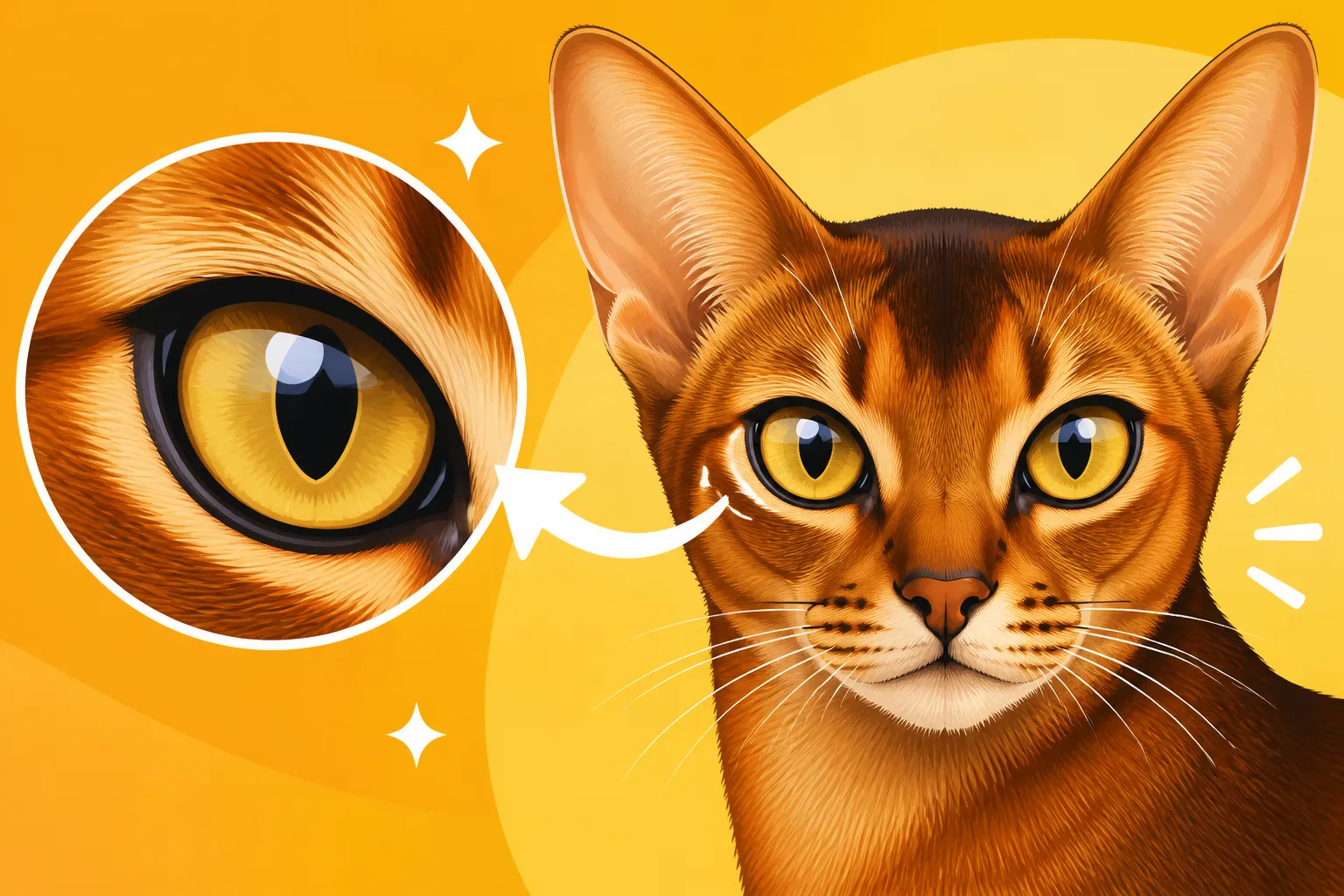
The Abyssinian's eyes are already a standout feature: large, almond-shaped, and set wide apart, they command attention. But it's that dark rim that truly defines their appearance, making their eyes seem larger and more luminous. It's a hallmark of the breed that has enchanted owners and breeders for generations.
Understanding the "Kohl" Effect
When we talk about the "kohl" effect, we're referring to the dark pigmentation that creates a distinct line around the entire perimeter of the Abyssinian's eye. This isn't just about the eyelid itself; it's the skin and very fine hairs immediately surrounding the eye opening that carry this darker pigment. It’s similar to how an artist might draw a delicate line to emphasize an eye, making it more pronounced against the surrounding fur. This natural "eyeliner" contributes significantly to the intelligent, alert expression for which the breed is renowned. It frames the eye, drawing your attention directly to their captivating gaze, which can range in color from brilliant gold to deep green.
This effect is particularly noticeable because of the Abyssinian's generally short, fine coat. Unlike breeds with longer or denser fur that might obscure such a fine detail, the Aby's sleek, close-lying coat allows the eye rim to stand out boldly. The contrast between the typically warm, ticked coat colors and the dark outline is what makes it so striking. This feature enhances their overall exotic appearance, tying back to the ancient feline imagery that many feel the Abyssinian embodies.
The Role of Pigmentation in the Eye Rim
The pigmentation responsible for the outlined eye is genetically linked to the cat's overall coat color, though it presents as a concentrated dark pigment in this specific area. Think of it as a special application of melanin. Melanin is the same pigment that gives their fur its rich, ticked color and their paw pads their distinctive hue. In the case of the eye rim, there's a genetic predisposition to deposit a heavier concentration of this pigment right where the eyelid meets the fur. This creates a sharp, almost painted-on line that perfectly encircles the eye.
This concentrated pigmentation is typically dark brown or black, even in the diluted colors of blue and fawn Abyssinians. While the coat colors might be lighter, the eye rim maintains a strong, defining darkness. This consistency across different color varieties underscores its importance as a breed characteristic. It's part of the complete package that makes an Abyssinian’s face so distinctive and memorable. It’s also a good reminder that while their bodies are athletic and lean, it's often their expressive faces that truly capture your heart.
The Breed Standard and Its Aesthetic Importance
For any pedigree cat, the breed standard is the blueprint of what an ideal specimen should look like. For the Abyssinian, that distinctive outlined eye isn't just a charming quirk; it's a carefully described and highly valued trait. It's one of those features that judges look for, and breeders strive to produce.
What the Abyssinian Show Standard Asks For in Eye Appearance
The Abyssinian breed standard typically describes the eyes as large, almond-shaped, expressive, and brilliant, with a distinct dark rim. This "dark rim" is often explicitly mentioned as a desirable characteristic, sometimes even referred to as "kohl" or "mascara" lines. It’s not enough for the eyes to be the right shape or color; they must also have this defining dark outline to be considered truly exemplary. This feature significantly contributes to the overall "wild" yet elegant look that is so characteristic of the Abyssinian. What an Abyssinian Looks Like Against the Show Standard details these exacting requirements.
Judges assess the clarity and completeness of this outline, along with how it complements the eye color and the overall head shape. A well-defined, unbroken dark rim enhances the cat's alert and intelligent expression, which is a key part of the Abyssinian's appeal. Imagine a beautiful painting without a frame; the frame truly sets it off. In the same way, this dark outline frames the Aby's eyes, intensifying their natural beauty and making them a focal point of the face.
The Historical Appreciation of the Outlined Eye
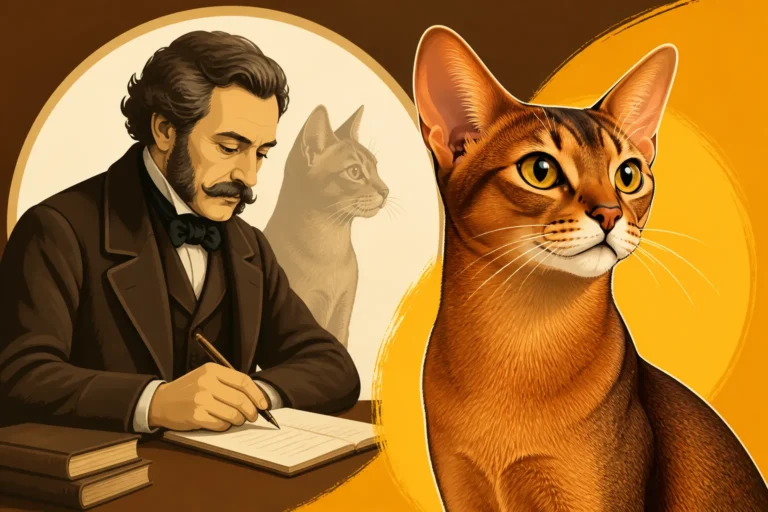
The appreciation for the Abyssinian's outlined eyes isn't new; it dates back to the very origins of the breed's documentation. Early descriptions and illustrations of Abyssinians consistently highlight this feature. It's believed that this look, sometimes drawing comparisons to the eye makeup seen in ancient Egyptian art, contributed to the mystique and allure of the breed. There's a certain timeless elegance to it, making the Abyssinian seem like it stepped right out of history. Why an Abyssinian Resembles Ancient Egyptian Art explores this connection.
This historical appreciation has ensured that the trait remains a priority in selective breeding programs. Breeders meticulously select cats that not only have excellent body conformation and temperament but also possess these clearly defined eye rims. It's a testament to the enduring appeal of this particular feature that it has remained a cornerstone of the breed's identity for so long. It helps reinforce the breed's unique visual signature, distinguishing it from other shorthair cats.
Why the Outlined Eye Enhances Expression
Beyond simply being beautiful, the outlined eye plays a crucial role in enhancing the Abyssinian's expressive face. Their eyes are often described as being full of curiosity, intelligence, and sometimes mischief, and the dark rim accentuates these qualities. It provides a sharp contrast that makes the eye stand out against the ticked fur, allowing every flicker of emotion to be more visible. This is especially true for a cat known for its constant engagement and interaction with its environment and human companions.
Think of how an actor uses makeup to make their eyes more prominent on stage. The Abyssinian has this naturally. This emphasis on the eyes draws you in, making it easier to read their moods and intentions. Whether they are intensely focused on a fluttering feather, giving you a soulful gaze for a treat, or simply observing their domain from a high perch, those outlined eyes communicate volumes. This strong visual communication is part of why Abyssinian owners often feel such a deep connection with their cats.
Genetic Basis of the Outlined Eye
The precise mechanisms behind such specific pigmentation patterns are complex, involving multiple genes that control melanin production and distribution. While we don't often discuss individual genes for every single trait, the "eyeliner" effect is a consistent enough feature to indicate a strong genetic component within the Abyssinian lineage.
The Gene Responsible for the "Mascara" Look
While there isn't one single, universally identified "mascara gene" that independently dictates only the eye rim pigmentation, the trait is deeply intertwined with the genes that control the Abyssinian's distinctive ticked coat. The ticking pattern itself is a result of a dominant agouti gene that causes individual hairs to have bands of color, rather than solid color. This same genetic machinery that determines the distribution of pigment along each hair shaft likely plays a role in the concentrated pigmentation around the eyes. It's a complex interplay where certain genetic markers encourage a heavier deposit of dark pigment in very specific areas, like the eye rims, nose leather, and paw pads.
This means that breeders don't select for an "outlined eye gene" in isolation; rather, they select for the entire suite of genes that produce the classic Abyssinian appearance, which naturally includes the outlined eyes. This ensures consistency in the breed's overall look. The trait is so ingrained that it's considered a fundamental part of the Abyssinian genetic blueprint, something that almost every true-to-type Abyssinian will exhibit.
How Pigment Distribution Creates the Outline
The dark outline around an Abyssinian's eyes is a result of localized hyperpigmentation – essentially, more pigment being deposited in that particular area compared to the surrounding fur. The hairs immediately bordering the eye are either solid dark or have a very dense concentration of the darkest band of color, creating that sharp, defining line. This effect is further enhanced by the skin itself in that area, which also carries a strong dark pigment.
It's a subtle but powerful visual trick of nature. The eyes appear to pop because the dark border creates a high-contrast boundary with the lighter eye color and the warmer tones of the face. This isn't just about color; it's about the precision of the line. The genetic controls ensure that this dark pigmentation forms a clean, continuous circle, rather than a splotchy or uneven one. This precise distribution is what gives the Abyssinian its refined and elegant "made-up" look. This careful balance of pigment distribution is also why the Abyssinian's paw pads and nose leather typically match this dark, rich tone, completing the aesthetic harmony of the breed.
How the Outlined Eye Appears in Different Abyssinian Colors
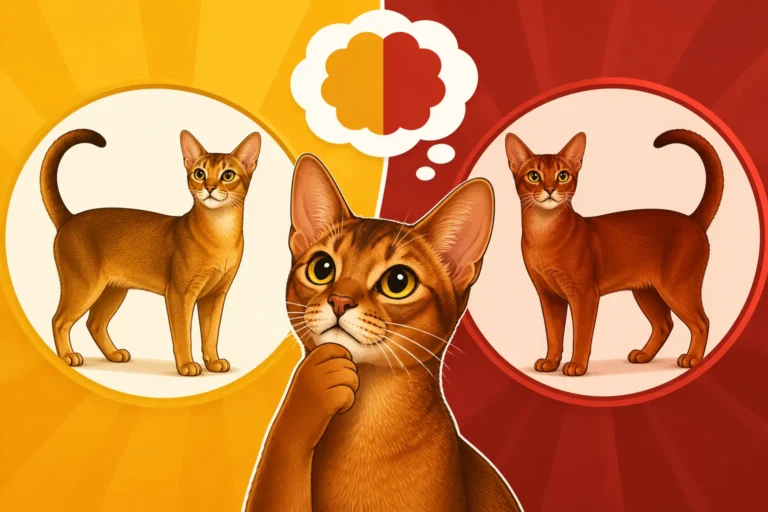
The beauty of the Abyssinian's outlined eye is that it's a consistent feature across all recognized coat colors, adapting subtly to complement each hue while maintaining its striking presence. Whether your Aby is a vibrant ruddy or a soft fawn, those eyes will always have their signature frame.
Ruddy and Sorrel Variations
For the classic ruddy Abyssinian, which many consider the original color, the dark eye rim provides a stunning contrast to their rich, warm reddish-brown coat. The ruddy coat itself is banded with shades of dark brown or black, which naturally harmonizes with the deep black or very dark brown of the eye rim. This combination gives the ruddy Aby a particularly intense and almost wild-cat-like gaze, a look that has captivated cat fanciers for decades. How a Ruddy Abyssinian's Coat Develops shows how this color comes to life.
In sorrel Abyssinians, whose coats are a beautiful coppery red, the eye rim remains dark, typically a dark brown, providing an equally striking contrast. While the overall fur tone is lighter and warmer than the ruddy, the dark eye outline ensures the eyes remain the focal point. This creates a captivating effect, making the sorrel Aby's eyes appear like jewels set in a fiery coat. The dark rim helps to anchor the lightness of the coat, giving the face definition and depth.
Blue and Fawn Eye Rims
When it comes to the diluted colors, blue and fawn, the magic of the outlined eye persists. A blue Abyssinian possesses a soft, slate-gray coat with darker blue ticking. Despite this cooler, lighter palette, their eye rims are still distinctly dark, often a deep slate gray or charcoal. This dark outlining helps to define their gentle, misty blue coats, ensuring that their eyes don't get lost in the overall soft tones. How a Blue Abyssinian's Ticking Differs highlights the nuances of this beautiful coat.
Fawn Abyssinians, with their delicate cream or beige coats and light brown ticking, also maintain that crucial dark eye rim. For them, the outline might appear as a soft, warm brown, but it's still notably darker and more concentrated than the surrounding fur. This provides necessary definition to their extremely pale faces, preventing their features from blending together. The contrast is perhaps less stark than in a ruddy, but it's no less important for emphasizing those bright, expressive eyes. The consistency of this trait across such diverse color palettes truly showcases its genetic stability within the breed.
| Abyssinian Color | Coat Description | Eye Color (Typical) | Eye Rim Color (Typical) | Contrast Level |
|---|---|---|---|---|
| Ruddy (Usual) | Warm reddish-brown, black ticking | Gold to Green | Black / Dark Brown | High |
| Sorrel (Red) | Coppery red, chocolate ticking | Gold to Green | Dark Brown | High |
| Blue | Soft slate-gray, blue ticking | Gold to Green | Slate Gray / Charcoal | Medium-High |
| Fawn | Cream/beige, light brown ticking | Gold to Green | Warm Brown | Medium |
Comparing the Abyssinian's Eyes to Other Breeds
While many cats have naturally expressive eyes, the Abyssinian's distinctively outlined gaze is truly unique among pedigree breeds. It sets them apart, even from their closest genetic relatives and other ticked-coat breeds. Understanding these differences helps appreciate what makes the Abyssinian's eye so special.
Abyssinian vs. Egyptian Mau Eye Markings
When comparing the Abyssinian to other breeds, the Egyptian Mau often comes to mind due to its striking spotted coat and ancient appearance. Egyptian Maus also have captivating eyes, often green, but their eye markings are quite different. While they may have "mascara" lines that extend from the outer corner of the eye, these are typically part of a larger, more intricate pattern of facial markings, including "scarab" markings on their forehead. Their eye outlines are often more about the extension of these lines rather than a uniform, bold rim around the entire eye itself.
The Abyssinian, on the other hand, possesses a clean, unbroken dark circle directly around the eye, without additional lines extending from the corners or complex facial patterns. This subtle difference gives the Abyssinian's face a more refined and less "patterned" look around the eyes, focusing solely on the eye's perimeter. It highlights the pure form of the eye, rather than integrating it into a broader striped or spotted design. This is one of the key visual distinctions that set them apart, even though both breeds evoke a sense of ancient feline royalty.
The Outlined Eye in Other Ticked Breeds
The Abyssinian isn't the only cat breed with a ticked coat; the Somali, its long-haired counterpart, shares this characteristic eye outline, which makes perfect sense given their close genetic relationship. However, if you look at other breeds that might occasionally display some ticking, or even domestic shorthairs, the consistency and prominence of the Abyssinian's outlined eye are rarely matched. How an Abyssinian Differs From a Somali helps clarify these relationships.
In many other breeds, any dark rimming around the eye might be less defined, uneven, or simply blend more into the surrounding fur, rather than creating that distinct, "painted" effect. It's the sheer clarity and uniform darkness of the Abyssinian's eye rim that makes it such a strong identifier. This consistency is a testament to the selective breeding over generations that has solidified this trait as a hallmark of the Abyssinian, making it reliably present in almost every cat of the breed. It truly is a distinctive feature that contributes to the breed's overall allure.
Living with an Abyssinian's Distinctive Eye Look
While those beautifully outlined eyes are a defining trait of your Abyssinian, they're also part of a living, breathing creature that needs regular care and attention. Understanding how to maintain their eye health and recognize any issues is just as important as appreciating their unique beauty.
Cleaning and Care for the Eye Area
One of the great things about the Abyssinian's eyes, despite their prominent outline, is that they generally require minimal special care. The short, fine fur around their eyes means there's less chance for debris or discharge to get trapped, unlike some long-haired breeds. Typically, a healthy Abyssinian will keep its eye area perfectly clean on its own. However, it's always a good practice to gently wipe around their eyes with a soft, damp cloth if you notice any dust or a tiny bit of sleep, especially after a long nap. Just make sure to use a fresh, clean cloth or a new part of the cloth for each eye to prevent any potential transfer of irritants or infection.
Avoid using harsh chemicals or human eye products. If you feel the need for something beyond plain water, there are many gentle, cat-specific eye wipes available from reputable pet suppliers like Chewy. Why an Abyssinian's Dark Rimmed Eyes Need Little Cleaning explains why their natural grooming habits are usually sufficient. This regular, gentle check-up also gives you a chance to admire those gorgeous outlines up close and ensure everything looks normal.
Recognizing Normal vs. Abnormal Eye Appearance
Knowing what your Abyssinian's eyes look like normally, including the crispness of that dark outline, is crucial for spotting any potential problems. A healthy Abyssinian's eyes should be clear, bright, and free of excessive tearing, redness, or discharge. The dark outline should be continuous and well-pigmented. If you notice any changes to this normal appearance, such as persistent tearing, redness, swelling, cloudiness, or a sudden dullness in their eye color, it's a sign that something might be amiss.
While the eye outline itself doesn't typically change with illness, the overall health of the eye will. For example, excessive tearing might run down the face, temporarily obscuring that beautiful dark rim. A change in behavior, such as squinting or pawing at their eyes, also warrants attention. If you observe any of these symptoms, it's always best to consult with your veterinarian. They can properly diagnose the issue and ensure your Aby's eyes, outlined or not, remain healthy and sparkling. You can find gentle eye wash solutions and other first aid supplies from Chewy that can be handy to have on hand for minor irritations, but always consult your vet for anything beyond superficial issues.
Disclaimer
This article is for general informational purposes only and does not constitute professional advice. Laws, prices and regulations vary by location and change over time. Consult a qualified professional for guidance on your specific situation.