How an Abyssinian Differs From a Somali
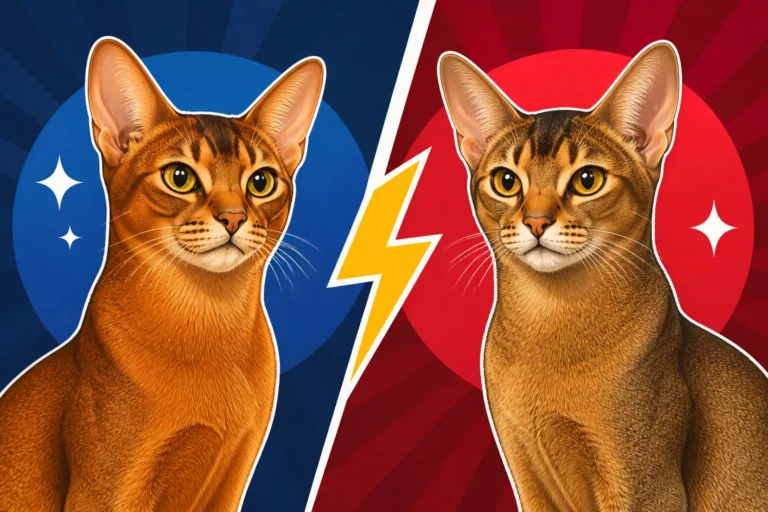
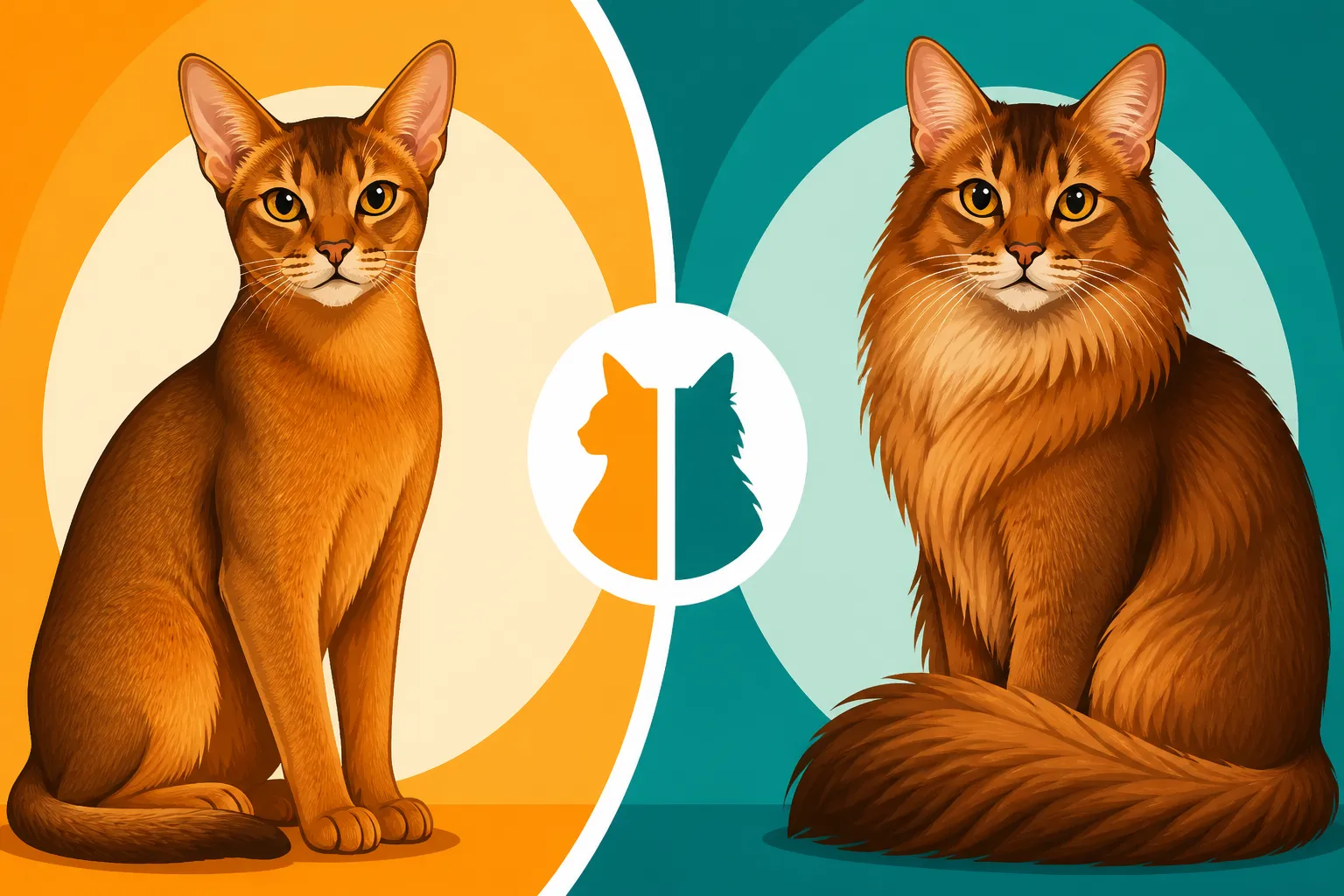
It's easy to look at an Abyssinian and a Somali side-by-side and think they're completely different creatures, especially with one boasting a short, sleek coat and the other flaunting glorious long hair. But the truth is, these two breeds are intimately linked, sharing a genetic blueprint that makes them more alike than many people realize. This guide will unravel the fascinating relationship between the Abyssinian and the Somali, exploring their origins, their physical distinctions, and whether their personalities truly differ as much as their fur.
The Unbreakable Bond: How Somalis Emerged from Abyssinian Lines
When you first hear "Abyssinian," you probably picture that lithe, athletic cat with the striking ticked coat that gleams in the light. Then there's the Somali, with its fluffy tail, ear tufts, and pantaloons, looking like a miniature fox. It might seem like they come from entirely separate family trees, but the reality is much more intertwined. The Somali isn't a completely different breed that evolved independently; it's essentially a long-haired Abyssinian, a delightful genetic surprise that popped up in Abyssinian litters.
The Long Hair Gene: A Hidden Trait
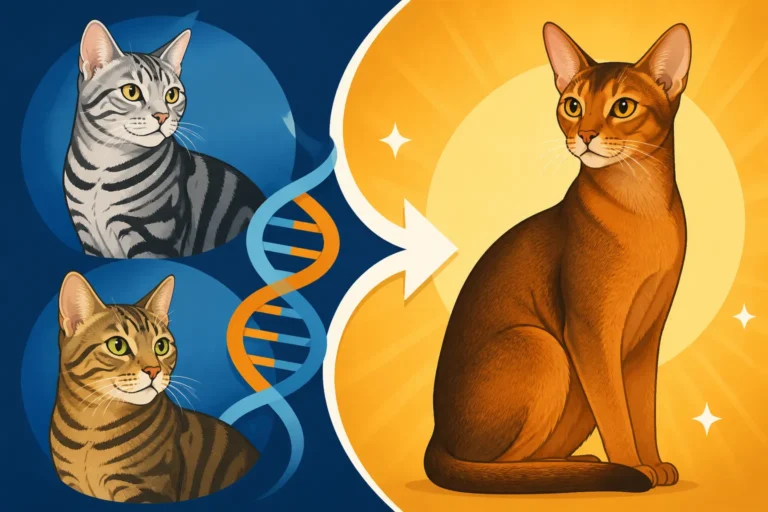
For many years, Abyssinian breeders would occasionally see a long-haired kitten appear in an otherwise typical short-haired litter. Imagine the surprise! These kittens, while adorable, didn't fit the established Abyssinian breed standard, which strictly called for a short coat. So, what happened to them? Often, they were quietly placed in pet homes, sometimes even sterilized without much fuss. Breeders at the time didn't fully understand the genetics behind these "fluffy" offspring; they just knew they weren't what the breed standard dictated. This wasn't a mutation; it was the expression of a recessive long-hair gene that had been carried silently within Abyssinian lines for generations, probably introduced through earlier outcrosses with other domestic cats when the breed itself was being established and refined.
Eventually, some forward-thinking breeders recognized the unique beauty and charm of these long-haired Abyssinians. Instead of dismissing them, they saw the potential for a new, distinct breed. This is how the Somali came to be. It wasn't the result of deliberately crossbreeding Abyssinians with other long-haired cats; it was the careful selection and breeding of those very long-haired kittens that naturally occurred within Abyssinian litters. This shared genetic background is why, beyond the coat length, you'll find so many similarities in their body type, personality, and even some of their health predispositions. The Somali Is an Abyssinian With Long Hair perfectly sums up this relationship.
The Naming and Recognition Journey
Once breeders decided to cultivate this long-haired variant, it needed a name. The name "Somali" was chosen, playfully referencing Somalia's geographical proximity to Abyssinia (now Ethiopia). It's a charming nod to their roots, even if the Abyssinian's true origins are more likely tied to Southeast Asia and the Indian Ocean coast, as modern genetic studies suggest. The path to official recognition for the Somali was a gradual one, requiring dedicated breeders to establish consistent type and temperament across generations. They had to demonstrate that these cats bred true, producing long-haired offspring, and that they were healthy, well-tempered individuals.
This process involves presenting cats to various cat registries like the Cat Fanciers' Association (CFA) or The International Cat Association (TICA). Over time, the Somali gained championship status in major associations, solidifying its place as a recognized and beloved pedigree breed in its own right. This means that while Abyssinians and Somalis share a common ancestor, they are now judged by separate breed standards that celebrate their distinct coat lengths while still upholding the overall "Abyssinian" look and personality. You can learn more about this journey in When the Somali Got Championship Status.
Coat Distinction: Ticked Shorthair vs. Luxurious Longhair
The most immediate and obvious difference between an Abyssinian and a Somali is, without a doubt, their coat. This single characteristic impacts everything from their visual appeal to their grooming needs, creating a distinctly different experience for owners.
The Abyssinian's Sleek, Ticked Shorthair
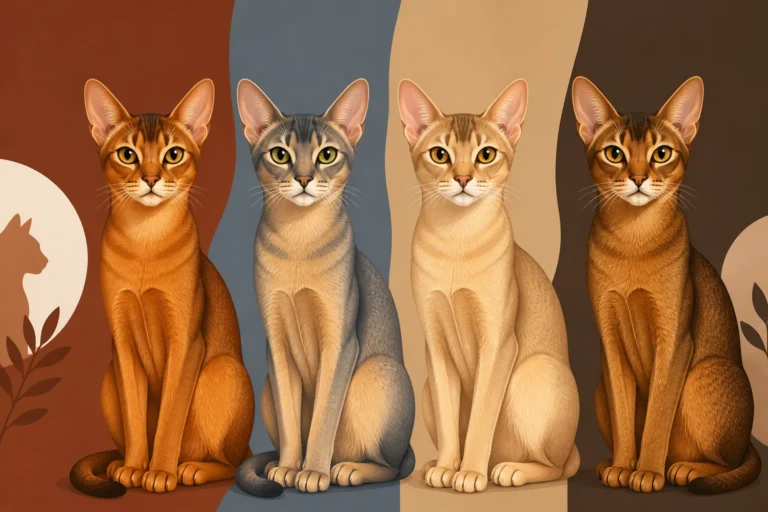
The Abyssinian's coat is its signature feature: short, fine, and lying close to the body, giving them that sleek, elegant silhouette. But it's not just short; it's ticked. This means each individual hair has multiple bands of color, typically three or four, with darker bands at the tip and lighter bands closer to the skin. This unique agouti ticking creates a shimmering, iridescent effect as the cat moves, almost like a wild rabbit. It gives them a depth of color that's truly mesmerizing.
Because of this ticking, Abyssinians famously lack prominent tabby stripes or spots on their body. You might see some faint barring on their legs or a ghost of a necklace marking, but ideally, the ticking should be uniform and clear. Their undercoat is minimal, which contributes to their low-shedding reputation and makes their coat feel incredibly soft and silky to the touch. Grooming an Abyssinian is relatively straightforward; a weekly brush with a soft rubber mitt is usually enough to keep their coat in top condition and distribute their natural oils. The Ticked Coat Is the Whole Abyssinian Grooming Job highlights just how central this feature is to the breed.
The Somali's Full, Flowing Long Hair
Now, let's talk about the Somali. They boast a medium-long, incredibly soft, and dense coat that demands attention. While the individual hairs are still ticked, creating that same multi-banded effect, the sheer length of the fur gives it a much softer, less defined appearance compared to the Abyssinian. Somalis sport a distinct ruff around their neck, "pantaloons" on their hind legs, and a magnificent, bushy tail that truly earns them the "fox cat" nickname. Their ears often have tufts, adding to their wild, yet refined, aesthetic.
Because of this luxurious coat, Somalis require more regular grooming than their short-haired cousins. To prevent matting and keep their fur in excellent condition, a Somali ideally needs brushing several times a week, if not daily, especially around the ruff, armpits, and pantaloons where tangles are most likely to form. While they don't have a thick, heavy undercoat like some traditional long-haired breeds (think Persians), their medium-long guard hairs still need consistent care to stay beautiful. Finding the right brush, like a wide-toothed comb or a slicker brush from a pet supply store like Chewy, is key to making this a pleasant experience for both cat and owner.
Coat Comparison: Abyssinian vs. Somali
| Feature | Abyssinian | Somali |
|---|---|---|
| Coat Length | Short, fine | Medium-long, dense |
| Ticking | Each hair has 3-4 bands, very visible | Each hair has 3-4 bands, less distinct due to length |
| Undercoat | Minimal to none | Minimal, but guard hairs are longer |
| Texture | Soft, silky, lies close to body | Soft, dense, slightly plush |
| Grooming Needs | Low; weekly brushing | Moderate to high; several times a week to daily brushing |
| Distinct Features | Sleek, athletic silhouette | Full ruff, ear tufts, bushy tail, "pantaloons" |
| Shedding | Low | Moderate (more noticeable due to longer hair, but not excessive) |
Personality Profiles: Are They Truly Different?
This is where things get really interesting. Given their shared genetic background, you might expect the Abyssinian and Somali to have almost identical personalities. And for the most part, you'd be right! Both breeds are renowned for their intelligence, curiosity, and boundless energy. However, some subtle differences can emerge, perhaps influenced by the distinct lines cultivated by breeders over time.
The Abyssinian: A Busy, Agile Explorer
Abyssinians are often described as "the clowns of the cat world" or "nature's supermodels" due to their graceful movements and playful antics. They are incredibly active, always on the go, exploring every nook and cranny of their environment. Think less of a lap cat and more of a shoulder cat, always wanting to be involved in whatever you're doing. They love to climb, jump, and investigate, making high perches and cat trees absolute necessities in an Abyssinian home. An Abyssinian Needs Height More Than It Needs Floor is certainly true. Their intelligence means they pick up tricks quickly, love puzzle toys, and can even be leash-trained.
They are generally very people-oriented and bond strongly with their families, often following you from room to room just to see what's happening. They're vocal, but usually not in a demanding Siamese way; rather, they communicate with soft chirps, trills, and soft meows. While they might not be cuddlers in the traditional sense, they show affection in myriad ways, from head-nuzzles to enthusiastic greetings at the door. Boredom is an Abyssinian's worst enemy, leading to mischievous behavior if not properly enriched. This means consistent playtime with interactive toys from a place like Chewy is essential.
The Somali: A Gentle, Playful Companion
Somalis share almost all of these core Abyssinian traits: high energy, intelligence, and an insatiable curiosity. They are just as playful and agile, and equally adept at climbing and exploring. The phrase "What an Abyssinian Does When It Is Bored" could easily apply to a Somali too – they'll find ways to entertain themselves, often involving objects that weren't meant to be toys! However, many Somali owners report a subtle shift in temperament, often describing Somalis as being slightly more mellow or "softer" in their approach than some Abyssinians.
This isn't to say they're couch potatoes – far from it! They still demand plenty of interaction and play. But perhaps their long, luxurious coats lend themselves to a slightly more relaxed demeanor, or maybe it's the careful selection process by early Somali breeders who might have favored calmer individuals. They tend to be just as affectionate and people-oriented as Abyssinians, enjoying being close to their humans, albeit still on their own terms. They might be a bit more tolerant of being held than some Abyssinians, but don't expect them to snooze on your lap for hours. They're still too busy observing the world. Why the Abyssinian Is Called the Clown of Cats applies equally to the Somali, capturing their joyful and mischievous spirit.
Health and Lifespan: What Both Breeds Share
Despite their different appearances, the Abyssinian and Somali share many common health considerations due to their shared genetic lineage. Responsible breeding practices are paramount for both breeds to mitigate the risk of inherited conditions.
Shared Genetic Predispositions
Both Abyssinians and Somalis are known to carry specific genetic predispositions that responsible breeders actively screen for. The most well-known are:
- Pyruvate Kinase Deficiency (PKD/PK-Def): This is a hereditary hemolytic anemia that can cause intermittent lethargy, weakness, and jaundice. It's a recessive gene, meaning a cat must inherit two copies (one from each parent) to be affected. Carriers, with one copy, show no symptoms but can pass the gene on. Reputable breeders will always test their breeding cats for PK-Def. You can read more about it in What PK Deficiency Does to an Abyssinian's Red Cells.
- Progressive Retinal Atrophy (PRA-rdAc): This is an inherited eye disease that causes the gradual degeneration of the retina, leading to blindness. Like PK-Def, it's a recessive condition. Affected cats typically show signs of night blindness first, progressing to complete blindness over time, often by five years of age. Again, DNA testing for the CEP290 gene mutation is crucial for breeders. How PRA-rdAc Blinds an Abyssinian Slowly explains this condition in detail.
- Renal Amyloidosis: This is a more elusive condition where abnormal proteins (amyloid) deposit in the kidneys, leading to kidney failure. Unfortunately, there isn't a reliable genetic test for this condition, making it a significant concern for both breeds. Breeders must rely heavily on pedigree research and tracking kidney health within their lines. Renal Amyloidosis Is the Abyssinian Problem Nobody Can Test For goes into depth on this challenge.
Because these conditions are inherited, getting a kitten from a breeder who performs comprehensive DNA testing on their breeding stock is vital, whether you're looking for an Abyssinian or a Somali. This proactive approach helps ensure the health and longevity of both breeds.
General Health and Lifespan Expectations
Both Abyssinians and Somalis are generally hardy and healthy cats, known for their athleticism and zest for life. With proper care, a balanced diet, and regular veterinary check-ups, they can enjoy a long and fulfilling life. The average lifespan for both breeds is typically 12 to 15 years, with many individuals living well into their late teens. The Twelve to Fifteen Years an Abyssinian Usually Gets gives a good overview.
Maintaining a healthy weight, providing a high-quality diet rich in protein, and ensuring ample mental and physical stimulation are all key factors in keeping these active cats thriving. Because of their high energy levels, What to Feed an Abyssinian That Never Stops Moving is important to consider, and the same dietary needs apply to Somalis. Regular dental care is also crucial, as both breeds can be prone to dental issues like gingivitis.
Care and Upkeep: Tailoring to Coat Needs
While their core temperaments and health considerations are very similar, the main divergence in daily care between an Abyssinian and a Somali comes down to their magnificent coats.
Grooming Routines
For the Abyssinian, grooming is relatively low maintenance. Their short, fine hair means they don't mat or tangle easily. A quick brush once a week with a soft rubber curry brush or a grooming mitt is usually sufficient. This helps remove loose hairs, distributes natural oils, and keeps their ticked coat shining. It's also a great bonding experience. Because they have so little undercoat, they don't shed excessively, which is a bonus for those with mild allergies, though it's important to remember no cat is truly hypoallergenic. An Abyssinian Needs Brushing Once a Week and No More outlines this simple routine.
The Somali, with its flowing locks, requires a more dedicated grooming regimen. To prevent tangles and mats, especially in the ruff, pantaloons, and tail, they benefit from brushing several times a week. A good quality slicker brush or a metal comb with rotating teeth can work wonders, gently working through the longer hair. During seasonal shedding periods, you might find yourself brushing daily. Starting a grooming routine early in kittenhood makes it a positive experience. While you'll notice more hair from a Somali than an Abyssinian simply because the strands are longer, they're not typically considered heavy shedders compared to breeds with dense double coats. Regular grooming from products bought at a retailer like Chewy is essential for a happy, healthy Somali.
Environmental Enrichment
Both breeds thrive on environmental enrichment, but their preferences for physical interaction with their surroundings are practically identical. These are not cats content to simply sit and watch the world go by. They need to climb, jump, explore, and play.
- Vertical Space: Both Abyssinians and Somalis crave height. Tall cat trees, wall-mounted shelves, and access to high perches are non-negotiable. They love to survey their kingdom from above and will use every available vertical surface. Why an Abyssinian Prefers the Highest Point in a Room is a truth for both types.
- Interactive Play: Daily interactive play sessions are crucial for burning off their incredible energy. Wand toys, feather teasers, and laser pointers (used responsibly) are often favorites. They love games that simulate hunting.
- Puzzle Toys & Foraging: Their high intelligence means they excel at puzzle feeders and enjoy foraging for treats. Hiding small portions of their daily kibble around the house can provide mental stimulation and mimic their natural hunting instincts. Why Foraging Suits an Abyssinian's Mind is a perfect description for both.
- Companionship: Neither breed does particularly well being left alone for long periods. If you work long hours, consider getting two littermates or another compatible cat to keep them company. They are social creatures and thrive on interaction, whether it's with you or another feline friend.
Who is the Right Companion for You?
Choosing between an Abyssinian and a Somali often comes down to personal preference regarding aesthetics and grooming commitment, as their core temperaments are remarkably similar. Both are wonderful, engaging companions for the right household.
Deciding on Coat Length
If you adore the sleek, exotic look and prefer a low-maintenance grooming routine, the Abyssinian might be your ideal match. Their smooth, shimmering coat is truly something to behold, and the minimal shedding is a definite perk. They embody elegance and athletic grace in every movement.
If you're drawn to a more luxurious, soft aesthetic and don't mind a bit more brushing, the Somali could be the one for you. Their bushy tails and full ruffs give them a captivating, wild beauty. You'll get all the playful, intelligent personality of the Abyssinian wrapped in a stunning, flowing coat. Just be prepared to commit to those regular grooming sessions to keep them looking their best.
Lifestyle Considerations
Both breeds thrive in active homes where they receive plenty of attention, play, and mental stimulation. They are not suited for quiet, sedentary households where they might become bored or destructive. They do best with owners who appreciate their intelligence and are willing to engage with them actively.
They integrate well into families with older, respectful children and cat-friendly dogs, often seeing themselves as part of the action rather than hiding away. How an Abyssinian Behaves With Children and Dogs offers great insights that apply to both. If you're looking for a decorative cat that will sit quietly on the sofa all day, neither an Abyssinian nor a Somali will be a good fit. They are partners in adventure, always ready for the next game or exploration. Ultimately, whether short-haired or long-haired, you're getting a vibrant, intelligent, and affectionate feline companion ready to become an integral part of your life. Whether an Abyssinian Is the Right Cat for You is a question that applies to both, and the answer largely depends on your lifestyle.
Disclaimer
This article is for general informational purposes only and does not constitute professional advice. Laws, prices and regulations vary by location and change over time. Consult a qualified professional for guidance on your specific situation.