How to Keep an Abyssinian Warm in Winter
Winter can bring a chill that even we humans find hard to shake, and for our active, lean Abyssinian companions, that cold can really seep into their bones. Unlike some fluffier breeds, Abyssinians don't have a thick undercoat to protect them, leaving them more susceptible to drafts and lower temperatures. This guide will walk you through everything you need to know to ensure your Aby stays toasty, healthy, and happy when the mercury drops.
Understanding Your Abyssinian's Unique Thermoregulation
It's easy to assume all cats are built for warmth with their fur, but Abyssinians are a special case. Their distinctive coat, while beautiful, doesn't provide the same insulation as some of their more heavily-furred cousins. Understanding this is the first step to truly keeping them comfortable through the colder months.
Why Their Coat Doesn't Offer Much Insulation
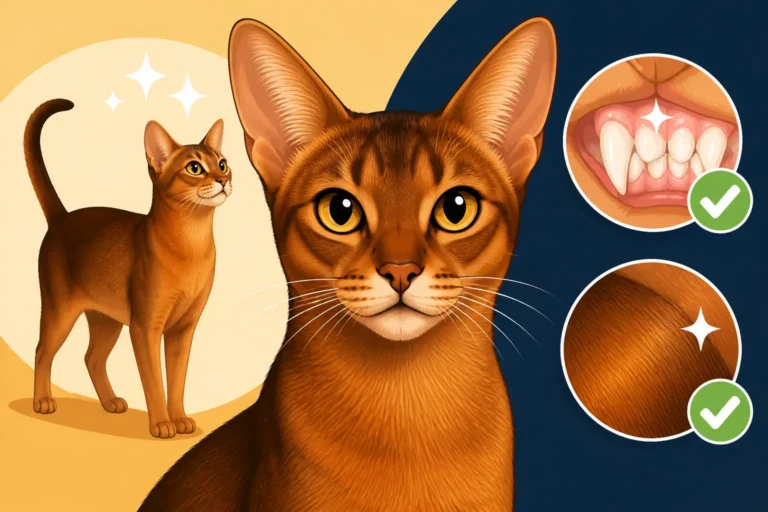
The Abyssinian's coat is famous for its "ticking," where each individual hair has multiple bands of color, giving them that stunning, shimmering appearance. It's truly a marvel to look at! However, this unique characteristic comes at a cost when it comes to keeping warm. Most cats have a dense undercoat beneath their coarser guard hairs, acting like a built-in down jacket. Think of a Siberian or a Maine Coon; they have layers upon layers of fur designed to trap air and insulate against the cold.
Your Abyssinian, on the other hand, essentially has a single coat. It's fine, lies close to the body, and lacks that insulating undercoat. This means there's simply not as much trapped air to keep their body heat in. They're built for agility and sleekness, not for braving icy winds. So, while their short, soft fur feels lovely to pet, it's not their strongest defense against a chilly room or a cold draft. This is why you'll often find your Abyssinian seeking out the warmest spot in the house, even when you might feel perfectly comfortable. Why a Coat With No Undercoat Leaves an Abyssinian Cold
Signs Your Abyssinian Is Feeling Chilly
Recognizing the subtle cues that your Abyssinian is cold can make all the difference. They can't exactly tell us in words, can they? One of the most obvious signs is shivering. Just like us, if they're truly cold, their muscles will start to contract involuntarily to generate heat. Another common behavior is seeking out warmth. You might find them snuggled under blankets, curled up tightly in a sunbeam, or pressed against a warm laptop or heating vent. They'll gravitate towards any available heat source, even if it seems a bit extreme to you.
Beyond shivering, observe their posture. A cold Abyssinian will often curl into a tight ball, tucking their paws and tail close to their body to minimize heat loss. They might also appear less active, conserving energy rather than zipping around the house. If you gently feel their ears or paws, they might feel cooler than usual. Pay attention to their favorite sleeping spots; if they suddenly abandon a usual perch for a more enclosed, warmer location, it's a clear signal.
The Link Between Cold and Health Issues
It's not just about comfort; prolonged exposure to cold can genuinely impact your Abyssinian's health. While hypothermia is rare for indoor cats, consistent chilliness can put a strain on their system. For one, it can make them more susceptible to respiratory infections, just like how a cold draft can give us a sniffle. Their immune system might be a little more taxed if it's constantly working to maintain body temperature.
Older Abyssinians, or those with underlying conditions like arthritis, can experience increased discomfort in colder temperatures. The cold can exacerbate joint pain and stiffness, making their usual graceful jumps and climbs more challenging. A persistently cold environment might also lead to a general dip in their energy levels, making them less inclined to play and interact. A comfortable temperature supports their overall well-being, allowing their body to focus its energy on health rather than constantly fighting the cold.
Creating a Warm and Cozy Indoor Environment
Since your Abyssinian doesn't have a built-in winter coat, it's up to us to create a home environment that feels like a perpetual summer day for them. This means thinking about everything from the ambient temperature to where their favorite napping spots are located.
Optimizing Ambient Room Temperature
For an Abyssinian, consistency is key. While you don't need to crank your thermostat up to tropical levels, maintaining a comfortable and stable room temperature is crucial. Aim for a temperature that you find comfortable in a light sweater – probably somewhere in the low to mid-70s Fahrenheit (around 22-24 degrees Celsius). Sudden drops in temperature, especially at night when your heating might cycle down, can be particularly jarring for them.
Beyond the thermostat, be mindful of drafts. These clever cats love to explore, and they'll often find the draftiest spots in your home: by leaky windows, under doors, or near poorly insulated walls. Use draft stoppers for doors, and consider sealing up any noticeable gaps around windows. Even a subtle, constant stream of cold air can make a significant difference to a cat with such a lean coat. A warm house is more than just the number on the thermostat; it’s about eliminating those sneaky cold spots that can undermine your efforts.
Strategic Placement of Pet Beds and Resting Spots
Abyssinians are natural climbers and observers, always seeking the highest vantage point. However, in winter, they'll also seek out the warmest ones. This means thinking strategically about where you place their beds and favorite resting spots. Avoid placing beds directly on cold tile floors or next to large, uninsulated windows where drafts can be an issue. Instead, look for elevated spots that naturally retain warmth.
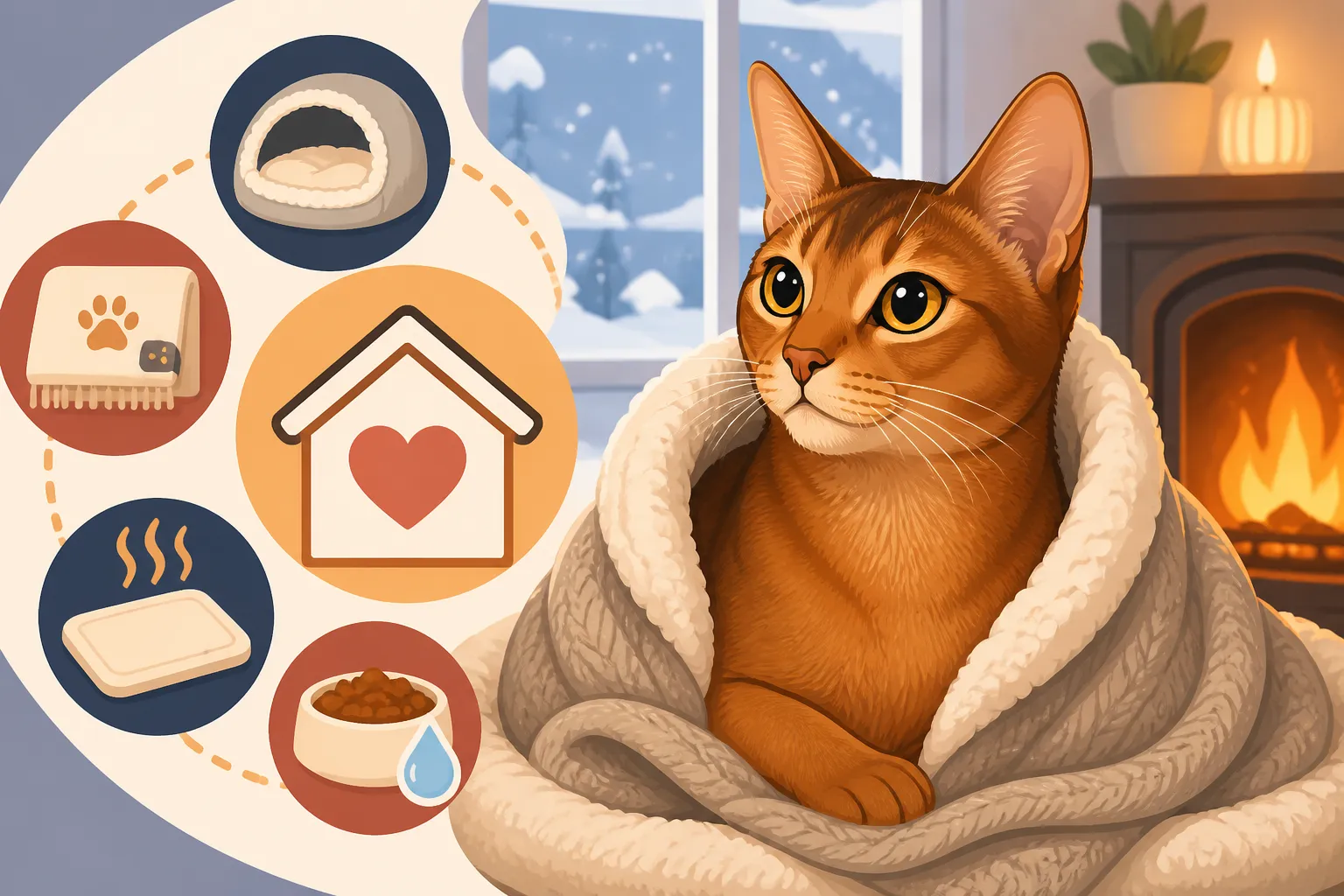
Consider placing a cozy bed on a cat tree that's not too close to an external wall, or even on a high shelf near an interior wall. If you have a radiator, a cat perch that attaches to it (safely, of course, to avoid direct contact with hot surfaces) can be a real hit. Enclosed cat caves or beds with high sides can also provide a sense of security and help trap body heat. These aren't just decorative items; they're vital tools for providing pockets of warmth for your heat-seeking companion. Why an Abyssinian Sleeps Higher Than Any Other Cat
Harnessing Natural Sunlight
There’s nothing quite like a sunbeam to warm an Abyssinian's soul, especially in the depths of winter. They are absolute sun-worshippers, and for good reason: natural sunlight provides free, passive heat that they adore. When designing your indoor warmth strategy, make the most of any south-facing windows that capture direct sunlight throughout the day.
Ensure these spots are accessible to your cat. A sturdy Why an Abyssinian Needs a Window Perch is an excellent investment, allowing them to bask in the warmth without obstruction. If direct window access isn't possible, even a plush blanket draped over a chair positioned in a sun-drenched area can become their favorite winter haunt. Remember, they're instinctively drawn to warmth, so making these sunny spots inviting and comfortable is a highly effective, and completely natural, way to help them regulate their body temperature. Don't be surprised if they spend hours stretched out, soaking up every ray.
Providing Supplemental Heat Sources Safely
While a warm room and sunny spots are great, sometimes your Abyssinian needs a little extra help to feel truly toasty. There are several supplemental heat sources you can provide, but safety must always be your top priority.
The Benefits and Risks of Heated Cat Beds
Heated cat beds can be an absolute godsend for an Abyssinian in winter. They provide a consistent, localized source of warmth that these cats crave, often helping them relax and sleep more soundly. You'll find a variety of types, from electrically heated pads that plug in, to self-warming mats that use reflective materials to trap your cat's body heat. Many owners swear by these, especially for older or more sensitive Abyssinians. You can often find a good selection of these on platforms like Amazon or Chewy, making it easy to compare features and read reviews.
However, risks are involved if not used correctly. For electric beds, always choose one specifically designed for pets, as these have safety features like low wattage and chew-resistant cords. Ensure it has an automatic shut-off or a thermostat to prevent overheating. Place it on a flat, stable surface away from flammable materials. For any heated bed, regularly check for damage to the cord or the heating element. Never use a human heating pad for a cat, as they can get too hot and cause burns. The self-warming mats are generally safer as they don't involve electricity, but they still need to be placed on a comfortable surface.
Safe Use of Space Heaters and Fireplaces
Space heaters and fireplaces can be incredibly effective at warming up a room, and your Abyssinian will undoubtedly be drawn to their warmth. There’s something undeniably cozy about a crackling fire or the gentle hum of a heater on a cold day, and your Aby will agree. However, these also come with significant safety concerns that require strict adherence.
Never leave a space heater unsupervised, especially in a room with a curious Abyssinian. They are agile and can knock things over or get too close to the heating element. Always place heaters on a stable, flat surface, far away from anything flammable like curtains, blankets, or pet beds. Use models with tip-over protection and automatic shut-off features. For fireplaces, always use a sturdy screen to prevent your cat from getting too close to the flames or embers. The last thing you want is a singed whisker or, worse, a fire hazard. Ensure adequate ventilation if using gas or wood-burning options to avoid carbon monoxide buildup. Their safety around open flames and extreme heat is paramount.
DIY Warmth Solutions: Blankets and Boxes
Sometimes, the simplest solutions are the best, and they don't have to break the bank. Abyssinians love to burrow, and a few well-placed blankets can go a long way in providing extra warmth. Old fleece blankets, discarded sweaters, or even soft towels can be repurposed. Drape them over the back of a couch, tuck them into a cat bed, or create a cozy nest in a quiet corner. The softness and ability to burrow deep into the fabric satisfy their natural instinct for hiding and warmth.
Cardboard boxes are another fantastic, free DIY solution. Cats universally love boxes, and for an Abyssinian, a box can become a miniature, insulated hideaway. Line a sturdy cardboard box with a soft blanket or a self-warming mat, and place it in a quiet, warm area. The cardboard provides surprising insulation, trapping their body heat and creating a snug little den. You can even cut a small entrance hole to make it feel more secure. This is a particularly good option for cats who enjoy privacy while they nap, offering both warmth and security. Why an Abyssinian Finds the Warmest Spot Without Help
Dietary Considerations for Winter Warmth
Just like humans, a cat's nutritional needs can shift slightly in colder weather. While Abyssinians are typically high-energy and lean, ensuring they're getting the right kind and amount of fuel becomes even more important when they're working harder to stay warm.
Maintaining Optimal Calorie Intake
Abyssinians are notorious for their boundless energy. They're constantly moving, climbing, and playing, which means they naturally burn a lot of calories. In colder months, their bodies might expend even more energy just to maintain their core temperature, especially if your home isn't consistently toasty. It's not about making them fat, but ensuring they have enough energy to thrive.
Monitor your cat's weight and body condition closely. How to Feel an Abyssinian's Ribs Under a Ticked Coat is an excellent skill to develop. If you notice they're losing weight, or if they seem unusually lethargic, it might be a sign they need a slight increase in their calorie intake. However, be cautious not to overfeed; Abyssinians should remain lean and muscular. Discuss any dietary changes with your vet, especially if you're concerned about weight fluctuations. Generally, a small increase in their regular, high-quality food might be all that's needed to compensate for the extra energy expenditure. How Many Calories an Adult Abyssinian Burns
The Importance of Hydration, Even in Winter
We often think of hydration as a summer concern, but it's just as vital in winter, especially for Abyssinians. Adequate water intake is crucial for overall health and supports their kidney function, which is particularly important given the breed's predispositions. Dehydration can lead to a host of problems and can also affect their ability to regulate body temperature effectively.
Encourage water consumption by offering multiple water bowls placed in different locations around the house. Some Abyssinians prefer running water, so investing in a cat water fountain can be a game-changer. Ensure the water is fresh and clean daily. Incorporating wet food into their diet is another excellent way to boost their hydration, as it contains significantly more moisture than dry kibble. This extra moisture content is not only great for general health but can also contribute to their overall comfort and warmth by supporting internal bodily functions. Why Wet Food Protects an Abyssinian's Kidneys
High-Quality, Nutrient-Dense Food Choices
Feeding your Abyssinian a high-quality, nutrient-dense diet is always important, but it takes on added significance during the colder months. A well-nourished cat is better equipped to handle environmental stressors, including the cold. Look for foods with a high animal protein content, as this supports their lean muscle mass and provides essential amino acids.
Fresh foods made with human-grade ingredients, for instance, are packed with nutrients. While you don't need to commit to a fresh food diet unless it suits your lifestyle and budget, the principle remains: choose food that lists real meat as the first ingredient and avoids excessive fillers. A healthy coat, which contributes to warmth, also relies on good nutrition, including essential fatty acids. A robust immune system, bolstered by proper nutrition, will also help your Abyssinian ward off any sniffles or minor ailments that might arise when temperatures drop. Always check with your vet for specific dietary recommendations tailored to your cat's age, activity level, and any health concerns.
Exercise and Enrichment to Combat Winter Sluggishness
When it's cold outside, it's easy for both humans and pets to become a little less active. However, for an Abyssinian, regular exercise and mental stimulation are vital year-round, not just for their physical health but for their mental well-being and even their ability to stay warm.
Keeping Active Indoors with Interactive Play
Abyssinians are known for their boundless energy and their need for physical activity. If they can't burn off steam outdoors (and for their safety, indoor-only is always best), then indoor play becomes even more crucial in winter. Interactive play mimics hunting behavior, which naturally raises their body temperature and keeps their metabolism humming. Think of it as their personal cardio workout.
Invest in a variety of wand toys with feathers or small lures that you can actively move around, encouraging them to chase, pounce, and jump. Laser pointers are great for getting them running, but always end a laser session with a physical toy they can "catch" to prevent frustration. Set aside dedicated playtimes each day – several short bursts are often better than one long session, as their attention span can be short. This isn't just about entertainment; it's about keeping their muscles warm and strong, and ensuring they remain a happy, well-adjusted cat. How Much Play an Abyssinian Needs Each Day
Mental Stimulation to Stay Engaged
Beyond physical exertion, Abyssinians are highly intelligent and curious cats who need mental challenges to prevent boredom. Boredom, especially in winter when they might be less inclined to explore, can lead to destructive behaviors or even lethargy, making them feel the cold more. Keeping their minds engaged helps keep their bodies active and content.
Puzzle feeders are excellent for this. Instead of simply putting their food in a bowl, make them work for it. You can find many varieties on Chewy or Amazon, from simple treat-dispensing balls to more complex feeders that require problem-solving. Rotate their toys regularly to keep things fresh and interesting. Introduce new textures or types of toys. Clicker training is another fantastic way to provide mental enrichment; these smart cats love to learn tricks like 'sit', 'stay', or even 'high-five'. Engaging their minds keeps them stimulated and prevents them from becoming sedentary, which could make them feel colder. Which Puzzle Feeders Hold an Abyssinian's Attention
The Social Aspect: Cuddles and Company
While Abyssinians aren't typically "lap cats" in the traditional sense, they are incredibly social and thrive on interaction with their humans. In winter, this social connection can also contribute to their overall warmth and well-being. A relaxed, happy cat is better equipped to handle environmental changes.
Spend quality time with your Abyssinian. Engage in play, offer gentle strokes, or simply allow them to "help" you with daily tasks. Many Abyssinians love to perch on shoulders or be involved in whatever you're doing. This physical proximity not only offers them warmth from your body heat but also strengthens your bond and provides comfort. If you're considering another pet, Why a Second Cat Suits an Abyssinian is a question worth exploring, as another cat (especially one with similar energy levels) can provide companionship and even some physical warmth during those long winter days when you're not home. A contented cat is often a warmer cat.
Monitoring and Vet Care in Colder Months
Even with all your best efforts, it's essential to remain vigilant during winter. Changes in your Abyssinian's behavior or health can sometimes be subtle, and the cold can exacerbate underlying issues. Regular monitoring and appropriate vet care are paramount.
Recognizing Persistent Signs of Cold or Illness
While occasional shivering or seeking a warm spot might just mean they're chilly, persistent or worsening signs warrant closer attention. If your Abyssinian is constantly curled up, lethargic, or showing a sustained lack of interest in food, water, or play, it's a red flag. These aren't just signs of being cold; they can indicate an underlying illness or discomfort.
Other symptoms to watch for include changes in appetite, unusual hiding, coughing, sneezing, or any discharge from their eyes or nose. A sudden shift in behavior, such as an active cat becoming unusually quiet and still, can be particularly concerning for Abyssinians, who typically have such vibrant personalities. Why a Suddenly Still Abyssinian Needs a Vet should be your immediate next step if you observe such changes. Don't wait, as early intervention can make a significant difference in their recovery.
Regular Health Check-ups and Winter Preparations
It’s always a good idea to ensure your Abyssinian has its routine veterinary check-ups on schedule, especially before the colder months set in. Your vet can assess their overall health, address any minor issues, and discuss any specific winter-related concerns you might have. For older Abyssinians, this becomes even more critical. What an Old Abyssinian Slows Down From can be quite normal, but a vet can help distinguish between age-related slowdown and a treatable condition made worse by the cold.
Discuss with your vet whether any dietary adjustments are needed or if supplements might be beneficial, particularly for older cats or those with joint issues that could be aggravated by cold. Make sure their vaccinations are up to date, and that parasite prevention is still in place, even if they're indoor-only (pests can still find their way inside). Having a healthy cat going into winter is the best defense against cold-related illnesses.
Protecting Paws and Skin from Dry Winter Air
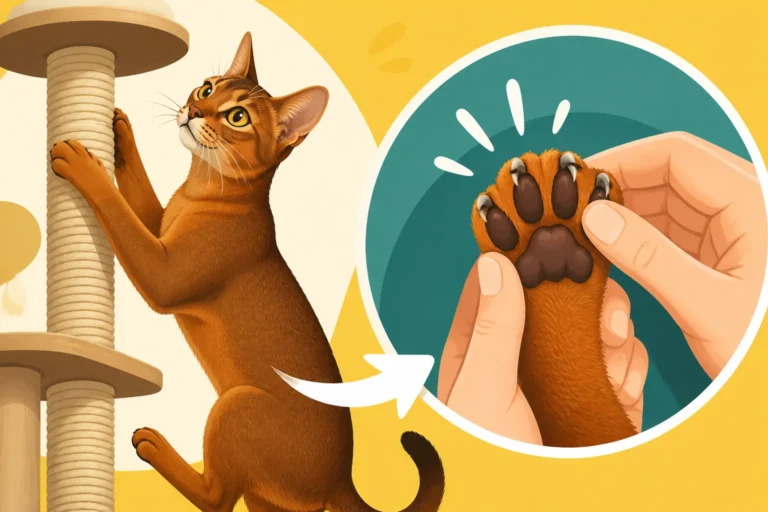
The dry air that often accompanies winter, especially with indoor heating, can affect your Abyssinian's skin and paws. While their short coat doesn't usually get matted, their skin can become dry and itchy. Their delicate paw pads can also be susceptible to cracking or excessive dryness, particularly if they spend time on rough indoor surfaces or if you have very low humidity.
Consider running a humidifier in your home, especially in the rooms where your Abyssinian spends most of their time. This can alleviate dry skin and respiratory irritation. Regularly check your cat's paws for any signs of dryness, redness, or cracking. While they usually do a good job of grooming, a gentle, pet-safe paw balm can be used if needed (consult your vet first). A healthy coat also protects their skin, so maintain a regular, light grooming routine using a soft mitt. The Ticked Coat Is the Whole Abyssinian Grooming Job will help distribute their natural oils and remove any loose hair.
| Warming Method | Pros | Cons | Safety Notes |
|---|---|---|---|
| Heated Pet Bed | Consistent, targeted warmth; low energy. | Initial cost; electric models have cord risks. | Use pet-specific beds only; check cords; auto shut-off features are a plus. |
| Extra Blankets/Fleece | Inexpensive; comfortable; satisfies burrowing. | Can get cold quickly if not self-warming. | Ensure materials are cat-safe and cannot tangle them. |
| Sunbeam Access | Free, natural warmth; mentally stimulating. | Dependent on weather/window orientation. | Ensure window perches are secure and not near drafts. |
| Cardboard Boxes | Free; insulating; private den. | Not aesthetically pleasing; can break down. | Ensure clean, free of staples/tape; large enough for cat to turn around comfortably. |
| Space Heater | Quickly warms a room or area. | Fire risk; burns; carbon monoxide (gas). | Never leave unattended. Place away from flammables; use guards; tip-over protection. |
| Increased Play | Natural body heat generation; fun. | Requires owner participation; not constant. | Use safe toys; supervise play; ensure an enriching environment. |
Disclaimer
This article is for general informational purposes only and does not constitute professional advice. Laws, prices and regulations vary by location and change over time. Consult a qualified professional for guidance on your specific situation.