How an Abyssinian’s Coat Thickens in Winter
It's completely natural to notice subtle shifts in your beloved Abyssinian's glorious coat as the seasons turn, especially when those colder months creep in. You might find yourself wondering if their usually sleek, close-lying fur gets a little denser, a touch softer, or just generally more prepared for the chill. This guide dives deep into exactly how an Abyssinian's coat responds to winter, what influences it, and how you can support their stunning, low-maintenance fur all year round.
The Subtle Science Behind Your Abyssinian's Winter Coat
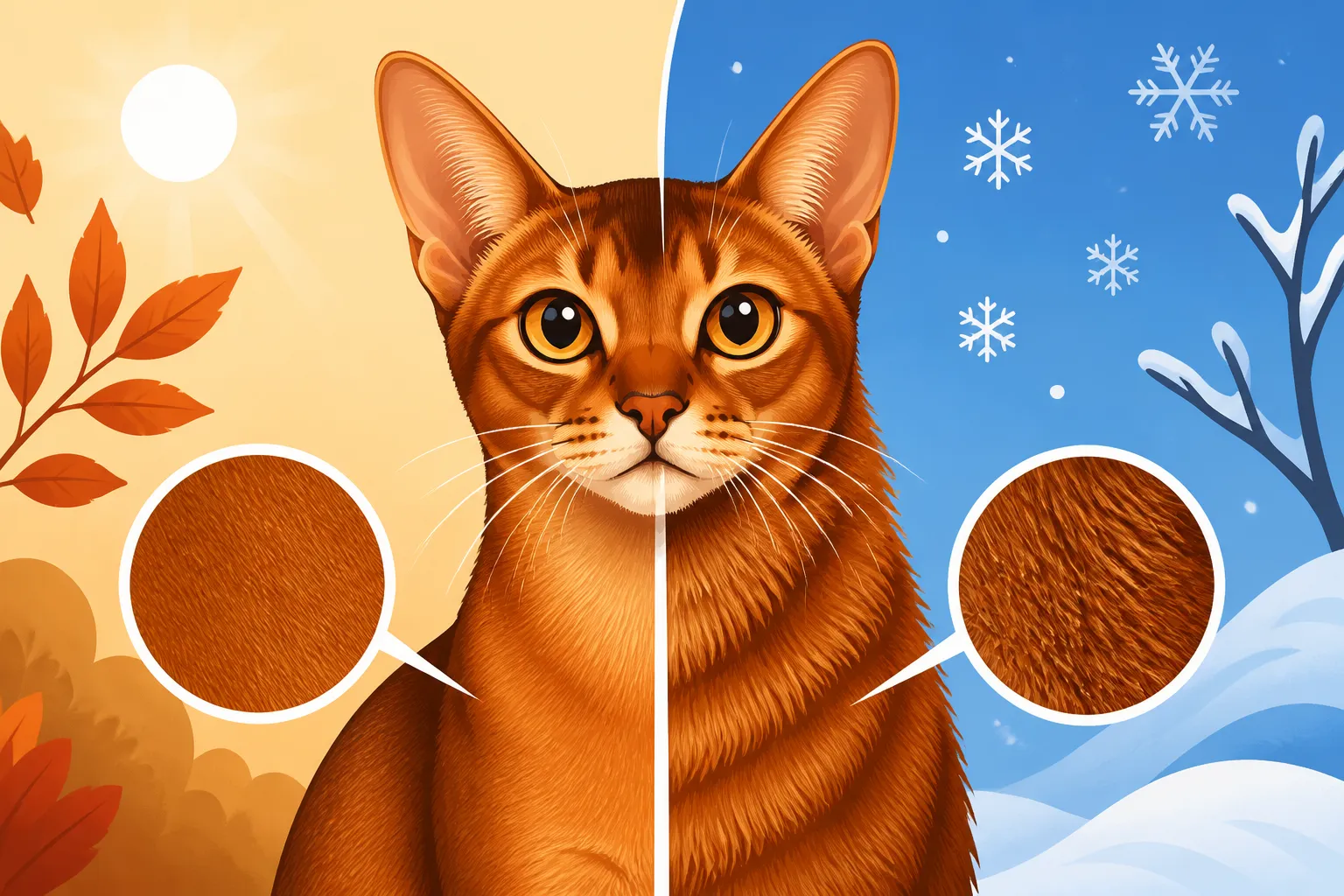
Unlike some of our fluffier feline friends who dramatically "blow" a thick undercoat for winter, the Abyssinian's coat change is far more nuanced. It's not about growing a dense, insulating layer of downy fluff; it's about a slight increase in the overall density of their unique ticked fur, a hormonal response triggered primarily by changes in daylight hours.
Photoperiodism and Hormonal Responses
The primary driver behind any animal's seasonal coat change, including your Abyssinian's, is called photoperiodism. This fancy word simply means the physiological reaction to the length of daylight or darkness. As the days shorten in autumn and winter, your cat's brain receives fewer hours of light. This reduction in light signals the pineal gland to increase melatonin production, a hormone that regulates sleep cycles and also plays a role in influencing hair growth. It's a fundamental biological mechanism, honed over millennia, to prepare animals for environmental shifts. For an Abyssinian, this doesn't mean growing a huge, shaggy winter coat, but rather a slight thickening and sometimes an increase in silkiness, offering a bit more insulation without sacrificing their signature sleekness. It's a subtle adjustment, often more noticeable to the attentive owner than to a casual observer.
The Unique Abyssinian Coat Structure
To truly understand how an Abyssinian's coat thickens in winter, we first need to appreciate its remarkable structure. An Abyssinian has what's known as a "ticked" coat, where each individual hair has multiple bands of color, giving it that stunning, shimmering, agouti effect. How an Abyssinian's Agouti Banding Works is a fascinating read if you're curious about the mechanics of their coloring. Crucially, Abyssinians have very little to no undercoat. This is why their fur lies so close to their body, feels incredibly fine, and why they don't shed much compared to breeds with dense double coats. Why an Abyssinian's Single Ticked Coat Barely Sheds explains this in more detail.
This lack of a thick undercoat means that when their coat "thickens" for winter, it's not by growing a new, voluminous layer. Instead, the individual guard hairs may grow a tiny bit denser or become marginally longer and more closely packed, creating a very subtle increase in overall insulation. It's like adding a very fine, invisible sweater rather than a heavy winter parka. The goal is to provide marginal extra warmth without hindering their agile movement or retaining too much heat indoors.
What "Thickening" Really Looks Like
So, what does this subtle thickening actually feel or look like on your Abyssinian? You won't typically see a dramatic change in their silhouette or find copious amounts of extra fluff. Instead, you might notice that their coat feels slightly richer to the touch, a little denser when you run your hand against the grain. Some owners describe it as feeling even silkier or plusher than usual, as the individual hairs may achieve their maximum length and density.
The "ticking" might appear even more pronounced as the hairs stand to attention with slightly more substance. This isn't a flaw; it's just the natural presentation of their coat. The change is more about the texture and feel than a visible volume increase, particularly given that How Fine an Abyssinian's Coat Feels is one of their hallmark characteristics. This seasonal adaptation is a testament to their desert-dwelling ancestors, who needed efficient temperature regulation rather than heavy insulation.
Factors Influencing Your Abyssinian's Winter Coat Quality
While the natural change in daylight hours is the primary trigger for coat thickening, several other factors can significantly influence the quality and extent of that change. It's not just a passive process; your cat's environment and care play a huge role.
Indoor Environment and Temperature Regulation
Most Abyssinians live exclusively indoors, which is wonderful for their safety and overall health. However, a climate-controlled indoor environment can sometimes mask or subtly alter their natural seasonal coat changes. If your home's temperature remains consistently warm throughout winter, your Abyssinian's body might not feel the same evolutionary pressure to "thicken" its coat as much as it would in a colder, more natural environment. They're incredibly efficient at finding warm spots, whether it's sunbeams, warm laps, or cozy blankets, which further minimizes their need for heavy fur insulation.
It's a balance. While we want our pets to be comfortable, keeping your home excessively warm can mean their natural physiological responses are less pronounced. A well-regulated indoor temperature, avoiding extreme fluctuations, helps maintain their skin and coat health without creating an artificial environment that might suppress natural, healthy changes.
The Critical Role of Nutrition
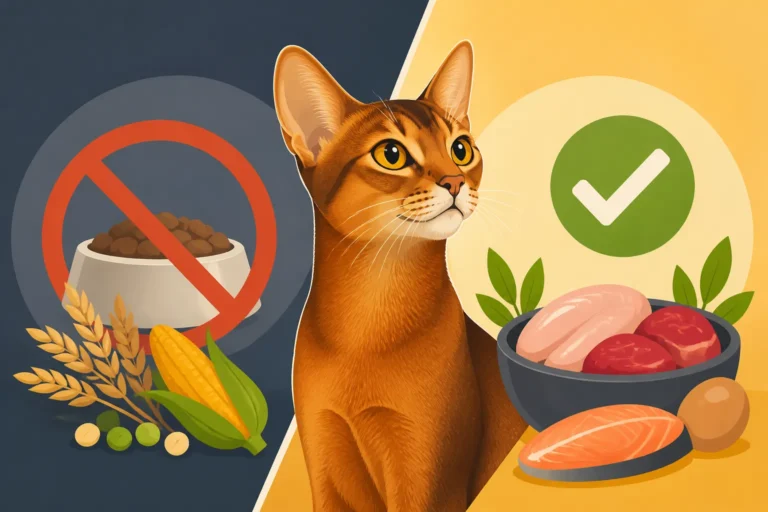
Diet is absolutely foundational to coat health, year-round, but especially as seasons change. A cat's coat is primarily made of protein, and healthy skin requires a good balance of essential fatty acids. If your Abyssinian's diet is lacking, their coat won't achieve its optimal condition, regardless of the season. During winter, a diet rich in high-quality animal protein and omega-3 and omega-6 fatty acids is paramount. Which Protein Percentage an Abyssinian Needs is a great resource to ensure you're meeting their dietary requirements.
You might consider supplements if your vet recommends them, especially those focused on skin and coat health, which often contain fish oil or other healthy fats. Foods made with fresh, high-quality ingredients can be excellent for maintaining skin and coat health. Even general kibble brands available on Chewy offer formulas specifically targeting coat vitality. A well-nourished Abyssinian will have a healthier, shinier coat that can adapt better to subtle seasonal changes, appearing denser and silkier.
Age and Overall Health Considerations
Just like humans, cats experience changes as they age. Younger, healthier Abyssinians tend to have more vibrant, resilient coats and will likely show a more noticeable, albeit still subtle, seasonal shift. Older Abyssinians, or those with underlying health issues, might have a less robust coat response to winter. Their fur might appear duller, thinner, or less dense even in winter, indicating that their body is prioritizing other functions or struggling with nutrient absorption.
Any significant change in coat quality, texture, or thickness outside of the subtle seasonal variation could be a sign of a health issue. Conditions like hyperthyroidism, kidney disease, or even dental problems can manifest in a dull, poor-quality coat. This is why regular vet check-ups are essential, allowing your vet to monitor What an Old Abyssinian Slows Down From and assess their overall health, including their skin and fur.
Supporting Your Abyssinian's Healthy Winter Coat
Even though an Abyssinian's winter coat change is subtle, there are definitely things you can do as a dedicated pet parent to ensure their fur is as healthy and magnificent as possible throughout the colder months. Think of it as providing optimal conditions for their natural processes.
Dietary Adjustments and Hydration
During winter, while their activity might be slightly less if they're not enjoying as much outdoor time (though an Abyssinian's energy is legendary, even indoors!), their need for quality nutrition remains constant. Ensure their diet is still packed with high-quality protein and essential fatty acids. If you're looking for food options, both Chewy and Amazon offer a vast selection of premium cat foods that prioritize these ingredients. Sometimes, adding a vet-approved omega-3 supplement can give their coat an extra boost, helping it maintain its natural sheen and density.
Hydration is also crucial, especially with drier indoor air during winter. Abyssinians, like all cats, don't always drink enough water naturally. Offering fresh, clean water in multiple bowls, or investing in a cat fountain, can encourage more drinking. How Much Water an Active Abyssinian Drinks and Why an Abyssinian's Kidneys Make Water Intake Matter highlight the importance of good hydration for their overall health, not just their coat. Wet food can also contribute significantly to their daily water intake.
Gentle Grooming for Optimal Health
While Abyssinians are famously low-maintenance in the grooming department due to their lack of undercoat, a little attention can still go a long way in winter. An Abyssinian Needs Brushing Once a Week and No More is generally a good rule of thumb. Use a soft rubber brush or a grooming mitt to gently remove any loose hairs and distribute natural skin oils. This not only keeps their coat clean and shiny but also stimulates blood flow to the skin, promoting healthy hair growth.
Avoid over-brushing, especially with harsh tools, as this can irritate their skin or damage their delicate ticking. A quick, gentle session once or twice a week is usually all they need. It also provides a wonderful opportunity for bonding and allows you to check for any dry skin, flakes, or other issues that might appear with the shift in humidity.
Maintaining a Comfortable Indoor Environment
As we discussed, a stable indoor environment is beneficial. While you don't need to turn your home into a tropical paradise, avoiding extreme dryness can help prevent skin irritation and dullness. If your home is particularly dry in winter due to heating, a humidifier can add some moisture back into the air, which can be beneficial for both your Abyssinian's skin and your own!
Ensure they have access to warm, cozy spots to nap, away from cold drafts. Abyssinians love to be warm, and while their coat provides some insulation, it's not designed for extreme cold. A soft bed, a blanket near a warm vent (but not too close!), or even a heated cat bed can be much appreciated. This allows them to regulate their body temperature comfortably without relying solely on their coat, minimizing stress on their system.
Understanding Seasonal Shedding Patterns
It’s easy to assume that a thicker winter coat means a massive spring shed, but with an Abyssinian, it’s rarely that dramatic. Their shedding patterns are fairly consistent year-round, with only a slight increase during seasonal transitions.
The Minimal Abyssinian Shed
Due to their single, ticked coat and minimal undercoat, Abyssinians are generally considered low-shedders. This is one of their most appealing traits for many owners! You won't typically find tumbleweeds of fur rolling across your floor, even when their coat is at its "thickest" in winter. The shedding you do observe will primarily be the fine guard hairs that make up their unique coat.
As spring approaches and daylight hours lengthen again, you might notice a very slight increase in the amount of hair coming off during your weekly grooming sessions. This is just their body naturally adjusting to the warmer weather, a continuation of the same photoperiodism that thickened their coat in the first place. This mild spring shed is often so subtle that many owners barely notice it, especially if they maintain a consistent, gentle grooming routine. It's a far cry from the copious shedding experienced with breeds known for their dense double coats. How an Abyssinian's Coat Changes With the Seasons delves deeper into these subtle annual shifts.
When to Consult Your Vet
While subtle changes in coat density and texture are normal, significant alterations always warrant a chat with your veterinarian. If your Abyssinian's coat suddenly becomes very sparse, develops bald patches, or appears excessively dull, greasy, or flaky, these are not typical seasonal changes. These could be indicators of underlying health issues, nutritional deficiencies, parasites, or skin conditions.
Similarly, if you notice excessive shedding that seems out of character for an Abyssinian, or if your cat is compulsively licking or grooming themselves to the point of skin irritation, it's time for a professional opinion. Your vet can perform diagnostic tests to rule out medical problems and recommend appropriate treatment or dietary adjustments. Remember, your Abyssinian's coat is often a good barometer of their overall health, so pay attention to its condition year-round.
Disclaimer
This article is for general informational purposes only and does not constitute professional advice. Laws, prices and regulations vary by location and change over time. Consult a qualified professional for guidance on your specific situation.