Why an Abyssinian’s Dark Rimmed Eyes Need Little Cleaning
You might be used to breeds that constantly struggle with tear staining, watery eyes, or gunk that needs daily wiping. It's frustrating to keep up with, and frankly, a bit disheartening when you feel like you're always battling a losing war against eye goop. But when it comes to your beautiful Abyssinian, you're in for a pleasant surprise: their large, expressive, dark-rimmed eyes generally require very little hands-on cleaning, and that's usually a sign of good health. This guide will help you understand why your Abyssinian's eyes are naturally clean and when you do need to pay closer attention.
The Abyssinian's Eye Structure and Natural Protection
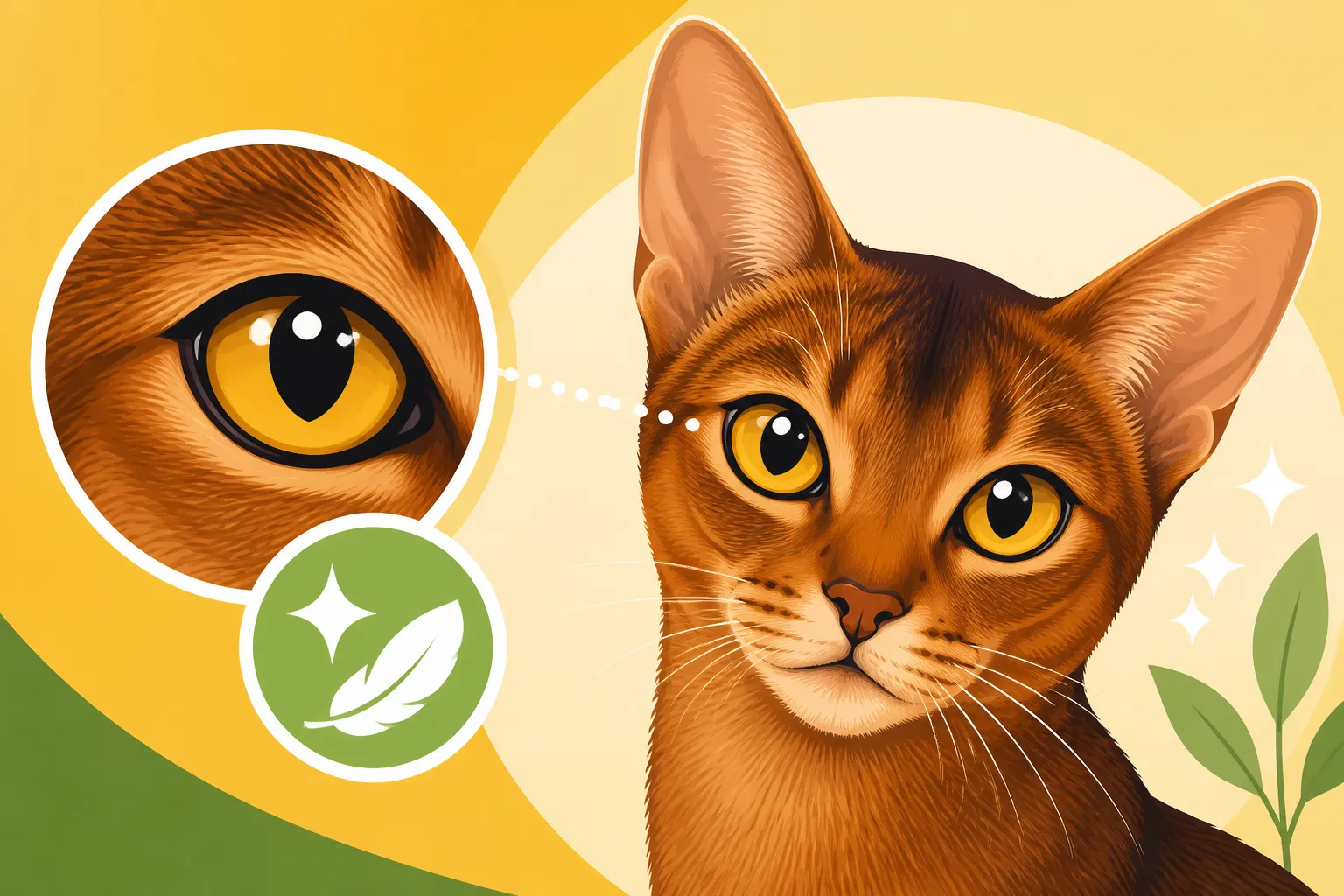
The Abyssinian's eyes are one of its most striking features, often described as large, almond-shaped, and incredibly expressive, framed by a distinct dark line. This isn't just for show; several anatomical factors contribute to their remarkable cleanliness and overall health.
The "Kohl" Look: Why the Dark Rims Exist
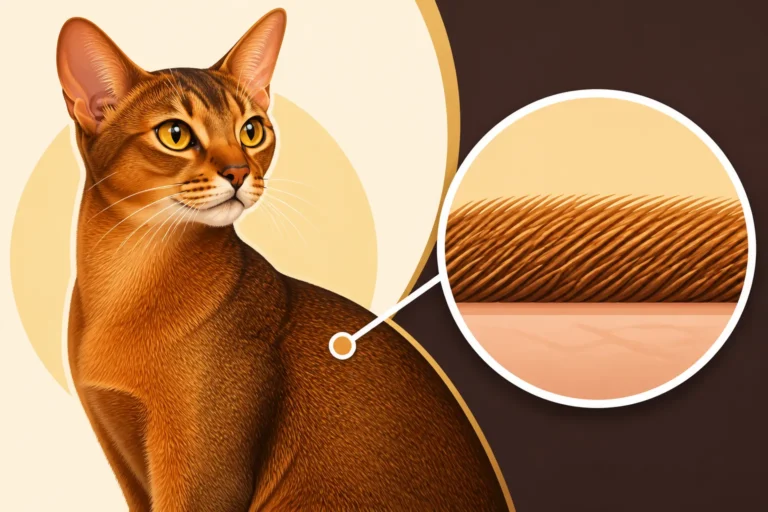
That beautiful dark line around your Abyssinian's eyes, often compared to ancient Egyptian kohl eyeliner, isn't just a cosmetic trait. This darker pigmentation around the eye acts as a natural shield, similar to how human athletes use "eye black" to reduce glare. While not its primary function, it certainly helps protect their sensitive eyes from bright light, especially given their wide-set, alert gaze. More importantly, this robust pigmentation extends to the eyelids themselves, providing a natural barrier against irritants and often indicating healthy tissue.
The genetic makeup that gives them this distinctive "lined" appearance is also linked to a general robustness in the ocular area. Unlike some breeds with light, sparsely haired skin around the eyes that can be prone to irritation or sun sensitivity, the Abyssinian's eyes are well-protected. This consistent pigmentation means the skin and fur around the eyes are less delicate, reducing the likelihood of minor irritations that can lead to excessive tearing or discharge.
How Eye Shape and Lack of Epiphora Contribute to Cleanliness
One of the biggest reasons Abyssinian eyes stay so clean is their ideal shape and structure, which significantly reduces the chances of epiphora, or excessive tearing. Their almond-shaped eyes are set neither too deeply nor too prominently, striking a perfect balance. This optimal positioning allows tears to drain properly through the tear ducts, rather than overflowing onto the fur around the eyes.
Many breeds, especially those with very flat faces or prominent eyes, struggle with tear overflow because their tear ducts can be compressed or their eyelids don't sit flush against the eyeball. The Abyssinian's well-proportioned head and muzzle prevent these common issues. Without constant tear overflow, there's no persistent moisture to stain the fur, collect dirt, or create a breeding ground for bacteria. This natural drainage system is highly efficient, minimizing the need for owners to manually clean away unsightly or irritating tear tracks. It's truly a testament to good breed conformation when it comes to eye health.
The Role of Eyelids and Tear Ducts in Abyssinian Eye Health
Think of your Abyssinian's eyelids as perfectly designed windshield wipers, and their tear ducts as a flawless drainage system. Healthy eyelids blink regularly, sweeping away tiny dust particles and keeping the surface of the eye moist and clean. They fit snugly against the eyeball, providing an excellent seal that protects the eye from environmental irritants like dust or stray hairs. Issues like entropion (eyelid rolling inward) or ectropion (eyelid rolling outward), which can cause chronic irritation and discharge in other breeds, are uncommon in well-bred Abyssinians due to their strong genetic lineage for good eye structure.
The tear ducts, as mentioned, are equally efficient. They are typically open and unobstructed, allowing tears to flow freely from the eye surface into the nasal cavity, just as they should. This continuous, subtle cleansing and draining mechanism means that the eye naturally washes away debris and keeps itself lubricated without leaving behind a residue that would require your intervention. It's a testament to the breed's natural resilience that their eyes function so effectively without constant human assistance, leaving you to simply admire their bright, alert gaze.
What "Little Cleaning" Actually Means for an Abyssinian
When we say "little cleaning," it truly means minimal, often passive observation rather than active daily wiping. It's about respecting their natural self-cleaning mechanisms while being attentive to any deviations.
Daily Observation vs. Daily Intervention
For a healthy Abyssinian, "cleaning" their eyes typically translates to daily observation. As you interact with your cat, perhaps during a morning snuggle or a play session, simply take a moment to look at their eyes. Are they clear and bright? Are the pupils responsive? Is there any abnormal discharge? This quick visual check is usually all that's needed. You're looking for signs of trouble, not actively seeking out something to wipe away.
Compare this to breeds where tear stains are almost a given – owners of those cats might reach for a damp cloth several times a day to prevent stubborn discoloration and potential irritation. With an Abyssinian, if you find yourself wiping their eyes daily, it’s a strong indicator that something is amiss, and it's time to investigate further, perhaps with a vet visit. The goal isn't to make their eyes look clean, but to ensure they are healthy, and for Abyssinians, healthy eyes generally are clean.
When a Gentle Wipe is Truly Needed
There will be rare occasions when a gentle wipe is necessary, but these are usually for minor, transient issues, not chronic problems. For example, your Abyssinian might have explored a dusty corner, or perhaps a tiny piece of lint or a stray whisker has irritated the eye, leading to a small, clear teary discharge. In such cases, a simple, soft, damp cloth or a specialized pet eye wipe (available from retailers like Chewy or Amazon) can be used.
The key words here are "gentle" and "occasionally." Use a fresh, clean corner of the cloth or a new wipe for each eye to prevent cross-contamination. Wipe away from the eye, from the inner corner outwards, avoiding direct contact with the eyeball itself. If you notice any redness, swelling, or persistent discharge after a wipe, or if your cat seems uncomfortable, it's a sign to stop and consult your veterinarian rather than continuing to clean. Remember, you're addressing a temporary accumulation, not a systemic issue.
The Importance of a Clean Environment
While your Abyssinian's eyes are naturally robust, maintaining a clean home environment plays a crucial role in preventing unnecessary irritation. Dust, pollen, strong chemical fumes from cleaning products, and even certain types of litter can all become airborne irritants that can affect your cat's eyes.
Consider using low-dust cat litter to minimize airborne particles that can settle on the eyes or irritate tear ducts. Regularly vacuuming and dusting your home can significantly reduce allergens and environmental debris. If you use air fresheners or diffusers, ensure they are cat-safe and not placed where the scent or mist can directly blow towards your cat. Why an Abyssinian's Water Bowl Should Be Away From Food is also a good habit, not just for hygiene, but to ensure their drinking water stays pristine and free of food particles that could harbor bacteria, indirectly supporting overall health. By keeping their living space clean, you're actively supporting their natural eye health and reducing the chances of anything needing to be "cleaned" off their beautiful eyes in the first place.
When to Be Concerned: Signs Your Abyssinian's Eyes Need More Than "Little Cleaning"
While Abyssinians typically have very healthy eyes, it's vital to recognize when "little cleaning" turns into a sign of something more serious. Don't fall into the trap of thinking any eye issue in an Abyssinian is just a fluke that will clear up on its own.
Recognizing Abnormal Discharge and Tearing
The most obvious sign that something is wrong is a change in the quantity or quality of eye discharge. A healthy Abyssinian's eyes should be clear, with no discharge or perhaps only a tiny bit of clear "sleep" in the morning that they usually clear themselves. If you start seeing any of the following, it’s a red flag:
- Excessive clear tearing: While Abyssinians don't usually have chronic epiphora, a sudden increase in clear tears could indicate irritation, an allergy, or even a foreign body in the eye.
- Thick, colored discharge: Yellow, green, or grey discharge usually points towards an infection (bacterial or viral). This is definitely not normal and warrants immediate veterinary attention.
- Crusty build-up: If dried discharge forms crusts around the eyes, it's a clear sign of persistent abnormal weeping.
- Redness or swelling: Inflammation of the conjunctiva (the pink membrane lining the eyelids) or swelling around the eye is always a concern.
Any of these changes mean it's time to stop the "wait and see" approach and get your cat to the vet.
Behavioral Clues: Squinting, Pawing, Sensitivity
Beyond what you see, pay close attention to how your Abyssinian is acting. Their natural high energy means they're usually oblivious to minor discomfort, so any overt signs of eye trouble are particularly telling. If you notice your Abyssinian:
- Squinting or holding one or both eyes partially closed: This is a clear indicator of pain or irritation.
- Pawing at their face or rubbing their eyes frequently: They're trying to relieve discomfort. Be cautious, as this can make the problem worse by introducing bacteria or scratching the eye.
- Increased sensitivity to light (photophobia): If your cat is seeking out darker areas or seems bothered by bright lights, it could signal inflammation or pain within the eye.
- Reluctance to jump or climb as usual: While it might seem unrelated, serious eye discomfort or vision impairment can make a cat hesitate with their usual activities. This could be a subtle sign if they're starting to experience vision changes, which could occur in conditions like What an Abyssinian Does First as Its Sight Goes or How PRA-rdAc Blinds an Abyssinian Slowly.
These behavioral changes are your cat's way of telling you they're in distress. Don't ignore them, even if the physical signs like discharge aren't immediately obvious.
The Underlying Causes of Eye Problems in Abyssinians
While Abyssinians are generally healthy, they aren't immune to all eye issues. Understanding potential causes helps you know what your vet might be looking for. Common causes of eye problems in any cat, including Abyssinians, can include:
- Conjunctivitis: Inflammation of the conjunctiva, often caused by bacterial or viral infections (like feline herpesvirus, which can lie dormant and reactivate during stress).
- Allergies: Environmental allergens like pollen or dust can cause itchy, watery eyes, similar to how they affect humans.
- Foreign bodies: A stray piece of dust, a grass seed, or even a tiny cat hair can get lodged in the eye, causing significant irritation and tearing.
- Corneal ulcers or injuries: Scratches or abrasions on the surface of the eye can be very painful and lead to serious complications if not treated.
- Glaucoma or Uveitis: More serious conditions affecting internal eye pressure or inflammation within the eye.
- Genetic conditions: While not commonly causing discharge, progressive retinal atrophy (PRA-rdAc) is a known genetic condition in Abyssinians that leads to blindness. While it won't typically cause a messy eye, the behavioral changes associated with vision loss are critical to recognize. Your vet can perform a detailed exam, and potentially refer to an ophthalmologist, to confirm conditions like How a Vet Confirms Retinal Atrophy in an Abyssinian.
Regular veterinary check-ups, as discussed in How Often a Healthy Adult Abyssinian Needs Checking, are crucial for early detection of these issues, especially since Abyssinians can be stoic about pain. If your cat is showing signs of illness or unusual behavior, don't delay a visit. Why a Lethargic Abyssinian Needs Blood Work Fast isn't just about general health; systemic illness can manifest in eye symptoms too.
Proper Care and Prevention for Abyssinian Eye Health
Even with their naturally robust eyes, there are always steps we can take to maintain optimal eye health for our beloved Abyssinians and intervene appropriately when needed.
Gentle Cleaning Techniques for Occasional Needs
When those rare moments arrive that your Abyssinian's eyes do need a little assistance, remember that gentleness is paramount. You want to clear the irritation, not create more problems.
Here’s a simple, safe approach:
- Gather Supplies: You'll need soft, lint-free cotton pads or balls, or commercially available pet eye wipes (Chewy and Amazon offer a variety of options specifically designed for feline use). You'll also need clean, lukewarm water (distilled or previously boiled and cooled is best to ensure sterility).
- Prepare Your Cat: Choose a calm moment when your Abyssinian is relaxed. Hold them gently but securely. Some cats tolerate this better if you wrap them loosely in a towel, leaving their head free.
- Dampen the Pad/Wipe: If using cotton pads, dampen one with lukewarm water. It should be moist, not dripping wet. If using a wipe, ensure it's not too saturated.
- Wipe Away from the Eye: Using a fresh pad/wipe for each eye, gently wipe from the inner corner of the eye (near the nose) outwards, moving away from the eyeball. Do not rub the eye itself. Your goal is to remove any discharge or debris from the fur and skin around the eye, not to clean the cornea.
- Be Patient: If there's dried crust, gently hold the warm, damp pad against it for a few seconds to soften it before attempting to wipe it away. Never pull or force dried debris.
- Inspect: After wiping, take another moment to inspect the eye. Has the discharge cleared? Does the eye look less irritated? If not, or if irritation persists, it's time to call the vet.
Always avoid using human eye drops, harsh chemicals, or anything containing alcohol or perfumes near your cat's eyes. Their delicate ocular system requires products specifically formulated for pets.
Regular Vet Check-ups and Early Detection
Proactive veterinary care is your best defense against serious eye problems. Even if your Abyssinian's eyes look perfectly fine, annual check-ups are non-negotiable. During these visits, your veterinarian will perform a thorough physical examination, which always includes a careful inspection of the eyes. This can catch subtle changes you might miss at home.
Your vet will check for signs of inflammation, corneal abrasions, pupil response, and can even evaluate tear production. They might use specialized tools to get a better look at the internal structures of the eye if they suspect an issue. For Abyssinians, discussing their genetic predisposition to certain conditions, like PRA-rdAc, is also important, especially if you have a rescue and aren't sure of their lineage. The Twelve to Fifteen Years an Abyssinian Usually Gets is a long time, and consistent care throughout their life, including regular eye exams, contributes significantly to their longevity and quality of life. Understanding What an Abyssinian's Annual Checkup Costs also helps you budget for this essential preventative care.
Environmental Factors and Overall Health for Eye Wellness
Beyond direct eye care, maintaining your Abyssinian's overall health and a clean living environment contributes immensely to their eye wellness.
- Nutrition: A balanced, high-quality diet provides essential vitamins and nutrients that support healthy vision and immune function, which can help ward off infections that might affect the eyes.
- Hydration: Ensure your Abyssinian always has access to fresh, clean water. Good hydration is crucial for overall bodily functions, including tear production.
- Stress Reduction: Stress can suppress the immune system, making cats more susceptible to infections, including those affecting the eyes (like feline herpesvirus flare-ups). A stable, enriching environment reduces stress.
- Enrichment: Providing plenty of Why an Abyssinian Needs a Window Perch, climbing structures, and interactive toys helps keep your Abyssinian mentally and physically stimulated. A happy, active cat is generally a healthier cat.
- Hygiene: Keep litter boxes clean and use low-dust litter. Regularly clean bedding and high-traffic areas to minimize dust and allergens.
By focusing on these broader aspects of care, you're not just preventing eye issues, you're ensuring your Abyssinian thrives. And if you ever need to delve into their health history or genetic background, knowing How to Read an Abyssinian's Normal Test Result and How to Verify an Abyssinian's Test Certificate from a breeder can be invaluable.
Here's a quick reference for normal vs. concerning Abyssinian eye signs:
| Feature | Normal Abyssinian Eye | Concerning Abyssinian Eye |
|---|---|---|
| Appearance | Clear, bright, open; dark "kohl" rim; pupils responsive | Redness, swelling, cloudiness, dullness; pupils unequal/fixed |
| Discharge | None, or minimal clear "sleep" in morning (self-clearing) | Excessive clear tears, thick yellow/green/grey pus, crusty |
| Behavior | Alert, active, no pawing/rubbing, no light sensitivity | Squinting, pawing at face, rubbing, blinking excessively, shying from light |
| Eyelids | Smooth, well-positioned, no rolling in or out | Swollen, red, crusty, rolling inward (entropion) or outward (ectropion) |
| Vision | Navigates environment easily, tracks toys, jumps confidently | Bumps into objects, hesitates to jump, seems disoriented, doesn't track normally |
Disclaimer
This article is for general informational purposes only and does not constitute professional advice. Laws, prices and regulations vary by location and change over time. Consult a qualified professional for guidance on your specific situation.