How Fast Treats Undo an Abyssinian’s Weight
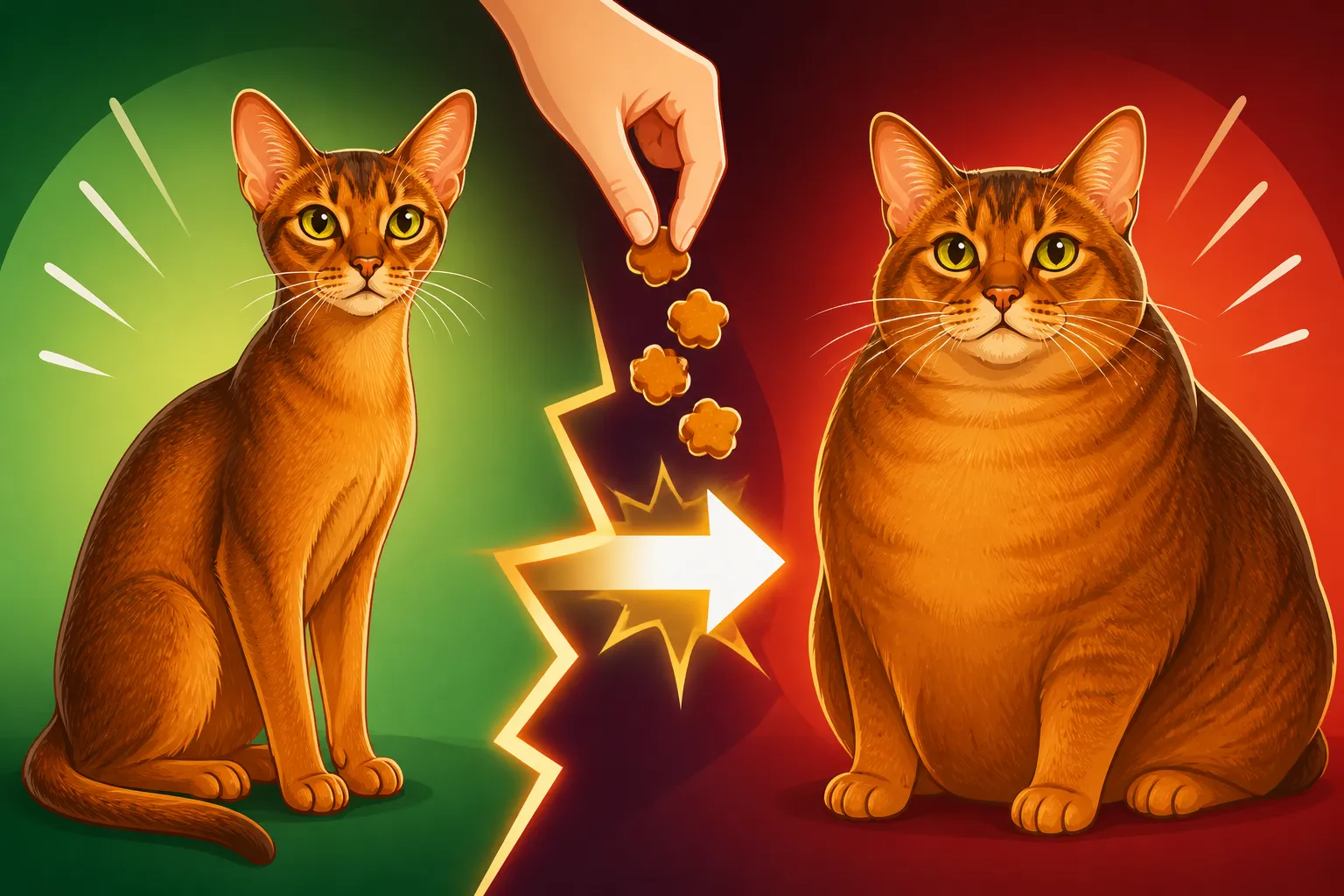
It's incredibly easy to fall into the trap of thinking our Abyssinian cats are immune to weight gain. After all, they're constantly on the move, zipping from room to room, scaling cat trees, and generally acting like furry, perpetually caffeinated projectiles. You might glance at their lean, muscular build and assume a few extra treats here and there won't make a dent. The truth, however, is that even with their boundless energy, those seemingly small, innocent treats can quickly add up, silently sabotaging their carefully balanced diet and leading to unexpected health issues. This guide will walk you through just how rapidly treats can undermine an Abyssinian's ideal weight and what you can do about it.
The Abyssinian Metabolism: A High-Energy Illusion
Abyssinians are renowned for their incredible athleticism and high energy levels. They rarely sit still for long, preferring to explore, climb, and play. This constant motion often gives owners the impression that their Aby can burn off anything, making it tempting to offer more treats or slightly larger portions. However, even the most active cat has a caloric ceiling, and going over it consistently, especially with calorie-dense treats, will eventually lead to weight gain.
The Illusion of "Bottomless" Energy
When you watch your Abyssinian launch themselves up a six-foot cat tree in a single bound or chase a wand toy with relentless vigor for twenty minutes straight, it's easy to believe they possess a bottomless pit of energy. Their sleek, muscular bodies and short, close-lying coats often mask any subtle changes in body condition. You might think, "Look at them go! They'll burn off that extra bit in no time." This perception is a common pitfall. While Abyssinians do have a higher metabolic rate than many more sedate breeds, it's not an infinite furnace. Their energy is certainly impressive, but it's still governed by the laws of thermodynamics: calories in versus calories out.
Remember, even an Abyssinian's most intense play sessions consume a finite amount of calories. If the caloric intake, particularly from non-nutritious treats, consistently exceeds their daily expenditure, those extra calories are stored, usually as fat. This can be especially deceptive because their energetic nature often hides early signs of lethargy or discomfort that might indicate they're carrying extra weight. How Many Calories an Adult Abyssinian Burns is a good starting point for understanding their baseline needs, but even that can be quickly outpaced by treat-giving.
Where Hidden Calories Accumulate
Those tiny, crunchy morsels or tempting soft chews might seem insignificant, but their caloric density can be surprisingly high. Many commercial cat treats are formulated to be palatable, often containing fats and carbohydrates that pack a caloric punch in a small package. It's like a human thinking a handful of chips won't hurt after a run; individually, they're small, but collectively, they add up faster than you'd expect.
These hidden calories don't just accumulate as fat; they can also displace the intake of essential nutrients from their balanced daily food. If your Abyssinian fills up on treats, they might eat less of their main meal, leading to nutritional imbalances over time. This is particularly problematic for Abyssinians, who are already known for being discerning eaters. Why an Abyssinian Eats More Than a Bigger Cat due to their high metabolism means that while they need more calories, those calories must be nutrient-rich, not empty.
Understanding Treat Calories Versus Daily Needs
Navigating the world of cat treats can feel like walking through a minefield, especially when trying to maintain your Abyssinian's svelte figure. The sheer variety and the often vague labeling make it difficult to ascertain just how much you're actually feeding your cat outside of their regular meals. However, understanding the caloric contribution of treats is fundamental to preventing unintended weight gain.
The Treat-to-Meal Ratio
Think about it this way: for a typical adult Abyssinian, their daily caloric needs might be in the ballpark of 200-250 calories, depending on their age, activity level, and whether they're spayed or neutered. How Many Calories a Neutered Abyssinian Needs will be slightly less than an intact cat, for instance. Now, consider a single commercial cat treat, which might contain anywhere from 2 to 5 calories. A handful of these can easily add 20-30 calories to their day – that’s already 10-15% of their entire daily allowance!
If your Abyssinian is getting multiple "handfuls" or larger, more indulgent treats throughout the day, it's not hard to see how those percentages stack up. It’s an easy path to consistently exceeding their caloric needs, even if their main meals are perfectly portioned. The table below illustrates how quickly treats can become a significant portion of an Abyssinian's daily calorie intake, turning a small reward into a substantial dietary contribution.
| Treat Type | Approximate Calories per Treat | Number of Treats | Total Calories | % of 200-Calorie Daily Diet |
|---|---|---|---|---|
| Small Crunchy Treat | 2 | 5 | 10 | 5% |
| Small Crunchy Treat | 2 | 10 | 20 | 10% |
| Soft Chew Treat | 3 | 5 | 15 | 7.5% |
| Soft Chew Treat | 3 | 10 | 30 | 15% |
| Freeze-Dried Chicken Bite | 5 | 3 | 15 | 7.5% |
| Freeze-Dried Chicken Bite | 5 | 5 | 25 | 12.5% |
| Lickable Treat Pouch (half) | 20 | 1 | 20 | 10% |
| Lickable Treat Pouch (full) | 40 | 1 | 40 | 20% |
As you can see, even a seemingly modest amount of treats can quickly push your Aby's daily calorie intake into excess. This is particularly concerning because Abyssinians, despite their energy, are not immune to the health risks associated with being overweight or obese, even if Why an Abyssinian Rarely Gets Fat is often stated. When they do, it's often a silent issue until significant problems arise.
Reading Labels and Making Smart Choices
The key to responsible treating lies in becoming a savvy label reader. Don't just grab the cutest package or the one with the most appealing marketing. Turn it over and look at the guaranteed analysis and, more importantly, the caloric content. Many brands now list calories per treat or per serving, which is incredibly helpful. If it's not listed, a quick search on the brand's website or a call to their customer service can usually get you this vital information.
Consider the ingredients as well. Look for treats with whole, identifiable protein sources as the primary ingredient. Avoid those laden with fillers, artificial colors, or excessive amounts of grains and sugars. Brands available through retailers like Chewy often provide detailed nutritional breakdowns and ingredient lists right on their product pages, making it easier to compare options. For instance, freeze-dried meat treats are generally lower in carbohydrates and less calorie-dense per gram than softer, chewier options. You might also find great options on Amazon, but again, due diligence on the ingredients and caloric info is crucial.
Remember, treats should always be a small percentage of your cat's overall diet – ideally no more than 10%, but for weight management, even less is better. If you're using treats frequently for training or enrichment, factor those calories into their daily food allowance, reducing the amount of kibble or wet food they receive.
The Health Repercussions of Excess Treats
While an Abyssinian carrying a few extra pounds might not look overtly "fat" due to their athletic build, the internal toll can be significant. Excess weight isn't just a cosmetic issue; it's a gateway to a host of serious health problems that can diminish their quality of life and shorten their vibrant lifespan.
Beyond Just Weight Gain
The most obvious repercussion of too many treats is weight gain, but the problems extend far beyond simply being a bit heavier. One of the most critical areas affected is dental health. Many commercial treats, especially the crunchy variety, are marketed as "dental treats," but in reality, few genuinely contribute to better oral hygiene, and many can even exacerbate issues. Abyssinians are already prone to Why an Abyssinian Kitten's Gums Fail at Six Months and other dental problems, making them particularly vulnerable. Treats, especially those high in starches and sugars, can stick to teeth, contributing to plaque and tartar buildup, which in turn leads to gingivitis, painful tooth resorption, and the need for frequent professional dental cleanings. Why Abyssinian Dental Work Is the Biggest Line in the Budget is already a reality for many owners, and excessive treats only add to this burden.
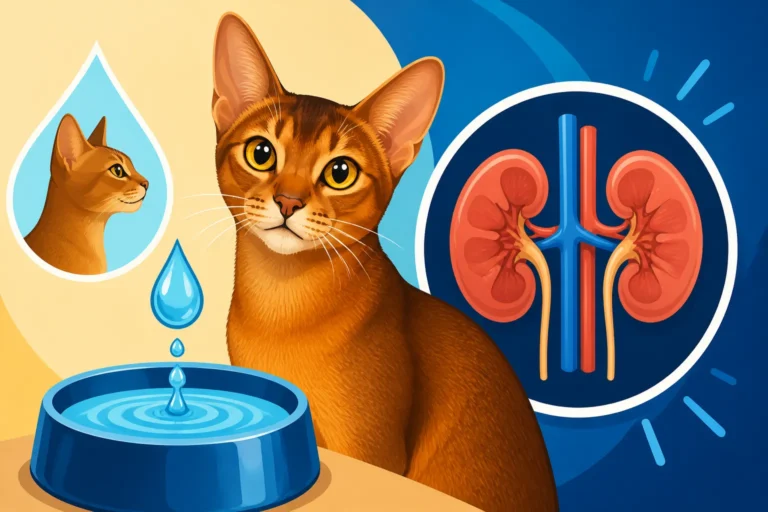
Beyond dental woes, excessive treats can also put a strain on an Abyssinian's internal organs. A diet high in calories and potentially imbalanced nutrients can lead to issues such as diabetes, liver problems, and even exacerbate underlying conditions. For a breed like the Abyssinian, already predisposed to kidney concerns, keeping them at a healthy weight and ensuring optimal hydration is paramount. High-sodium treats, for example, could encourage excessive thirst or dehydration, putting undue stress on their kidneys, especially when considering Why an Abyssinian's Kidneys Make Water Intake Matter. It's a domino effect, where one seemingly small dietary indiscretion can trigger a cascade of health complications.
Behavioral Implications and Training Traps
The impact of treats isn't purely physiological; it has significant behavioral implications too. Abyssinians are incredibly intelligent and food-motivated. While treats are excellent tools for positive reinforcement in training, indiscriminate treat-giving can inadvertently create problems. Your Abyssinian might start begging persistently, associating every interaction with the expectation of a reward. Why an Abyssinian Asks for Food It Does Not Need is a common frustration for owners who've been too generous with treats. This isn't because they're hungry, but because they've learned that vocalizing or rubbing against your leg often results in a tasty bite.
Furthermore, if treats are always readily available, their value as a training motivator diminishes. Why work for a trick if snacks are constantly flowing? This can make training more challenging. Instead of using treats to shape desired behaviors, they become a default, losing their impact. It's about strategic reinforcement. Which Treats an Abyssinian Will Actually Work For are usually high-value, novel items, not the everyday crunchies. If your Aby is constantly satiated with treats, even these high-value options might lose their appeal.
Strategies for Smart Treating and Avoiding the Pitfalls
The good news is that treats don't have to be entirely off-limits for your Abyssinian. The key is mindful, purposeful treating. By adopting smarter strategies, you can use treats effectively for training and enrichment without jeopardizing your cat's health or encouraging unwanted behaviors.
Purposeful Treating
Instead of giving treats just because your Abyssinian looks cute or happens to be nearby, integrate them into specific activities. This makes treats a reward rather than just a snack. Think about using them for training sessions to teach tricks like "sit," "stay," or even to walk on a harness. Abyssinians are highly intelligent and thrive on mental stimulation, so making them work for a treat can be incredibly satisfying for them.
Puzzle feeders are another fantastic way to offer treats or even a portion of their daily kibble in a controlled, engaging manner. These devices require your Aby to use their problem-solving skills to extract the food, turning mealtime into a stimulating "hunt." Retailers like Amazon and Chewy offer a wide variety of puzzle feeders, from simple treat balls to more complex mazes. This helps slow down their eating and satisfies their natural foraging instincts. Which Puzzle Feeders Hold an Abyssinian's Attention the longest are often those that offer varying levels of difficulty.
Healthy Alternatives and Creative Engagement
Not every reward has to be food-based. Your Abyssinian craves attention, playtime, and mental challenges. Consider these non-caloric alternatives:
- Interactive Play: A vigorous 10-15 minute session with a wand toy can be far more rewarding and calorie-burning than any treat.
- Praise and Affection: While Abyssinians aren't typically lap cats, they appreciate a gentle scratch behind the ears, a loving gaze, or a quiet conversation.
- Enrichment Activities: Rotating toys, providing new climbing opportunities, or even creating a "catio" can offer immense satisfaction.
When you do choose to use food as a treat, think “quality over quantity.” Small pieces of cooked, unseasoned chicken, turkey, or fish can be excellent high-value rewards. Human-grade fresh food, in tiny portions, can also serve as a highly palatable and nutritious treat, often without the excessive fillers found in many commercial treats. You can also utilize a small portion of their regular, high-quality wet food, smeared into a lick mat or hidden for a Why Foraging Suits an Abyssinian's Mind activity. How to Hide Food Around the House for an Abyssinian is a fantastic way to encourage natural hunting behaviors and make them work for their calories, even if those calories are part of their main meal.
The goal is to provide mental and physical stimulation that satisfies their active minds and bodies without relying solely on extra calories. By being intentional about when and what you treat your Abyssinian with, you can ensure they remain at their ideal weight, healthy, and happy, ready for their next adventure.
Disclaimer
This article is for general informational purposes only and does not constitute professional advice. Laws, prices and regulations vary by location and change over time. Consult a qualified professional for guidance on your specific situation.