Why Wet Food Protects an Abyssinian’s Kidneys
It’s a heart-wrenching reality for many cat owners: the specter of kidney disease. For us Abyssinian enthusiasts, this concern often feels even closer to home, given their energetic natures can sometimes mask underlying issues. If you’ve been worrying about how best to support your Aby’s long-term health, especially when it comes to those vital kidneys, you're in the right place. This guide is all about unraveling why wet food isn't just a treat, but a powerful ally in protecting your Abyssinian's renal function.
Understanding the Abyssinian's Unique Hydration Needs
One of the biggest misconceptions we have about our feline friends is that they'll drink enough water on their own. We put out a beautiful, fresh bowl, maybe even a fancy fountain, and assume they're all set. But cats, and Abyssinians are no exception, are not naturally big drinkers. Their evolutionary history has wired them for a different approach to hydration, one that dry kibble simply doesn't accommodate.
The Abyssinian's Ancestral Diet and Water Intake
Think about where our domestic cats come from, way back in their lineage. They were desert dwellers, hunters who primarily got their moisture from the prey they consumed. A mouse, for example, is around 70-80% water. This meant their bodies evolved to be incredibly efficient at conserving water and didn't develop a strong, intrinsic thirst drive like humans or even dogs. They didn't need to guzzle from a stream when their dinner was providing most of their liquid intake.
This ancient blueprint is still very much active in your Abyssinian today. Their kidneys are designed to concentrate urine to save water, which is a fantastic survival mechanism in the wild but can become a burden when their diet doesn't provide sufficient moisture. What ends up happening is a state of perpetual, low-level dehydration, even if you see them sip from the bowl occasionally. It's not that they won't drink, it's that their drive to drink isn't strong enough to make up for a dry diet. This subtle, chronic dehydration is often the quiet background hum to many feline health issues, kidney problems chief among them.
Why Kibble Falls Short on Hydration
Now, let's talk about dry kibble. We love it for its convenience, its ability to stay fresh in a bowl, and often, its cost-effectiveness. But the truth is, kibble has a moisture content of only about 5-10%. Compare that to a mouse's 70-80%, or even wet food's similar percentages, and you can instantly see the huge deficit. It’s like us trying to live on crackers alone and hoping we remember to drink enough water throughout the day. We might try, but very few of us would actually succeed in staying optimally hydrated.
Your Abyssinian might love the crunch and taste of kibble, but their body still needs that missing moisture. Even if you provide multiple water bowls, fancy fountains, and change the water religiously, most cats simply won't drink enough to compensate for the extreme dryness of their diet. It’s a frustrating reality for many owners: you want to do right by your cat, but they’re just not acting like they should. We often hear owners say their cat drinks plenty of water, but when you look at the numbers, it's rarely enough to bridge the gap left by a diet of dry food. This constant mild dehydration means their kidneys are working overtime, day in and day out, which can lead to significant wear and tear over the years. This increased workload is precisely what we want to avoid for such active, long-lived cats. How Much Water an Active Abyssinian Drinks
How Wet Food Becomes a Kidney's Best Friend
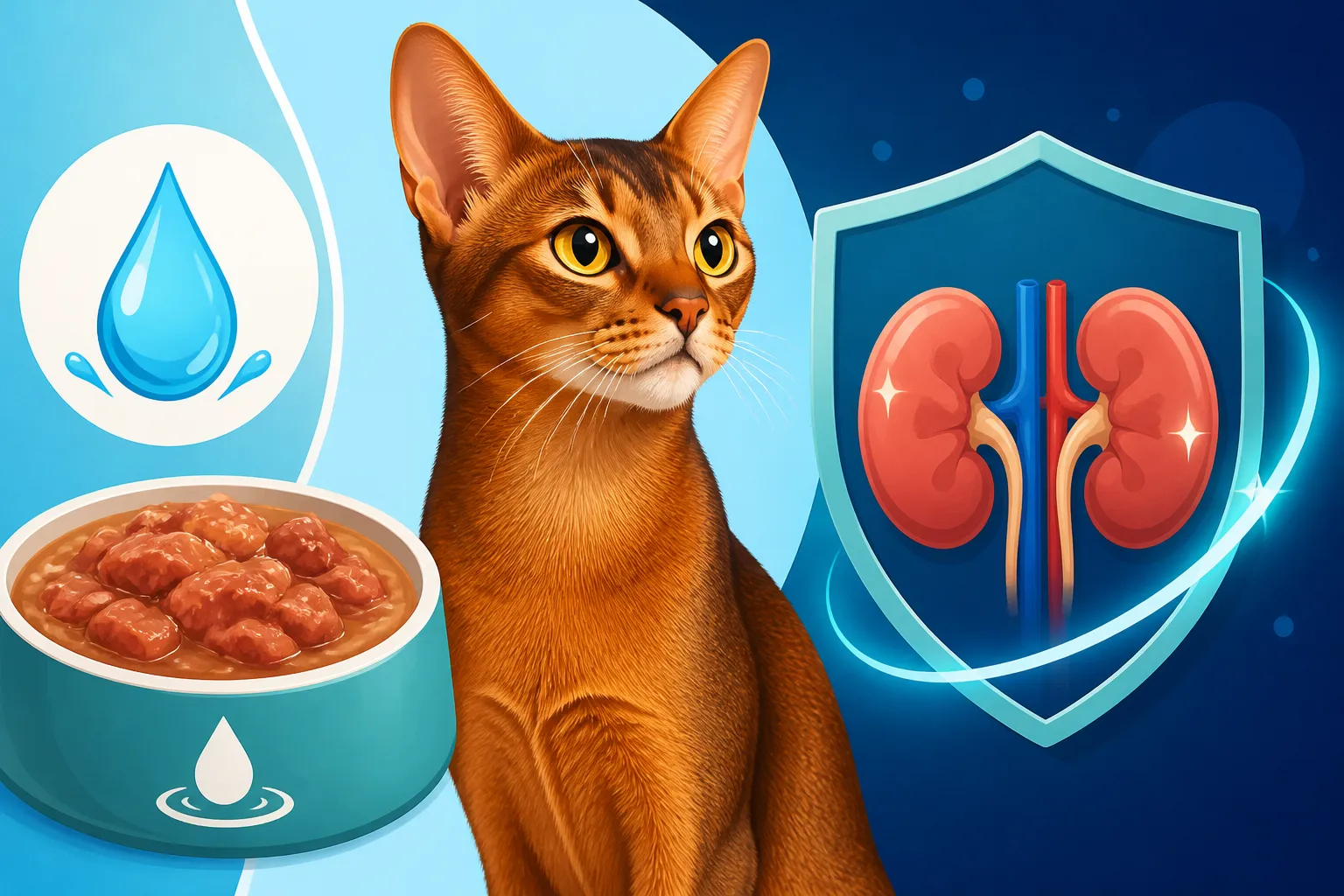
This is where wet food truly shines. It’s not just about tastiness; it's about fundamentally changing the hydration equation for your Abyssinian. By providing food that’s already packed with moisture, you're giving their kidneys a much-needed break and helping their bodies function as nature intended.
The High Moisture Content of Canned and Fresh Foods
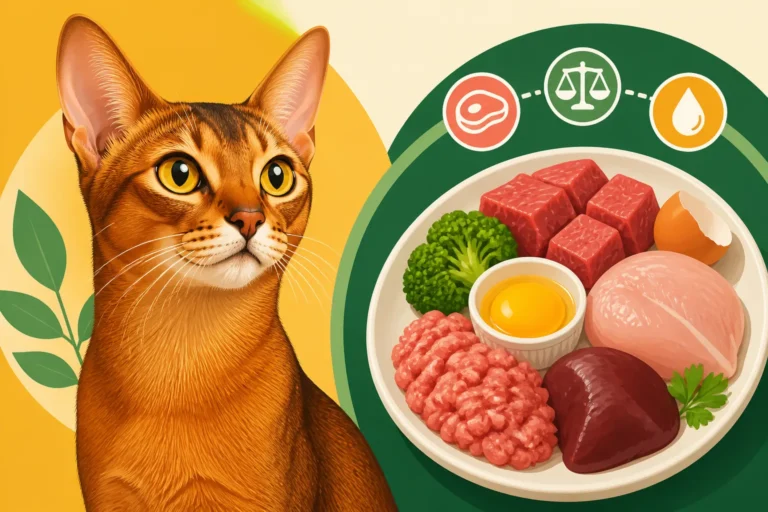
The beauty of wet cat food, whether it's canned, pouches, or even fresh, gently cooked options, is its inherent moisture content. Most high-quality wet foods boast a moisture level between 70-80%, sometimes even higher. This figure is almost identical to the natural prey animals that cats evolved to eat. What this means in practical terms is that every meal your Abyssinian consumes contributes significantly to their daily fluid intake, often without them even realizing it.
Imagine your Aby eating a 5.5-ounce can of wet food that's 78% moisture. That's over 4 ounces of water they just ingested, simply by eating their dinner! It’s effortless hydration, baked right into their meal. This consistent, passive intake of fluids helps keep their urinary tract flushed and their kidneys well-supported. It prevents their urine from becoming overly concentrated, which can sometimes contribute to the formation of urinary crystals or stones, though the primary benefit for Abyssinians is the direct support for kidney function. You'll notice your cat might drink less from their water bowl, but this isn't a bad thing; it simply means they're getting what they need from their food, which is precisely how their bodies are designed to work.
Reducing the Strain on Delicate Abyssinian Kidneys
Well-hydrated kidneys are happy kidneys. When your Abyssinian consistently gets enough moisture through their diet, their kidneys don't have to work nearly as hard to filter waste products from the blood and produce urine. This reduces the constant stress on these vital organs, potentially slowing down the progression of age-related kidney decline and offering a buffer against other issues.
While Abyssinians don't have a specific kidney disease gene test like some other breeds, they can still be susceptible to conditions like renal amyloidosis, which is a devastating protein deposition disease that affects their kidneys. While diet isn't a direct cause or cure for amyloidosis, providing optimal hydration certainly helps the kidneys function more efficiently and might help manage the symptoms if the disease progresses. What Amyloid Is and Why It Reaches Abyssinian Kidneys Consistent hydration helps keep blood flowing smoothly through the kidneys, aiding in the removal of toxins and making their job easier. It's like giving your car the right type and amount of oil – everything just runs more smoothly and lasts longer. A young Abyssinian who is suddenly drinking a lot of water might be showing early signs of kidney trouble, which is a major red flag, and consistent wet food intake can help reduce the chances of developing such issues down the line. Why a Thirsty Young Abyssinian Is a Red Flag
Making the Switch: Practical Tips for Abyssinian Owners
Okay, you're convinced wet food is the way to go for your Abyssinian's kidneys. But, let's be realistic: cats can be incredibly particular, and Abyssinians, with their strong personalities, are no exception. Switching diets isn't always a walk in the park, but with patience and a few tricks, you can make the transition smooth.
Transitioning from Kibble to Wet Food
Don't expect your Abyssinian to instantly abandon their beloved kibble for a new wet food. Many cats are creatures of habit, and texture plays a huge role in their preferences. The key here is gradual introduction. Start by offering a tiny dollop of wet food next to their dry kibble. Let them investigate it on their own terms. Some cats might dive right in, others might sniff it disdainfully and walk away. Don't get discouraged!
Over several days or even weeks, slowly increase the proportion of wet food to dry. A good strategy is to mix a very small amount of wet food into their dry food, gradually increasing the ratio. Warming the wet food slightly (just a few seconds in the microwave, ensuring no hot spots!) can enhance its aroma and make it more appealing. Try different textures – pâté, shredded, chunky – to see what your Aby prefers. Some cats are very particular about shape and consistency. Consistency and patience are your best friends here. It might feel like a slow dance, but remember the long-term kidney benefits you’re working towards.
Choosing the Right Wet Food for Your Abyssinian
When selecting wet food, quality really does matter, especially for an active breed like the Abyssinian. Look for foods that list meat (like chicken, turkey, or salmon) as the first ingredient, or ideally, the first few ingredients. Aim for high protein and moderate fat content, with relatively low carbohydrates. Remember, cats are obligate carnivores, meaning they thrive on animal protein.
You have a lot of options out there, from well-known brands available at Chewy or Amazon to more boutique, specialized foods. Fresh, human-grade options can be excellent for hydration and nutrition. Don't be afraid to experiment with different brands and flavors until you find a few that your Abyssinian enjoys. Variety can also be beneficial, as it exposes them to a broader range of nutrients and can prevent them from becoming too fixated on one specific food. Just make sure any food you choose is labeled as “complete and balanced” for all life stages, or for the appropriate life stage of your cat (kitten, adult, senior).
Complementary Hydration Strategies
Even with a wet food diet, there are always ways to further boost your Abyssinian's water intake. Think of it as an insurance policy for those precious kidneys. Multiple water bowls placed in different locations around the house can encourage more frequent sips. Some cats prefer glass or ceramic bowls over plastic, or even larger bowls that don't allow their whiskers to touch the sides.
Many Abyssinians absolutely adore cat drinking fountains. The running water is often far more appealing than a still bowl, tapping into their instinctual preference for moving water, which they might perceive as fresher and safer. Whether an Abyssinian Uses a Fountain You can also add a small amount of extra water, low-sodium broth, or even water from a can of tuna (in water, not oil!) to their wet food. Just be sure not to over-dilute it to the point where they refuse to eat. Every little bit of extra fluid counts towards protecting their kidneys and ensuring long-term health.
The Long-Term Benefits for Your Abyssinian's Health
Committing to a wet food diet for your Abyssinian is a proactive step that extends far beyond just kidney health. It contributes to their overall vitality, helping them maintain that characteristic boundless energy and ensuring they stay with you, healthy and happy, for as many years as possible.
Beyond Kidney Protection: Overall Well-being
While kidney support is a huge win, the benefits of a high-moisture diet for your Abyssinian ripple out to nearly every system in their body. Proper hydration is fundamental for healthy digestion, ensuring food moves efficiently through their system and reducing the likelihood of constipation. It also contributes to a healthier urinary tract overall, making it less hospitable for bacterial growth and crystal formation, even if kidney disease isn't the primary concern.
You might also notice improvements in their coat quality – a more vibrant, shiny ticked coat – and better skin health. An Abyssinian that is consistently well-hydrated often has more sustained energy levels, helping them maintain their playful, curious nature well into their senior years. What an Old Abyssinian Slows Down From It helps maintain an ideal body weight, too, as wet food often has fewer calories per serving than kibble, allowing them to feel full without overeating. This holistic approach to nutrition simply helps your Abyssinian thrive.
Monitoring Your Abyssinian's Kidney Health
Even with the best diet, regular veterinary check-ups remain absolutely essential for monitoring your Abyssinian's kidney health. As they age, it becomes even more critical. Your vet can perform routine blood and urine tests that can catch subtle changes in kidney function long before clinical signs become obvious. When a Middle Aged Abyssinian Needs Yearly Bloodwork
Key indicators your vet will look at include blood urea nitrogen (BUN), creatinine, and especially the SDMA (Symmetric Dimethylarginine) value, which can detect kidney disease much earlier than traditional tests. How the SDMA Value Reads on an Abyssinian Urine specific gravity is another important measurement that helps assess how well the kidneys are concentrating urine. Any unusual changes in thirst, urination frequency or volume, or even a subtle shift in appetite or energy should prompt a visit to the vet. By working closely with your veterinarian and maintaining a high-moisture diet, you're giving your Abyssinian the best possible chance at a long, healthy life. Remember, early detection is always key when it comes to kidney issues, and a proactive approach, including diet, makes all the difference. How a Vet Manages an Abyssinian in Kidney Failure
To illustrate the stark difference in moisture, let's look at a quick comparison:
| Food Type | Typical Moisture Content | Primary Hydration Source | Impact on Kidneys (with inadequate water intake) |
|---|---|---|---|
| Dry Kibble | 5-10% | External water bowl | Kidneys work harder to concentrate urine; risk of chronic dehydration |
| Wet Food | 70-80% | Food itself | Kidneys receive consistent hydration; reduced workload |
| Natural Prey | 70-80% | Food itself | Optimal, natural hydration |
This article is for general informational purposes only and does not constitute professional advice. Laws, prices and regulations vary by location and change over time. Consult a qualified professional for guidance on your specific situation.