Why a Lean Abyssinian Hides Illness Longer Than a Heavy Cat
It’s a heart-wrenching reality for many Abyssinian owners: your energetic, playful companion suddenly seems… off. You might notice a slight dip in their usual frantic pace, a moment of hesitation before a leap, or maybe they just aren't quite as demanding for attention. But because Abyssinians are so naturally lean and packed with an almost unbelievable amount of stamina, they are masters at masking discomfort and illness, often until things are quite severe. This guide will help you understand why your lean Abyssinian can be such a stoic little warrior, and more importantly, how to recognize those incredibly subtle cues that hint at trouble before it becomes a full-blown crisis.
Understanding the Abyssinian's Natural Physique
The Abyssinian isn't just a pretty face; their sleek, muscular build is a testament to centuries of selective breeding that favors activity and agility. This naturally athletic frame, while beautiful, is one of the primary reasons they can hide illness so effectively. Unlike some heavier, more sedentary breeds, a slight dip in energy or a small amount of weight loss might not register as a red flag until it’s significant.
The Active, Lean Build of an Abyssinian
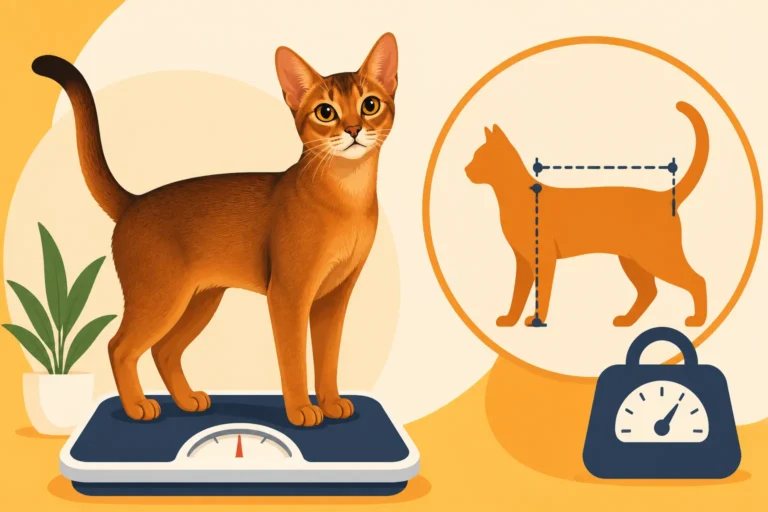
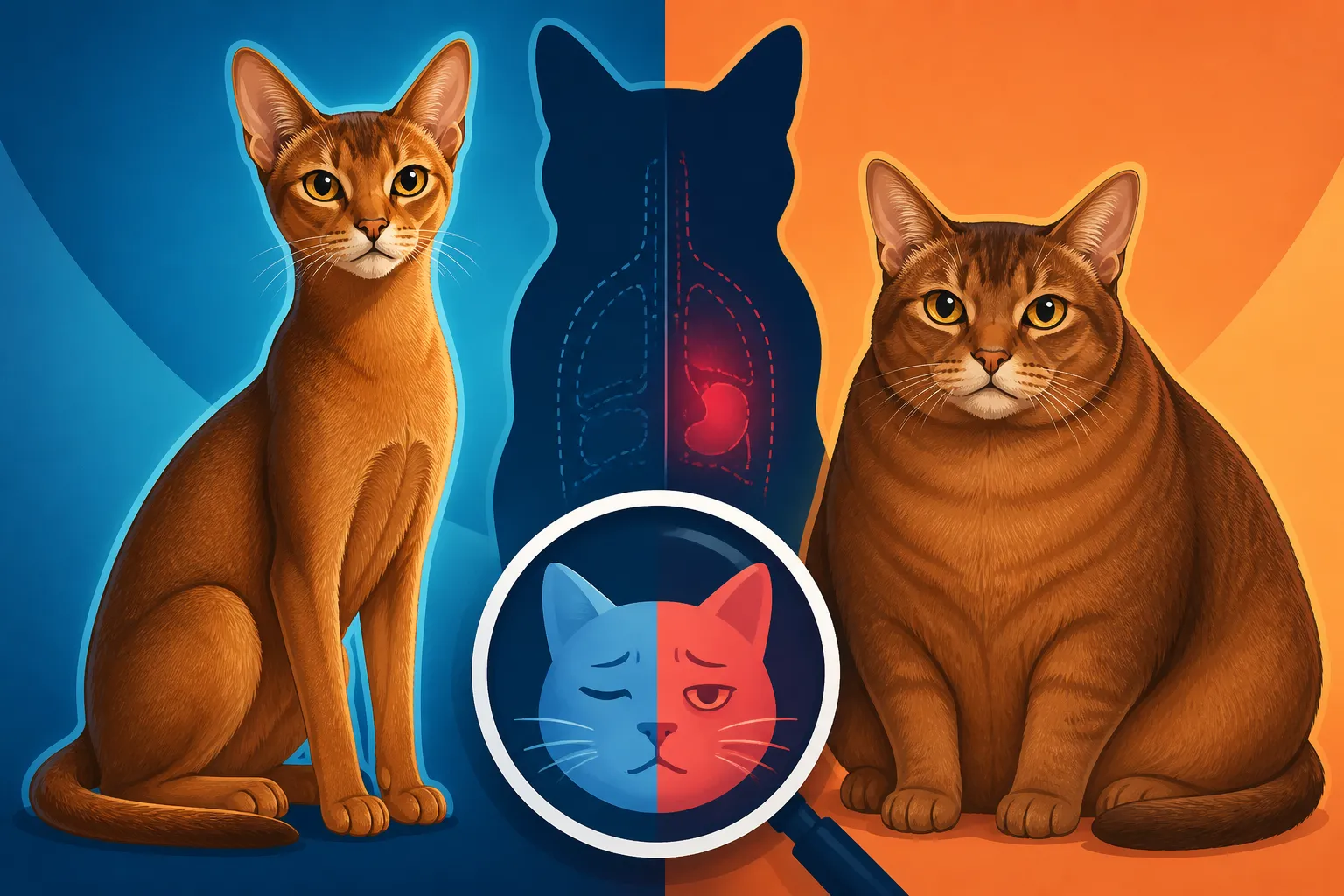
If you've ever owned an Abyssinian, you know they're not built for lounging. They're built for action. Their bodies are lithe, their legs long, and their muscle tone is impressive, even in repose. This lean musculature means they don't carry much excess fat, which can be a blessing for their joints, but a curse when it comes to early illness detection. A heavier cat might show a noticeable sag in their belly or a rapid decrease in weight when ill, but an Abyssinian might just look a little more streamlined, something easily dismissed as normal for their active lifestyle. They often seem to be "all muscle and bone," a description that perfectly captures their physical makeup. You might even find yourself checking How to Read an Abyssinian's Body Condition Through That Coat to be sure you're truly understanding their ideal weight.
Why Their Metabolism is So High
Abyssinians are like little internal combustion engines, constantly burning fuel. Their high metabolism contributes to their boundless energy and their naturally lean physique. This constant energy expenditure means their bodies are very efficient at using nutrients. When illness strikes, this high metabolism can initially mask problems. For example, if a cat is losing weight due to an underlying condition like hyperthyroidism or even early kidney disease, their body will tap into its fat and muscle reserves. For a cat with ample reserves, this might not be noticeable for a while. But for a naturally lean Abyssinian, who already has less fat to spare, their body has to rely on muscle mass sooner. This can make them seem to just be getting "trimmer" rather than truly losing condition, especially if their appetite hasn't completely vanished yet. Their persistent activity levels, even when feeling poorly, contribute to this rapid burning of resources, further complicating early diagnosis.
The Deceptive Nature of a Ticked Coat
Another unique characteristic of the Abyssinian that aids in their deception is their stunning ticked coat. Unlike cats with distinct patterns or longer fur, the Abyssinian's short, close-lying coat, with its characteristic banding on each hair shaft, can obscure subtle changes in body condition. It doesn't get matted, it rarely looks greasy unless they are very unwell, and it tends to spring back even if they're a little dehydrated. You won't easily see a dull, patchy coat or pronounced ribbing through dense fur like you might on a Persian or a Maine Coon. The ticking itself, which creates that beautiful shimmery effect, can sometimes make their coat appear fuller than it is, especially in certain lighting. This means you have to be much more hands-on, feeling their body regularly, to truly assess their weight and muscle mass, rather than relying solely on visual cues. The subtle changes in their overall appearance are simply not as obvious due to their unique fur.
The Instinct to Hide Vulnerability
All cats, by their very nature, are masters of disguise when it comes to pain and illness. This isn't a sign of being difficult; it's a deep-seated survival instinct. In the wild, showing weakness makes an animal a target for predators. Even though our beloved Abyssinians are far removed from the savanna, that ancient programming remains strong.
Wild Ancestry and Survival
Cats are solitary hunters, and their ancestors evolved in environments where vulnerability meant danger. A sick or injured cat in the wild was quickly identified as weak, making it susceptible to predators or even ostracization from a feral colony. This ingrained behavior means that even our pampered house cats will go to great lengths to hide any sign of discomfort, illness, or pain. They will often retreat, become less vocal, and try to maintain their normal routine for as long as possible. For an Abyssinian, whose natural state is one of incredible energy and curiosity, this masking behavior is often amplified. They don't want to miss out on the action, or they might simply be too proud to show they aren't feeling 100%. This makes it incredibly challenging for us, their human companions, to catch early signs.
Subtle Behavioral Changes as Early Warnings
Since overt signs of illness are rare until a condition is advanced, observing subtle behavioral shifts becomes paramount. Your Abyssinian might still be playing, but perhaps for shorter bursts, or they might not leap to the highest shelf quite as readily. They might still greet you, but without the usual intense purring or head bunting. Look for changes in their sleep patterns – are they sleeping more deeply or in unusual spots? Are they still demanding interaction, or are they subtly withdrawing? Even changes in their vocalizations can be a clue; an Abyssinian's chirp is often a communication tool, and if it changes in frequency or intensity, it could mean something is amiss. Maybe they stop playing with a particular toy, or they're less insistent on their usual game of fetch. These aren't always obvious, attention-grabbing signs, but for an owner who knows their cat intimately, they are whispers of concern.
The Challenge of Spotting Subtle Cues
The problem with subtle cues is, well, they're subtle. In our busy lives, it's easy to overlook a slight decrease in enthusiasm or a few less demanding chirps. It's often only in hindsight that we realize those tiny changes were actually important. This is why having a consistent routine and spending dedicated, observant time with your Abyssinian every day is crucial. Pay attention to how they interact with their environment, with you, and with other pets. Are they still exploring every nook and cranny? Are they still the first one at the door when you come home? Are they still bothering a quieter cat in the household, or have they become less inclined to instigate? Any departure from their normal, predictable (or unpredictably mischievous) routine should prompt a closer look. It's a bit like being a detective, constantly collecting small pieces of evidence that, on their own, might not mean much, but together, paint a concerning picture.
Metabolic Reserves and How They Mask Illness
The Abyssinian's body is a finely tuned machine, optimized for efficiency. This inherent efficiency, coupled with their lean build, means they have a way of tapping into internal reserves when faced with illness, effectively delaying visible symptoms.
Burning Calories Like Tiny Furnaces
As discussed, Abyssinians are known for their incredibly high metabolisms. They burn through calories at an impressive rate, which is why many stay so lean even with a healthy appetite. When they start feeling unwell, their body’s immediate response is to conserve energy and often, to tap into these caloric reserves. This isn't just about fat; it's also about muscle. Because they have less fat to begin with, muscle mass can be utilized sooner than in a cat with more stored adipose tissue. This can lead to a gradual, almost imperceptible muscle wasting that is difficult to spot visually through their short, dense coat. It might manifest as a slight decrease in jump height or a tiny bit less spring in their step, rather than outright visible emaciation. It's a testament to their remarkable resilience, but also their unfortunate ability to keep secrets from us. You might also want to understand How Much an Abyssinian Should Weigh at Its Frame to keep a close eye on their baseline.
When Illness Starts Tapping into Reserves
Imagine a cat that typically weighs 8 pounds, a healthy weight for many Abyssinians. If they lose a pound, that's a 12.5% reduction in body weight – a significant amount! However, for a naturally lean cat, that pound might be distributed across muscle loss and internal fat, making it less glaringly obvious than on a cat with a larger frame or more cushion. Early-stage kidney disease, for instance, can cause a gradual decline in appetite and a subtle increase in thirst. An Abyssinian might compensate by drinking more, masking dehydration, and drawing energy from their body stores to maintain their activity level. It's like they're running on fumes, but their energetic persona keeps up the illusion. This is why Why an Abyssinian's Weight Loss Is Never Minor is such a critical concept for owners of this breed. Every ounce counts.
Why Weight Loss Isn't Always the First Sign
While weight loss is often a classic symptom of illness in many animals, it can be a relatively late-stage indicator for a lean Abyssinian. Before overt weight loss becomes apparent, you might notice other, less obvious signs. Perhaps their spine feels a little more prominent when you pet them, or their hips feel a bit sharper. Their energy level might drop imperceptibly, or they might simply not be quite as boisterous as they used to be. For a truly healthy Abyssinian, you should be able to feel their ribs without seeing them, and they should have a discernible waist. If you start to see their ribs, or their waist disappears because they've become too thin, it’s often a sign that the illness has been progressing for some time. This is why consistent, gentle physical checks during petting sessions are more telling than simply observing their size from afar.
Common Illnesses and Their Masked Symptoms in Lean Abyssinians
Certain conditions are particularly challenging to detect in Abyssinians because their symptoms can be so subtle and easily overlooked in a naturally active and lean cat.
Kidney Disease: The Silent Threat
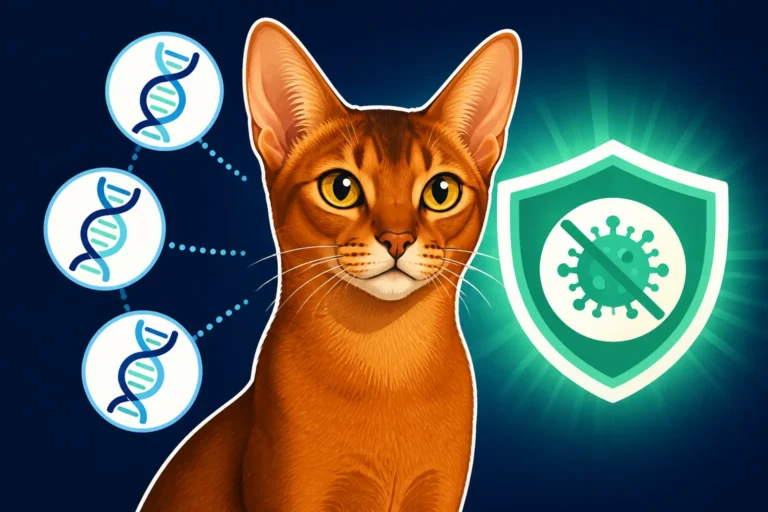
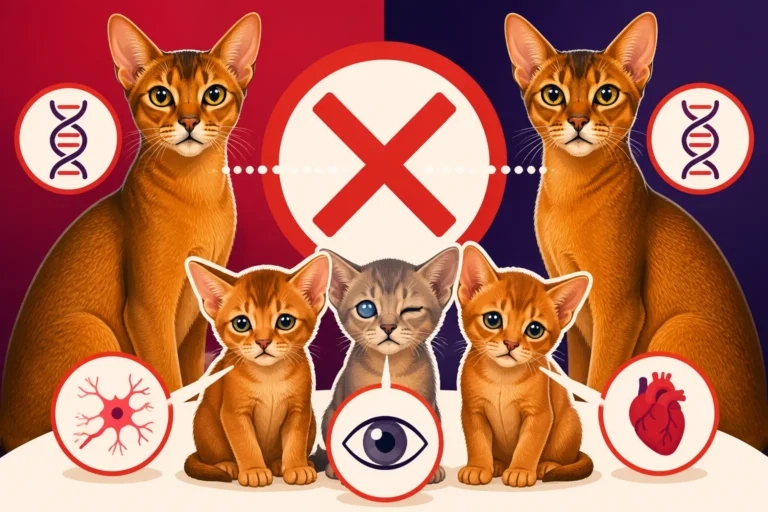
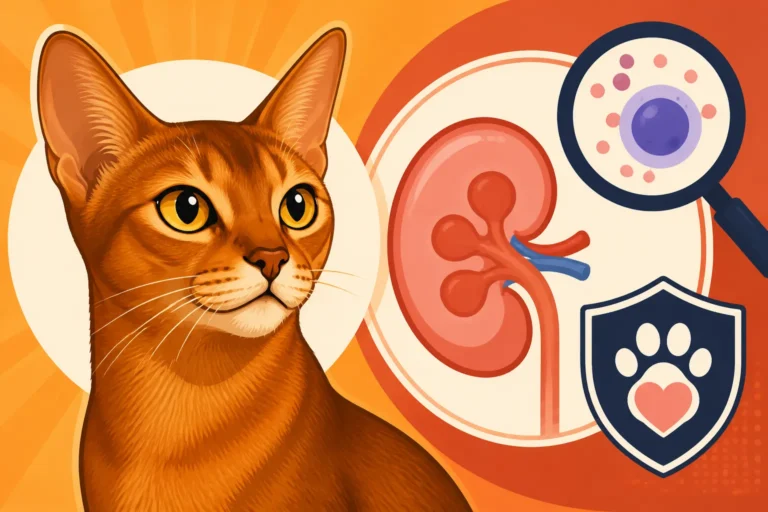
Renal amyloidosis is a particular concern in the Abyssinian breed, a condition where abnormal proteins deposit in the kidneys, leading to eventual kidney failure. Unfortunately, there's currently no genetic test for this. The early signs of kidney trouble are often subtle: a slight increase in thirst, more frequent urination, and perhaps a very mild decrease in appetite. For an Abyssinian, who is already a big drinker if encouraged and often has a seemingly endless appetite, these changes can be hard to spot. You might think, "Oh, they're just drinking more because it's warm," or "They're just being picky with their food today." By the time overt symptoms like lethargy, significant weight loss, or vomiting appear, the disease is often advanced. This is why paying attention to subtle changes in water consumption, such as Why a Thirsty Young Abyssinian Is a Red Flag, and ensuring regular veterinary check-ups with bloodwork, are critical for early detection. Many responsible owners invest in pet insurance like Healthy Paws to cover the often significant costs associated with managing chronic conditions like kidney disease.
Dental Issues and Their Hidden Pain
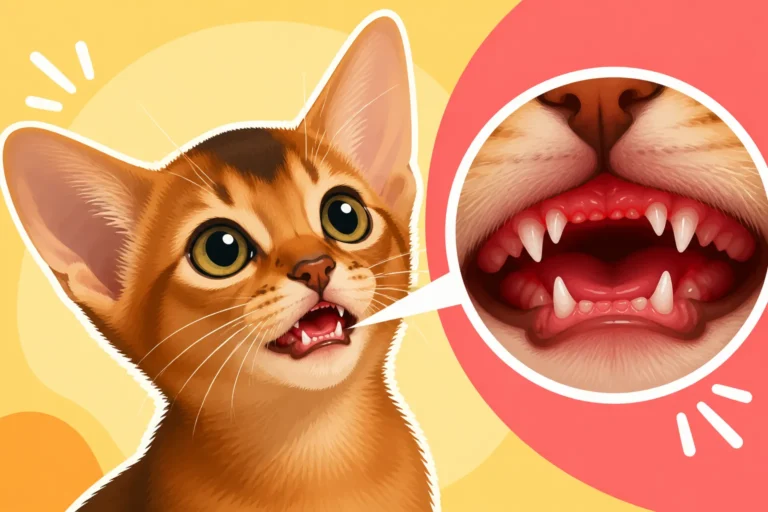
Cats are notorious for hiding dental pain. Unlike dogs or humans who might vocalize discomfort or refuse to eat, a cat with a painful tooth or gum disease will often just keep eating, perhaps chewing a bit more carefully or favoring one side of their mouth. Abyssinian kittens are particularly prone to juvenile gingivitis, a condition where their gums become inflamed and can even overgrow their teeth. This can be incredibly painful, yet they might continue to eat their kibble with surprising stoicism. As the condition progresses, it can lead to tooth resorption, a painful process where the tooth structure breaks down. You might only notice a slight decrease in appetite, a little drooling, or a subtle preference for wet food over dry. Regular home dental care, combined with professional cleanings as recommended by your vet, are vital. Understanding How Often an Abyssinian Needs Its Teeth Cleaned is key to preventing these painful, hidden problems.
Hyperthyroidism: The Double-Edged Sword of Activity
Hyperthyroidism is a common ailment in older cats, but its symptoms can be particularly insidious in an Abyssinian. One of the hallmark signs of hyperthyroidism is increased energy and activity, often accompanied by weight loss despite a ravenous appetite. For an Abyssinian, who is already a highly energetic and often lean cat, these symptoms can be misconstrued as simply being "their normal self," or even a positive sign that they're still youthful. An older Abyssinian might suddenly seem to have the energy of a kitten again, which can be mistakenly celebrated instead of seen as a warning. The constant high energy, combined with the underlying metabolic overdrive, can make them incredibly lean but in an unhealthy way. By the time muscle wasting, a dull coat, or heart problems become evident, the hyperthyroidism is typically well-established. This is another area where annual bloodwork for When a Middle Aged Abyssinian Needs Yearly Bloodwork becomes indispensable, as it can catch the elevated thyroid hormones early.
Proactive Monitoring: Beyond Just Weighing Your Cat
Since Abyssinians are so adept at hiding illness, a proactive and multi-faceted approach to their health monitoring is essential. Relying solely on obvious signs or occasional vet visits isn't enough.
Daily Observation and Routine Checks
The single most effective tool you have as an Abyssinian owner is your observant eye and consistent interaction. Every day, take a few minutes to truly observe your cat. Watch them play, watch them eat, watch them drink, and interact with them physically. When you pet them, gently run your hands over their body to feel for any changes in muscle mass, prominent bones, or lumps. Check their gums for color (they should be pink) and any inflammation. Look into their eyes for clarity and discharge. Listen to their breathing. Pay attention to how they use their litter box – the frequency, amount, and consistency of urine and feces can be incredibly telling. Even subtle shifts in their gait, how they jump, or how they groom themselves can be important clues. Are they still able to jump onto their favorite high shelf easily? Perhaps you might want to look at What an Old Abyssinian Slows Down From as they age, to know what's normal and what's not.
The Importance of Regular Vet Visits and Early Bloodwork
Annual (or even bi-annual for older cats) veterinary check-ups are non-negotiable for Abyssinians. These visits aren't just for vaccinations; they are a crucial opportunity for your vet to perform a thorough physical examination and to recommend routine diagnostic tests. For Abyssinians, especially as they approach middle age (around 7-8 years), annual bloodwork, including a complete blood count (CBC), a biochemistry panel, and a thyroid check, is highly recommended. These tests can often detect subtle changes in organ function long before any outward symptoms appear. For instance, an elevated SDMA value, a relatively new kidney marker, can indicate kidney disease significantly earlier than creatinine. Don't wait until your Abyssinian is clearly sick to get them to the vet; preventative care and early detection are your best defense. This is especially true given that Abyssinian lifespans can vary, and early detection means better outcomes.
Keeping Detailed Health Records
It might sound a bit over-the-top, but keeping a simple health journal or a dedicated section in your phone's notes for your Abyssinian can be incredibly valuable. Note down any changes you observe, even if they seem minor: a day they ate less, a slight increase in water intake, a change in their play intensity, or even an unusual litter box deposit. When you go to the vet, having these notes to refer to can provide crucial context that might otherwise be forgotten. It helps both you and your vet identify patterns and pinpoint when an issue might have started. Record their weight at each vet visit, too. Even a small drop that seems insignificant on its own can be important if it's a trend over several months. Many pet parents find that using a pet insurance like Healthy Paws helps them afford these regular diagnostic tests and follow-up care without financial strain.
Nutritional Strategies to Support a Lean Abyssinian's Health
Proper nutrition is foundational to maintaining your Abyssinian's health and helping their body cope with potential illness. For a high-energy, lean cat, this isn't just about throwing down a bowl of food; it's about strategic fueling.
High-Quality, Calorie-Dense Diets
Given their high metabolism and lean build, Abyssinians need a diet that is rich in high-quality animal protein and sufficient healthy fats. Look for foods where meat is the first ingredient, not grains or fillers. Wet food is often preferable to dry kibble alone, as it provides essential hydration, which is particularly beneficial for kidney health. If you feed kibble, ensure it's a premium brand designed for active cats and supplement with wet food. Avoid "diet" or "light" formulas unless specifically instructed by your vet, as these might not provide enough calories or nutrients for an active Abyssinian. Portion control is also important, even for Abyssinians, to prevent them from becoming too lean or, conversely, overeating. It's a delicate balance to strike, but feeding them multiple smaller meals throughout the day can also help keep their energy levels stable and their metabolism humming efficiently.
Ensuring Adequate Hydration
Water intake is absolutely critical for all cats, but especially for Abyssinians, given their propensity for kidney issues like amyloidosis. Since many cats don't have a strong thirst drive, relying solely on a water bowl might not be enough. Incorporating wet food into their diet is an excellent way to boost hydration. Additionally, consider investing in a pet water fountain. Many cats prefer drinking from moving water, and the aeration can make it more appealing. Place multiple water bowls around the house, away from their food and litter boxes, to encourage more frequent drinking. Monitoring their water intake is also part of your daily observation routine. If you notice a sudden, sustained increase in how much they're drinking, it's a clear signal to contact your vet, as How Much Water an Abyssinian's Amyloid Risk Demands is quite significant.
Supplements: What Helps, What Doesn't
The world of pet supplements can be a minefield, with many products offering promises they can't keep. For a healthy Abyssinian on a balanced, high-quality diet, supplements are often unnecessary. However, certain situations might warrant them, always under the guidance of your veterinarian. For example, if your Abyssinian is diagnosed with early kidney disease, your vet might recommend specific kidney support supplements or a prescription diet. Omega-3 fatty acids, like those found in fish oil, can be beneficial for skin, coat, and joint health, and may have anti-inflammatory properties, but dosage is key. Probiotics can support gut health, which is vital for overall well-being, especially if your cat has a sensitive stomach. Never start your Abyssinian on any supplement without first discussing it with your vet, as some can interact with medications or be harmful in incorrect dosages. Always prioritize a complete, balanced diet first.
Emergency Signs and When to Act Fast
While Abyssinians are adept at hiding illness, there are certain signs that should never be ignored and warrant immediate veterinary attention. These are the red flags that indicate a cat can no longer mask their distress.
Changes in Energy Levels and Play Drive
An Abyssinian that suddenly becomes lethargic, withdrawn, or completely uninterested in play is a cat in distress. This isn't just a "little less energetic"; it's a marked and sustained change from their usual bouncing-off-the-walls persona. If your Abyssinian, who normally chases feather wands with gusto, now just watches it lazily, or refuses to engage at all, something is very wrong. This can indicate severe pain, systemic illness, or a critical drop in red blood cells if they have a condition like PK deficiency. Don't dismiss it as them "just having an off day." Especially if this behavior is coupled with other symptoms, no matter how subtle, it's time for an emergency vet visit. A Suddenly Still Abyssinian Needs a Vet, and fast.
Subtle Shifts in Appetite and Water Intake
While we've discussed how Abyssinians can mask early changes in appetite or thirst, a sudden and significant refusal to eat or drink, or conversely, an extreme and persistent increase in thirst, are clear emergency signals. An Abyssinian going more than 24 hours without eating, especially if they are also lethargic, is at risk of developing hepatic lipidosis (fatty liver disease), which can be life-threatening. Similarly, an Abyssinian who is constantly at the water bowl, drinking excessively, could be experiencing diabetic ketoacidosis, severe kidney failure, or other metabolic emergencies. Keep track of what your cat is eating and drinking daily, and call your vet if you notice a drastic change.
Recognizing Pain and Discomfort
Recognizing pain in cats is notoriously difficult, but it's not impossible. Look for changes in posture – a hunched back, reluctance to move, or holding a limb awkwardly. Vocalizations like persistent purring (which can be a self-soothing mechanism in pain), growling, hissing, or unusual cries during movement are clear indicators. Other signs include excessive licking of a particular area, trembling, hiding more than usual, sudden aggression when touched, or rapid, shallow breathing. A Abyssinian who stops climbing their favorite cat tree or avoids jumping down from furniture might be experiencing joint pain or discomfort. If you suspect your Abyssinian is in pain, even if you can't pinpoint the source, it's always best to seek veterinary advice immediately. No cat, especially an active one, should have to suffer in silence.
Creating an Optimal Environment for a Lean Abyssinian's Well-being
Beyond direct health monitoring, shaping their living space and daily routine can significantly contribute to their overall health, potentially reducing stress and making it easier to spot issues.
Enriching Their World for Mental and Physical Stimulation
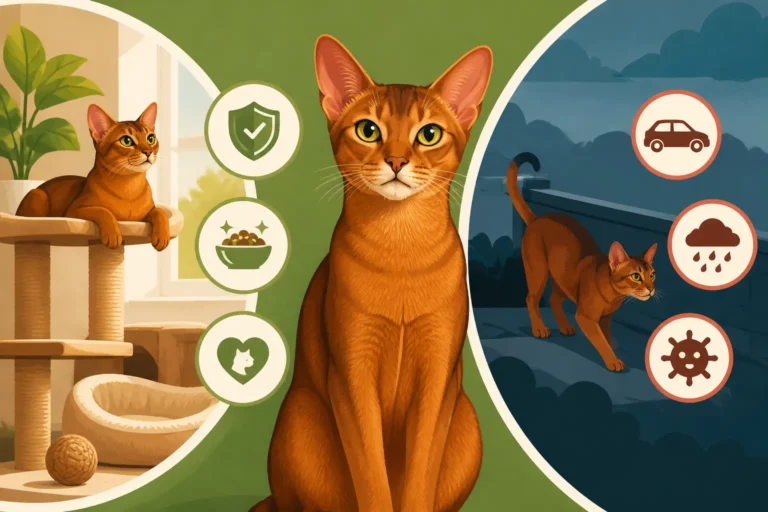
An Abyssinian thrives on activity and mental stimulation. A bored Abyssinian can become destructive or stressed, which can manifest in physical ways. Provide plenty of vertical space with tall cat trees, wall-mounted shelves, and secure climbing opportunities. Engage them in interactive play sessions with wand toys that mimic prey. Puzzle feeders are excellent for challenging their intelligent minds and slowing down meal times. Rotate their toys regularly to keep things fresh and interesting. A secure catio can offer safe outdoor stimulation, allowing them to observe birds and bugs without the dangers of roaming free. A stimulating environment not only keeps them happy but also allows you to observe their normal activity levels, making it easier to spot deviations.
Stress Reduction and Routine Consistency
Cats, including Abyssinians, are creatures of habit. A consistent daily routine for feeding, playtime, and sleep can greatly reduce stress. Sudden changes in environment, diet, or daily schedule can be unsettling for them and can sometimes even suppress their immune system. While Abyssinians are generally adaptable, major disruptions like moving house, introducing new pets or people, or significant changes in your own schedule can be stressful. Provide them with safe, quiet retreats where they can decompress. Feliway diffusers can also be helpful for reducing anxiety in some cats. A low-stress environment supports a healthy immune system and can prevent stress-induced physical symptoms from masking other underlying issues.
Grooming and Dental Hygiene as Health Checks
Even though their short coat doesn't demand extensive grooming, making weekly grooming sessions part of your routine serves as an excellent opportunity for a full-body health check. Use a soft rubber grooming mitt or a chamois cloth to run over their coat, checking for any bumps, scabs, or skin irritations. This is also the perfect time to give them a thorough physical examination – feeling for muscle wasting along their spine, ribs, and hips.
Crucially, these sessions are also when you should be performing home dental hygiene. Brushing your Abyssinian's teeth, starting when they are a kitten, is the single most effective way to combat dental disease. This allows you to regularly check their gums for redness, swelling, or any signs of pain. Early detection of dental issues can prevent painful extractions and more severe health problems down the line. Remember, Why an Abyssinian Kitten's Gums Fail at Six Months highlights the importance of starting early.
Long-Term Planning for Your Abyssinian's Health Journey
Owning an Abyssinian is a long-term commitment, and planning for their health needs throughout their life is part of being a responsible owner.
Financial Preparedness for Unexpected Illness
While preventative care goes a long way, unexpected illnesses and emergencies can still arise, and veterinary care can be expensive. Having a financial plan in place is crucial. Many Abyssinian owners opt for pet insurance, such as Healthy Paws, which can help cover a significant portion of unexpected vet bills, from emergency surgeries to ongoing treatment for chronic conditions. Research different policies and choose one that offers comprehensive coverage and suits your budget. Alternatively, you can set up a dedicated savings account specifically for your cat's medical expenses. Knowing you have the financial means to provide the best care without hesitation can be a huge relief during a stressful time.
Building a Strong Relationship with Your Vet
Think of your veterinarian not just as someone you see when your cat is sick, but as a long-term partner in your Abyssinian's health journey. Choose a vet who is knowledgeable about the breed-specific health concerns of Abyssinians and who emphasizes preventative care. Don't be afraid to ask questions, discuss your concerns, and seek their advice on everything from diet to behavioral quirks. A good vet will take the time to listen to your observations and work with you to develop a tailored health plan for your cat. This collaborative approach is invaluable, especially when trying to decipher the subtle signs your lean, active Abyssinian might be trying to hide.
Embracing the Joy and Challenges of Abyssinian Ownership
Finally, remember that while the challenges of monitoring a lean, illness-hiding Abyssinian can be daunting, the immense joy they bring to our lives is immeasurable. Their playful antics, their loyal companionship, and their curious spirits make every effort worthwhile. By being an observant, proactive, and dedicated owner, you can ensure that your Abyssinian lives the longest, healthiest, and happiest life possible, full of all the high-flying adventures they so dearly love. They might be masters of disguise, but with your vigilant care, their secrets won't stay hidden for long.
Disclaimer
This article is intended for informational purposes only and is not a substitute for professional veterinary advice. Always consult with a qualified veterinarian for any health concerns or before making any decisions related to your pet's health or treatment.