What Kidney Failure Looks Like in a Young Abyssinian
It’s a truly gut-wrenching experience when your vibrant, energetic young Abyssinian, who just yesterday was scaling the cat tree and chasing feather wands with boundless enthusiasm, suddenly starts showing subtle signs that something isn’t quite right. We often associate serious conditions like kidney failure with our beloved senior cats, but for Abyssinians, a specific and devastating form can strike far too early, leaving owners bewildered and heartbroken. This guide is here to walk you through what early-onset kidney failure can look like in a young Abyssinian, how to spot those critical warning signs, and what steps you can take to give your furry family member the best possible care.
The Devastating Reality of Early-Onset Kidney Issues in Abyssinians
Few things are as crushing as realizing your young, seemingly indestructible Abyssinian is facing a serious health challenge, especially one that traditionally belongs to the golden years. Kidney failure in a kitten or young adult Abyssinian feels like a cruel twist of fate, but it's a stark reality for many in our breed.
Why Early Kidney Failure Feels So Unfair
The shock of a young Abyssinian, still full of life and mischief, being diagnosed with kidney problems is profound. These cats are known for their boundless energy, their athletic prowess, and their seemingly robust health. To hear that their kidneys are failing when they’re just a few years old, sometimes even less than two, goes against everything we expect. It can lead to feelings of disbelief, anger, and immense sadness. You feel cheated, as does your beloved companion who should have decades ahead of them. This isn't just "bad luck"; in Abyssinians, early kidney failure is most often linked to a specific, inherited condition called Renal Amyloidosis. It's a cruel illness because it strikes when these cats are still in their prime, rather than a gradual decline in old age. Unlike some other genetic diseases, there isn't a direct DNA test for this specific form in Abyssinians, making it particularly challenging for breeders and owners. This means that while we can test for things like PRA-rdAc or Pyruvate Kinase Deficiency, the looming threat of amyloidosis remains a silent and unpredictable adversary.
The Silent Threat of Renal Amyloidosis
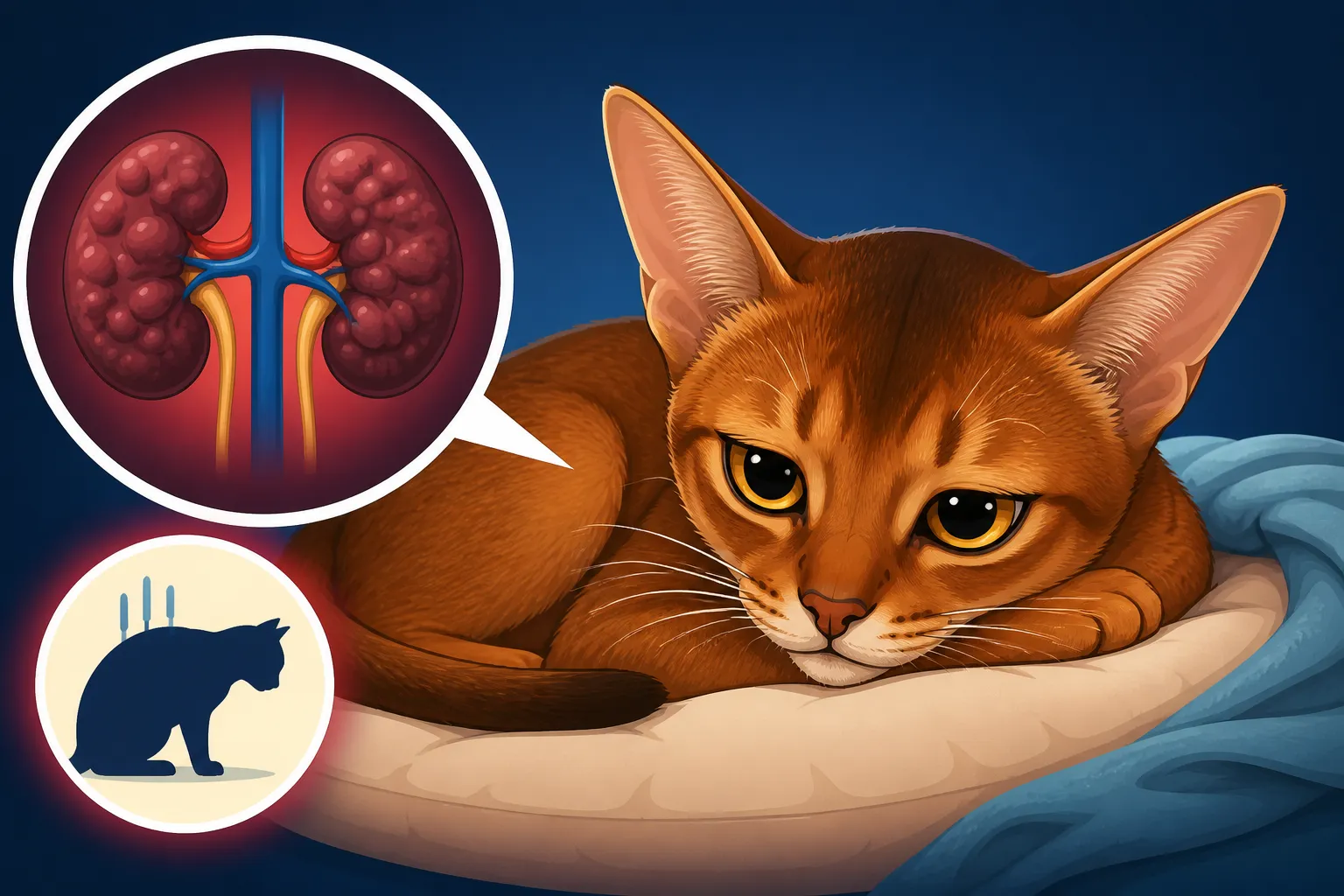
Renal amyloidosis is a particularly insidious condition that underlies most cases of early-onset kidney failure in Abyssinians. It involves the deposition of abnormal, insoluble protein fibers, called amyloid, primarily in the kidneys. These amyloid deposits build up over time, gradually replacing normal kidney tissue and impairing kidney function. The kidneys become less and less efficient at filtering waste products from the blood and regulating the body's fluid balance. Because the amyloid accumulates silently, your cat can appear perfectly healthy for a long time, even as their kidneys are being damaged. This makes it incredibly difficult to catch in its earliest stages, leading to a diagnosis often coming only when significant damage has already occurred. Understanding What Renal Amyloidosis Deposits in an Abyssinian's Kidney is crucial for appreciating the challenge it poses. The devastating aspect of this condition is its progressive nature; once amyloid deposition begins, it rarely stops, and there is no known cure to remove the deposits.
The Cruel Twist: How "Young" Can Kidney Failure Be?
When we talk about "young" Abyssinians experiencing kidney failure, it's not always about kittens, though it can tragically happen that early. More commonly, we see diagnoses in cats between one and five years old. Imagine bringing home an eight-week-old Abyssinian kitten, full of boundless energy and curiosity, a tiny whirlwind of purrs and play. You expect years of joyful companionship. Then, around age two or three, you notice a subtle shift – perhaps a slight increase in thirst, or they seem a touch less inclined to play as vigorously. By the time they're four or five, these symptoms might become more pronounced, leading to that devastating diagnosis. I’ve known owners whose previously energetic two-year-old Abyssinians, who still looked every bit the picture of youthful vitality, began experiencing unexplained weight loss and lethargy, only to discover their kidneys were already significantly compromised. It truly shatters the expectation that your cat has decades ahead of them, highlighting How Young an Abyssinian Can Lose Its Kidneys. These cases underscore the importance of vigilance and recognizing that while the average feline kidney patient is much older, Abyssinians have a different, much more compressed timeline for this specific challenge.
Spotting the Subtle Red Flags: Early Symptoms in Energetic Abyssinians
Abyssinians are masters of disguise when it comes to illness. Their natural exuberance can mask early symptoms, making it even harder for discerning owners to pick up on the initial warning signs of kidney trouble.
The Deceptive Energy Mask
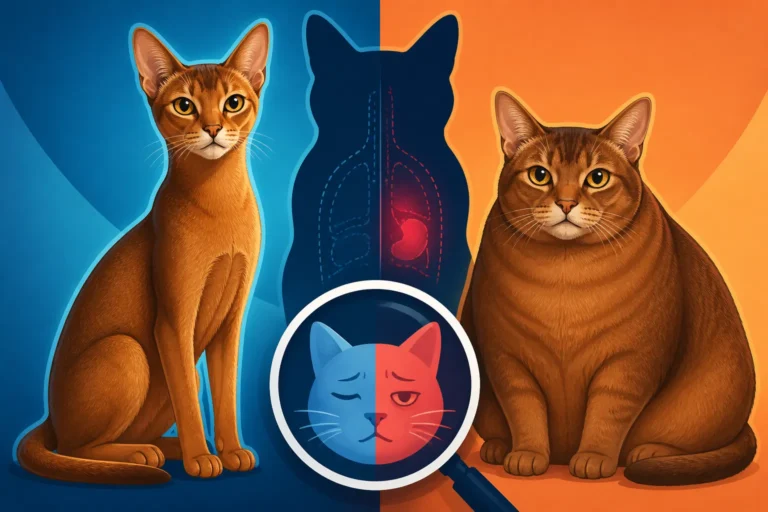
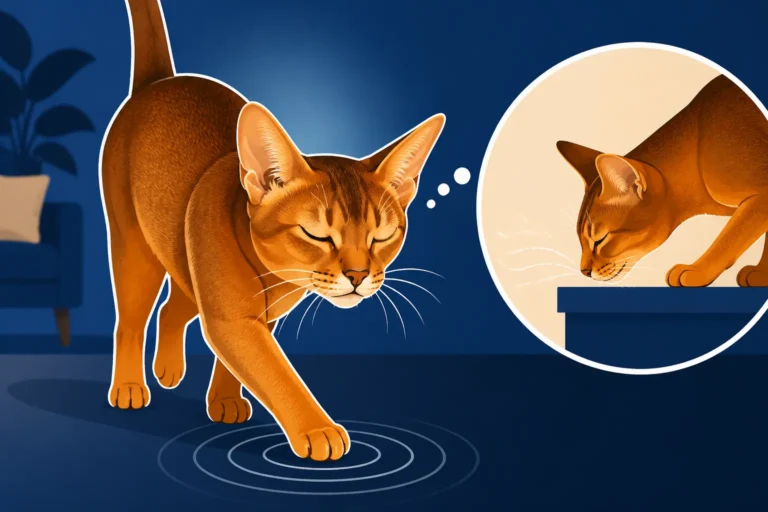
One of the biggest challenges in identifying kidney issues early in an Abyssinian is their inherent high energy and playful nature. They are often described as the "clowns of the cat world," always on the move, climbing, jumping, and engaging with their surroundings. This robust activity level can inadvertently mask a subtle decline in health. Where a quiet, sedentary cat might immediately show lethargy, an Abyssinian might just have slightly less energy, or play a little less intensely, but still appear "active" by typical cat standards. You might notice they still chase the laser pointer, but perhaps for shorter bursts, or they might still scale the tallest cat tree, but take an extra moment to gather themselves at the top. This makes owners second-guess themselves, thinking "Oh, they're just maturing" or "Maybe they're just having a lazy day." It’s precisely why owners need to be acutely attuned to their Abyssinian's normal energy baseline. Any deviation, even if it still seems "energetic," warrants attention, because a naturally Why a Lean Abyssinian Hides Illness Longer Than a Heavy Cat needs all the energy it can muster, and any decline is significant.
Unpacking Increased Thirst and Urination
This is often one of the earliest and most noticeable signs, though it's still easy to dismiss in a young, active cat. When kidneys begin to fail, they lose their ability to properly concentrate urine. This means the cat has to drink more water to flush out the waste products that the kidneys can no longer efficiently filter. Consequently, they will also urinate more. You might find yourself refilling the water bowl multiple times a day when you used to do it every other day. You might notice larger, more saturated clumps in the litter box, or even find your Abyssinian having "accidents" outside the box, simply because they can't hold their bladder as long, or the volume is simply too great. It’s easy to think, "Oh, they're just exercising a lot and getting thirsty," or "They just really love water!" But in a young Abyssinian, Why a Thirsty Young Abyssinian Is a Red Flag cannot be overstated. It’s a primary indicator that the kidneys are struggling to do their job, even if your cat otherwise seems fine. Don't brush it off; track it carefully.
Weight Loss Despite Good Appetite
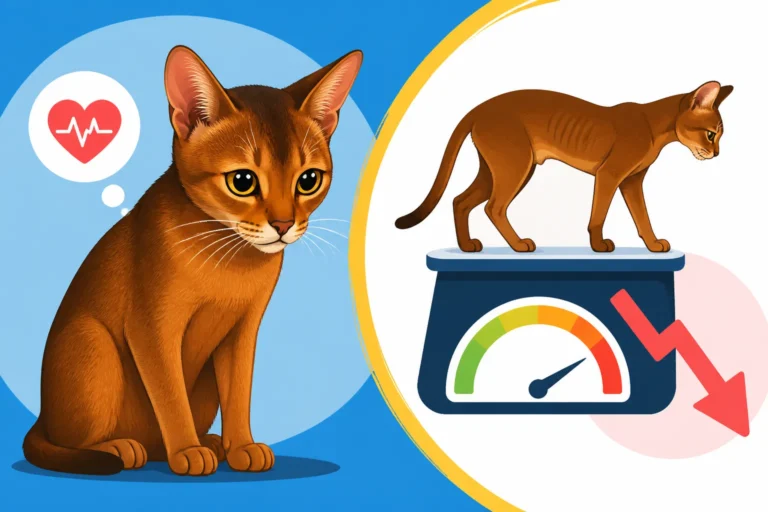
Another concerning symptom that can be tricky to interpret in a lean, muscular breed like the Abyssinian is weight loss, especially when your cat still seems to be eating well. Abyssinians are typically svelte and athletic, not prone to obesity. So, when a young Abyssinian starts to look a bit bonier, their spine becoming more prominent, or their waist tucking in more severely, even if they're cleaning their bowl, it's a significant red flag. Failing kidneys can lead to metabolic disturbances, affecting how the body processes and utilizes nutrients. They can also cause a build-up of toxins that suppress appetite or lead to muscle wasting. While your Abyssinian might still be eager for food, their body isn't able to use those calories efficiently, leading to a gradual but persistent decline in body condition. This isn't just a minor cosmetic change; Why an Abyssinian's Weight Loss Is Never Minor is a serious indicator of underlying illness, particularly in a young cat where such a change should be virtually unheard of. It's a sign that something is actively undermining their health, even if they appear to be enjoying their meals.
More Obvious Signs as the Disease Progresses
As kidney disease advances, the subtle signs unfortunately become more pronounced, making it harder to ignore that your lively Abyssinian is truly struggling. These symptoms usually mean that the kidney function has significantly declined, and waste products are building up to toxic levels in the body.
Vomiting, Nausea, and Halitosis
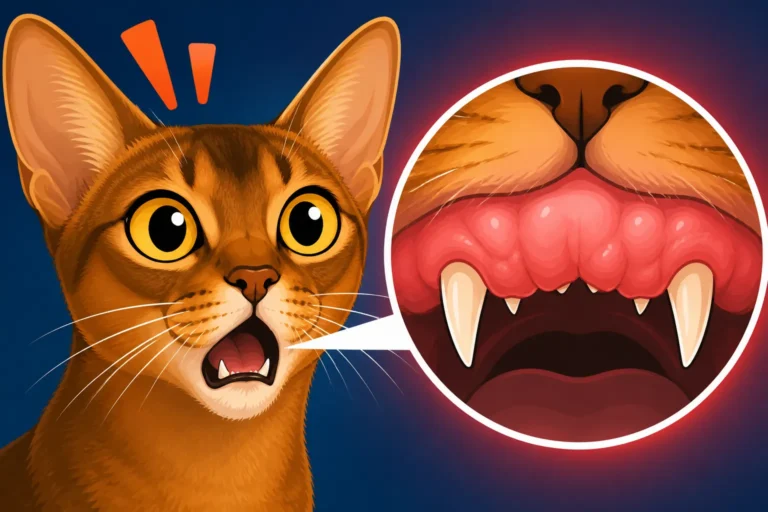
When the kidneys can no longer effectively filter waste products from the blood, toxins like urea begin to accumulate in the bloodstream, leading to a condition called uremia. This build-up of toxins can have systemic effects, one of the most common being irritation of the gastrointestinal tract. A young Abyssinian with progressing kidney disease might start to experience frequent bouts of nausea, which can manifest as drooling, lip-licking, or a general reluctance to eat. This often progresses to vomiting, which might be intermittent at first but can become more regular as the disease advances. The vomiting might be of food, bile, or even just foamy liquid. Another unmistakable sign of uremia is a distinct, unpleasant odor from your cat's mouth, often described as metallic, ammonia-like, or simply foul. This "uremic breath" (halitosis) is caused by the body trying to eliminate waste products through the breath, and it's a strong indicator of advanced kidney dysfunction. It’s a smell you won’t forget once you recognize it.
Lethargy and Weakness
The boundless energy that defines a young Abyssinian is one of the first things to truly disappear as kidney disease progresses. The initial subtle dips in activity give way to undeniable lethargy and weakness. Your cat will start sleeping much more than usual, losing interest in toys they once adored, and perhaps even ignoring your attempts to engage them in play. The cat that once greeted you at the door with a flurry of chirps and weaves might now simply lift their head, or not react at all. Jumping onto favorite high perches becomes an effort, or they might stop attempting it altogether. The once agile climber might seem hesitant, or even fall. This shift from a whirlwind of activity to a quiet, still presence is deeply concerning. What a Quiet Abyssinian Is Telling You is often a desperate plea for help. It’s a clear indication that their body is overwhelmed by toxins, they're feeling unwell, and their energy reserves are depleted, no matter how strong their spirit might still be.
Pale Gums and Poor Coat Quality
As kidney failure becomes more severe, two other physical signs become evident: pale gums and a deteriorating coat. The kidneys play a crucial role in producing a hormone called erythropoietin, which stimulates the production of red blood cells. When the kidneys are failing, erythropoietin production declines, leading to chronic anemia. This anemia manifests as pale gums; instead of a healthy bubblegum pink, your Abyssinian's gums might appear very light pink, almost white. This is best checked by gently lifting their lip. Coupled with anemia, the overall poor health and build-up of toxins can drastically affect your Abyssinian's beautiful, ticked coat. What was once sleek, shiny, and finely textured can become dull, dry, and even coarse or unkempt. They might stop grooming themselves as meticulously, leading to a greasy or matted appearance in some areas, or simply a lack of their characteristic shimmer. These changes in gum color and coat quality are not merely aesthetic; they are clear physical manifestations of a body struggling under the burden of advanced kidney disease.
The Diagnostic Journey: What Your Vet Will Look For
When you notice these worrying changes in your young Abyssinian, a trip to the vet is paramount. The diagnostic process is a critical step in understanding what’s truly going on inside their little body. Early and accurate diagnosis can make a significant difference in management and outcome.
Initial Vet Visit and Physical Exam
Your vet will start with a thorough physical examination. They’ll observe your Abyssinian's demeanor, assess their hydration status by checking skin turgor, and examine their mucous membranes (gums) for paleness. Crucially, they will carefully palpate your cat's kidneys. In some cases of early kidney disease, especially amyloidosis, the kidneys might feel smaller than normal, irregular in shape, or even firm. They’ll also listen to your cat's heart and lungs, check their overall body condition score, and look for any other external signs of illness. This initial assessment is vital for gathering clues. During this visit, it's incredibly important for you to be as detailed as possible about all the changes you've observed, even those subtle ones you initially dismissed. The increase in thirst, the slight dip in energy, the specific instances of vomiting—every piece of information helps your vet build a complete picture. Don't hold back, no matter how minor something might seem to you.
Blood and Urine Tests: The Key to Diagnosis
Once the physical exam is complete, your vet will almost certainly recommend blood and urine tests. These are the cornerstone of diagnosing kidney disease. The traditional blood markers for kidney function are Blood Urea Nitrogen (BUN) and Creatinine. However, these values often don't become elevated until approximately 75% of kidney function has been lost. This is where a newer, more sensitive marker comes in: Symmetric Dimethylarginine, or SDMA. SDMA can detect kidney disease when as little as 25-40% of kidney function is lost, making it an absolute game-changer for early detection, especially in a young Abyssinian where early intervention is crucial. Your vet will also likely run a full blood panel to check red blood cell count (for anemia), white blood cell count (for infection), and other organ values.
A urinalysis is equally vital. The vet will check your Abyssinian's urine specific gravity (USG), which measures how concentrated their urine is. In kidney disease, the USG will be low, indicating dilute urine, even if your cat is dehydrated. They’ll also test for protein in the urine, as excessive protein loss (proteinuria) can be another indicator of kidney damage, particularly with amyloidosis. A Urine Protein:Creatinine (UPC) ratio may be recommended to quantify protein loss accurately. Together, these blood and urine values provide a comprehensive picture of kidney function and help your vet confirm a diagnosis. Understanding Which Blood Values Catch an Abyssinian's Kidneys Early is empowering for any owner facing this challenge.
Imaging and Biopsy: Digging Deeper
While blood and urine tests provide a strong indication of kidney disease, sometimes further diagnostics are needed, especially to investigate the underlying cause, such as amyloidosis. Your vet might recommend an abdominal ultrasound. This imaging technique allows the veterinarian to visualize the kidneys, assess their size, shape, and internal architecture. With amyloidosis, kidneys can appear small, shrunken, and sometimes irregular. An ultrasound can also rule out other potential causes of kidney dysfunction, such as stones or tumors.
In some specific cases, a definitive diagnosis of amyloidosis may require a kidney biopsy. This is a more invasive procedure where a small tissue sample is taken from the kidney and sent to a specialized lab for histopathological examination. The pathologists can then identify the characteristic amyloid deposits in the tissue. While a biopsy offers the most conclusive diagnosis, it does carry risks, including bleeding and infection, and the decision to proceed is carefully weighed against the potential benefits and the cat's overall condition. For many owners, a strong suspicion based on breed, symptoms, and bloodwork, combined with the lack of a specific amyloidosis treatment, means a biopsy isn't always pursued, but it remains an option in certain situations.
Managing Kidney Failure in a Young Abyssinian
Receiving a diagnosis of kidney failure in your young Abyssinian is devastating, but it's not a death sentence. While there's no cure for the amyloidosis that often causes it, thoughtful management can significantly improve your cat's quality of life and potentially extend their time with you.
Tailored Nutritional Support
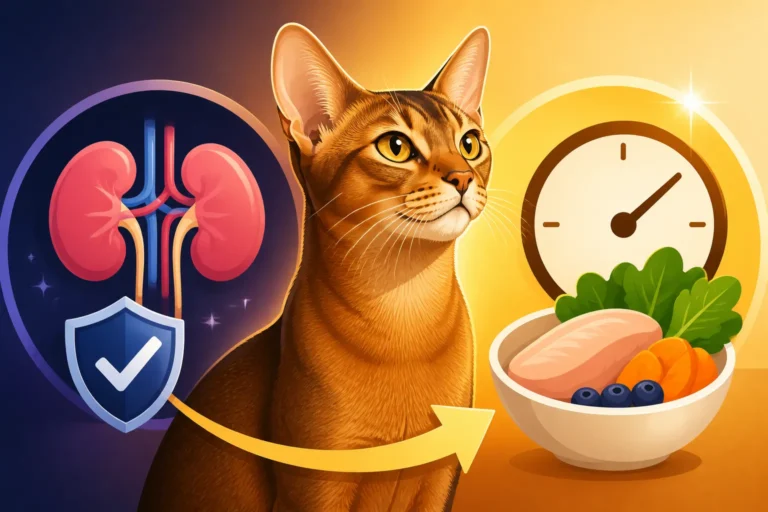
Diet plays a paramount role in managing kidney disease. The goal of a kidney-specific diet is to reduce the workload on the kidneys and minimize the accumulation of toxins. These diets are typically formulated to be lower in protein, but still provide high-quality protein to prevent muscle wasting. They are also restricted in phosphorus, as high phosphorus levels can contribute to further kidney damage and discomfort. Additionally, kidney diets often have controlled sodium levels and are supplemented with B vitamins and omega-3 fatty acids, which can help reduce inflammation and support overall kidney health.
Transitioning your Abyssinian to a new food can sometimes be a challenge, especially if they are already feeling unwell. It's often a gradual process, mixing small amounts of the new food with their old food and slowly increasing the proportion over several days or weeks. Don't be discouraged if they're picky; there are many brands and flavors of prescription renal diets available, and finding one your Abyssinian will eat consistently is key. Consistency with How a Kidney Diet Buys an Abyssinian Time is critical; sticking to the prescribed diet is one of the most impactful things you can do to manage the disease.
Hydration and Fluid Therapy
Maintaining good hydration is absolutely crucial for Abyssinians with kidney disease. Their failing kidneys produce dilute urine, meaning they lose more water, and the body constantly works to flush out toxins. Encouraging water intake is essential. This means providing multiple water bowls around the house, offering fresh water frequently, and considering a filtered pet fountain, which many cats prefer. Feeding wet food exclusively or adding water to their dry kibble can also significantly increase their daily fluid intake.
As the disease progresses, or during periods of acute decline, subcutaneous (under the skin) fluid therapy at home often becomes necessary. This involves administering fluids with a needle and bag under your cat's skin, usually a few times a week, as directed by your vet. While the idea of giving your cat fluids might sound daunting at first, many owners quickly become adept at it. It’s an incredibly effective way to support kidney function, flush out toxins, and improve your cat's overall well-being. It can drastically improve their energy levels and appetite, making them feel much better. Knowing Whether Fluids at Home Help an Abyssinian and committing to it can really make a difference.
Medications and Symptomatic Relief
Beyond diet and fluids, various medications are used to manage the symptoms and slow the progression of kidney disease. Phosphorus binders are often prescribed to reduce the absorption of phosphorus from the gut, helping to keep blood phosphorus levels in a healthy range. Anti-nausea medications, like maropitant (Cerenia) or ondansetron, can alleviate vomiting and improve appetite. Appetite stimulants, such as mirtazapine (Mirataz), can also be incredibly helpful in encouraging your Abyssinian to eat.
If your cat develops high blood pressure (hypertension), which is common with kidney disease, medications like amlodipine will be prescribed to manage it. Anemia, as discussed earlier, can be a significant issue, and sometimes specific treatments like darbepoetin (a synthetic form of erythropoietin) are used to stimulate red blood cell production. It’s also important to manage any pain or discomfort your cat might experience. Each Abyssinian’s treatment plan will be highly individualized, and regular check-ups with your vet are essential to adjust medications and monitor their effectiveness. These interventions, while not curative, are powerful tools in maintaining your Abyssinian's comfort and vitality.
The Role of a "Renal Friendly" Lifestyle
Beyond the medical interventions, creating a supportive and comfortable environment for your Abyssinian is key. While their energy might wane, they still appreciate stimulation, albeit perhaps in gentler forms. Ensure easy access to food, water, and litter boxes, perhaps adding extra boxes on different levels if they used to climb to them. Keep their routine as stable as possible, as Abyssinians thrive on predictability. Gentle play sessions with a feather wand or quiet cuddle time can still bring joy.
Financially, managing a chronic condition like kidney failure, especially in a young cat, can become a significant burden. The ongoing vet visits, specialized diets, medications, and potential fluid therapy can add up quickly. This is where a robust pet insurance plan can be invaluable. A provider like Healthy Paws can help cover a large percentage of these costs, alleviating the financial stress and allowing you to focus on what truly matters: providing the best care for your beloved Abyssinian without having to make difficult choices based on budget. Having that peace of mind means you can say "yes" to necessary diagnostics and treatments without hesitation.
Living with and Supporting Your Abyssinian
Caring for a young Abyssinian with kidney failure is a marathon, not a sprint. It demands dedication, emotional resilience, and a deep understanding of your cat's needs.
The Emotional Toll on Owners
Let's be honest: caring for a young cat with a chronic, progressive illness like kidney failure is emotionally draining. You face a unique grief, grieving not only for the health of your beloved pet but also for the future you imagined together. Feelings of guilt ("Did I miss something?"), frustration, and exhaustion are completely normal. You might feel isolated, as friends or family who haven't experienced this might not fully understand the depth of your daily commitment and heartbreak. It's okay to feel overwhelmed. Seeking support from your veterinary team, who often become your closest allies, or connecting with online communities of other pet owners facing similar challenges, can be incredibly validating and helpful. Remember, you are doing everything you can for your cat, and that is enough. Taking care of your own mental and emotional health is just as important as caring for your Abyssinian.
Quality of Life Over Quantity
When faced with a progressive illness, the focus naturally shifts from aiming for a cure to maximizing quality of life. For your young Abyssinian, this means regularly assessing their comfort, happiness, and overall well-being. Are they still engaging with you? Are they eating and drinking comfortably? Are they experiencing more good days than bad? It’s about ensuring they can still experience joy, even if that joy looks different than it did before. This might mean adapting their environment, providing soft bedding, ensuring their favorite sunny spots are accessible, and continuing to offer gentle play or cuddle sessions.
Work closely with your vet to define what a good quality of life means for your Abyssinian. Sometimes, treatments can extend life, but at the cost of discomfort. The goal is to extend happy, comfortable life. This can be a challenging balance to strike, but open communication with your veterinary team and honest self-assessment of your cat's daily experiences are crucial. Every day you spend together should be cherished, knowing you're doing your best to make it a comfortable one.
Preparing for the Future
The heartbreaking reality of kidney failure, especially amyloidosis in Abyssinians, is its progressive nature. While treatments can significantly extend and improve quality of life, they do not cure the underlying disease. As much as we wish it weren't so, there will come a time when the disease progresses beyond what medical intervention can manage, and your Abyssinian's quality of life will inevitably decline. Preparing for this future is one of the hardest aspects of caring for a young cat with a terminal illness.
Having candid discussions with your veterinarian about end-of-life decisions, understanding the signs of irreversible decline, and discussing options like palliative care or humane euthanasia when the time comes, are incredibly important. These are not conversations any pet owner wants to have, but they are a compassionate part of responsible pet ownership. Knowing that you explored every possible avenue, and having the financial backing of a solid pet insurance plan like Healthy Paws, can provide some comfort during these agonizing decisions. It ensures that you provided every chance, every treatment, and every ounce of love without worrying about cost. This journey is incredibly tough, but your love and dedication will guide you. While it's hard to predict exactly How Long an Abyssinian Lives After Amyloidosis Shows, you can ensure their time with you is as rich and comfortable as possible.
Breeding and Prevention: Looking to the Future
While we focus on managing the illness in affected cats, it's equally important to consider how we can prevent future generations of Abyssinians from suffering this devastating disease. This brings us to the critical role of responsible breeding and proactive choices by prospective owners.
The Breeder's Responsibility and Challenges
For Abyssinian breeders, the challenge of renal amyloidosis is immense and deeply personal. Unlike Pyruvate Kinase Deficiency (PKD) or Progressive Retinal Atrophy (PRA-rdAc), for which direct DNA tests exist, there is currently no specific genetic test for the form of amyloidosis that affects Abyssinians. This means breeders cannot simply test their breeding stock and remove carriers from the gene pool. Instead, they must rely heavily on meticulous pedigree research, careful observation of their lines, and tracking the kidney health and lifespan of all cats produced.
Responsible breeders maintain detailed health records for their entire breeding program, including information on causes of death, especially those related to kidney disease, for many generations. They avoid breeding cats from lines with a known history of early-onset renal amyloidosis. This dedication to tracking and transparency is crucial because it allows breeders to make educated decisions, even without a specific genetic test. This is why Why Abyssinian Lines Are Judged on Family History Instead is so important; the collective health data of a cat's ancestors and siblings provides the best insight we have into the risk of this disease.
Choosing a Reputable Breeder
For anyone considering bringing an Abyssinian into their home, choosing a reputable breeder is the single most important step you can take to minimize the risk of inheriting health issues, including kidney disease. A good breeder will be transparent and open about the health history of their breeding cats and their lines. They should be willing to discuss any instances of kidney disease or other serious illnesses in their pedigrees, not just gloss over them. Don’t be afraid to ask direct questions about the lifespan of previous generations and specific causes of death.
Beyond asking about kidney history, ensure the breeder performs all other available genetic health screenings for Abyssinians. This includes DNA tests for Pyruvate Kinase Deficiency Is the Abyssinian's Best Known Test and Progressive Retinal Atrophy (PRA-rdAc). They should be able to provide documentation of these tests for both parents of your kitten. A breeder who is evasive about health testing or pedigree history, or who cannot provide documentation, is a red flag. Always look for a breeder who is committed to the health and longevity of the breed, as detailed in What an Abyssinian Breeder Should Have Tested Before You Buy. This diligence on your part supports ethical breeding practices and helps ensure you bring home the healthiest possible companion.
The Promise of Ongoing Research
While the absence of a direct genetic test for Abyssinian renal amyloidosis is a significant frustration, it’s important to remember that scientific research is always ongoing. Dedicated veterinary researchers and geneticists around the world are continuously working to better understand the genetic basis of this complex disease in Abyssinians. Efforts are focused on identifying specific genetic markers that could indicate a predisposition to amyloidosis, which would revolutionize breeding practices and allow for earlier detection.
The hope is that one day, a reliable genetic test will be developed, allowing breeders to confidently select against this devastating condition and significantly reduce its prevalence in the breed. Continued support for feline health research, through donations to organizations like the Winn Feline Foundation or local veterinary schools, plays a vital role in advancing these efforts. While we don't have all the answers yet, the dedication of the scientific community offers a glimmer of hope for a future where early-onset kidney failure becomes a much rarer tragedy for our beloved Abyssinians.
Symptoms of Kidney Failure in Young Abyssinians
| Symptom Category | Early Stage Observations | Advanced Stage Observations |
|---|---|---|
| Thirst & Urination | Increased drinking (refilling bowl more often), larger urine clumps in litter box. | Frequent urination, accidents outside litter box, dilute urine, constant thirst. |
| Energy Level | Slight decrease in play intensity, shorter bursts of activity, less "zoomies." | Pronounced lethargy, increased sleeping, reluctance to play or jump, general weakness. |
| Appetite & Weight | Eating normally but gradually losing weight; ribs may become more prominent. | Poor appetite, pickiness, significant weight loss, muscle wasting, vomiting, nausea (lip-licking, drooling). |
| Oral Health | Subtle bad breath may develop. | Strong, ammonia-like or metallic "uremic breath," possible oral ulcers in severe cases, very pale gums. |
| Coat & Appearance | Coat may start to lose its sheen, subtle dullness. | Dull, unkempt, coarse coat quality; poor grooming; visibly pale mucous membranes (gums, inner eyelids) due to anemia. |
| Behavior | May seem slightly less engaged, perhaps a bit quieter than usual (for an Abyssinian!). | Hiding more, disinterest in surroundings, signs of discomfort, less interactive. |
Disclaimer
The information provided in this article is for educational and informational purposes only, and does not constitute veterinary medical advice. Always consult with a qualified veterinarian for any health concerns or before making any decisions about your pet's health or treatment.